MindfulNest
Social-Emotional Learning Technology for Pre-K
uxui design
ux research
Client: CREATE Lab, Carnegie Mellon Robotics Institute
Role: Research Assistantship
Team: Lorin Anderberg, Emily Hamner, Mike Tasota
Tools: Figma
Duration: 10 weeks
Design Challenge:
Propose wireframes of a better ux experience for teachers using MindfulNest’s app in their classrooms.
How might I balance the needs of teachers and students without creating additional burdens for often overwhelmed educators?
About:
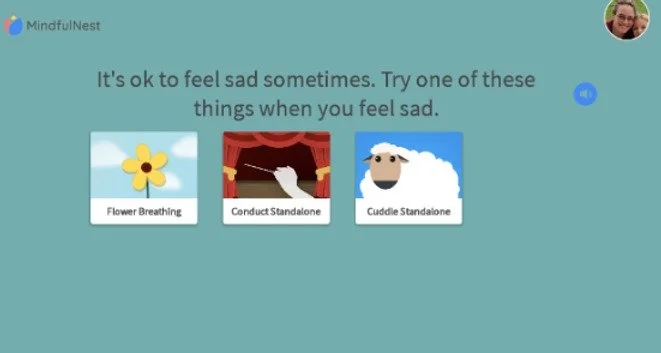
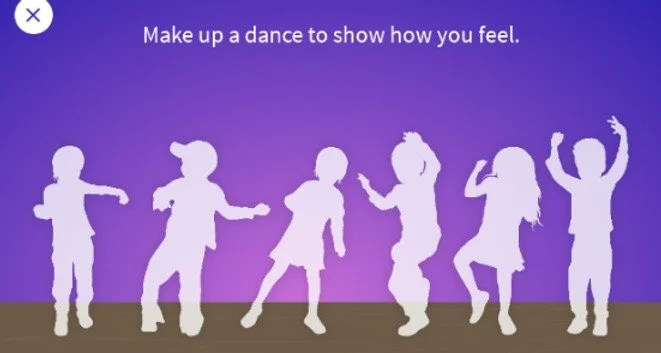
Carnegie Mellon University Robotics Institutes’s CREATE Lab developed MindfulNest. The app is designed to guide children through activities that help them calm and control their emotions. For example students can try guided breathing with a flower that lights up when they breathe. Other example activities include guided stretching or conducting music.
Project Brief:
Develop UX suggestions for the teacher experience of the MindfulNest App

My mother was a special education teacher and I have long considered pursuing the field myself. I am particularly interest in early childhood development and psychology with an emphasis on social-emotional learning. I pitched myself as a research assistant after learning about CREATE Lab’s work in SEL and the hired me as a research assistant for the semester.
The project was already a few years running and ready to make new iterations. We decided that I would spend my time exploring how to support the teacher back-end experience of the app.
CONSTRAINTS:
Time: ~6 hours/week available
Team skillset: Limited UX/design capacity
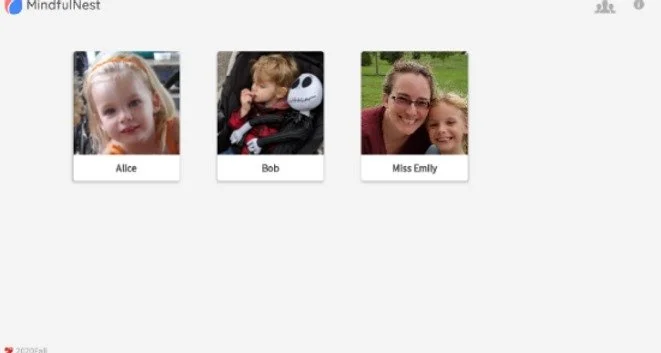
Familiarity: Teachers are comfortable with existing design
Research: Only one teacher feedback session available
EXISTING DESIGNS:
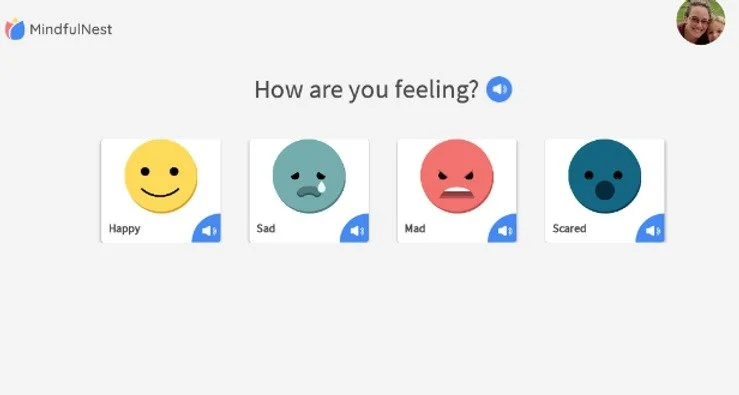


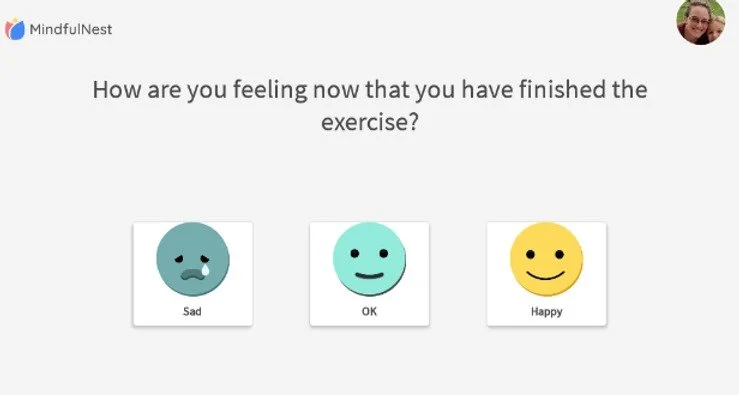
Approach:
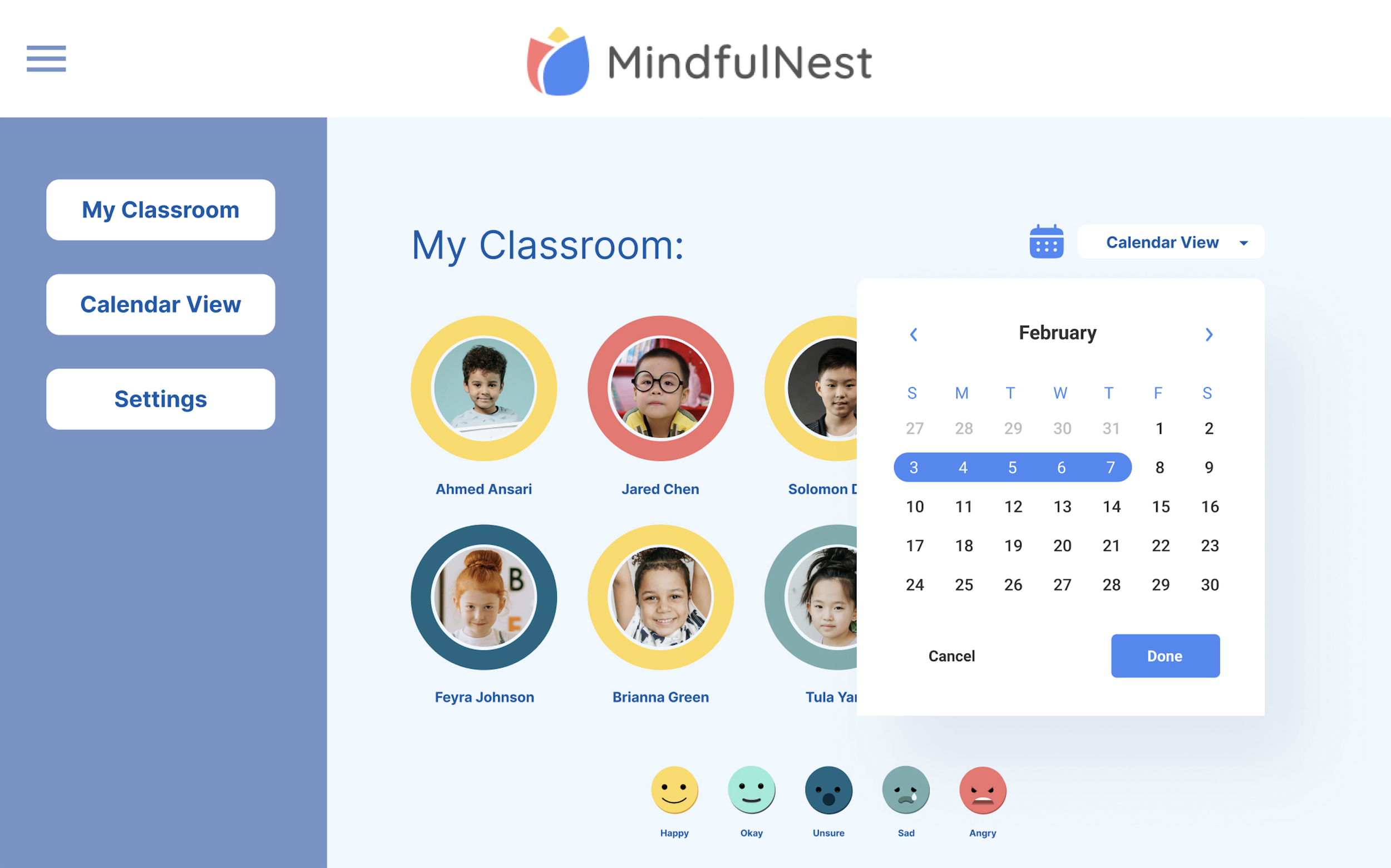
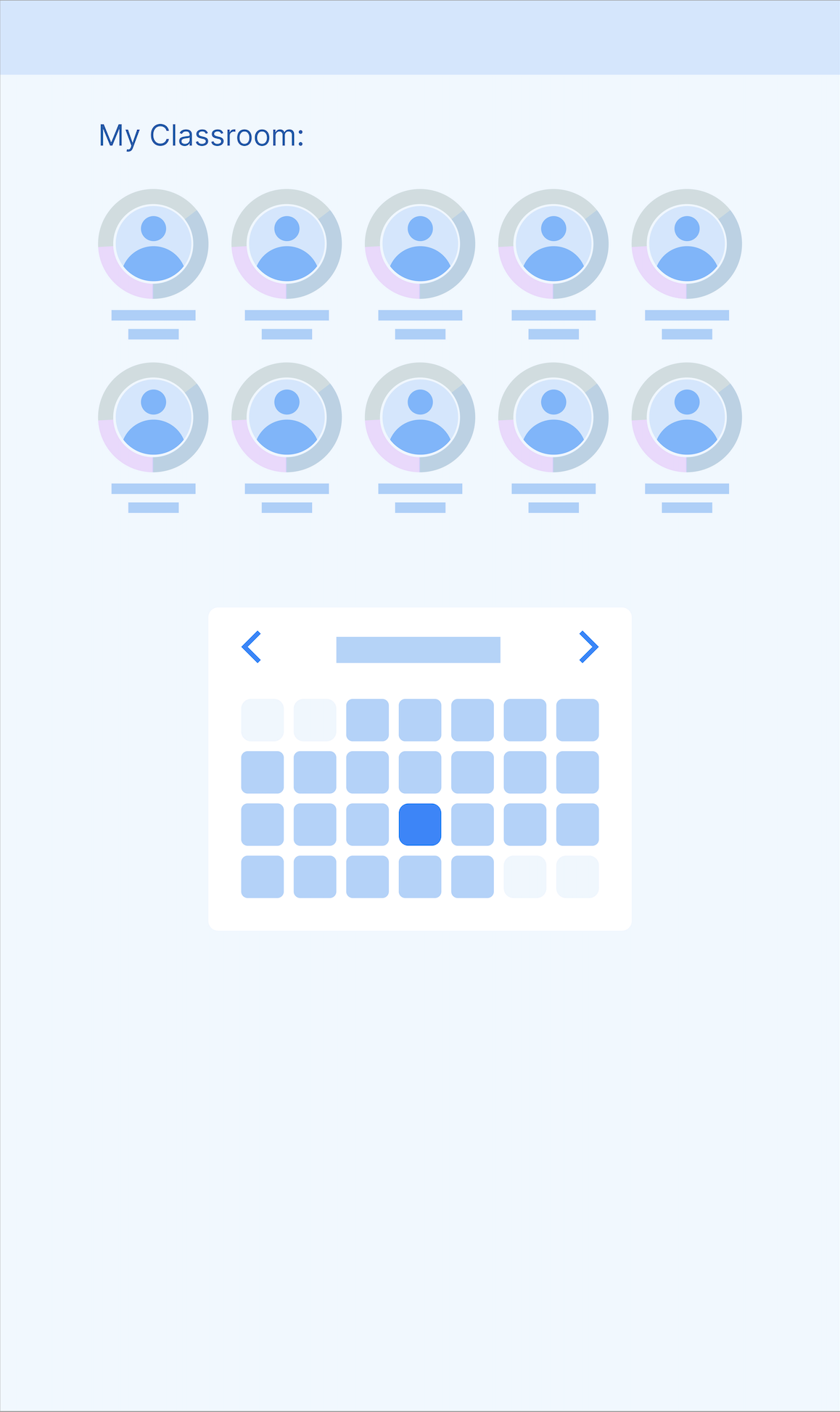
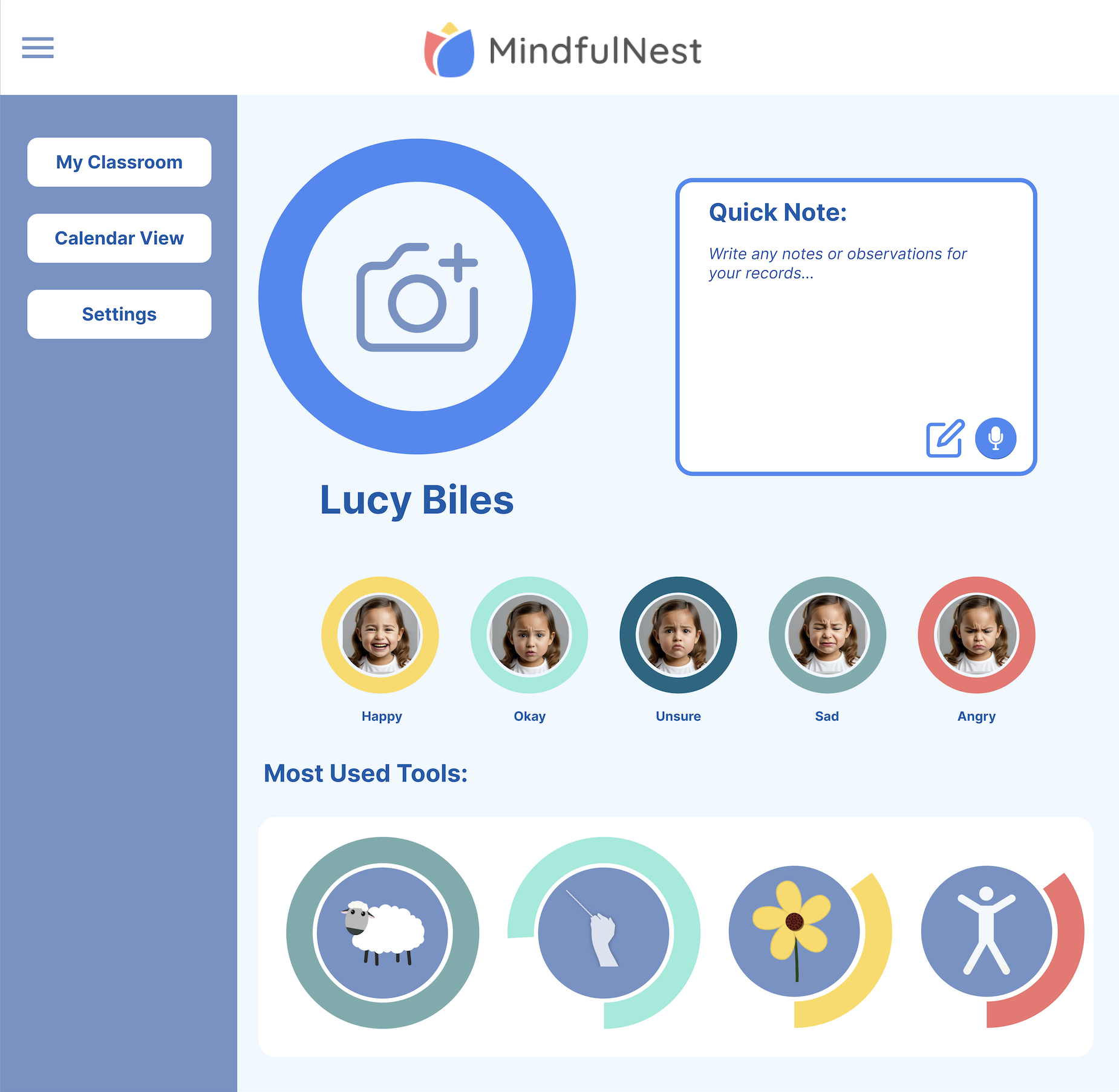
I began with lo-fi wireframes to explore how the teacher dashboard could track emotional data more effectively. I proposed more data tracking and customized note taking options that would support teachers with writing reports and parent-teacher conferences.
We learned that adding emotion tracking to the morning check-in could undermine the intervention’s intent: to help students self-identify their emotions.
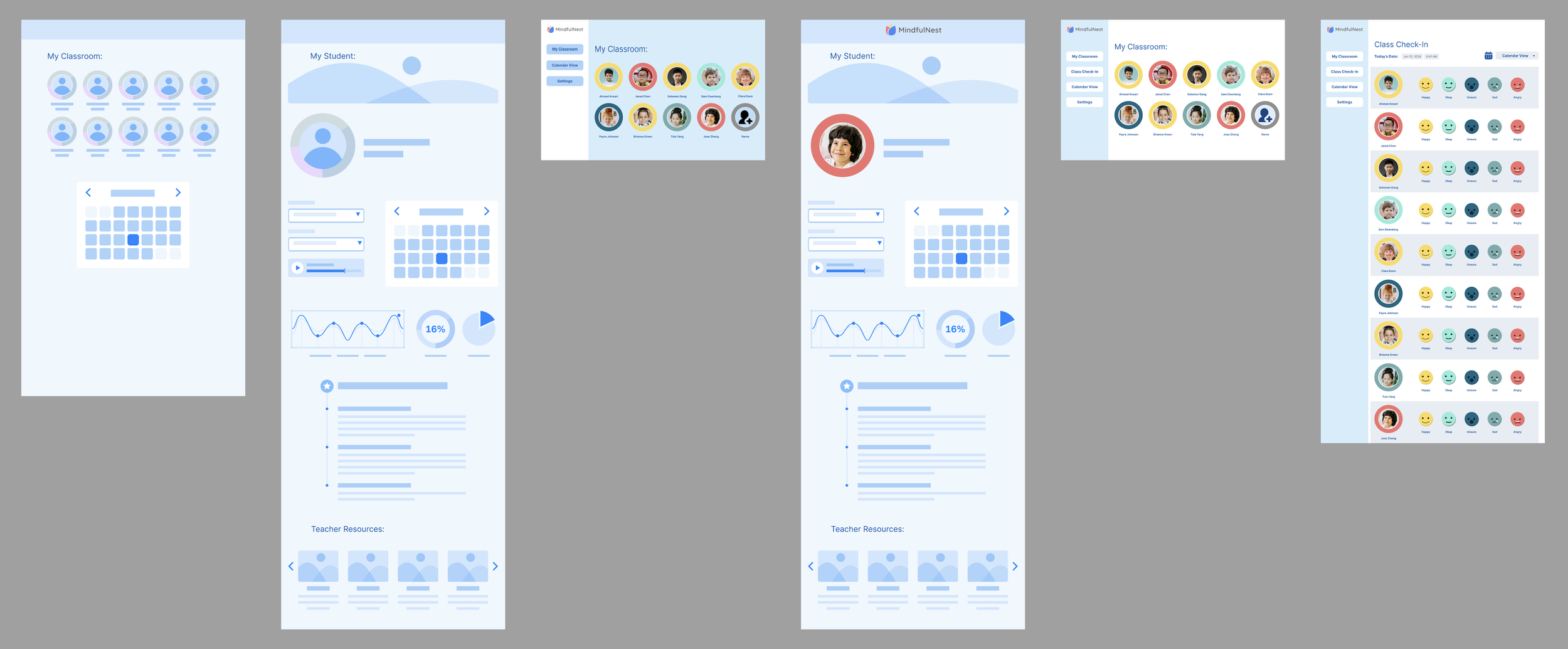
UX Exploration Highlights:
Key proposals that expanded on the current student profile functionality:
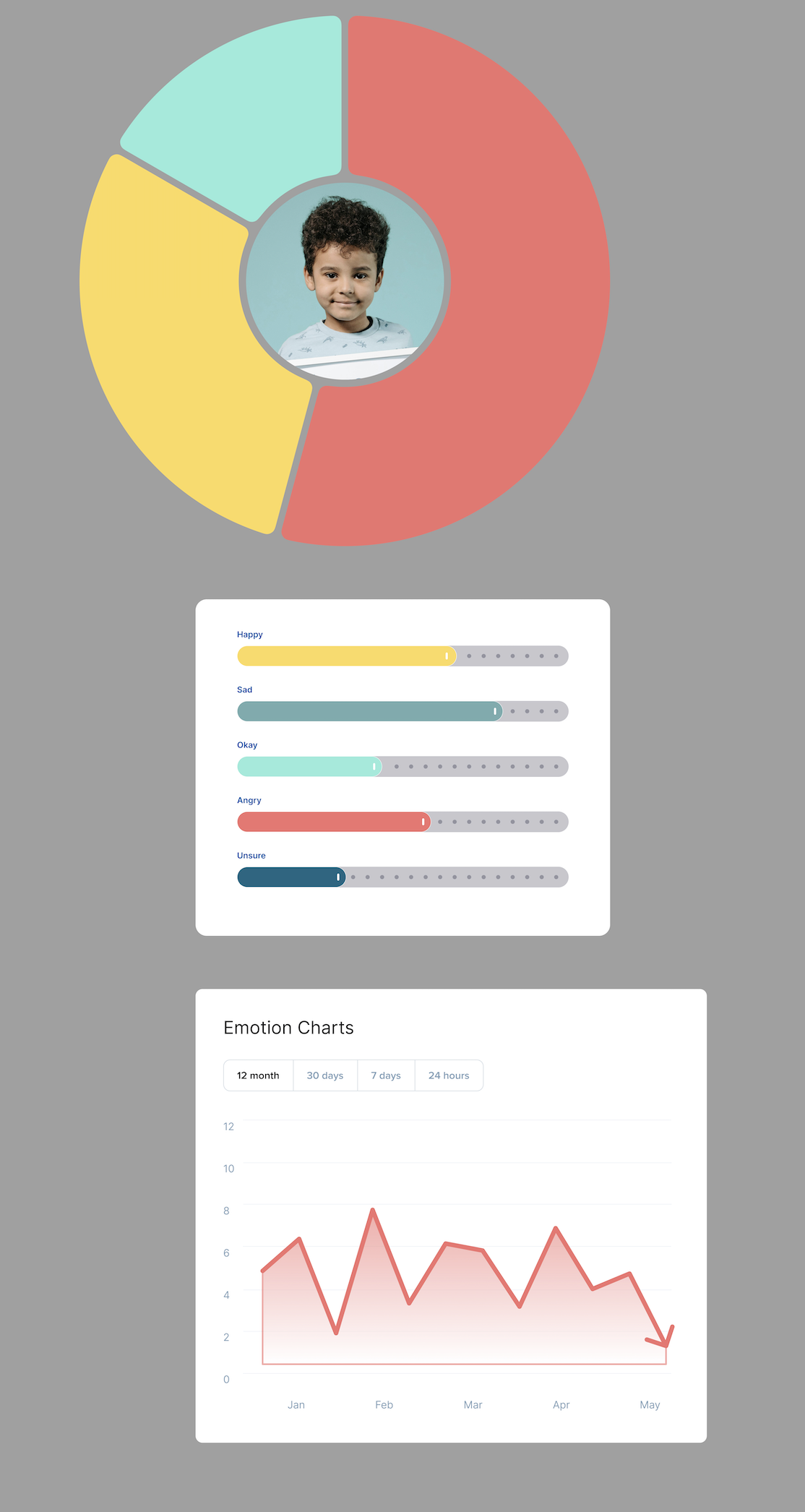
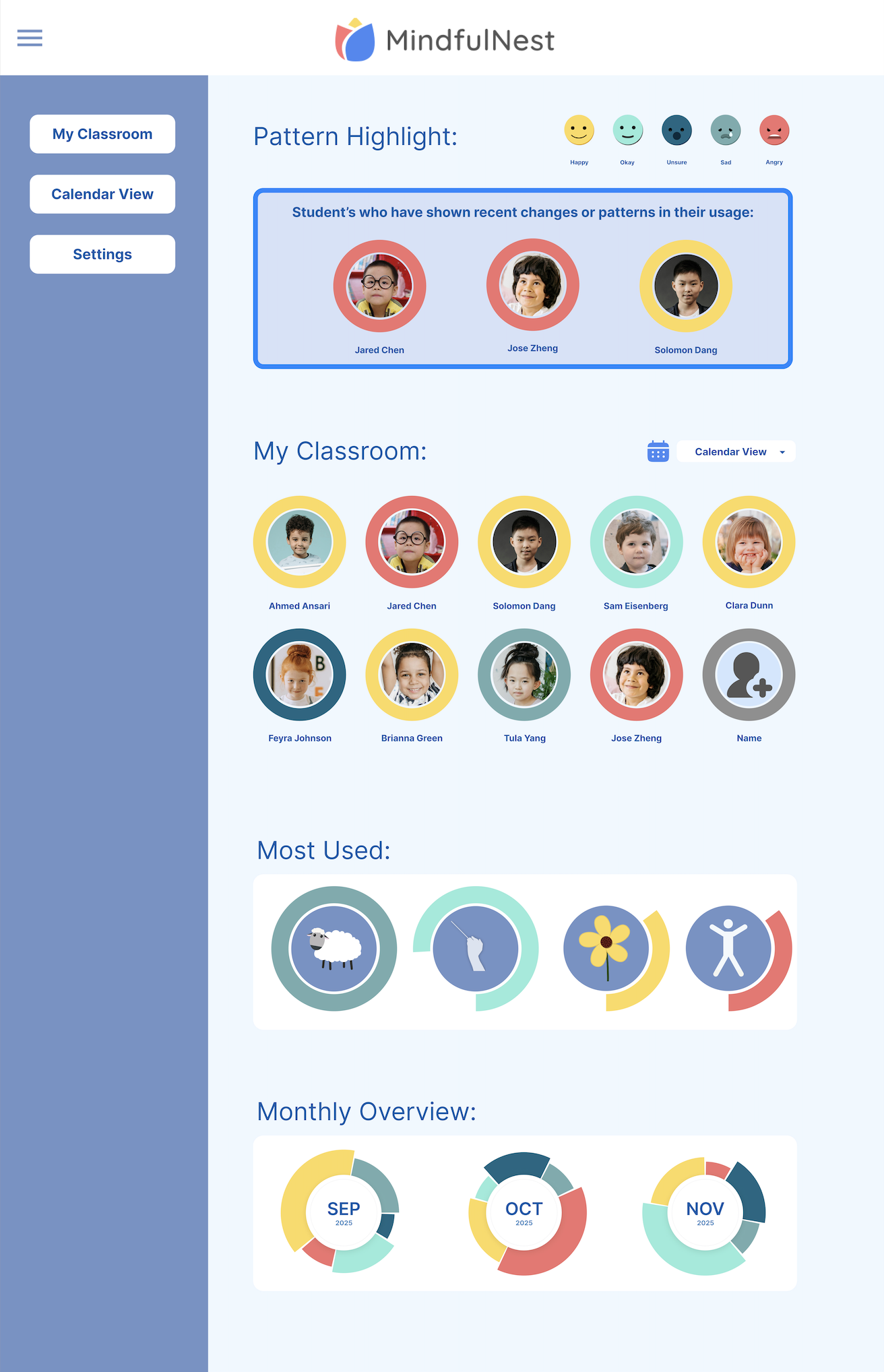
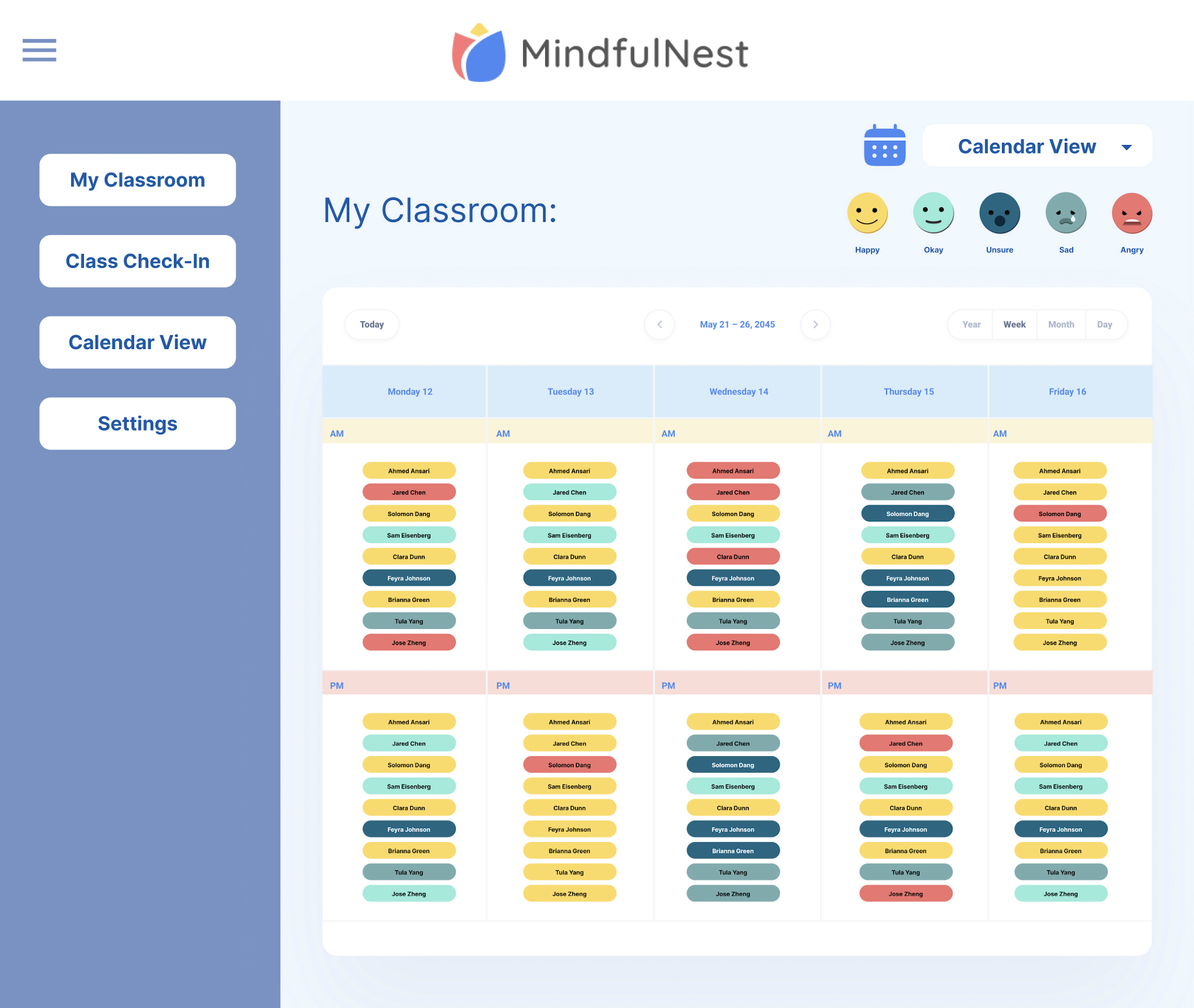
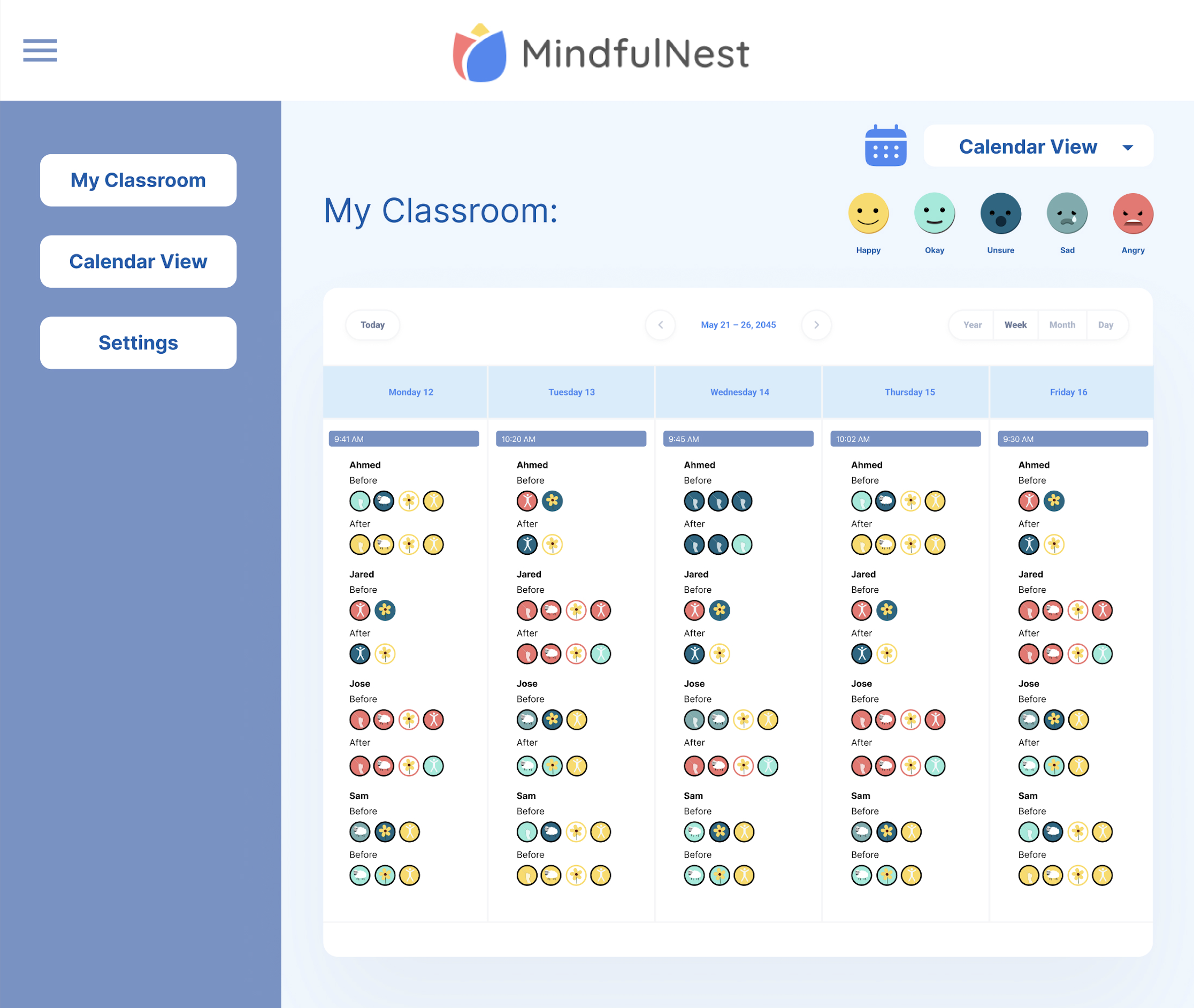
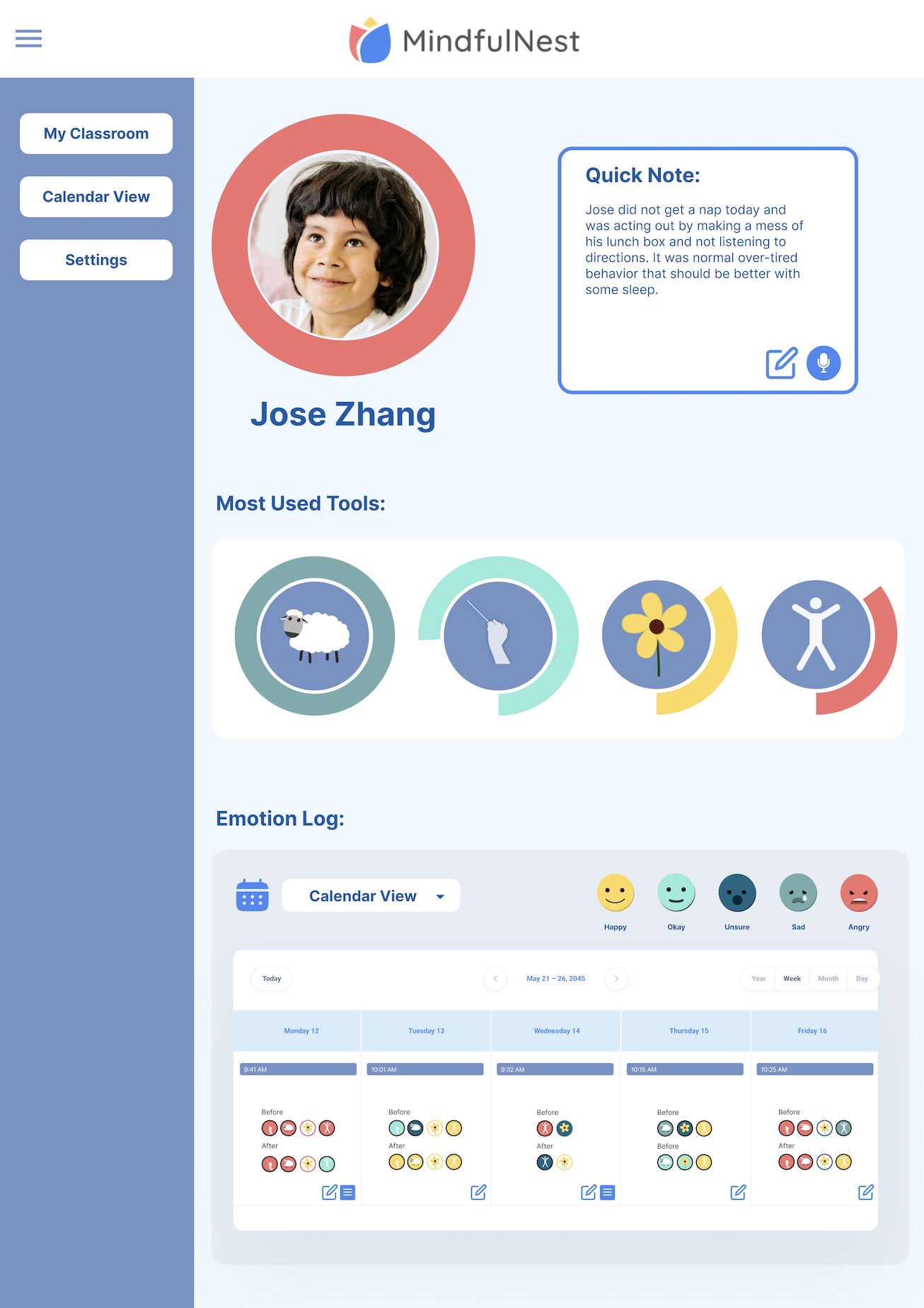
A dashboard showing current and historical emotional states
Student profiles visualizing emotions and SEL activities
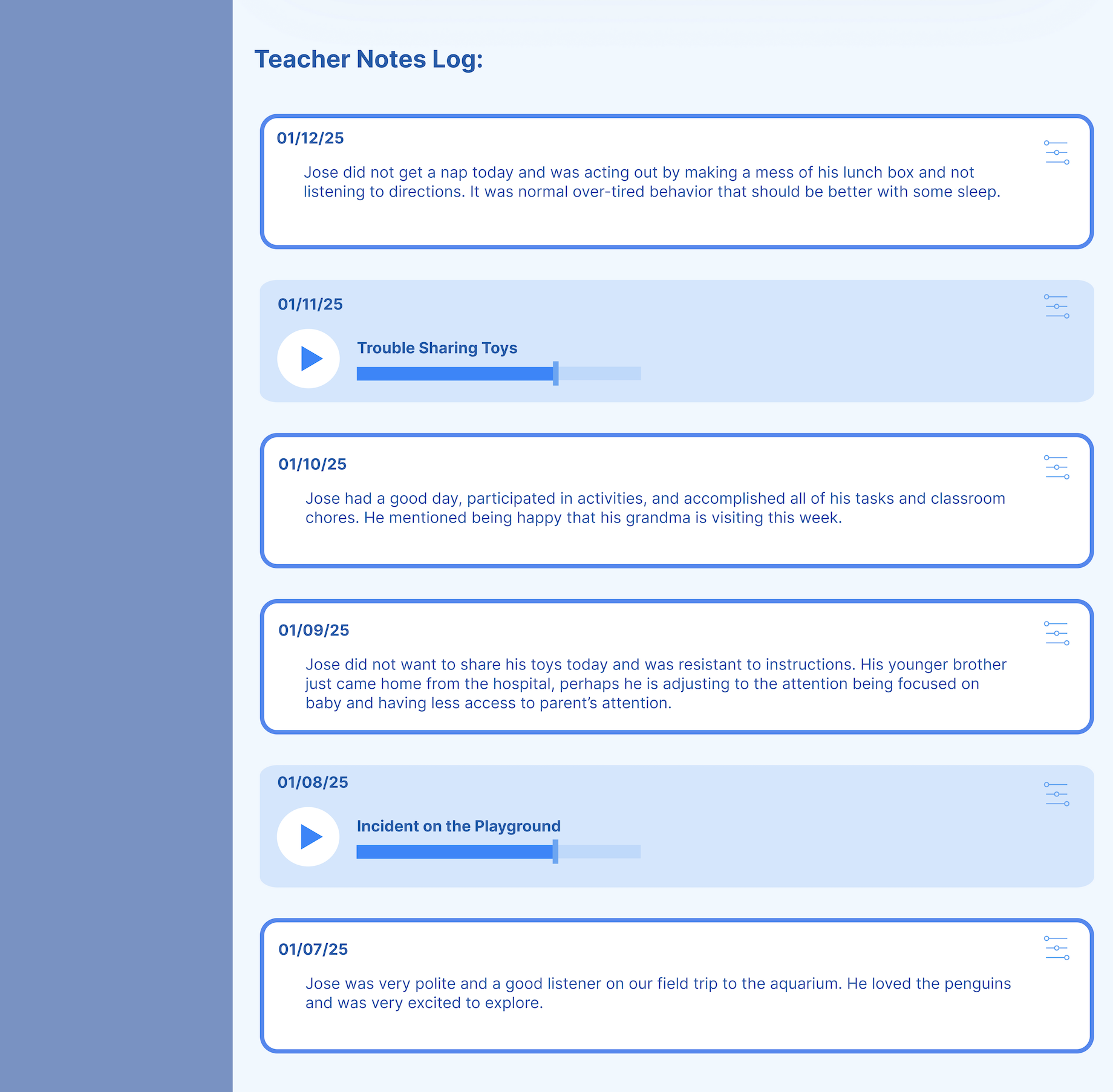
Voice-to-text and timestamped notes for teacher documentation
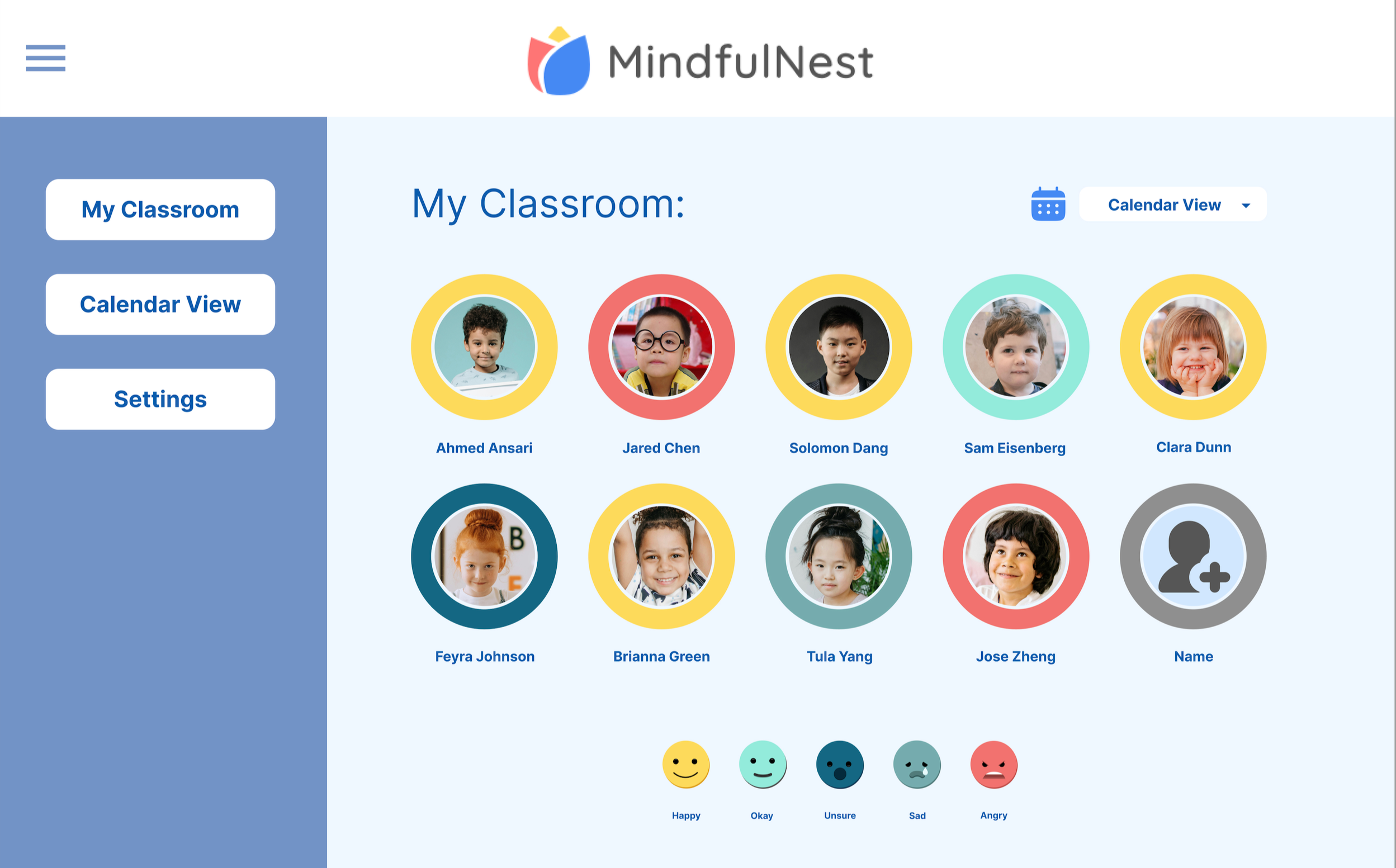
A morning check-in feature with classroom-wide emotional snapshots
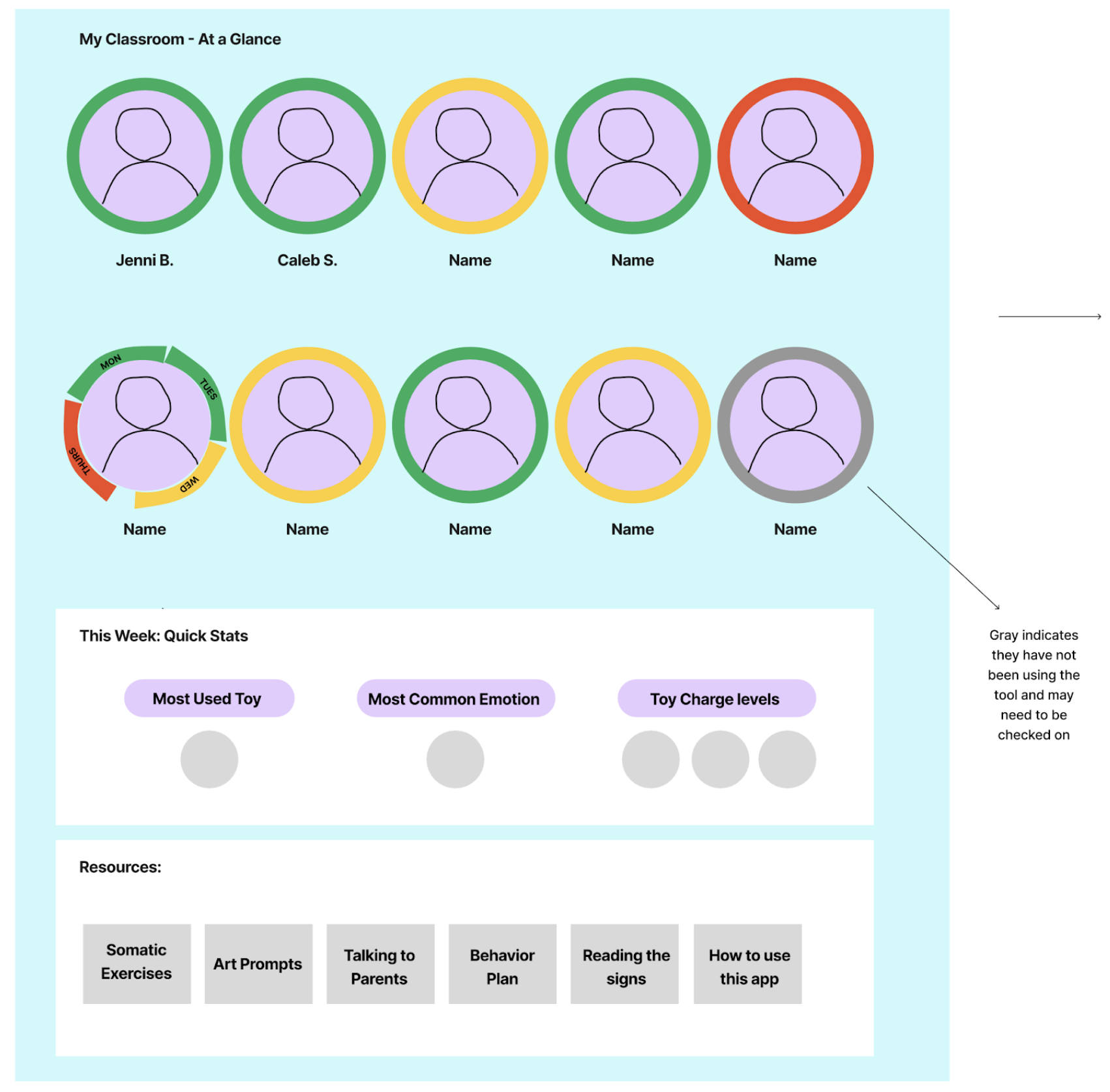
Improved home page experience with quick and easy access to data on student’s current and historic emotional states.
ITERATIONS:
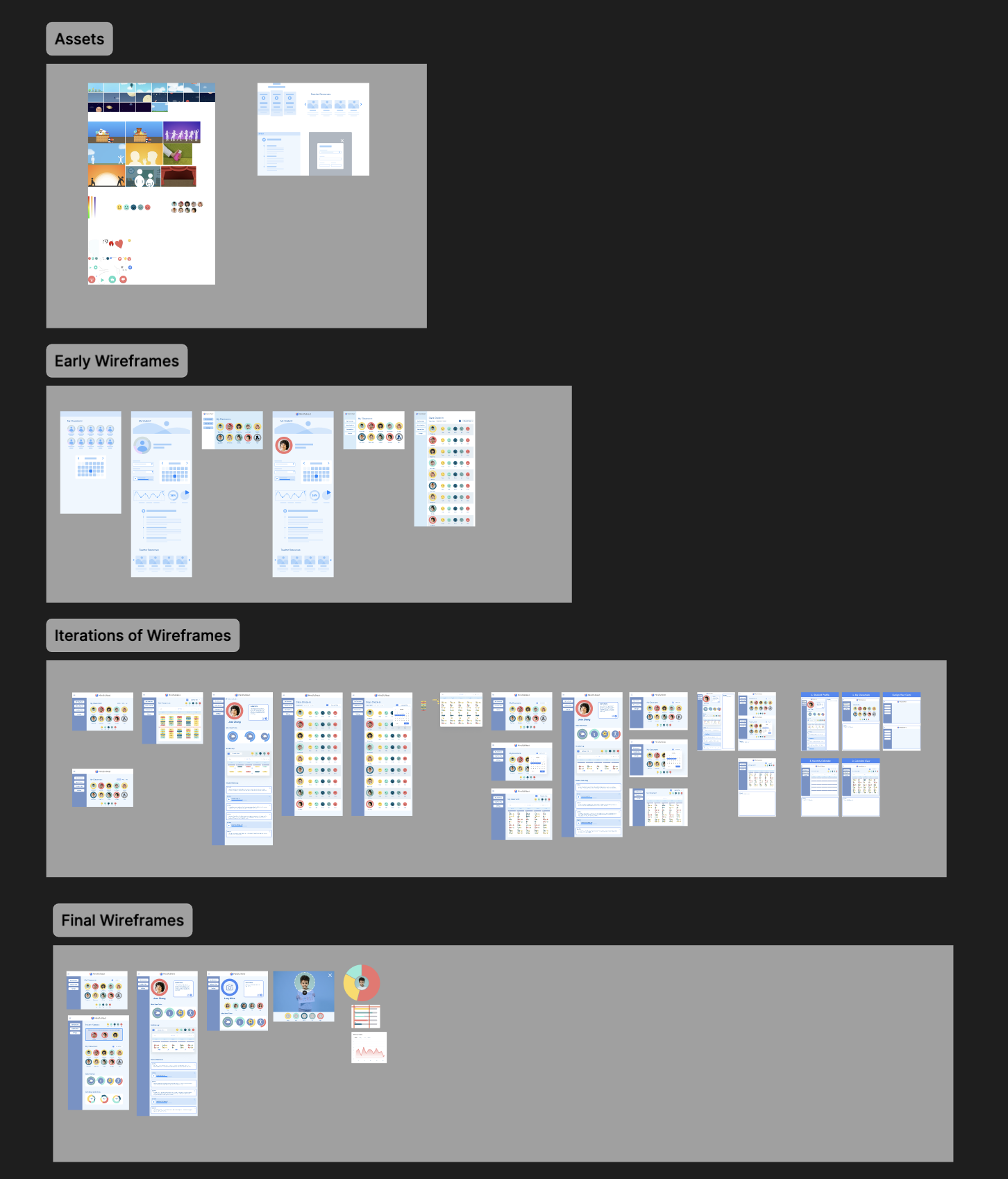
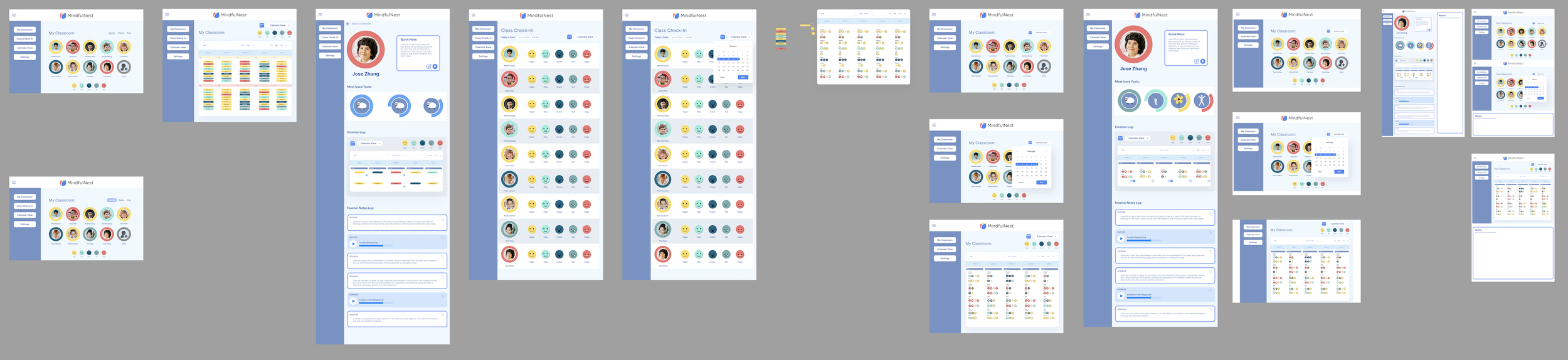
I incorporated feedback from the team and experimented with multiple options for calendar view and learned that integrating the emotional identification into the daily check-in routine would take away from the purpose of the emotional intervention that aims to help students identify their own emotions and then go through the rest of the flow. The team felt that isolating the emotional identification would take away from the association being built through the existing flow.
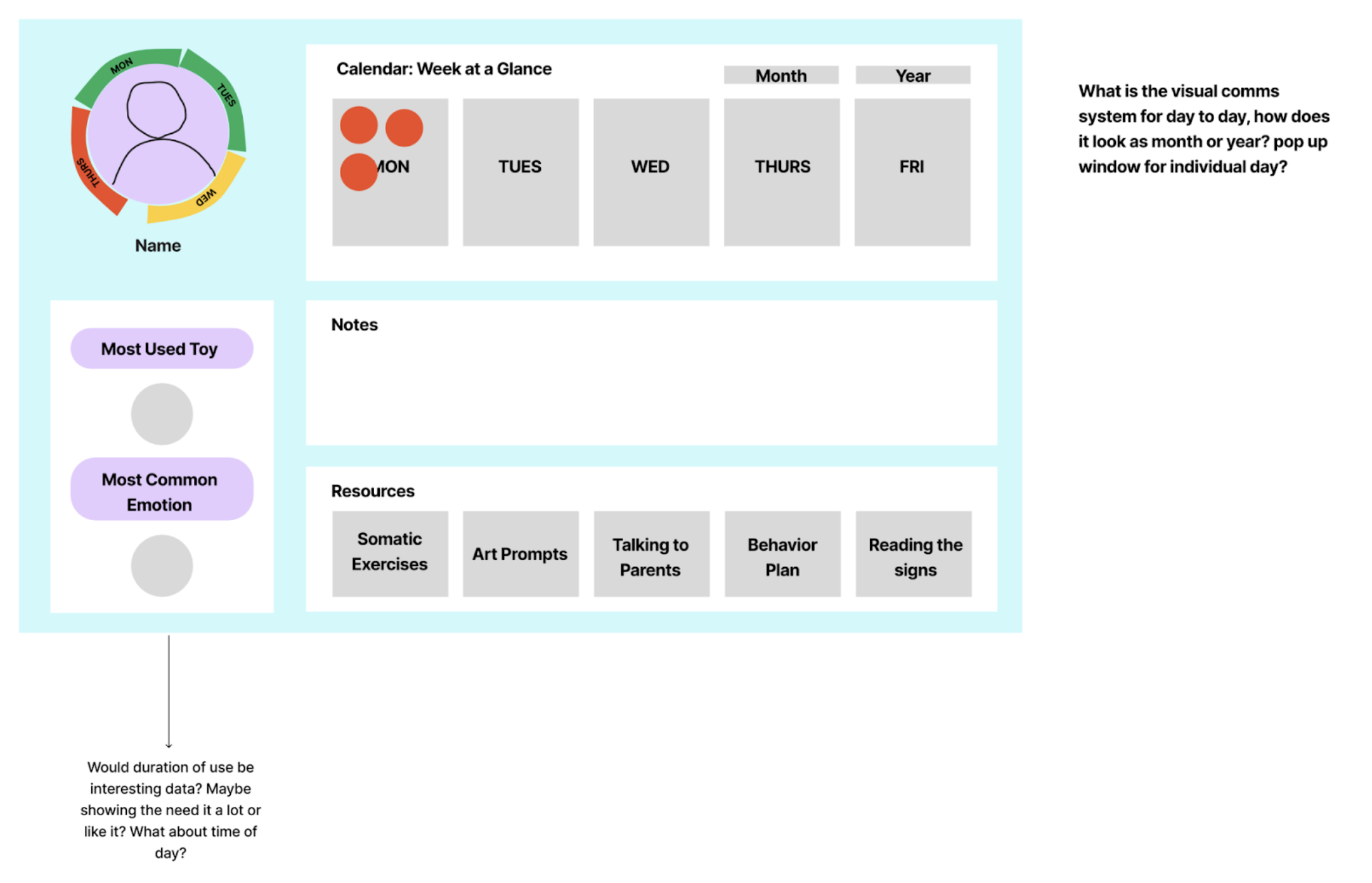
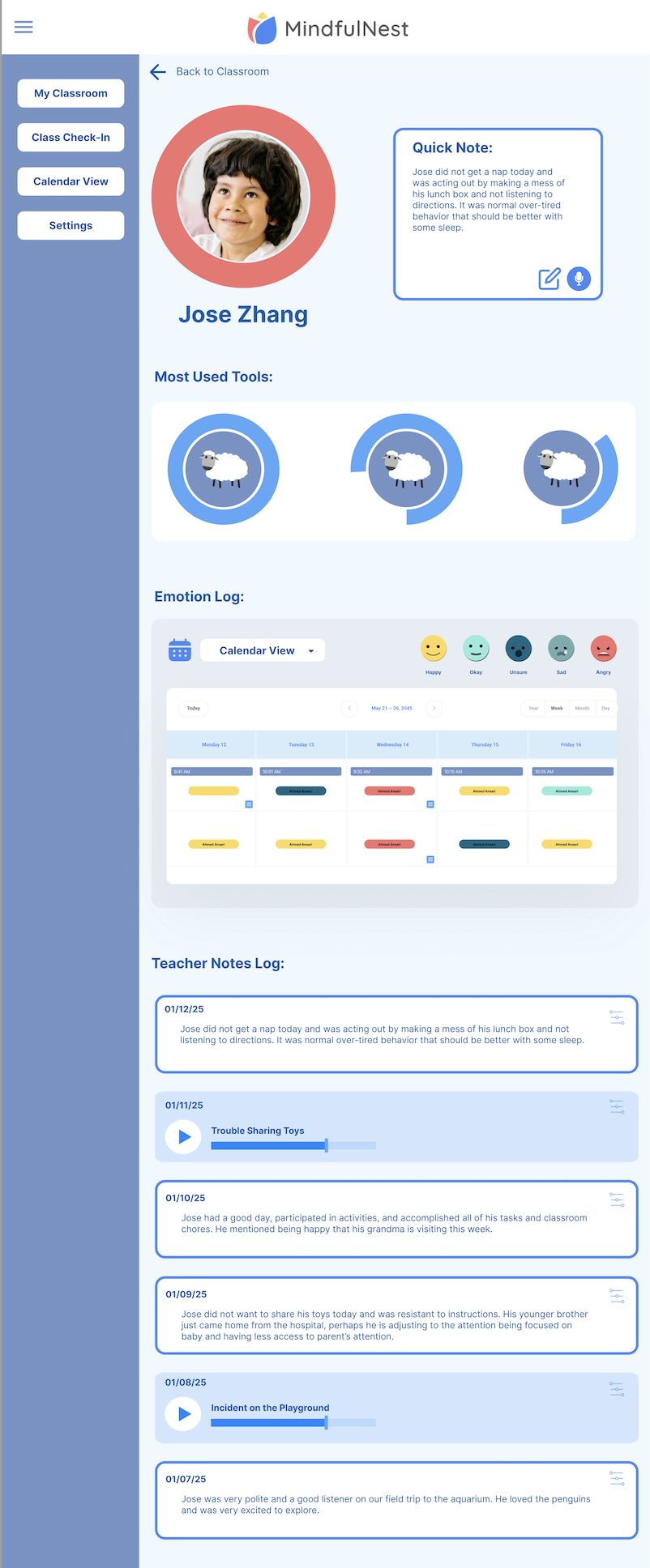
Student profiles that use data visualization to give teachers quick and easy access to emotions they identified and mindful activities they used. Additional voice text and time stamping added to note taking feature.
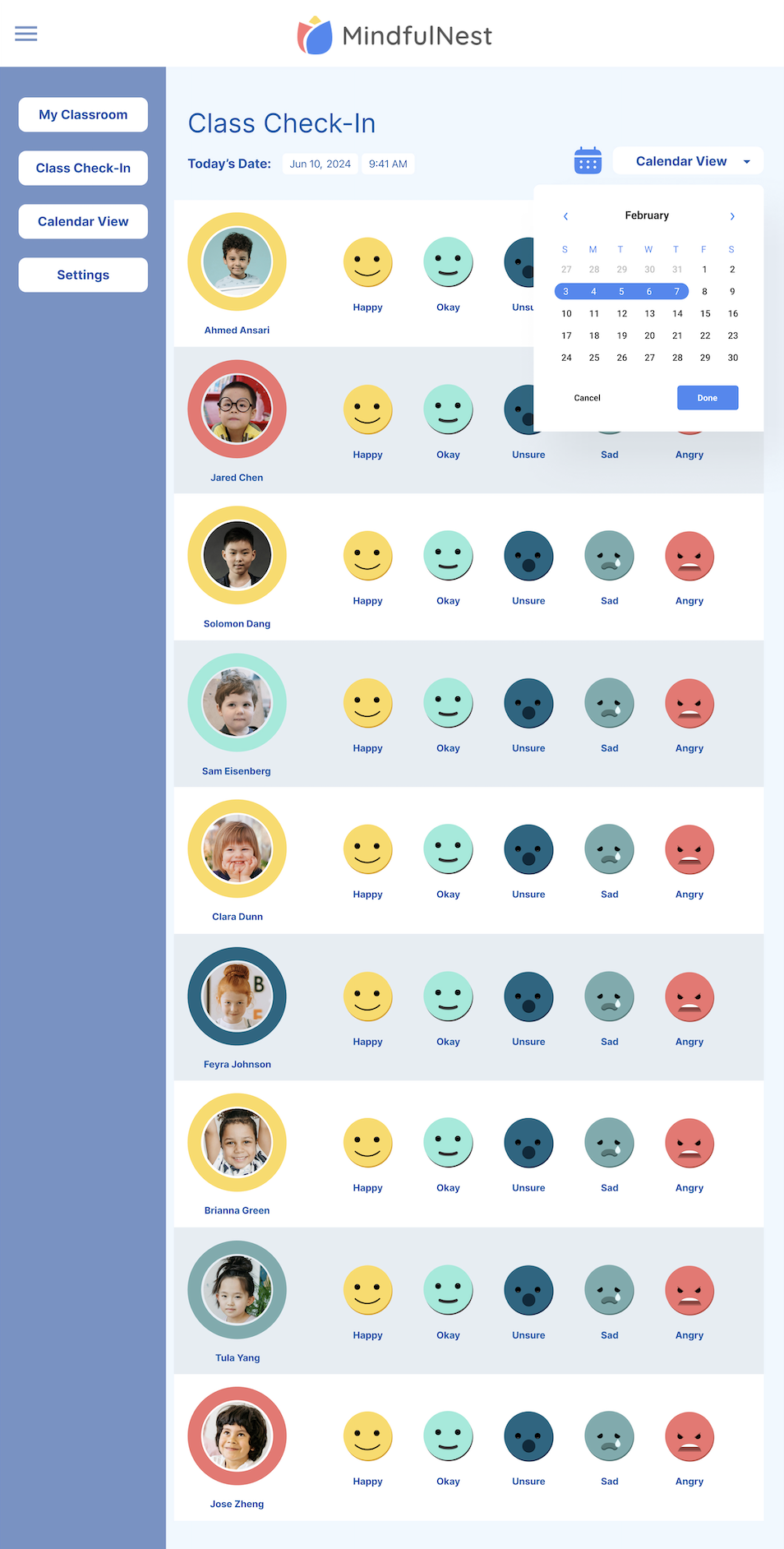
Morning routine for class check where teacher would do role call and select emotion on behalf of students.
USER TESTING
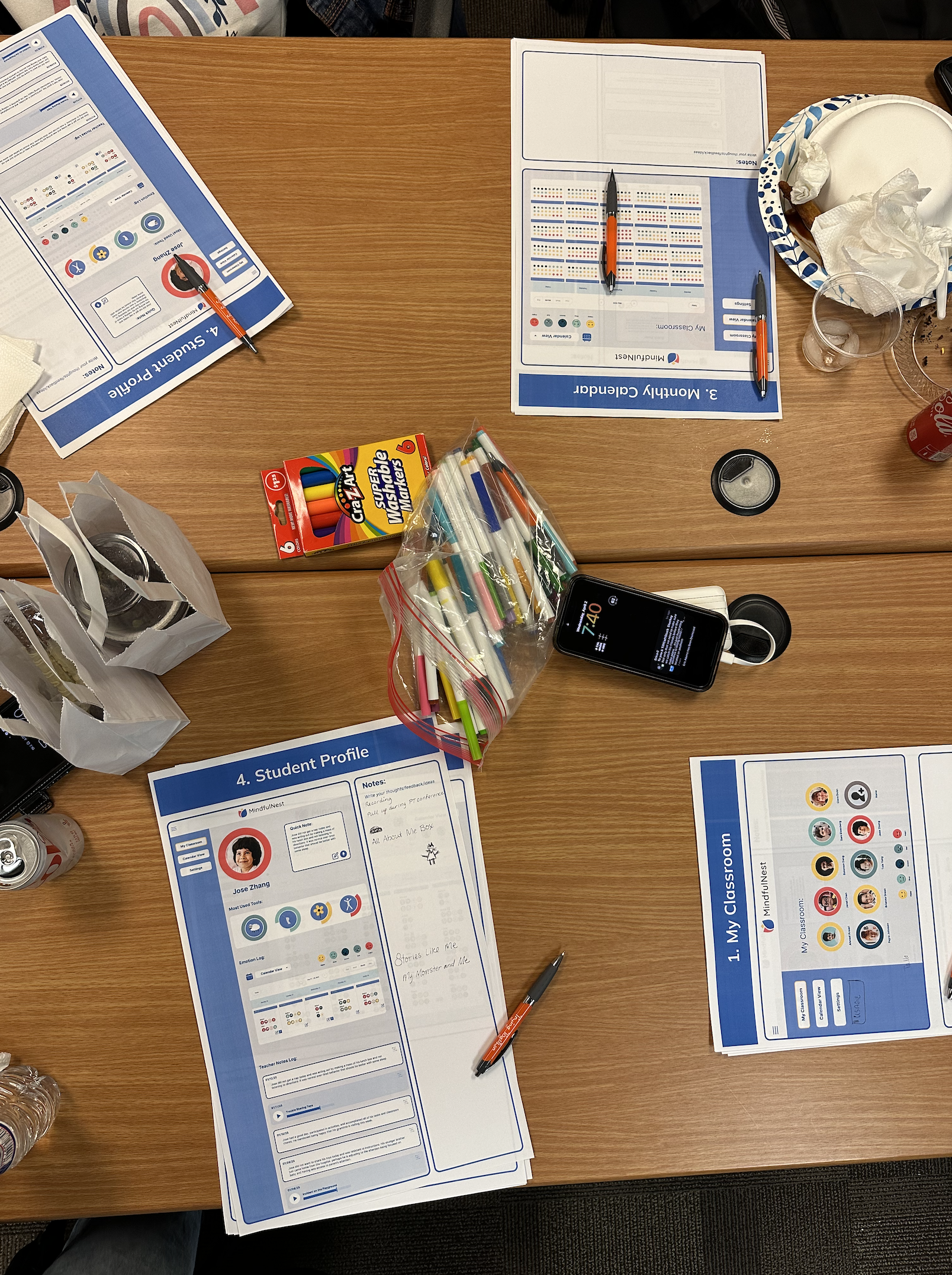
We held a workshop with the staff of MindfulNest’s partner nonprofit, TryingTogether, and presented these wireframes to teachers inviting them to add their feedback and make suggestions.
Teachers expressed enthusiasm for immediate implementation of these features.

TAKEAWAYS
Teachers loved the ability to see the frequent emotional data of students in order to quickly assess the emotional tone of the classroom or see if a student is being overlooked. They expressed a desire to flag students who may need attention at the top of the page and asked for easier to read data visualization. They expressed a need to integrate the data with other teacher administrative technologies for writing reports and to be able to access MindfulNest data on a desktop computer. These technological concerns were out of scope for this iteration but I was pleased to discover that the improved UI was well received.
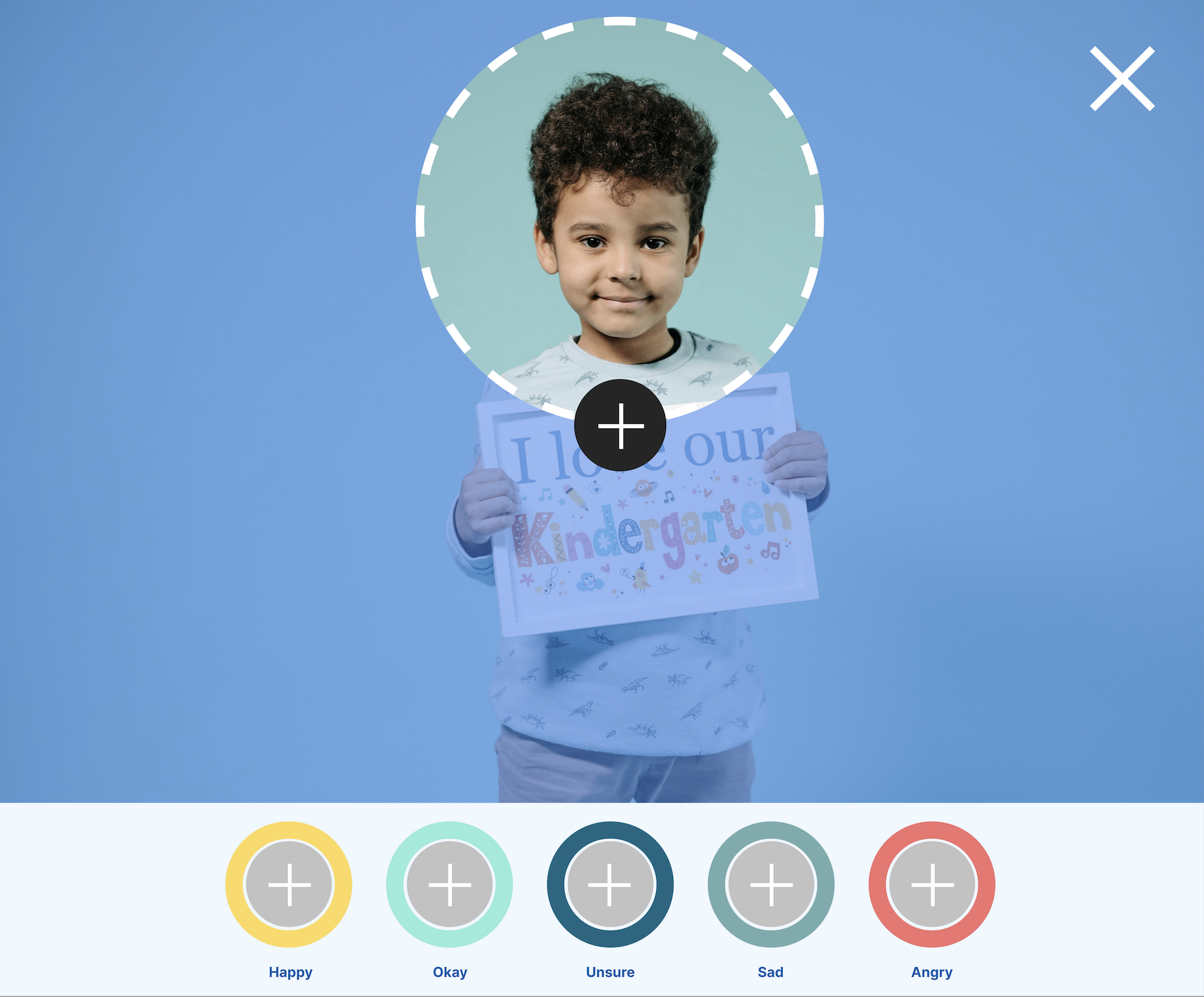
One teacher suggested having students make their own emotion icon faces to personalize the app experience.
Outcomes:
This iterative process proved successful in the original ask to propose an updated UX for the teacher back-end of the app.
While designing and integrating these changes is currently out of scope, the potential and opportunity proved to be immense.
MindfulNest currently does wonders to support the SEL development of children but there is an enormous opportunity to help teachers support that development through administrative data.
The team was pleased with my contributions and I left them with a Figma file that could be iterated upon in the next phase.