HUMANS/NATURE
Photography as a Mindfulness Practice | Solo Project
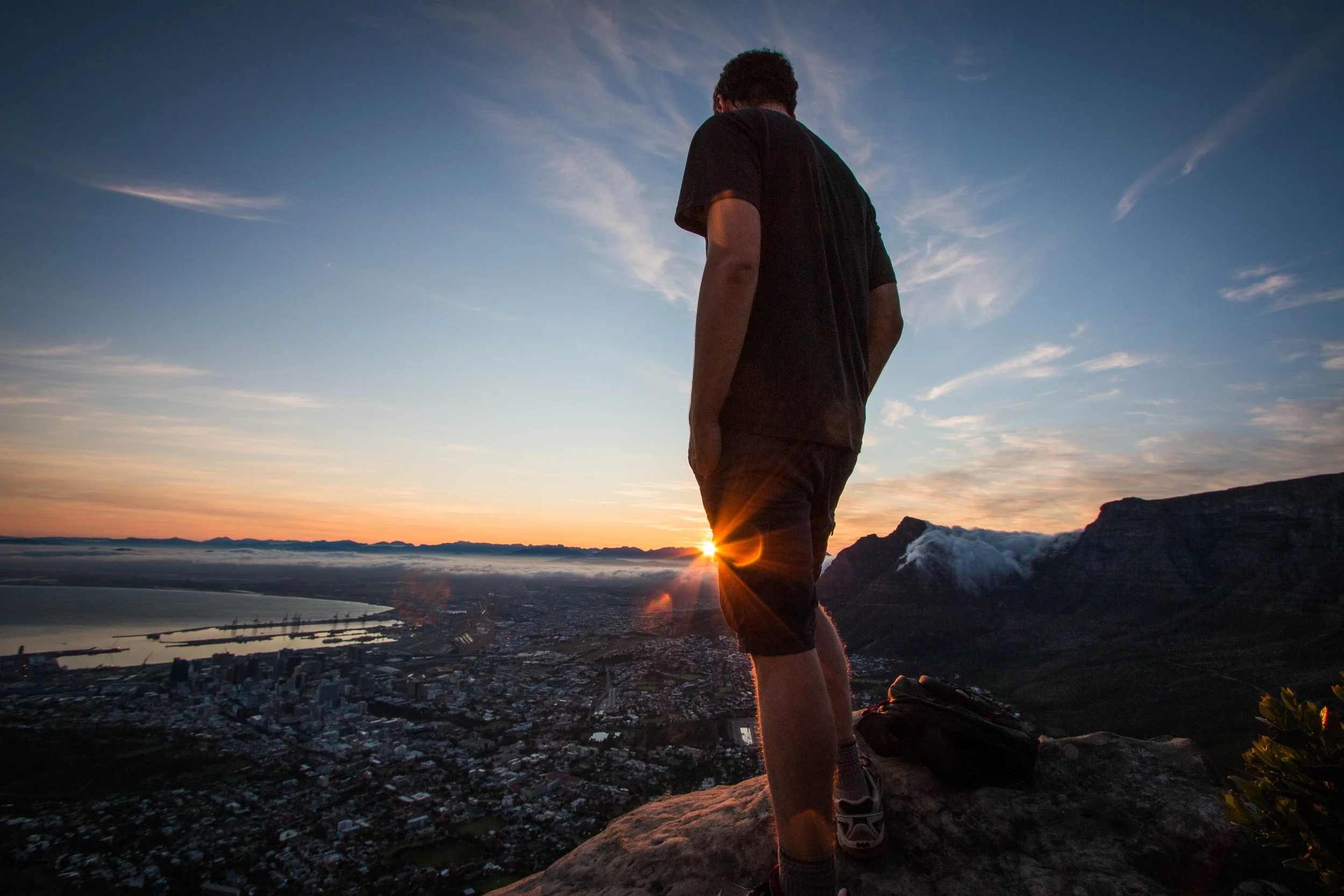
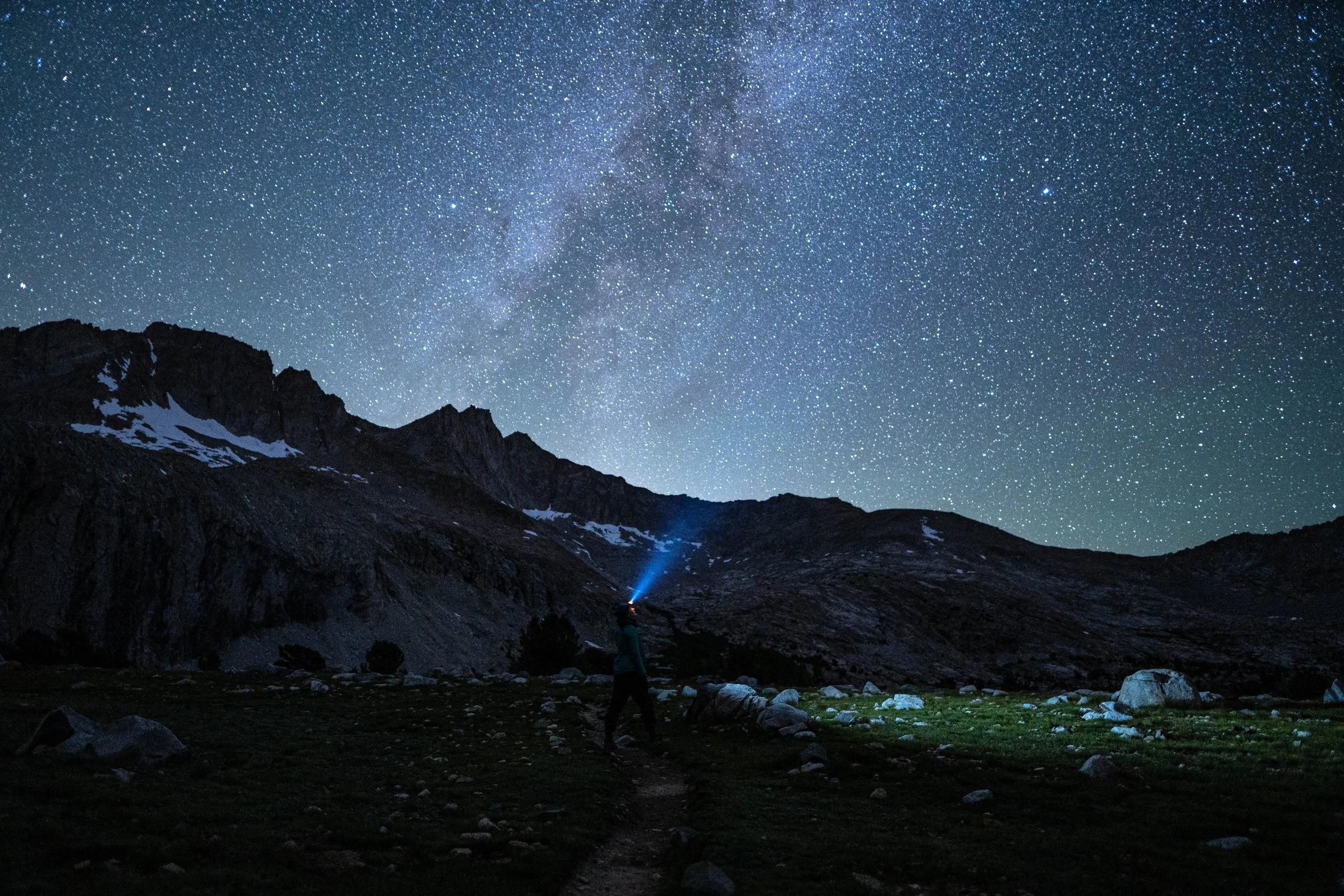
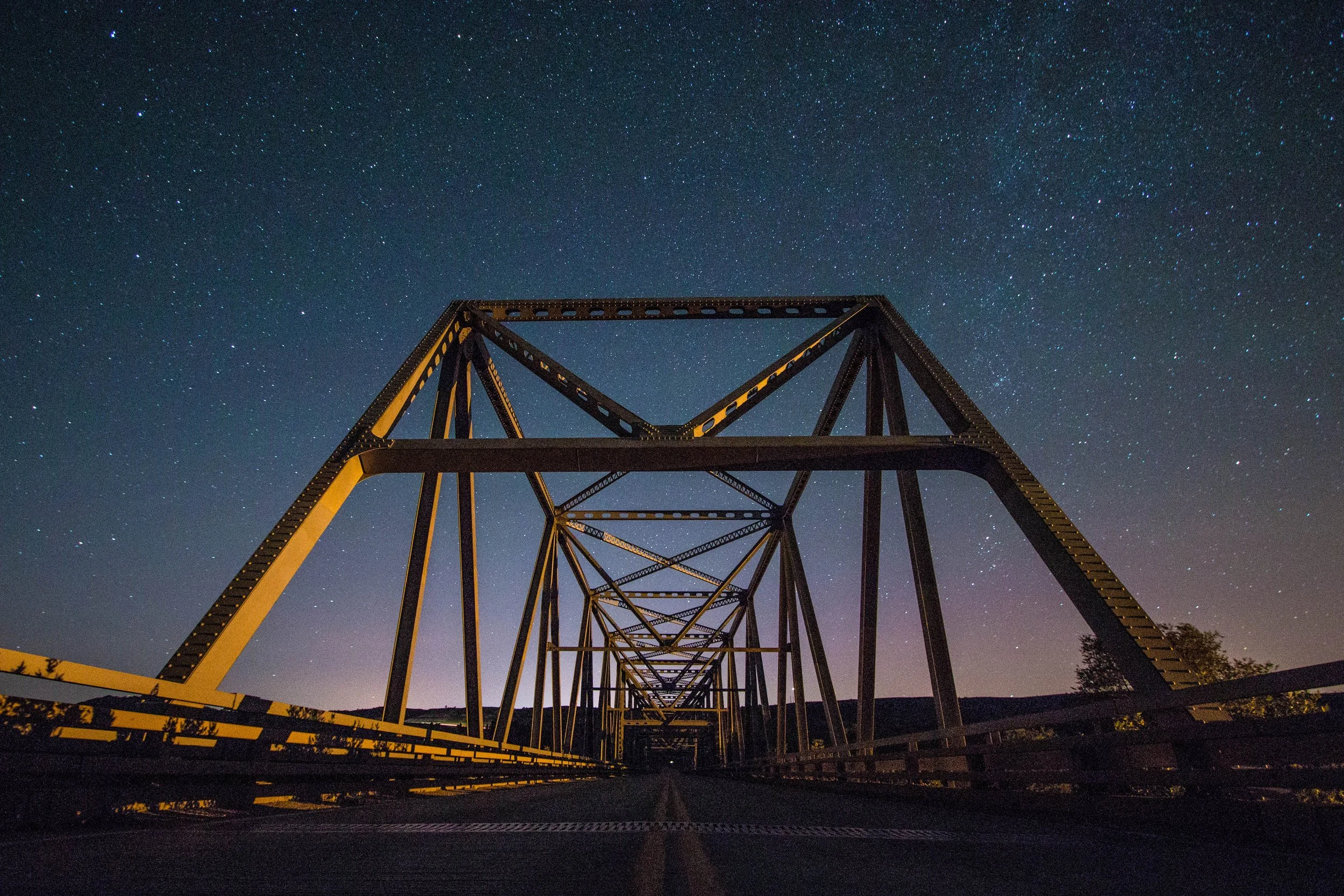
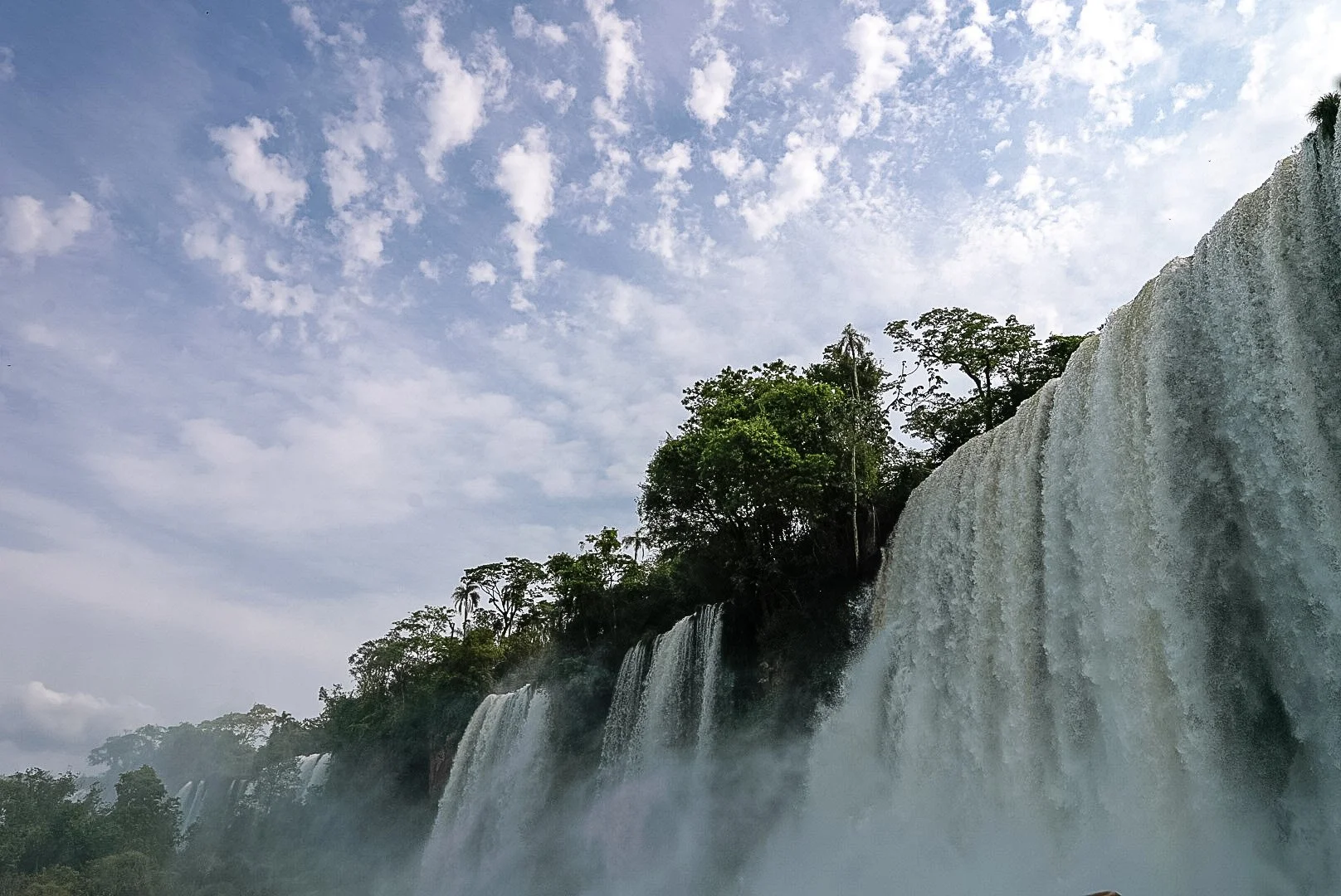
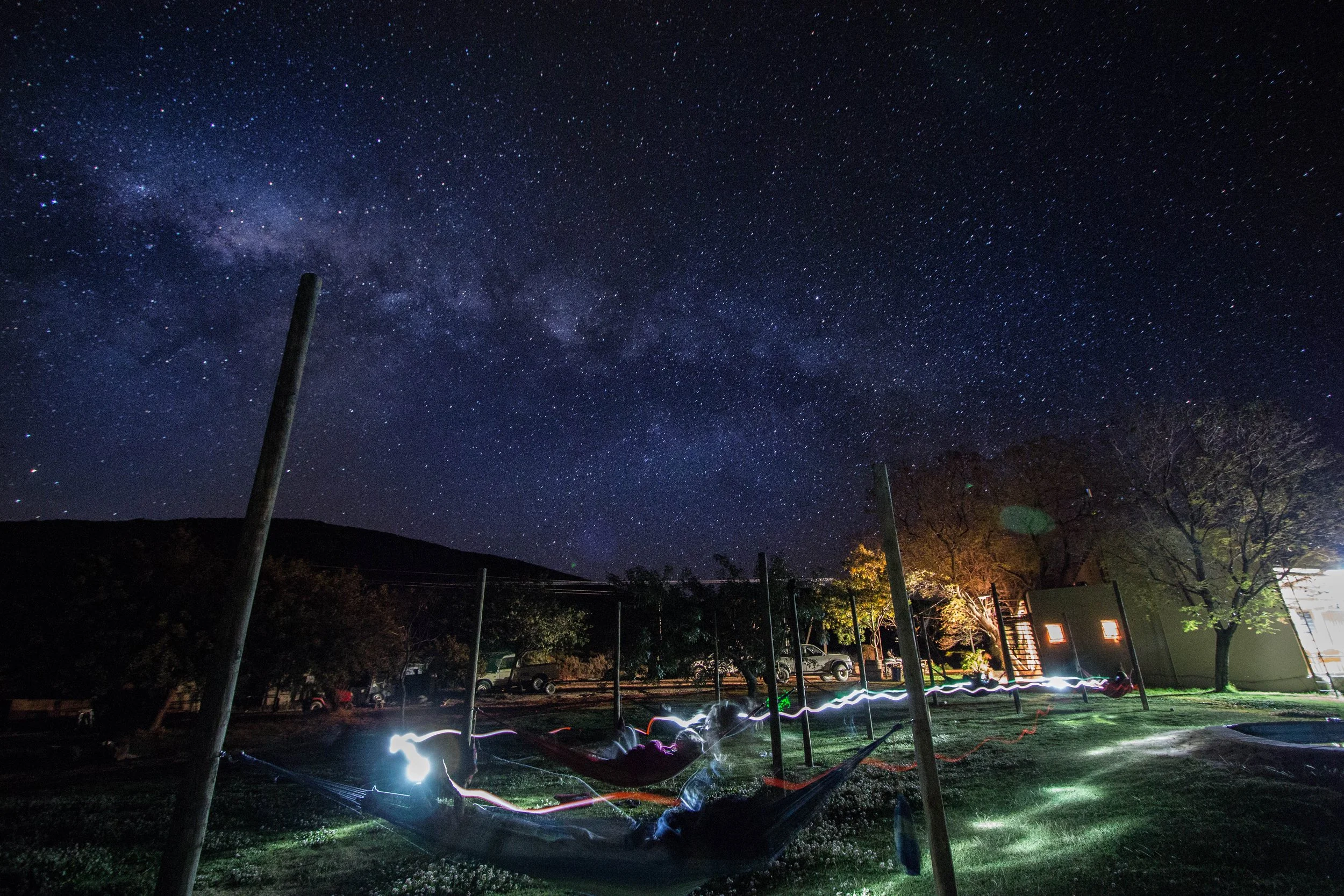
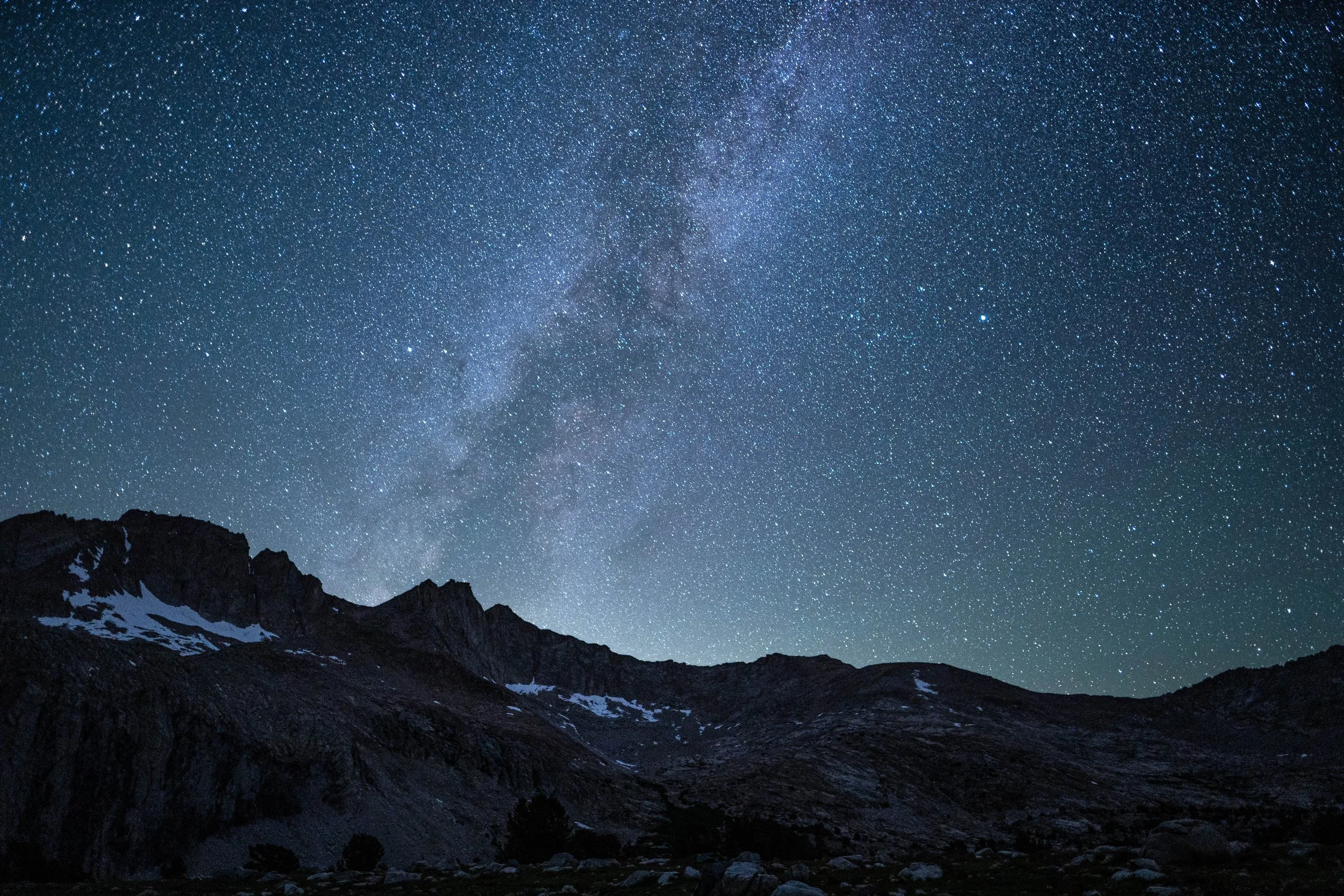
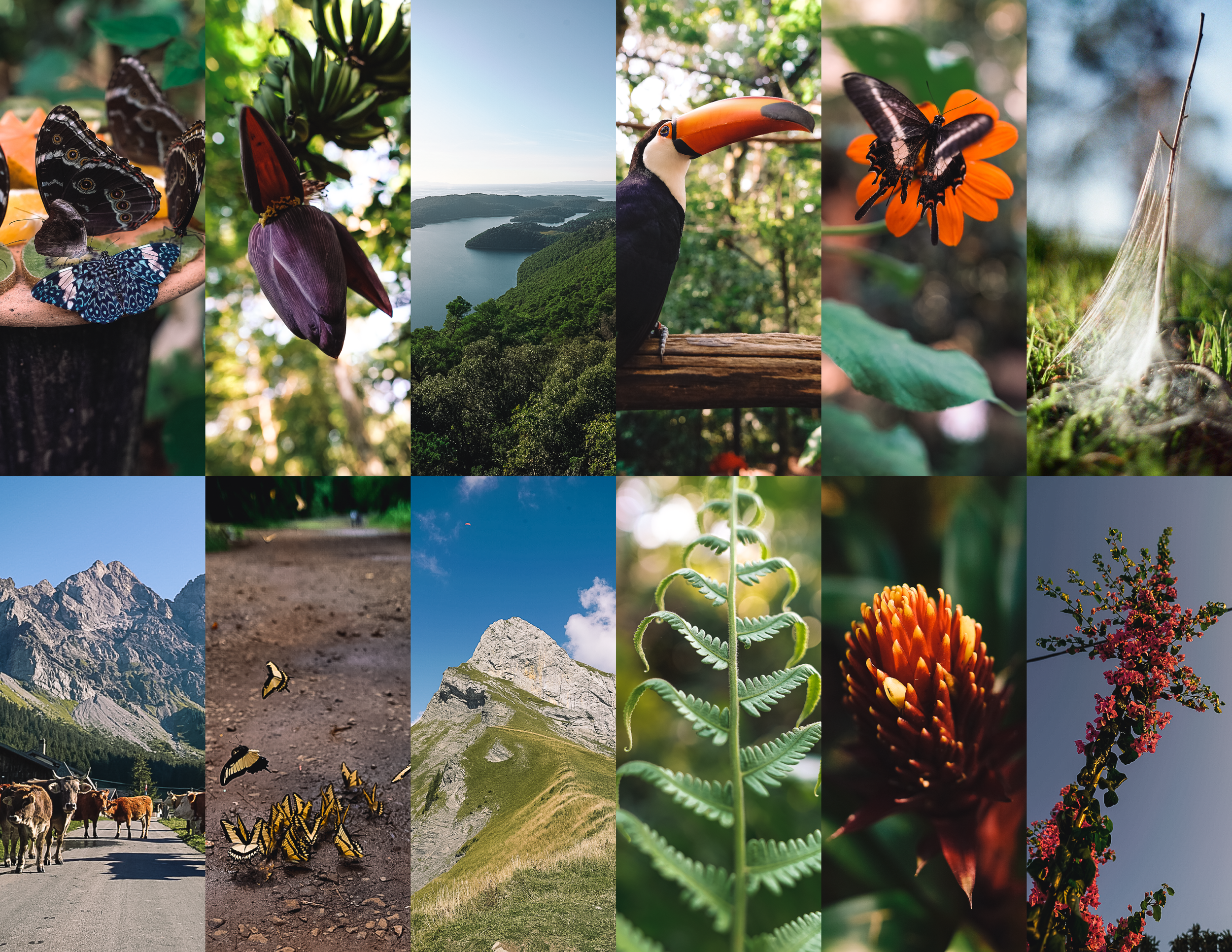
Capturing a great photo takes focus, curiosity, and the ability to be present in the moment. This collection of my photography showcases how I use photography as a medium for meditation. Each collection adheres to a theme of mindfulness while displaying my eye for detail, color, and framing. This series offers suggestions for how others might also use this creative outlet as a grounding tool.
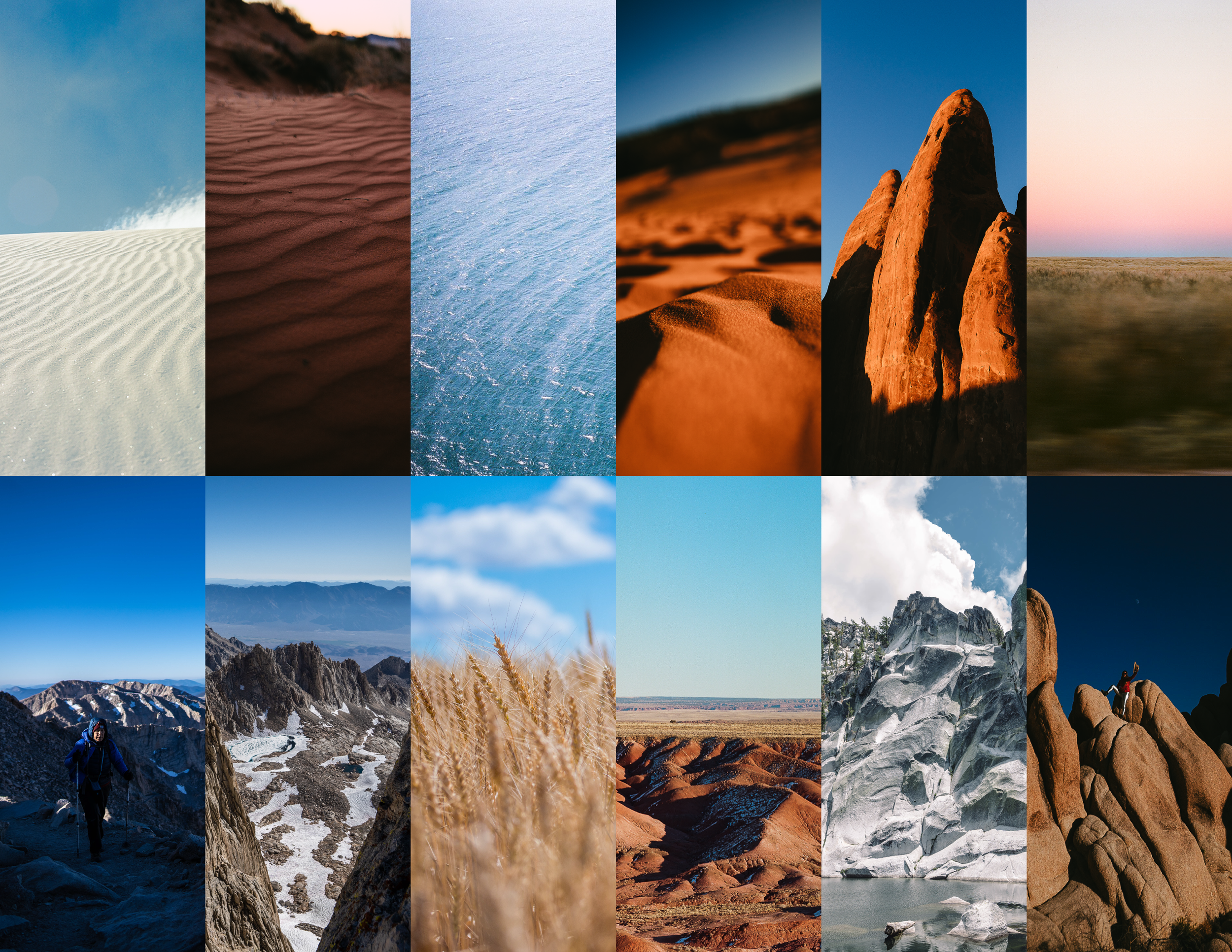
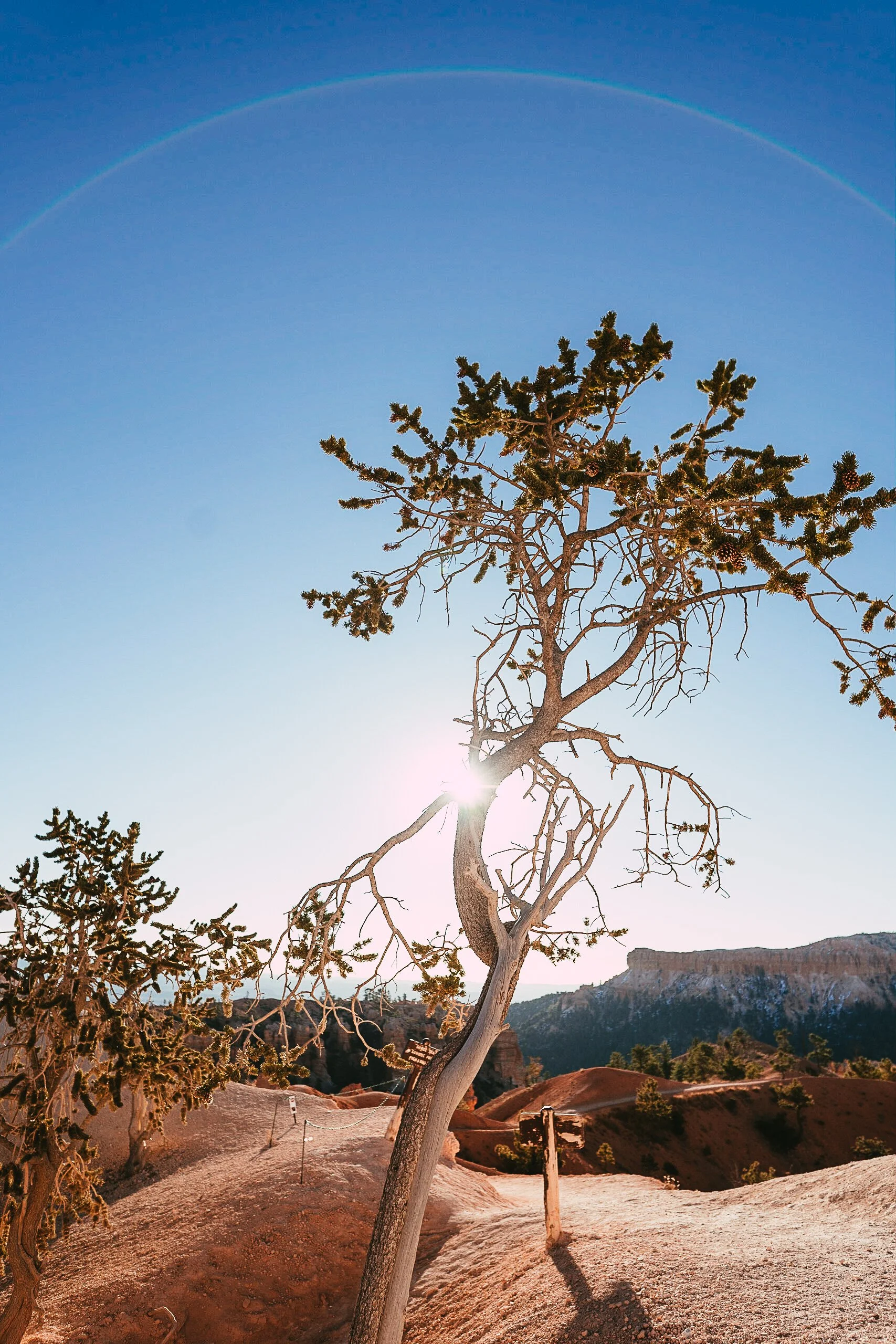
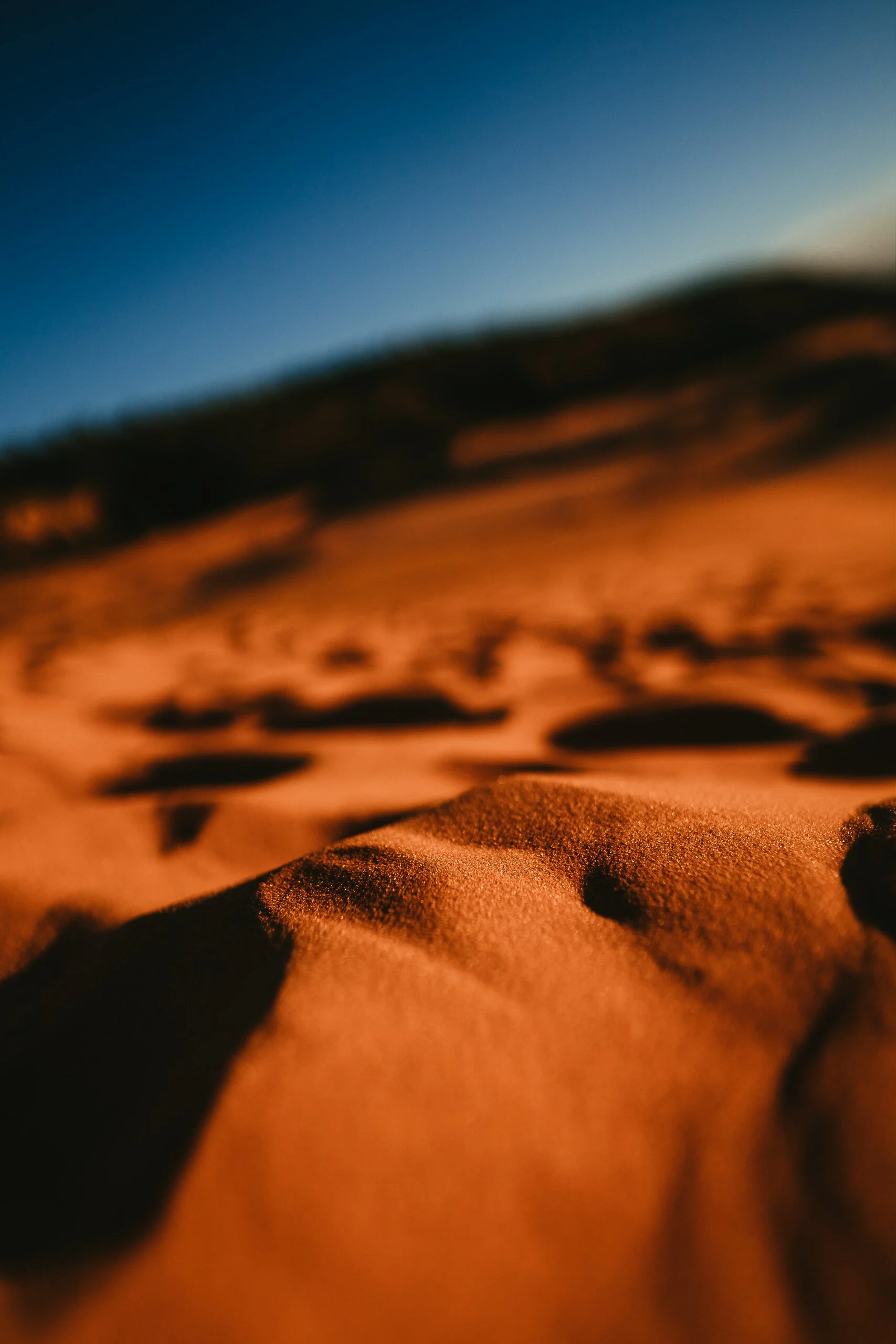
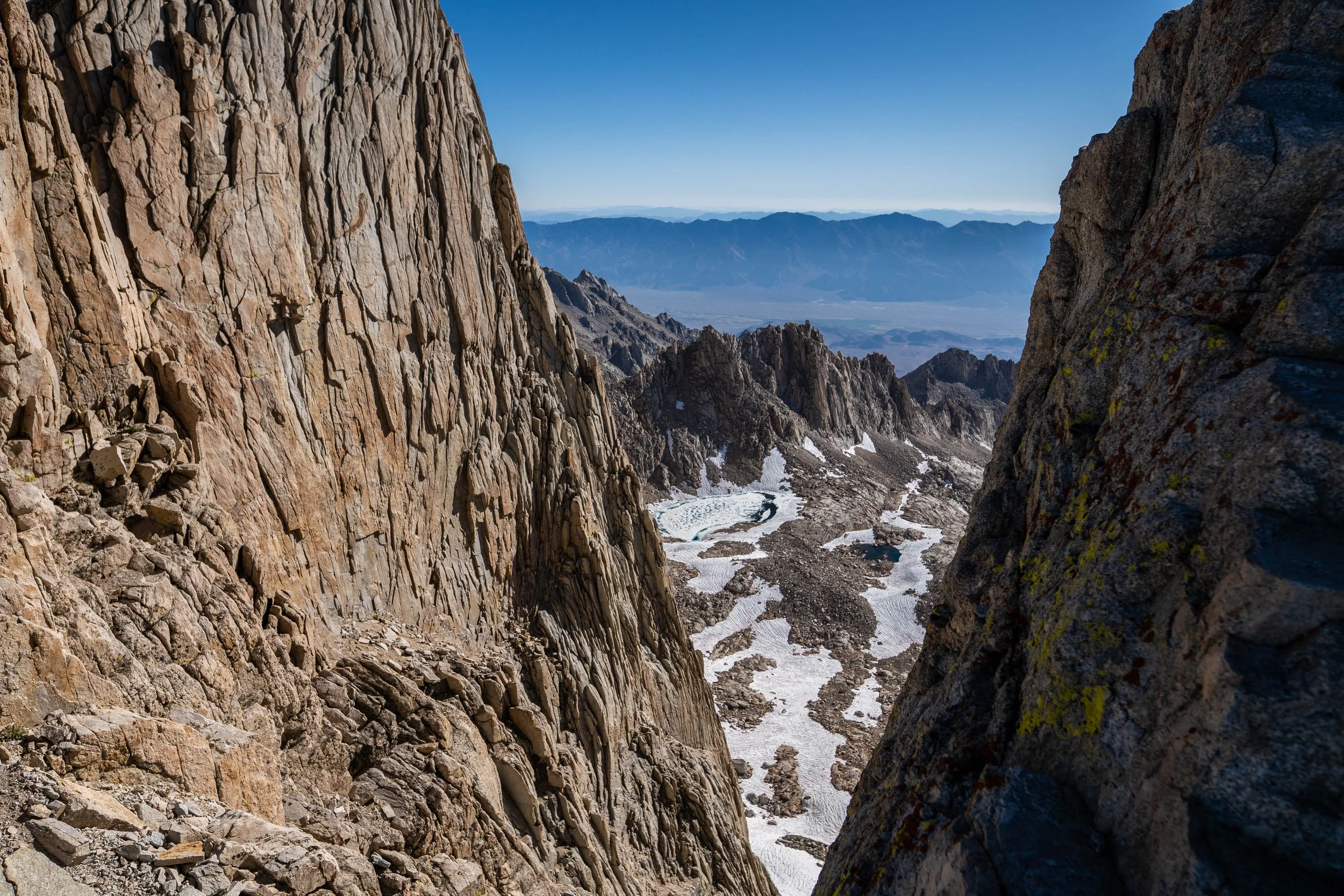
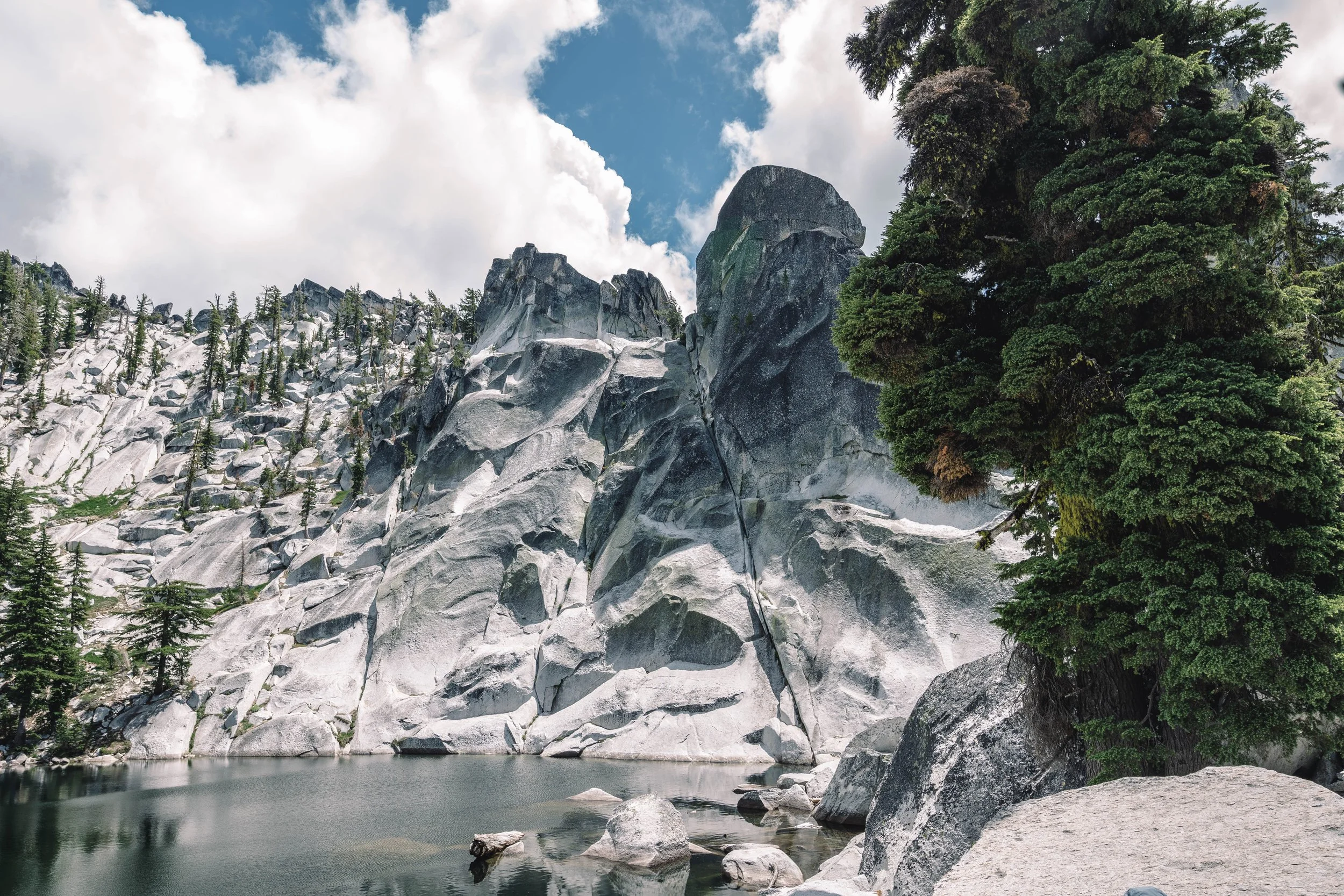
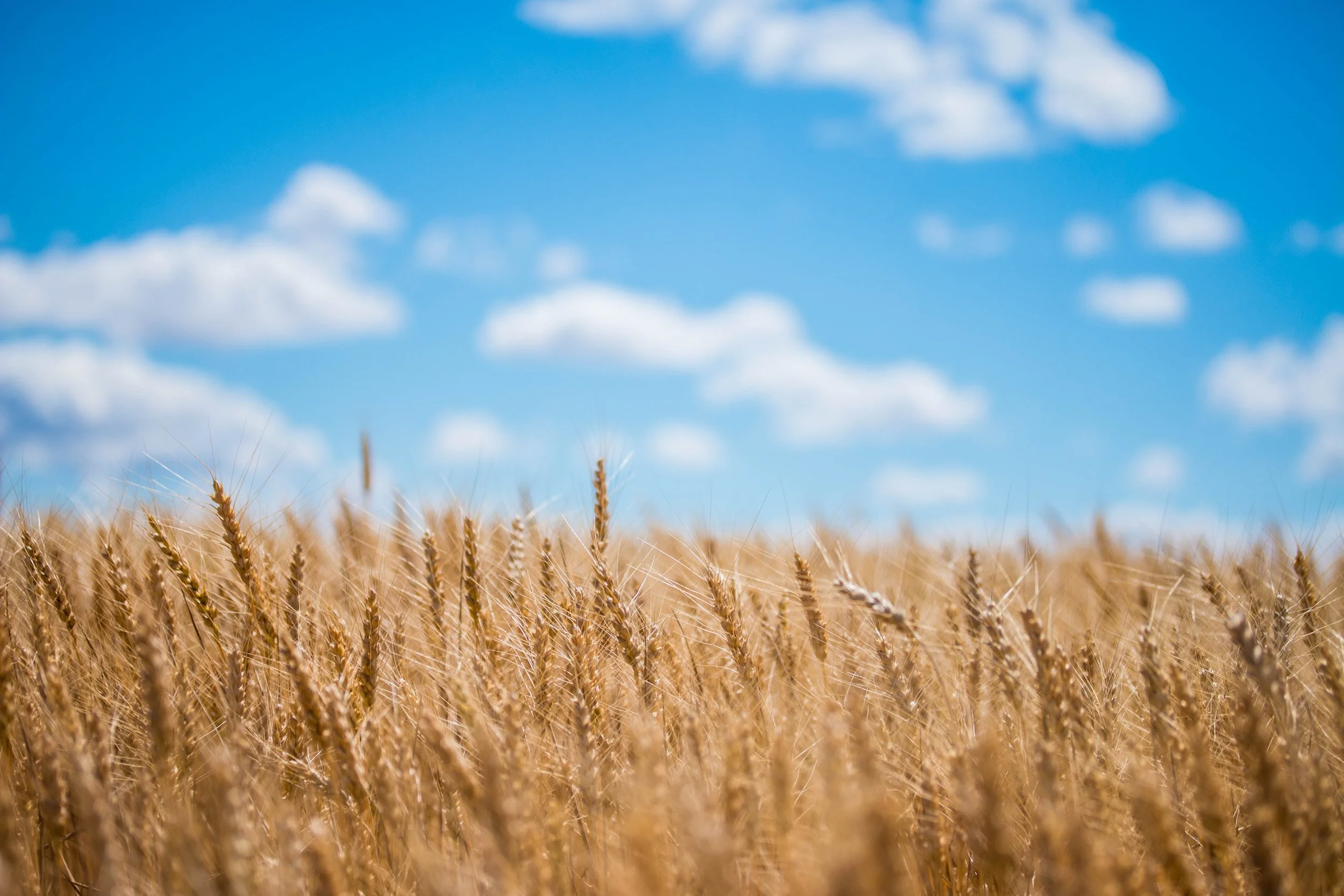
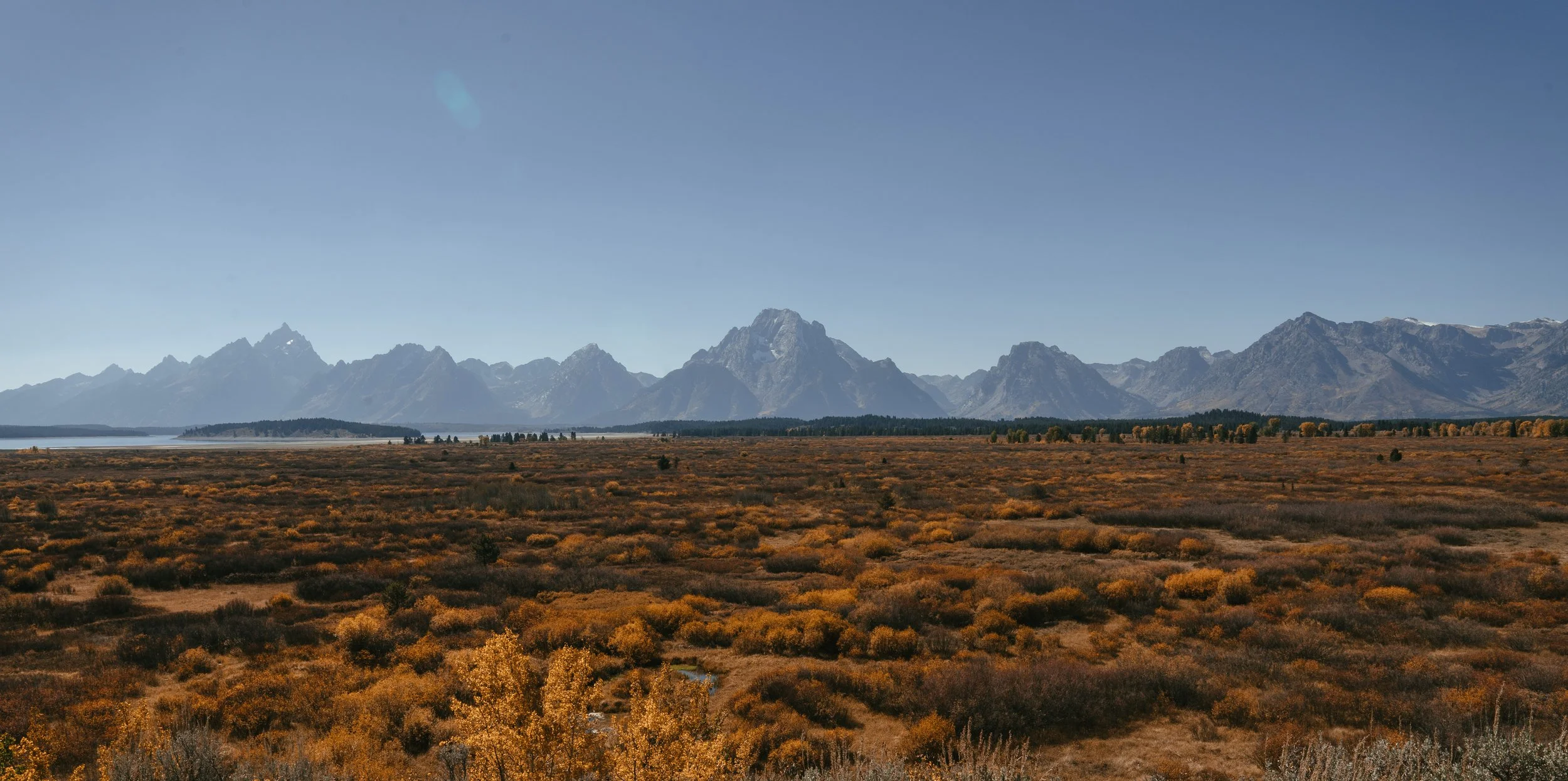
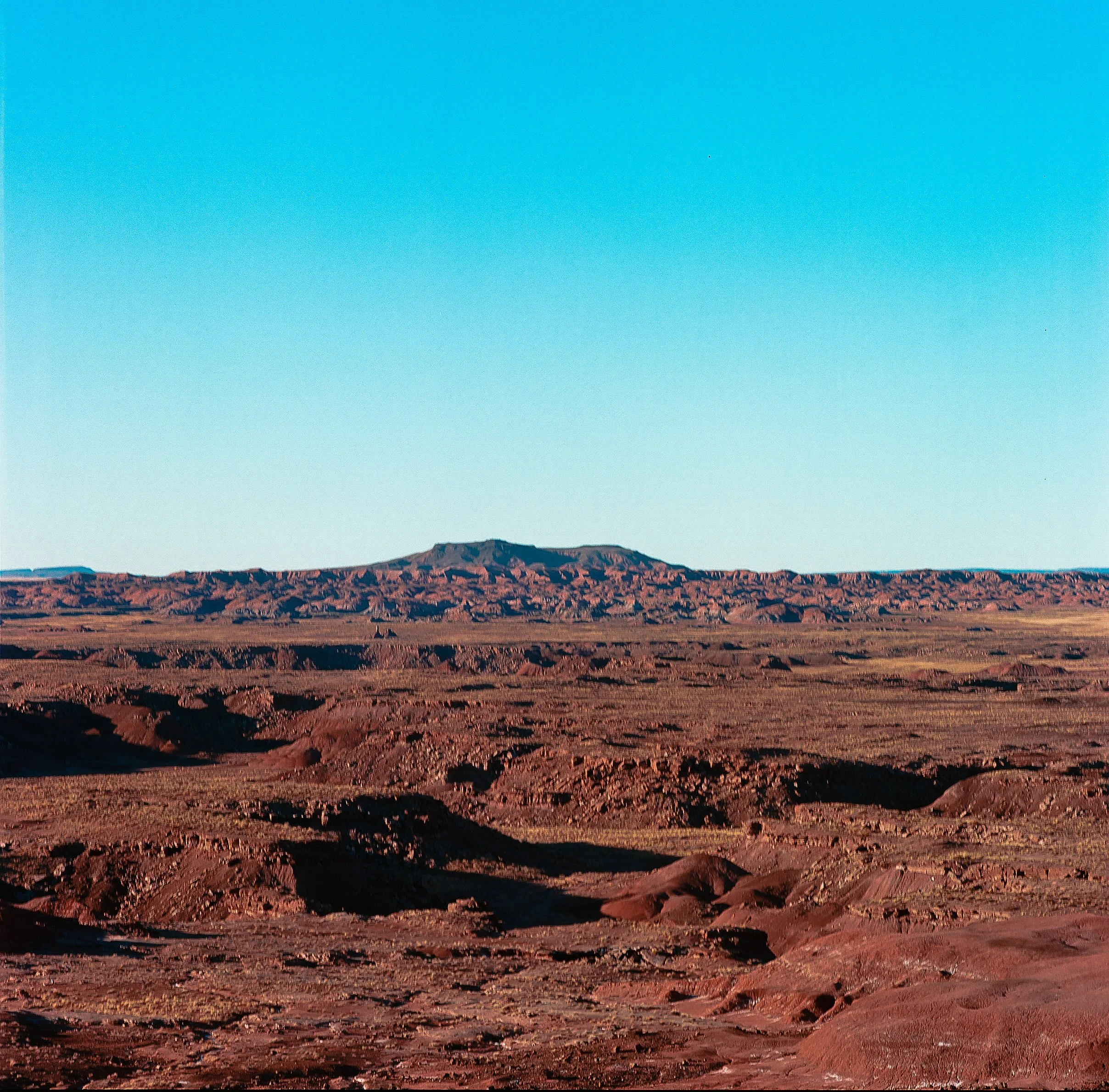
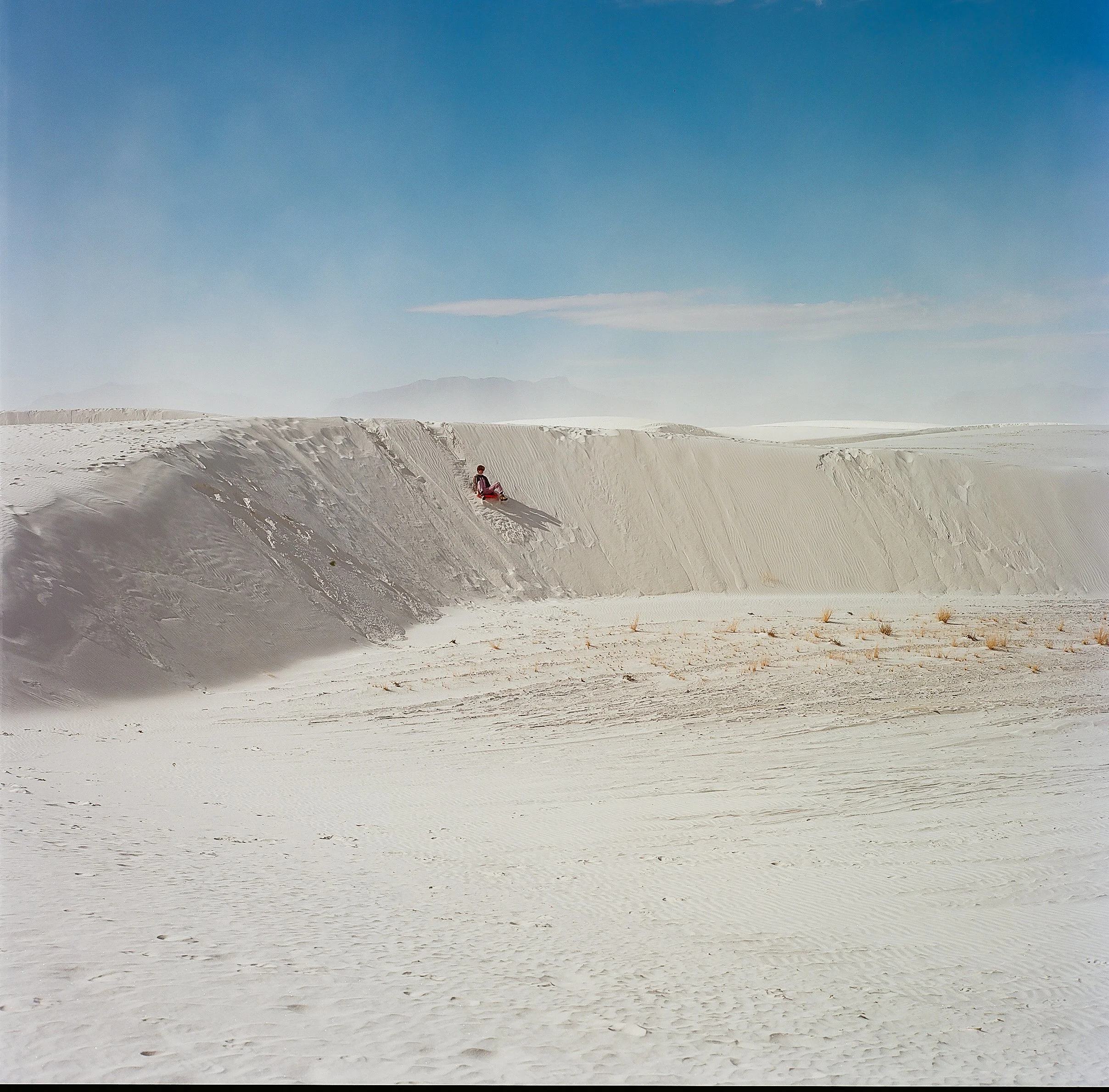
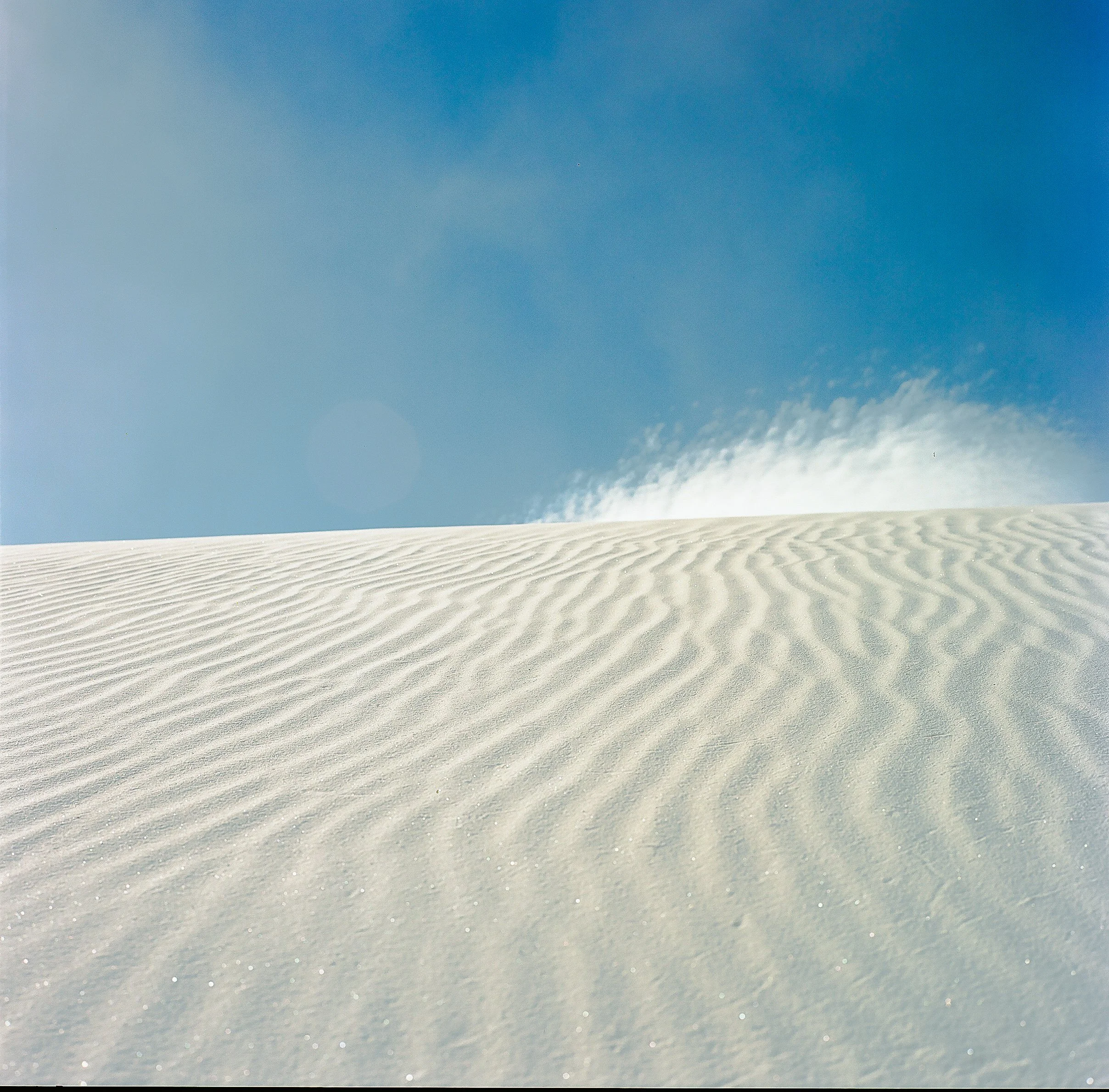
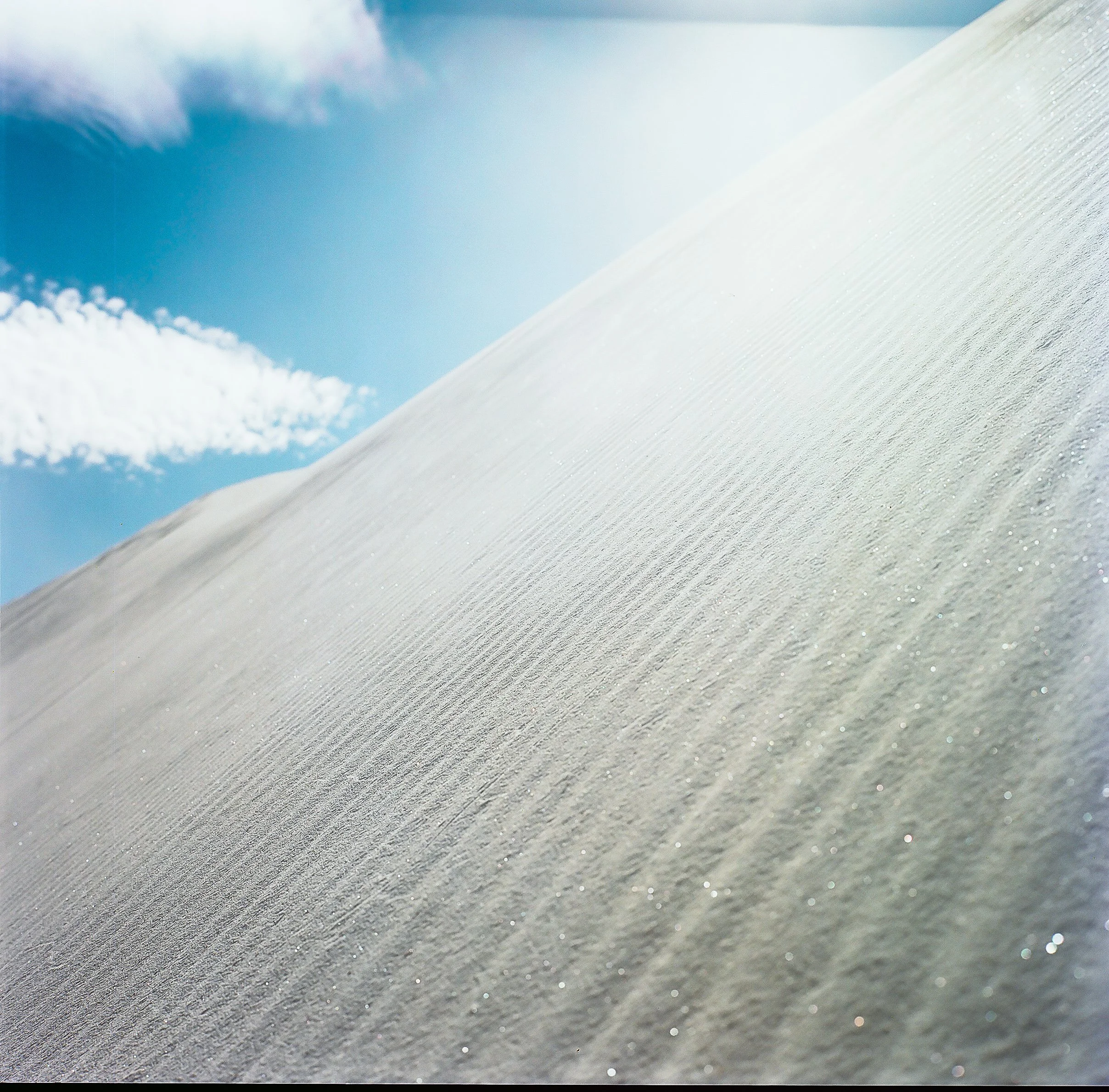
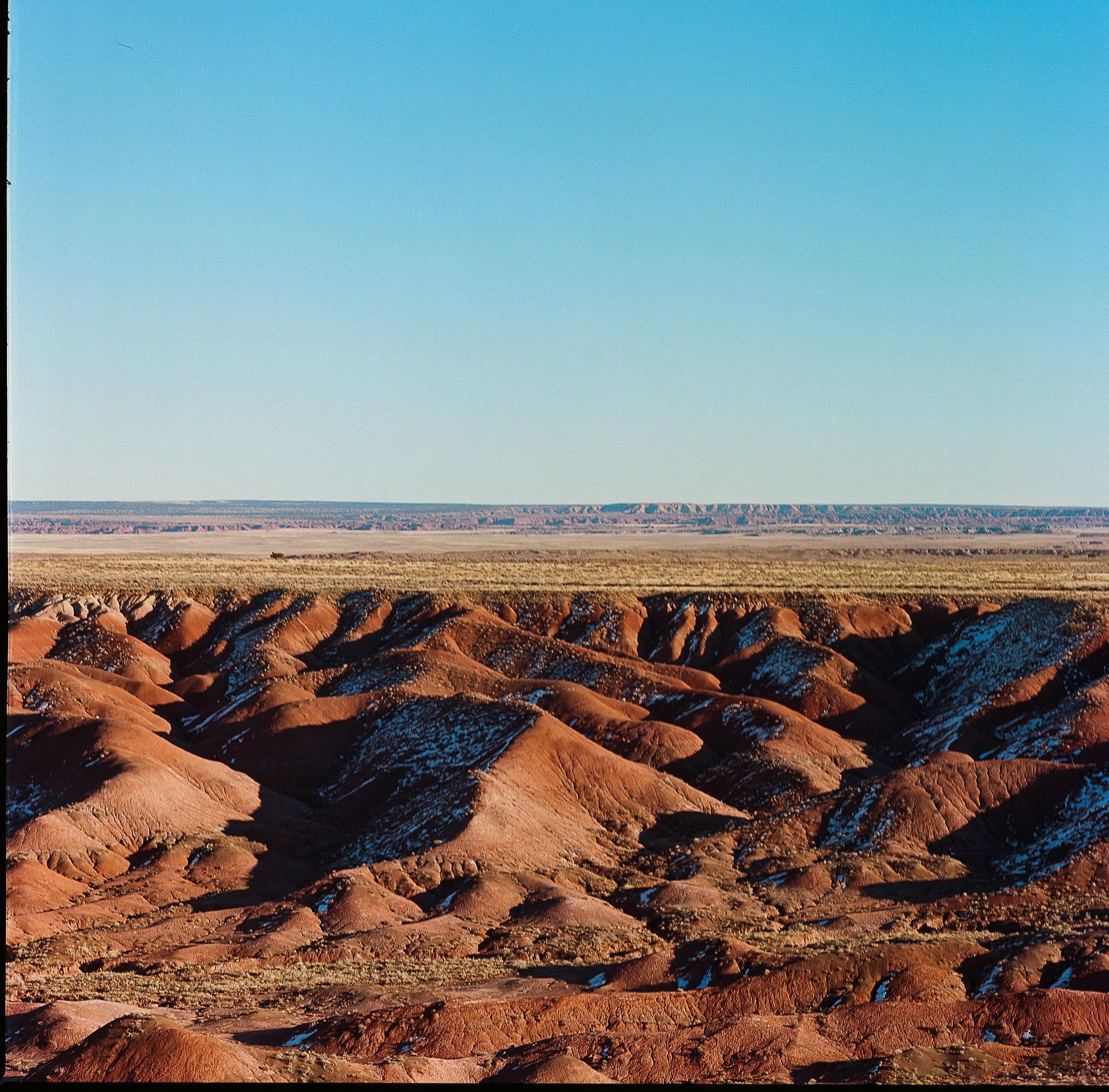
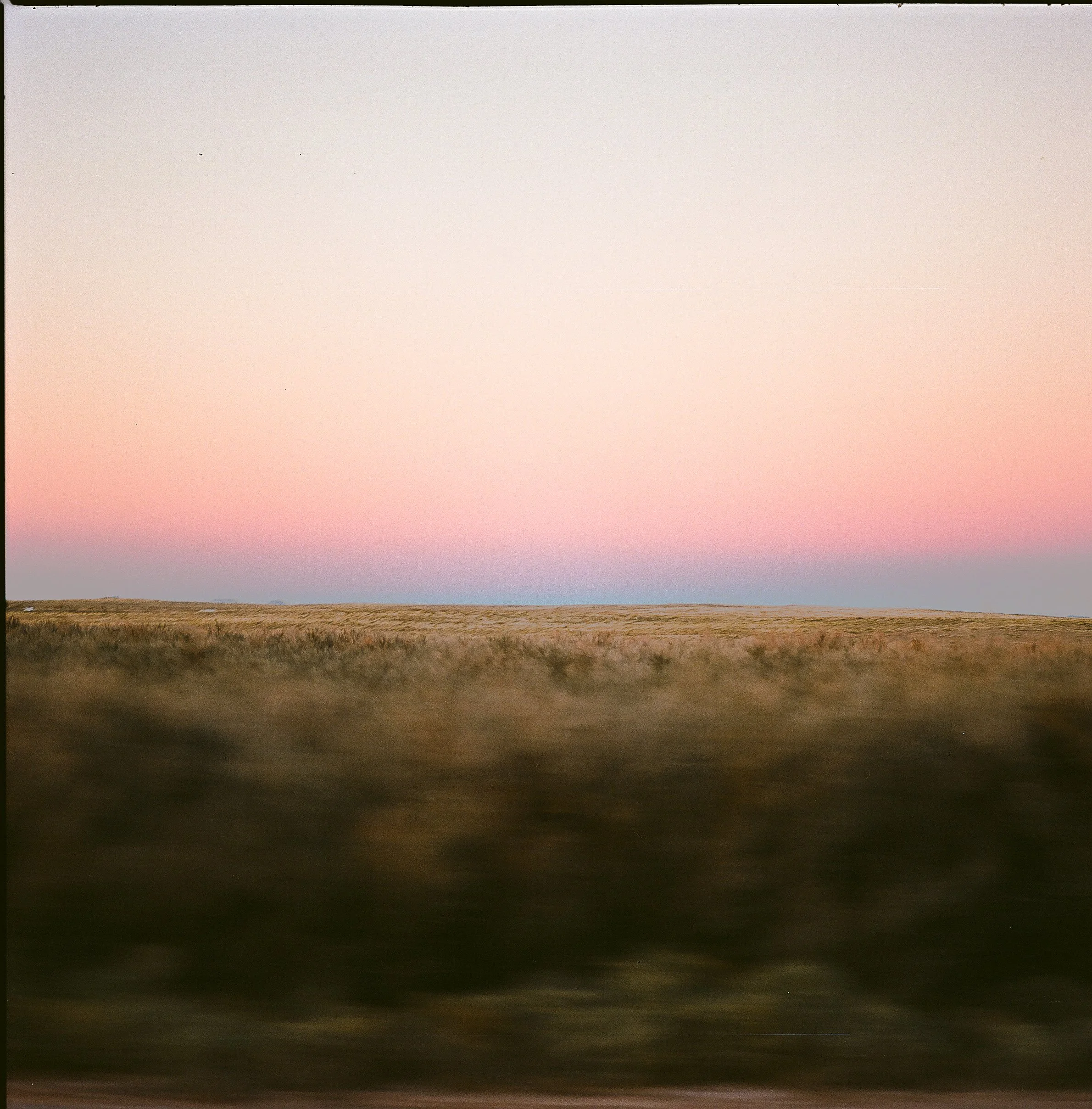
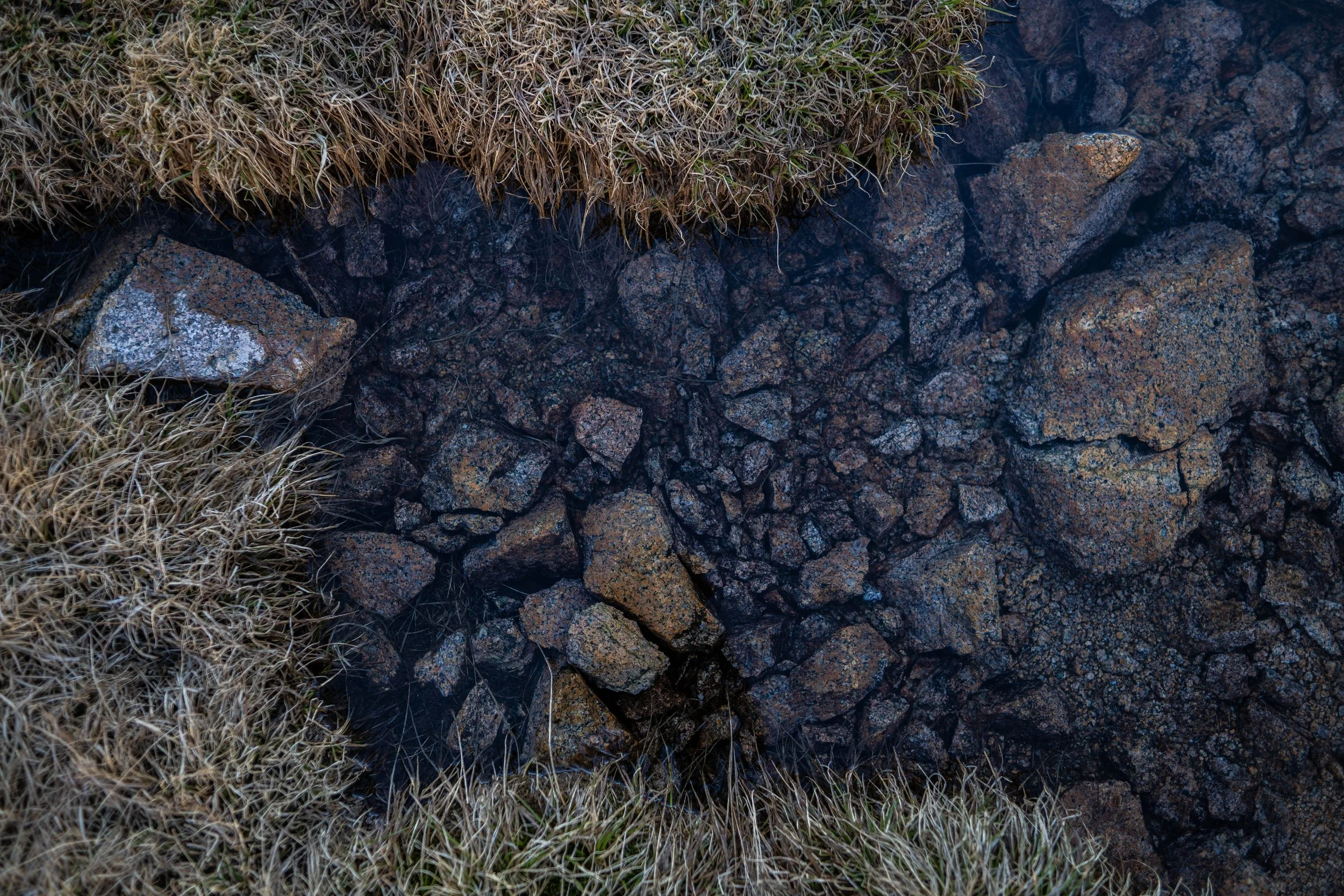
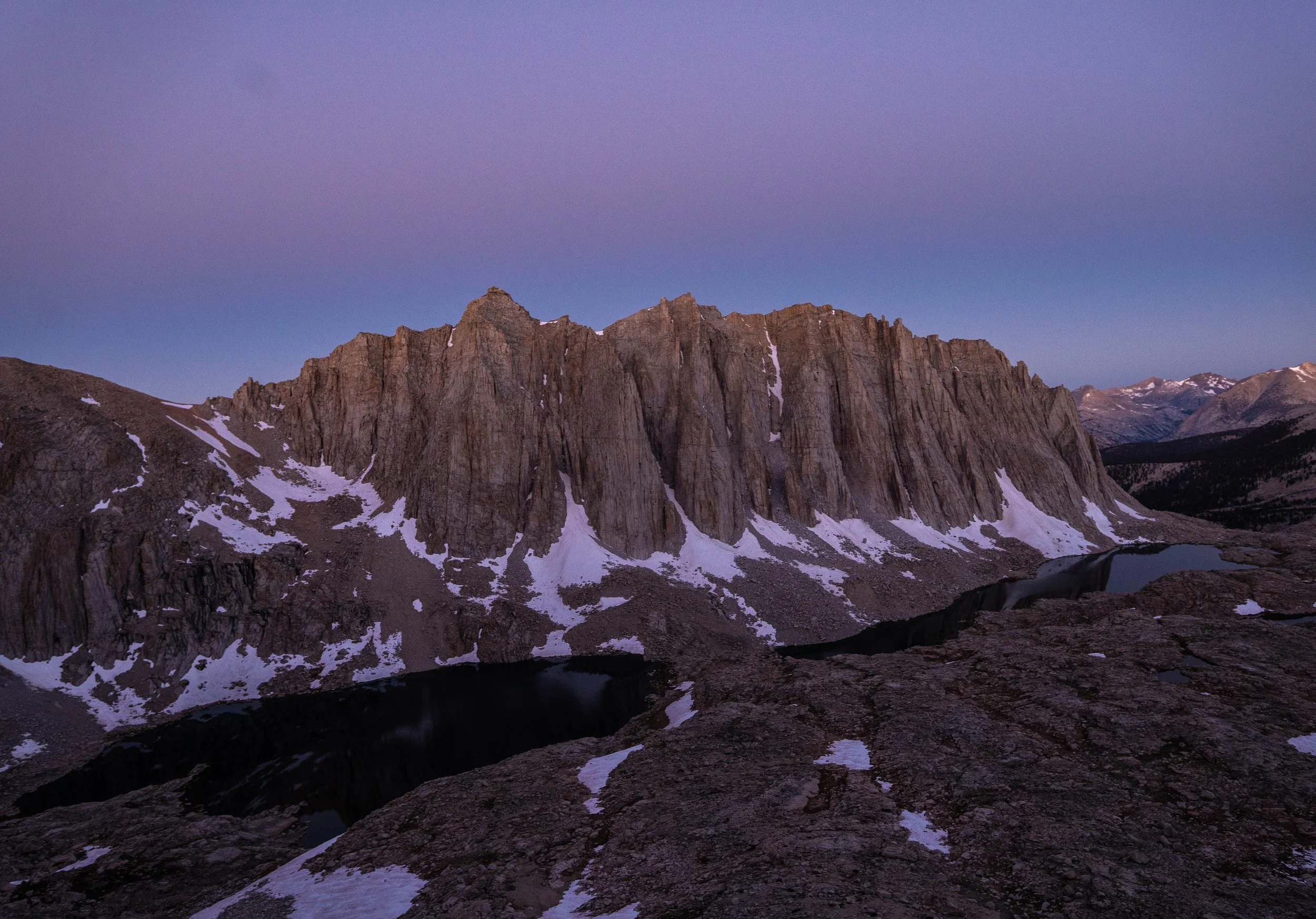
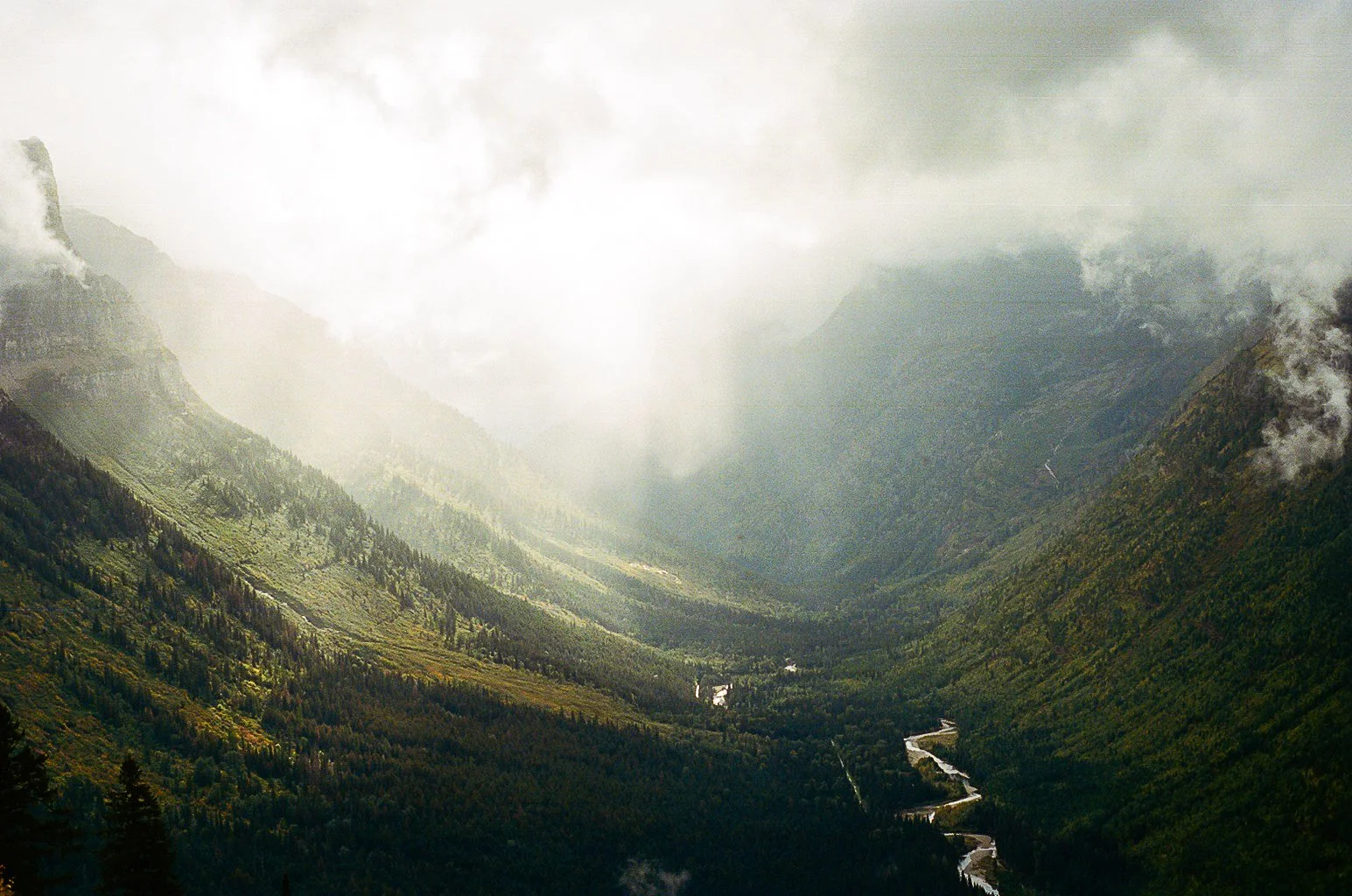
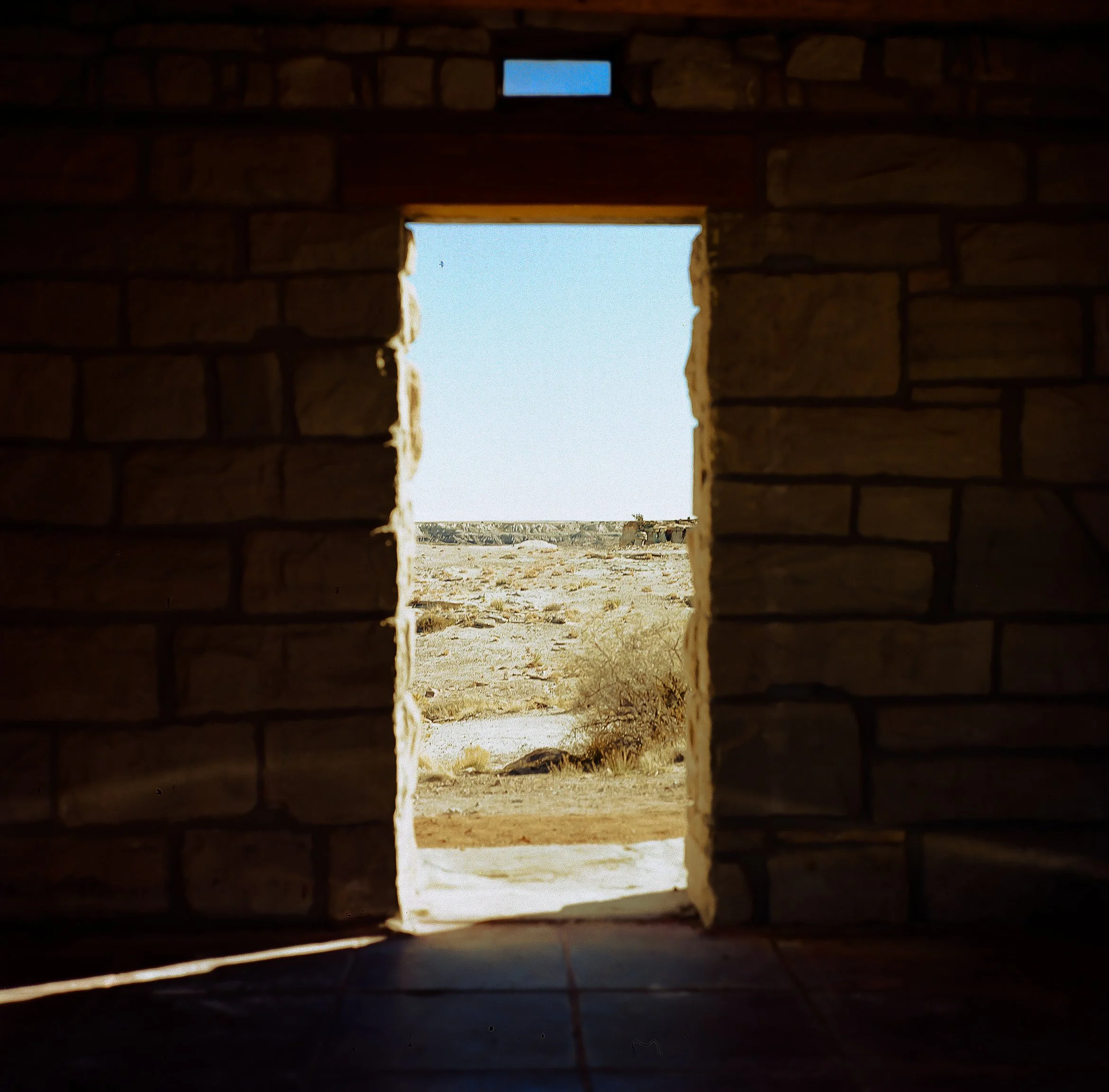
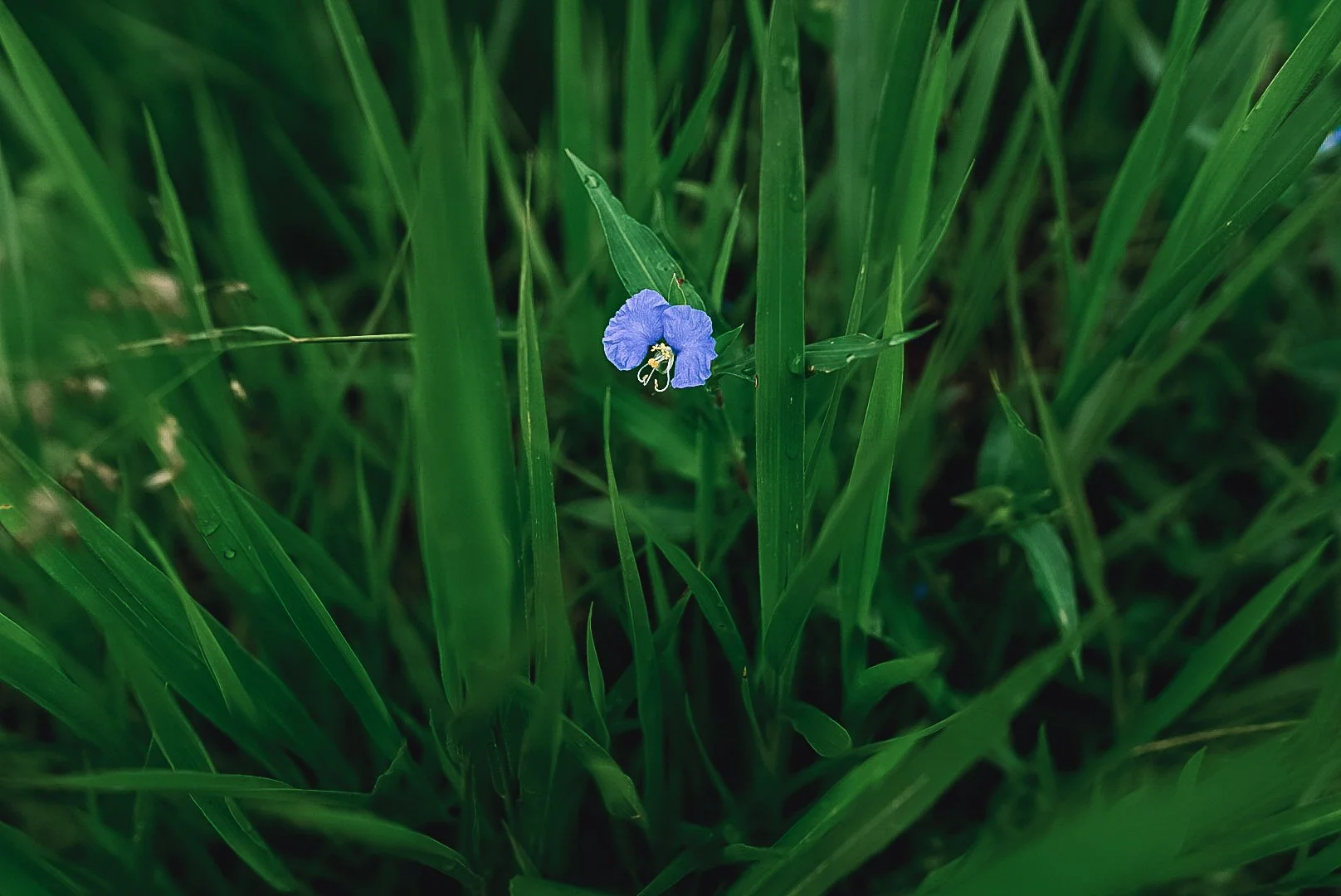
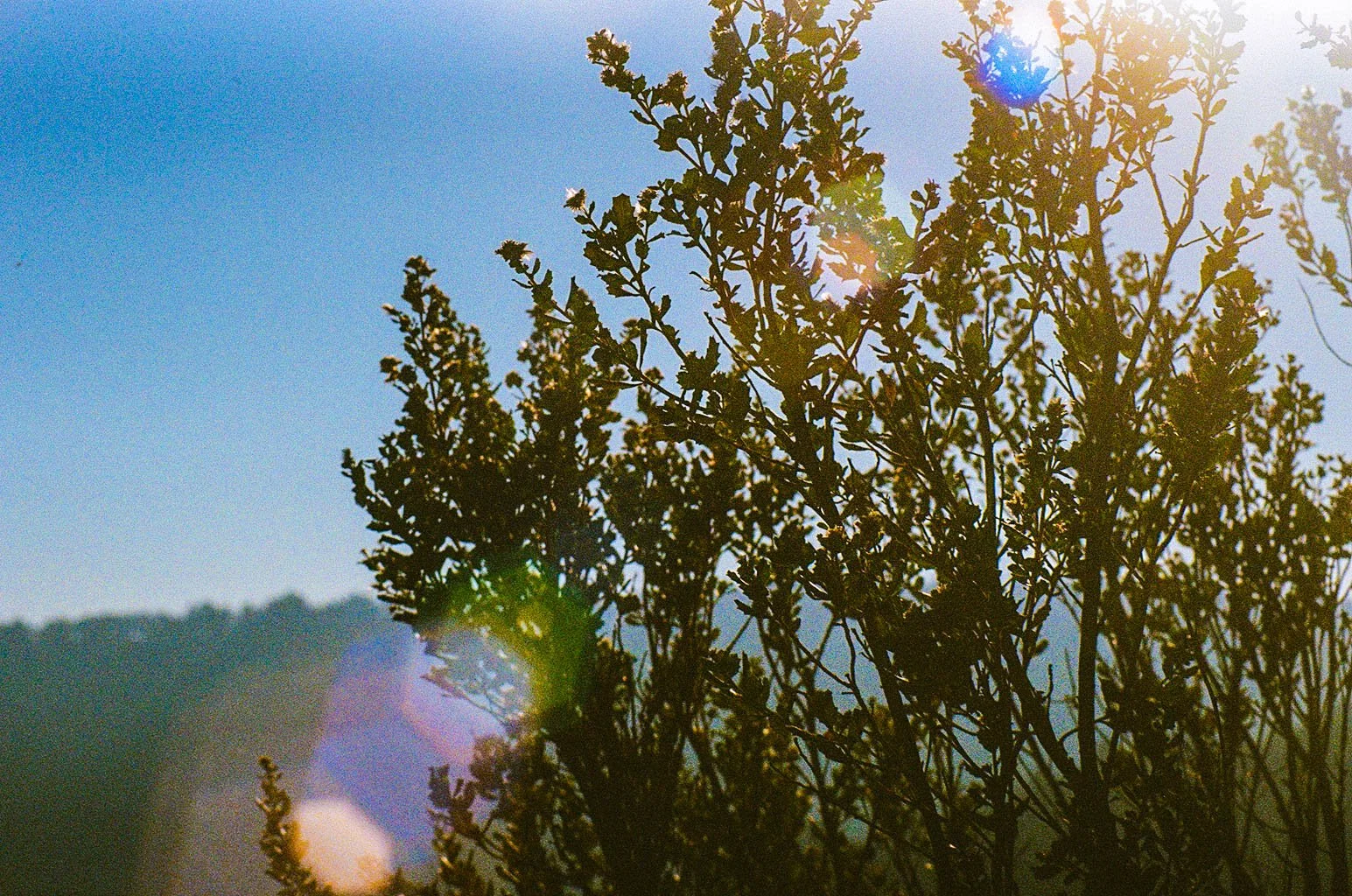
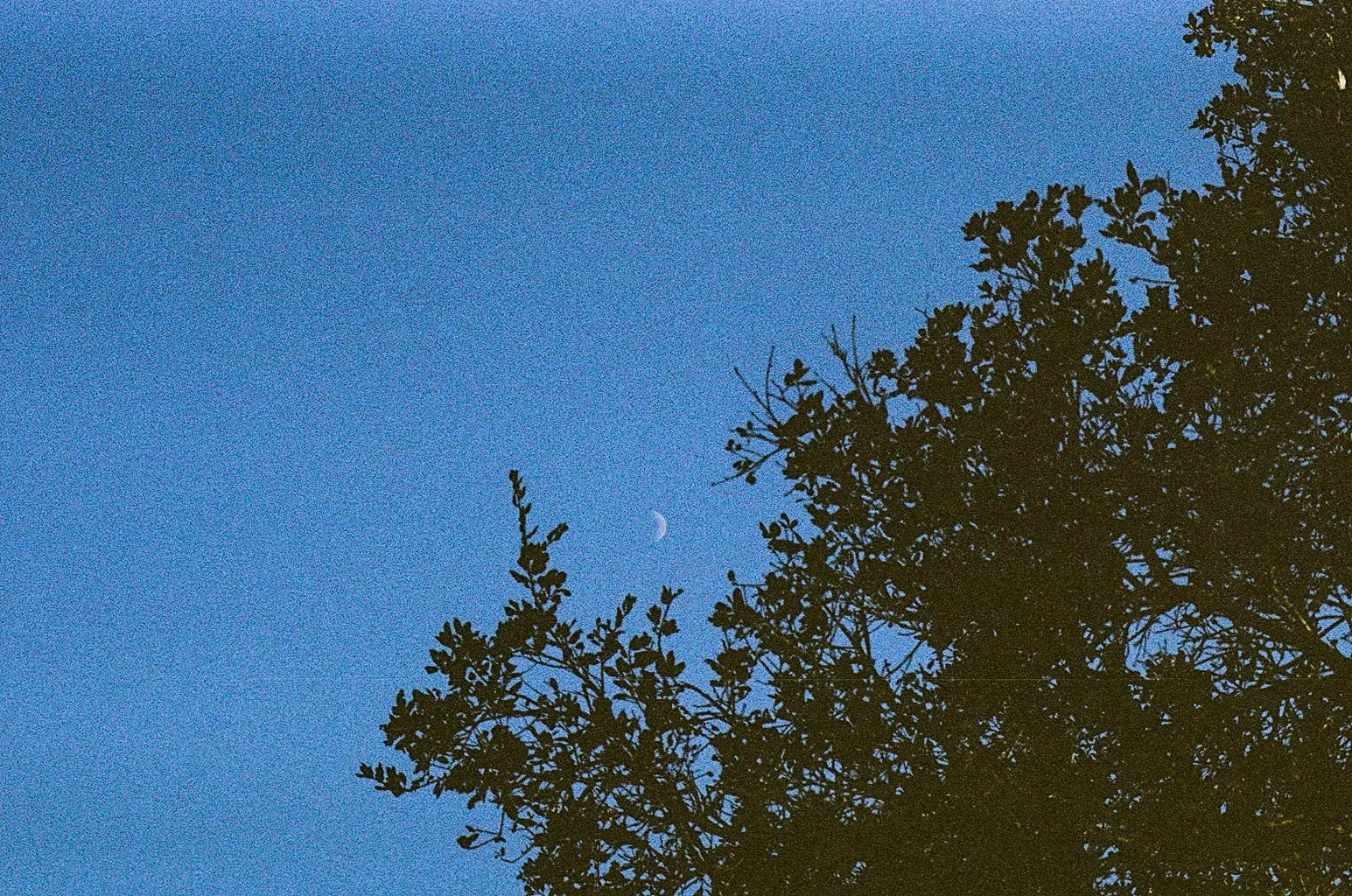
TEXTURES:
Place-Based Exploration
Prep: Before taking the camera out, take at least 10 minutes to explore your surroundings organically. Notice the details. Absorb the view. Perceive the colors.
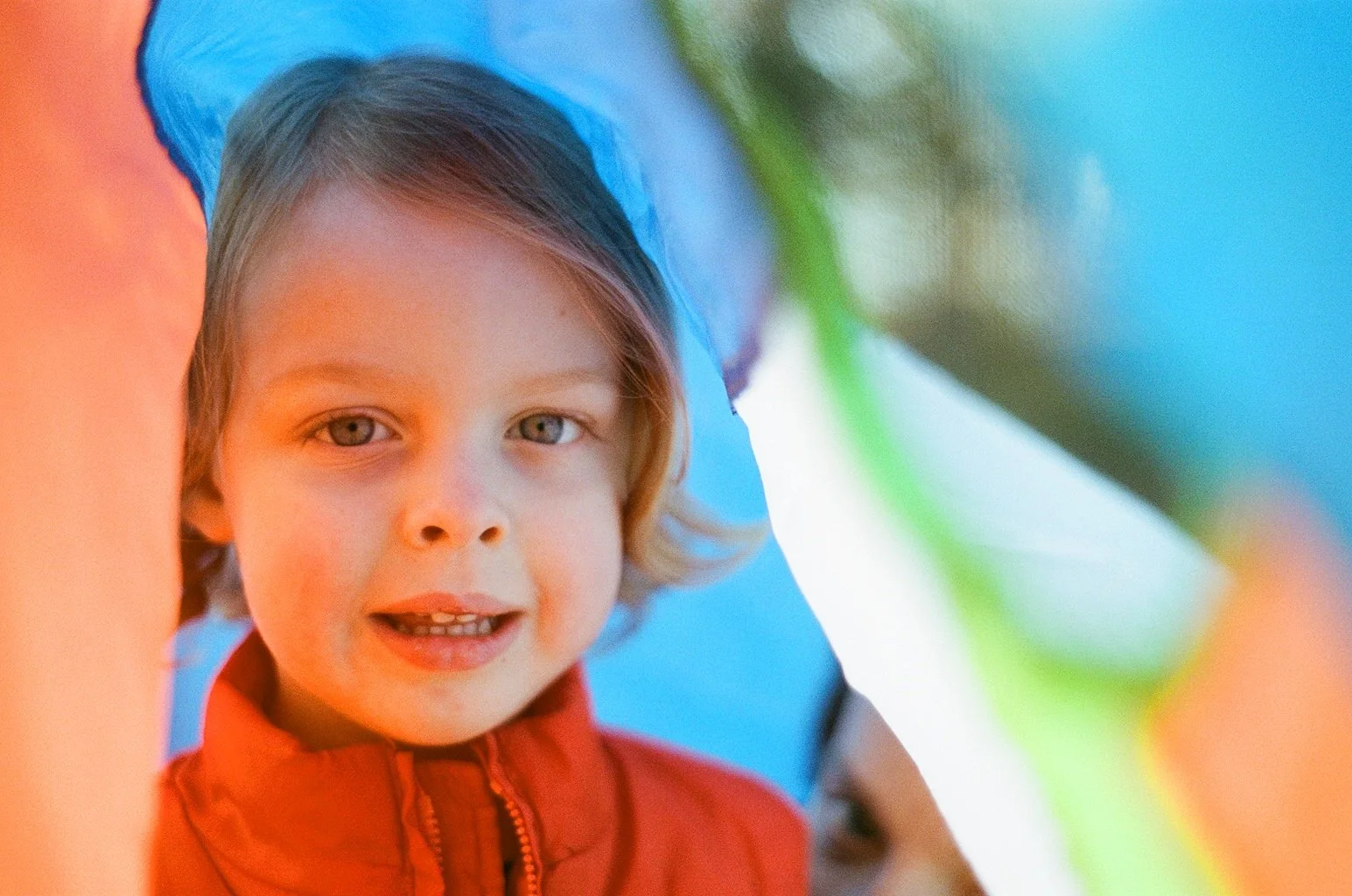
Inquire: Ask yourself, how might we use composition to evoke a childlike view of the world?
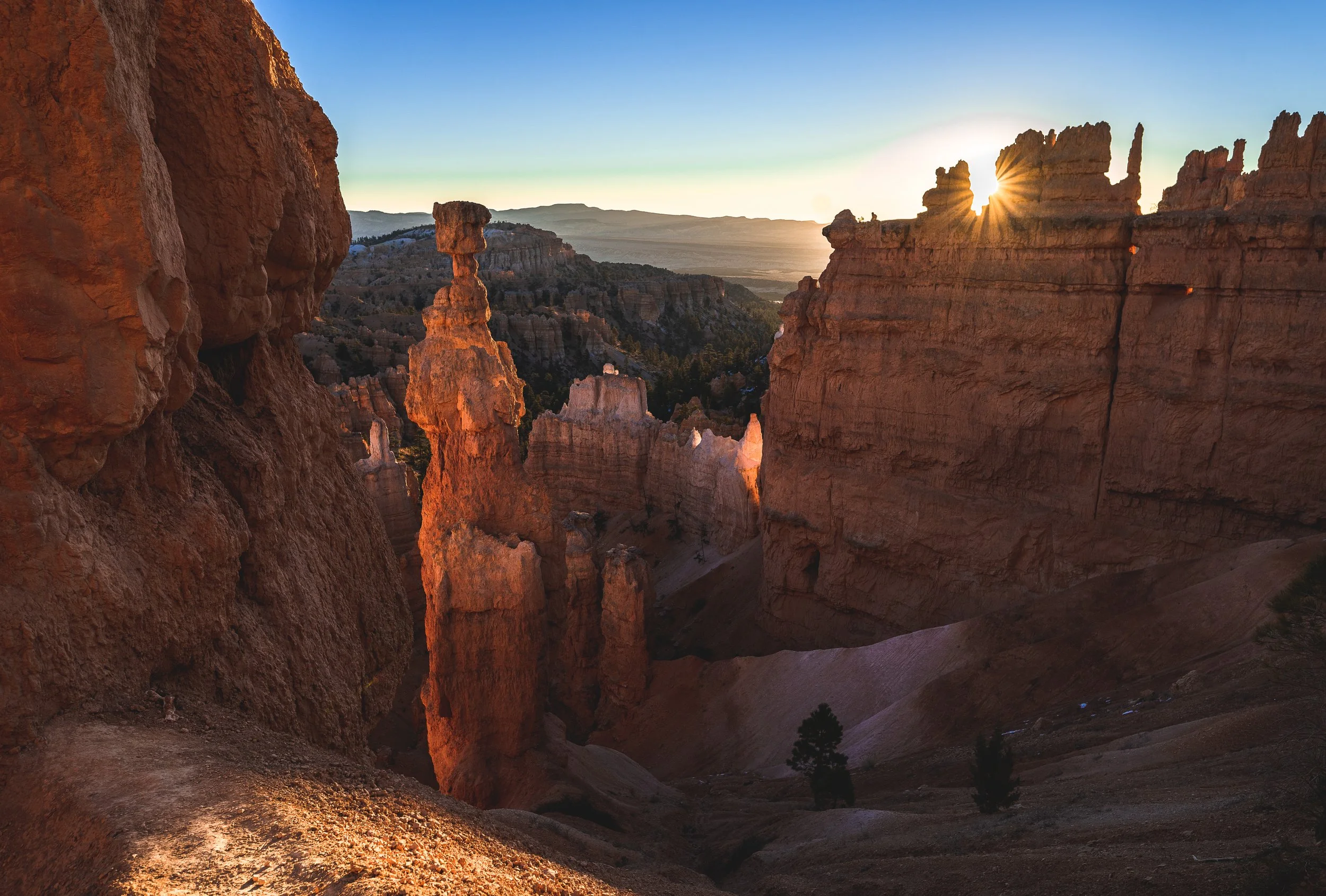
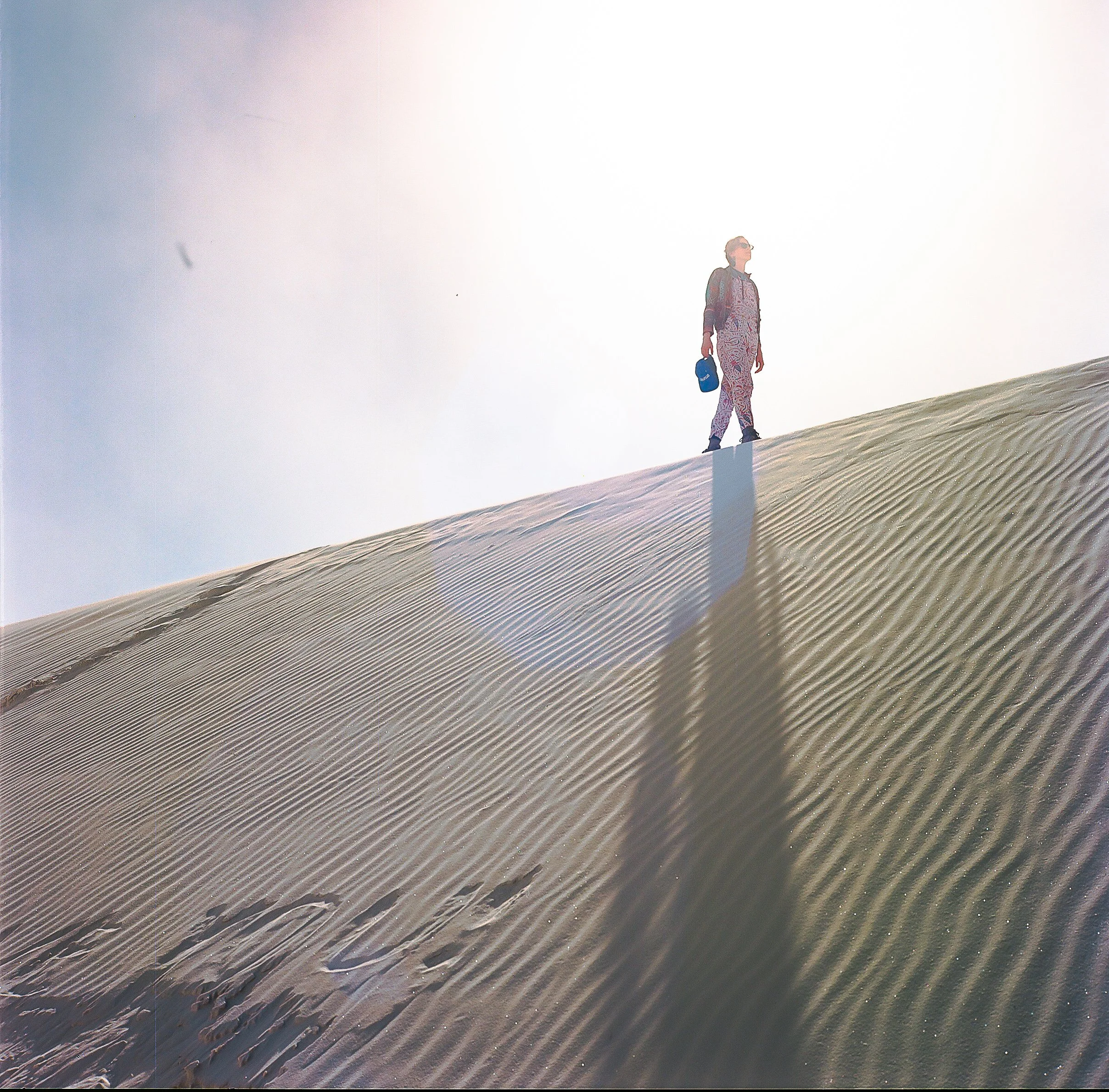
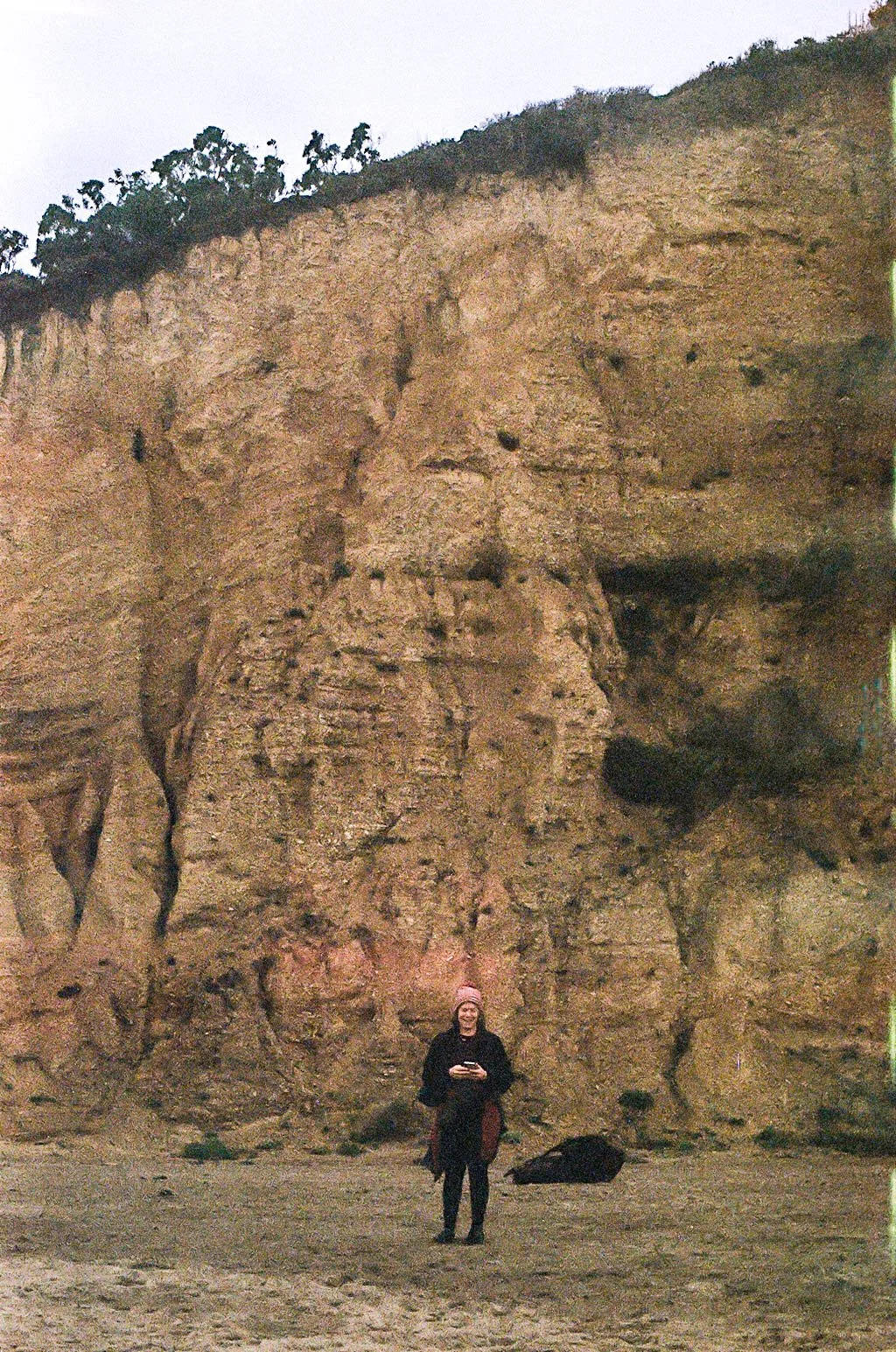
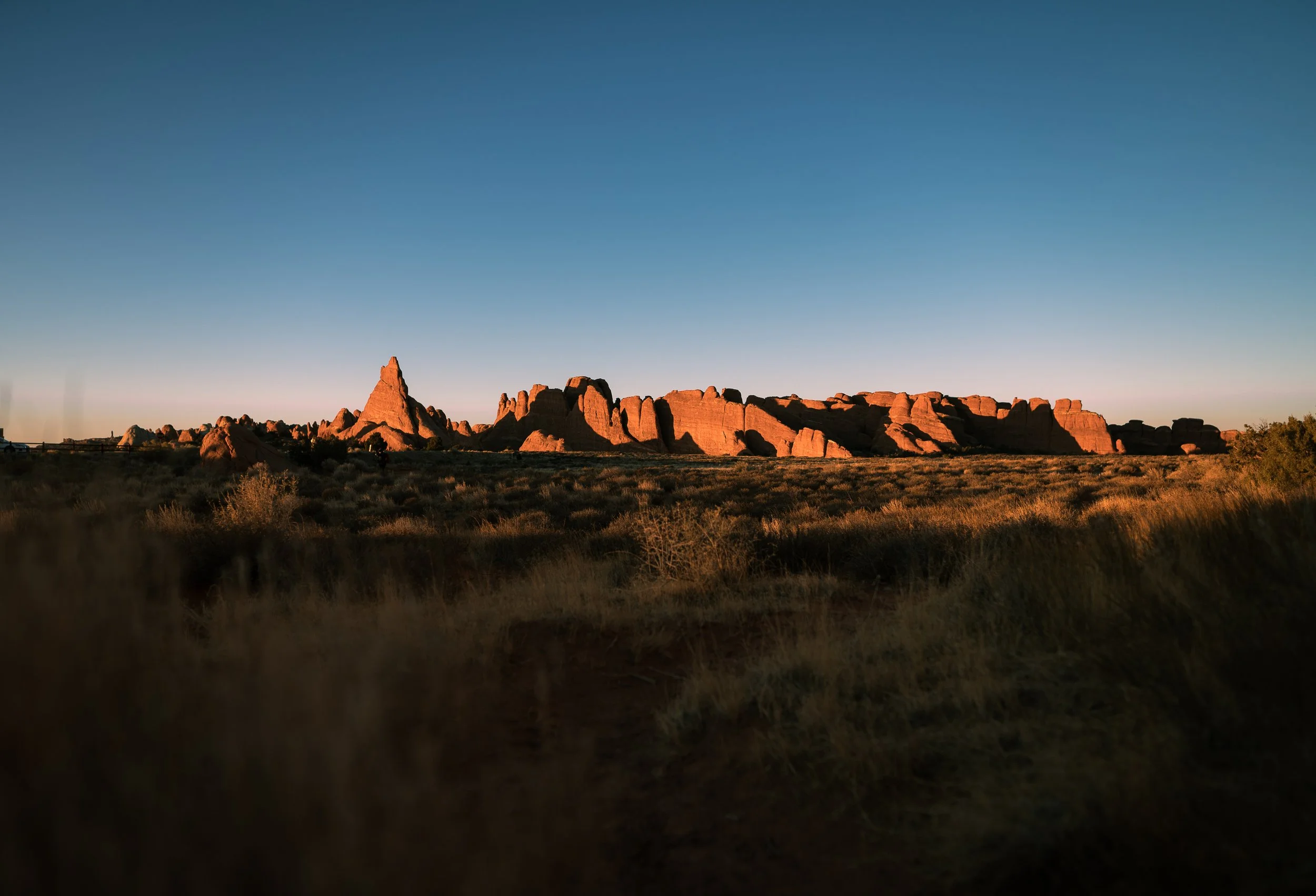
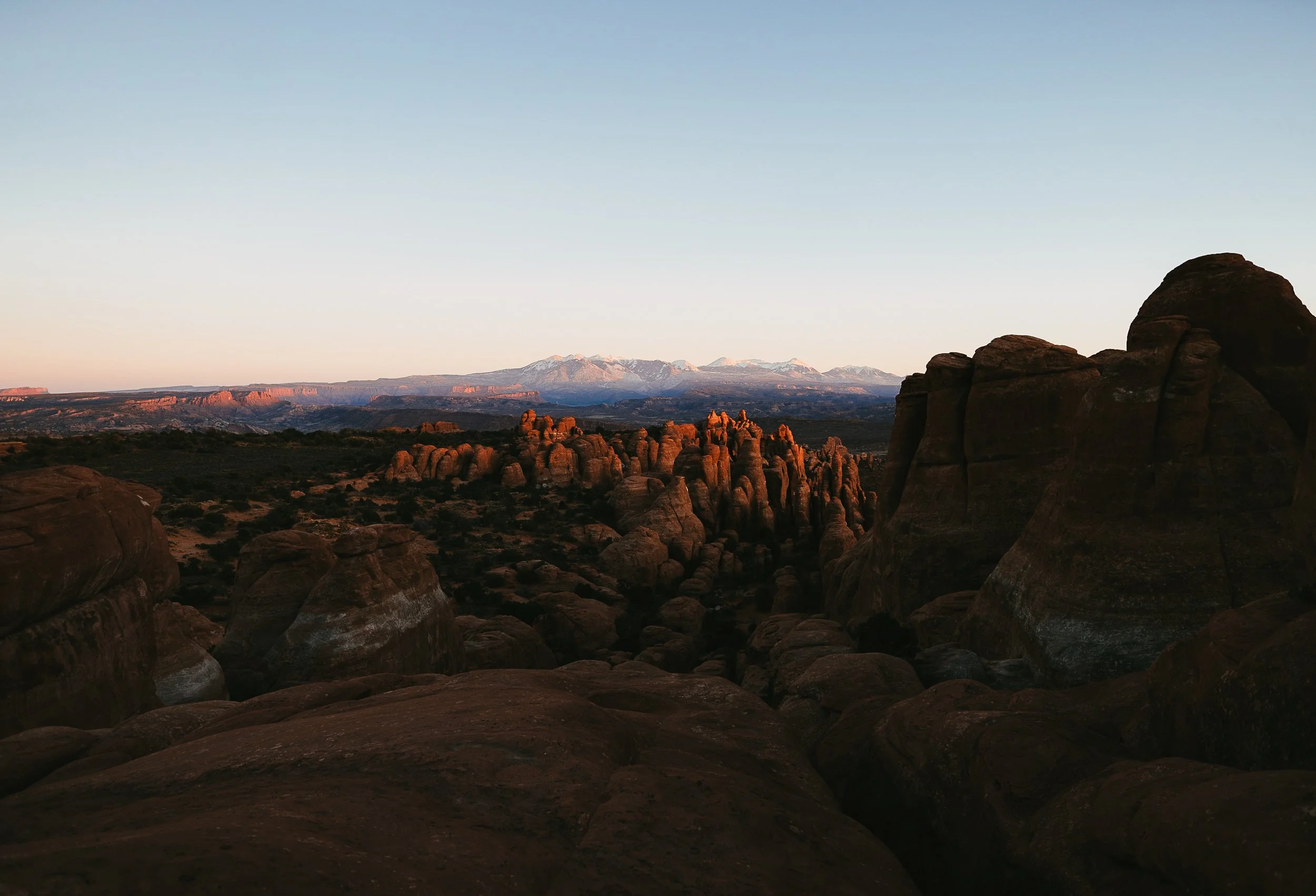
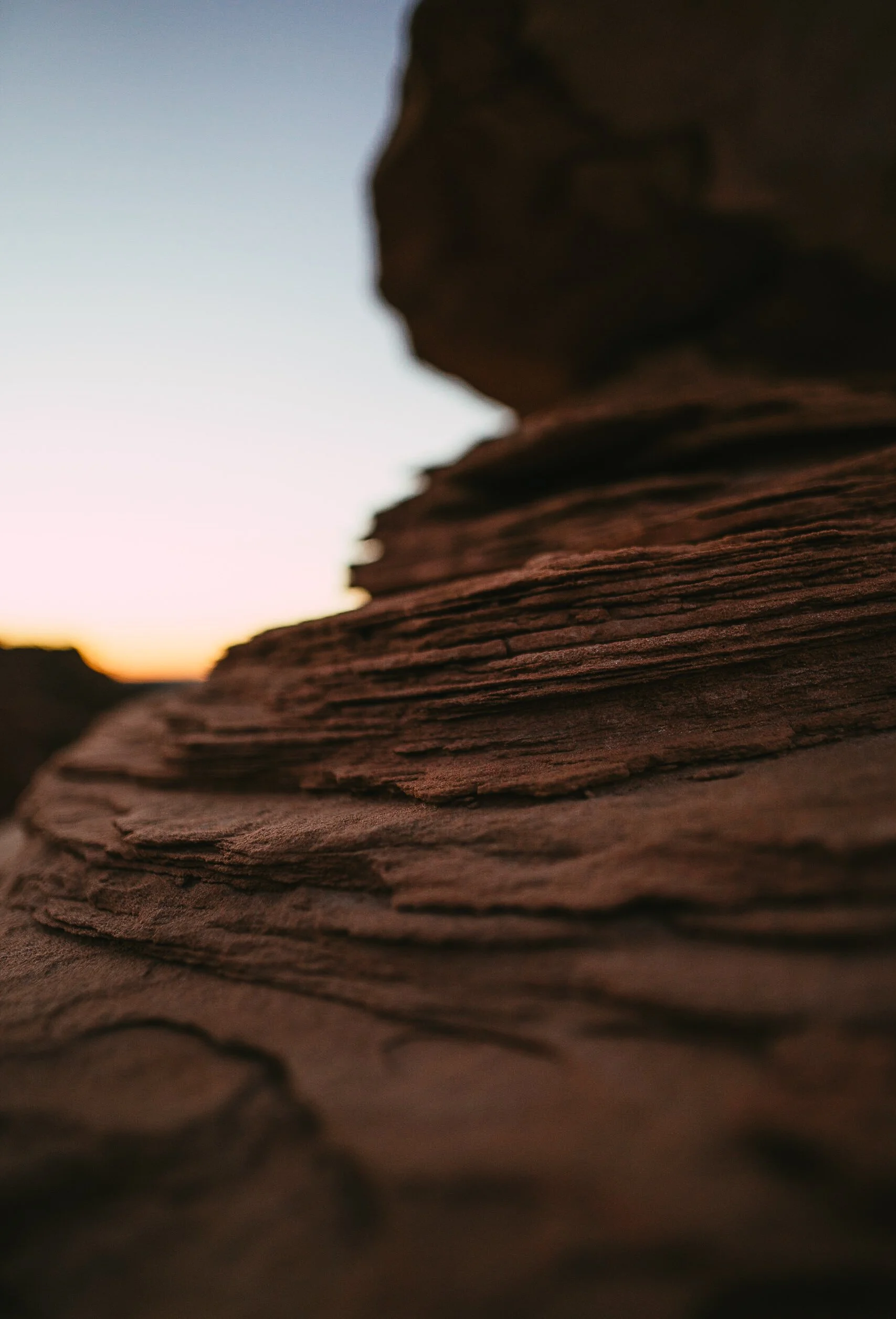
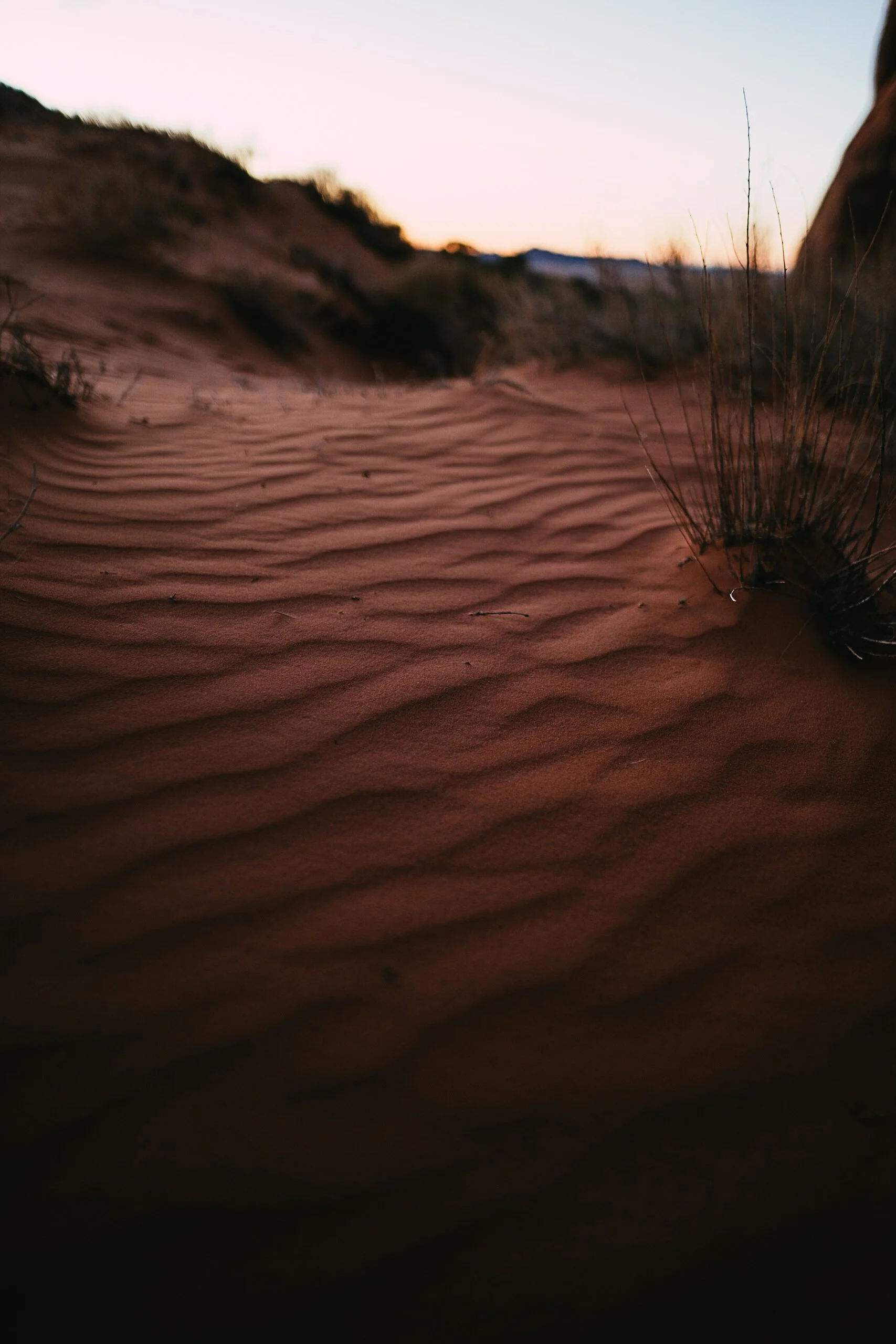
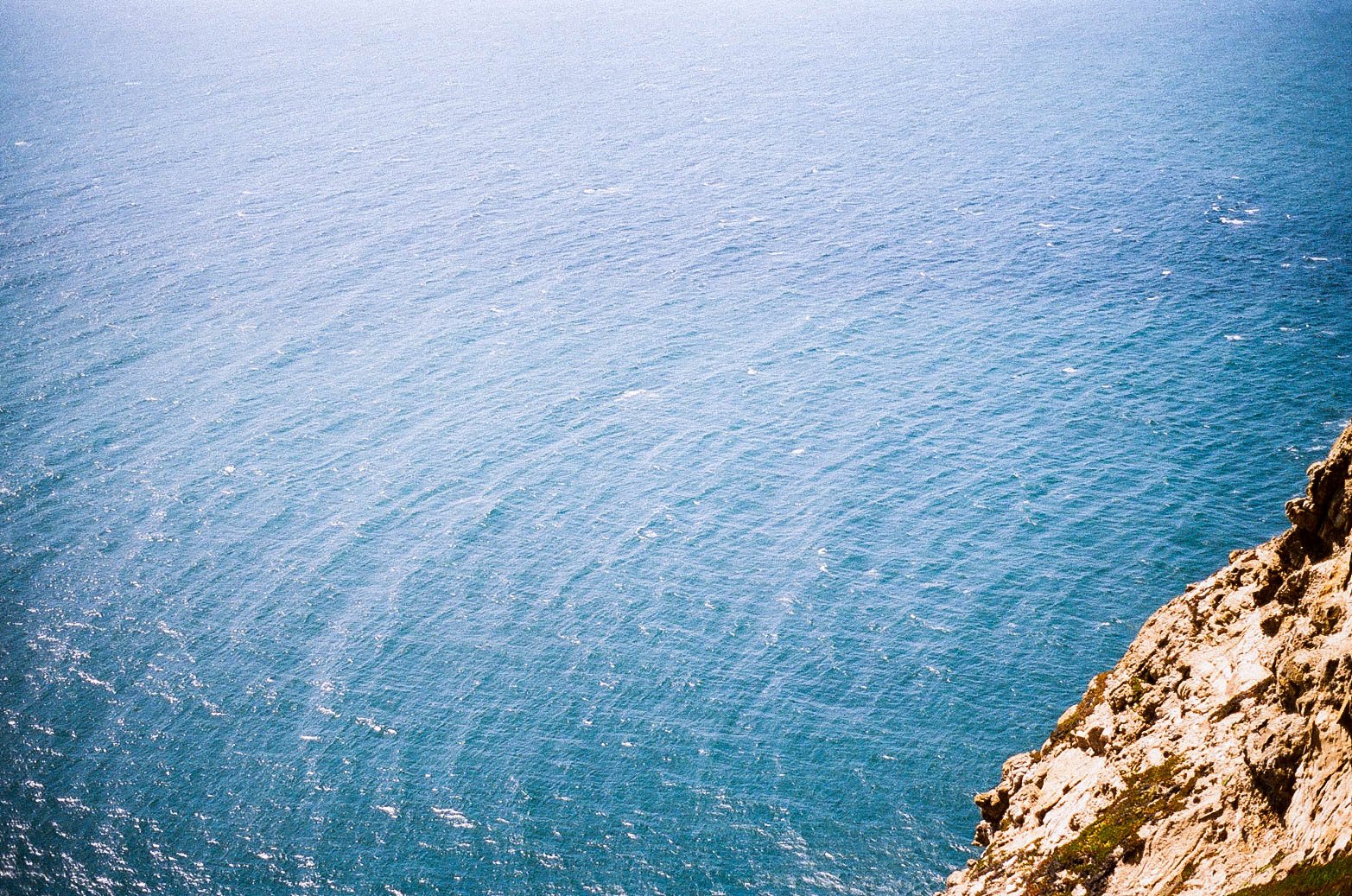
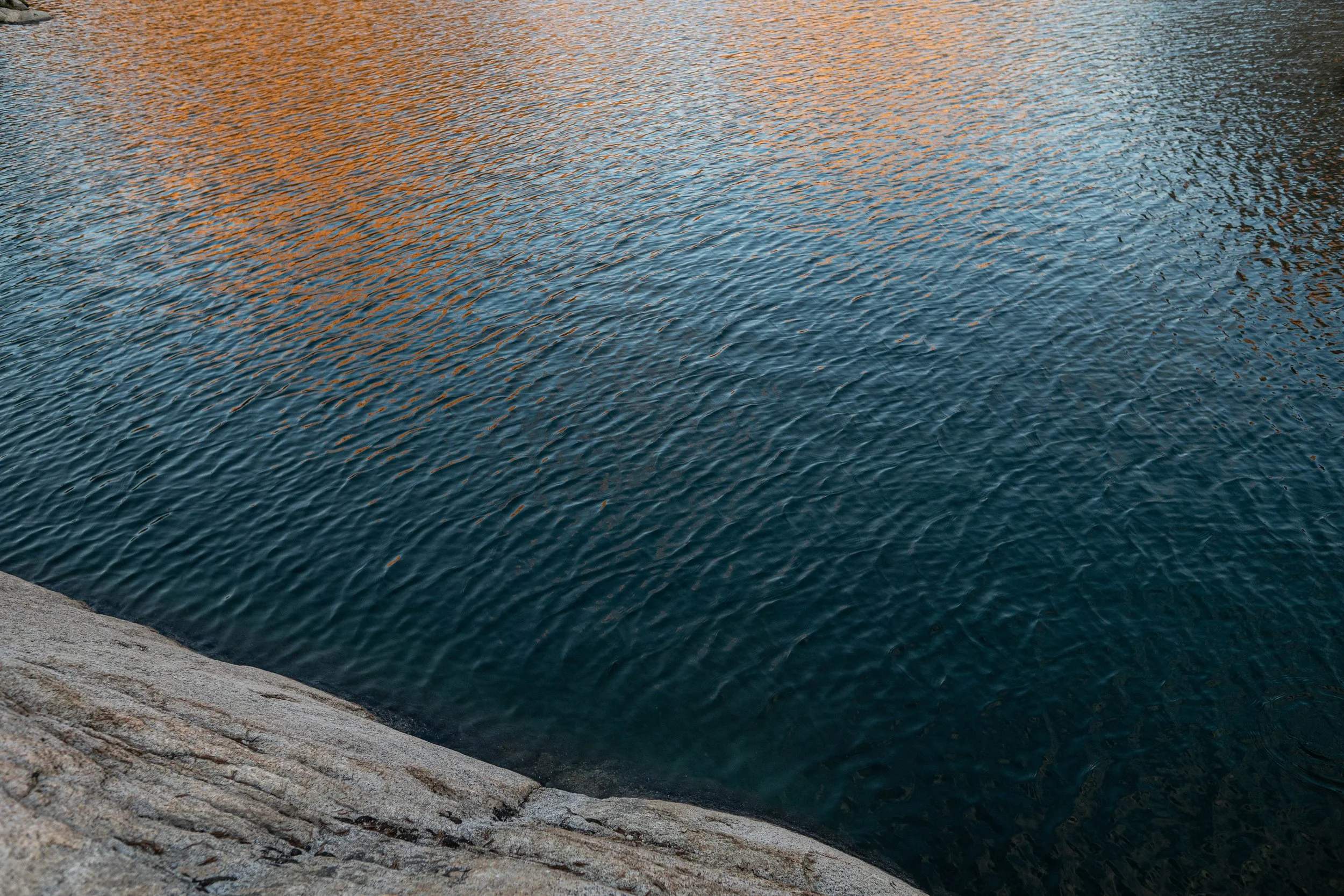
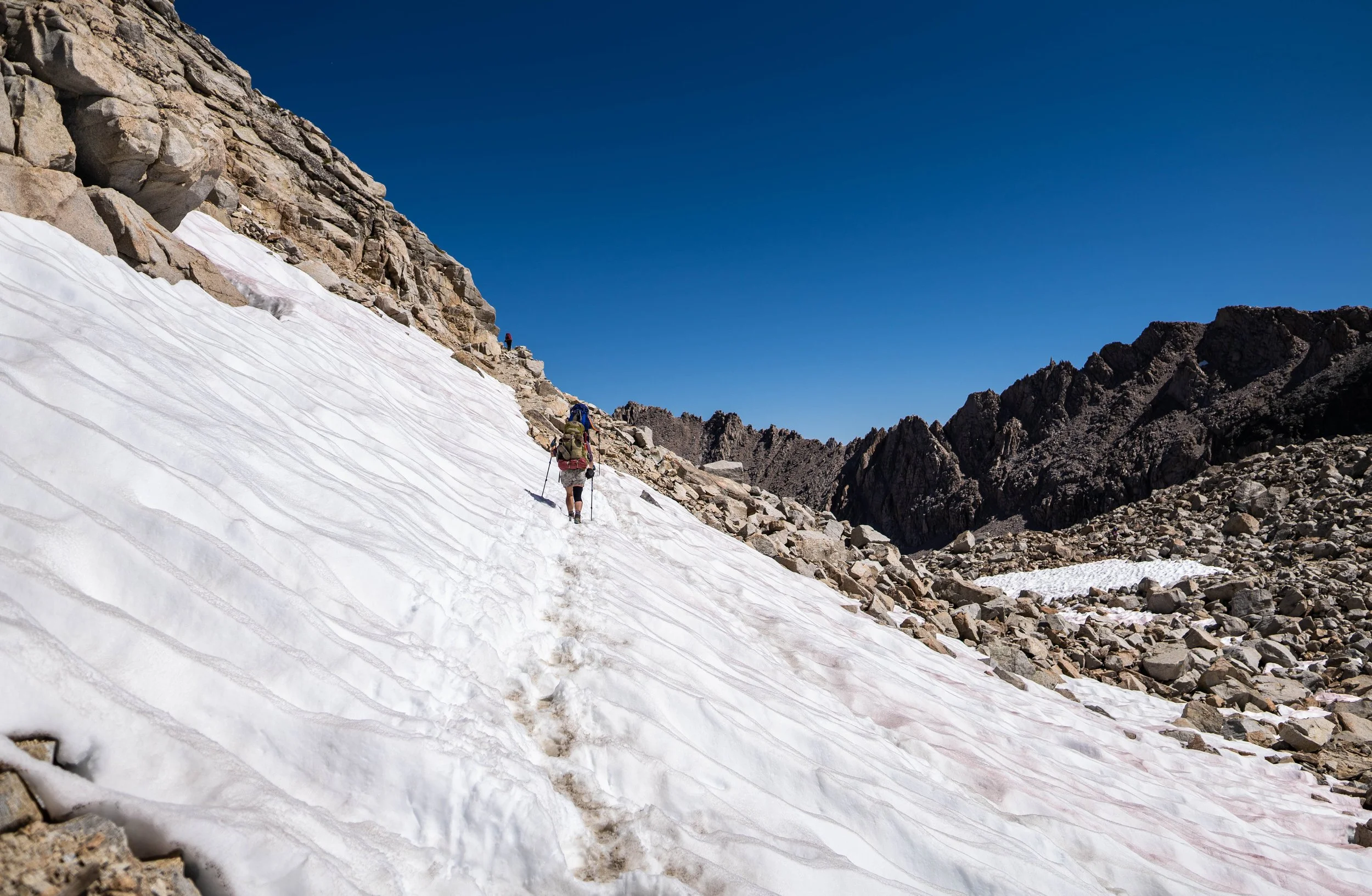
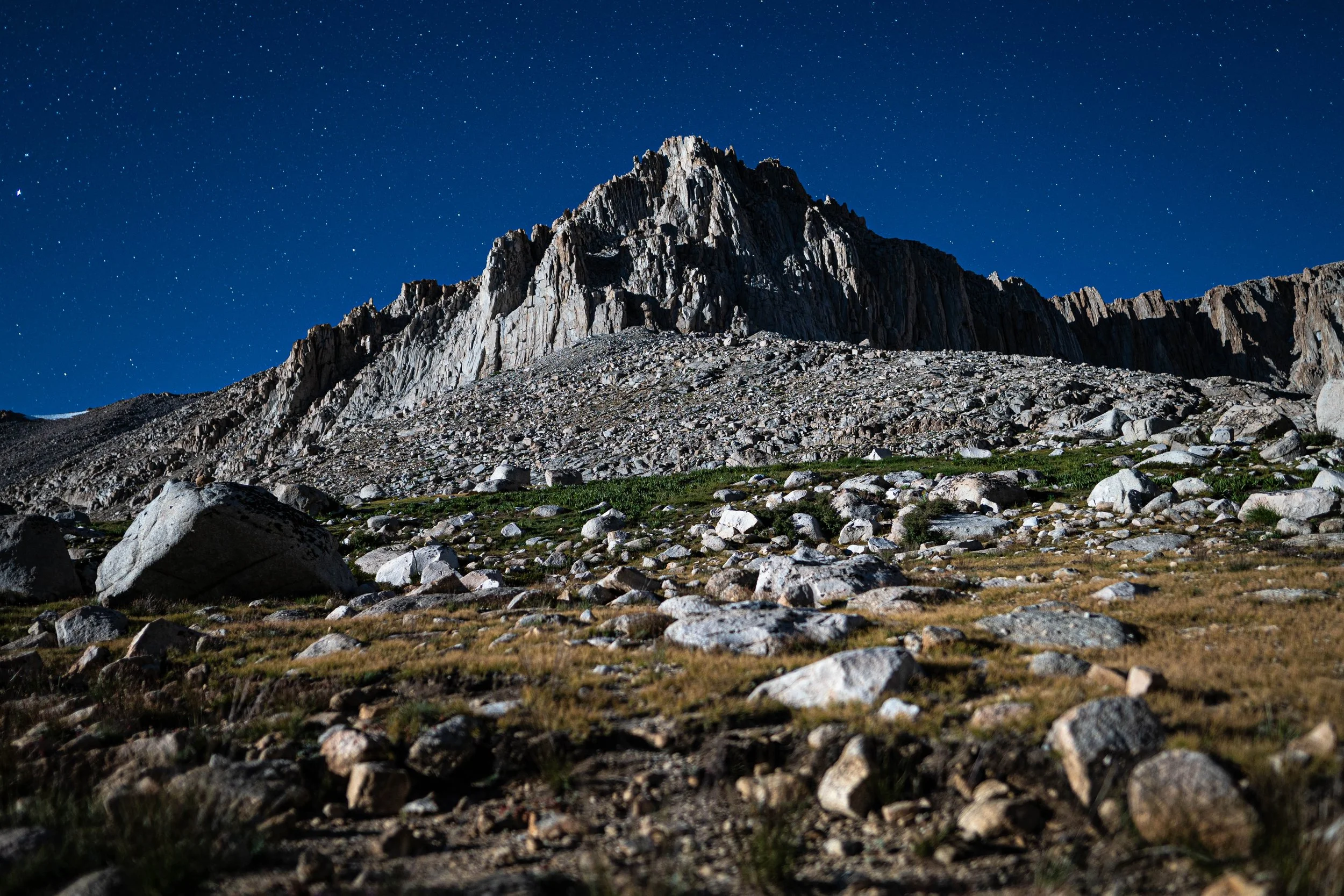
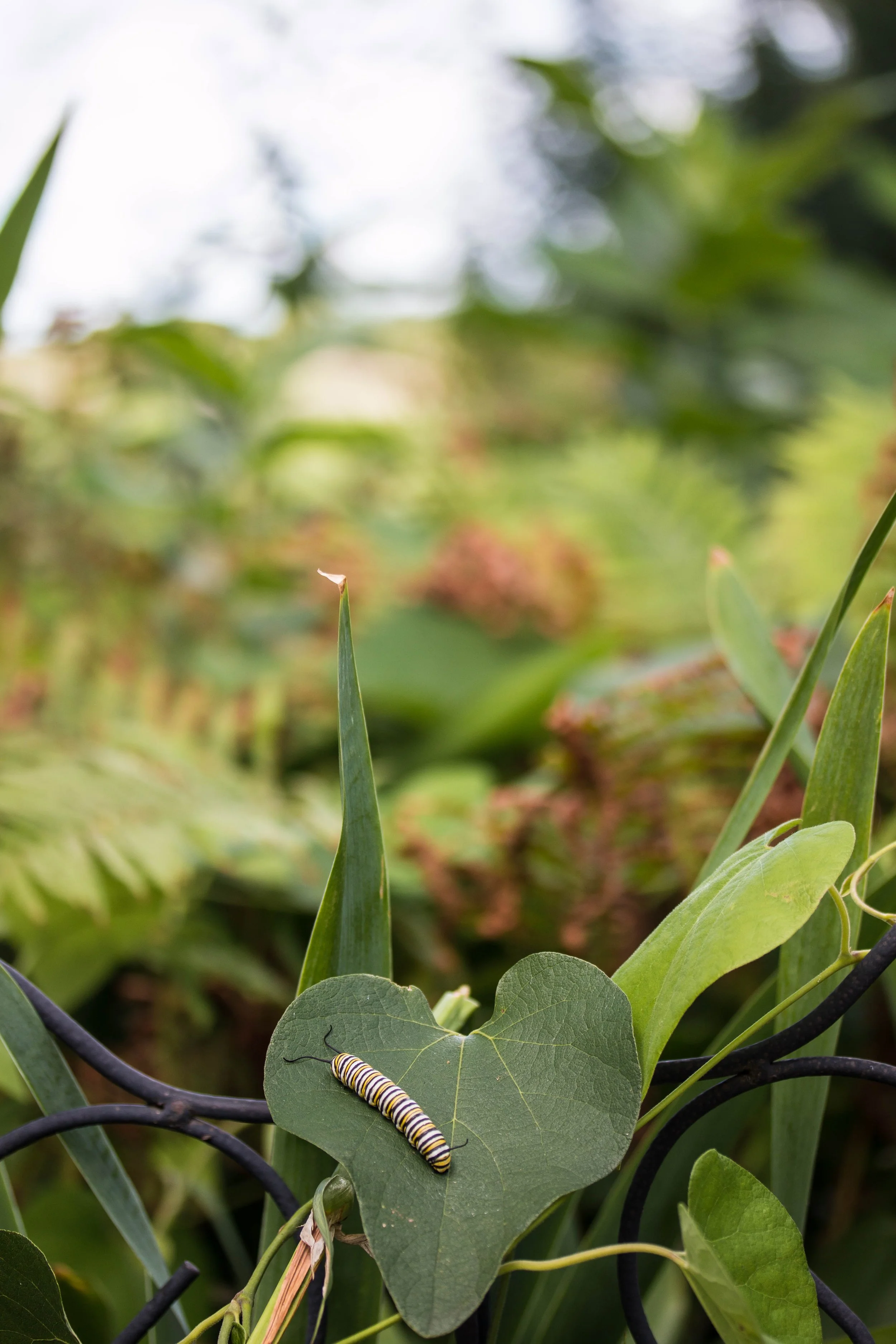
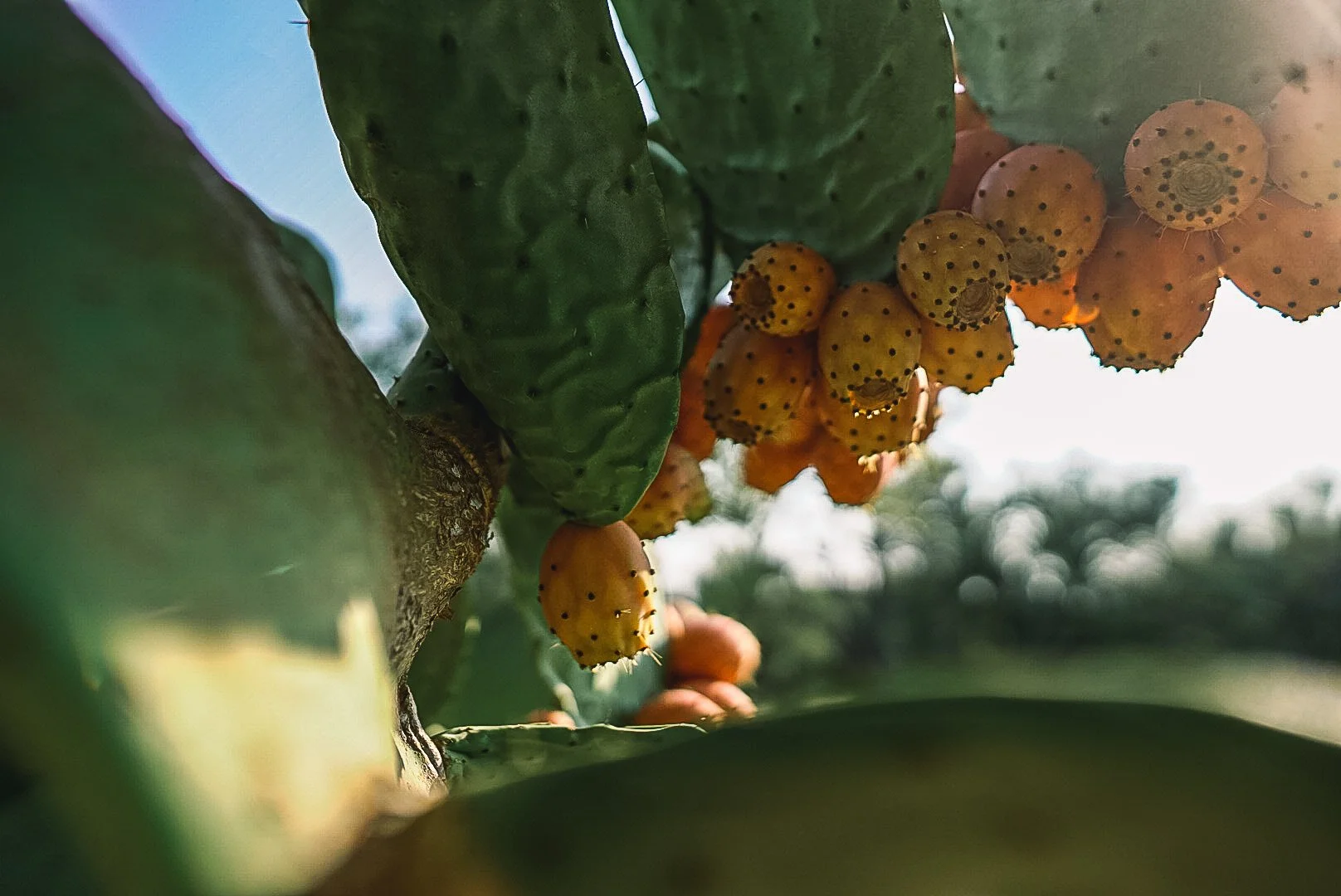
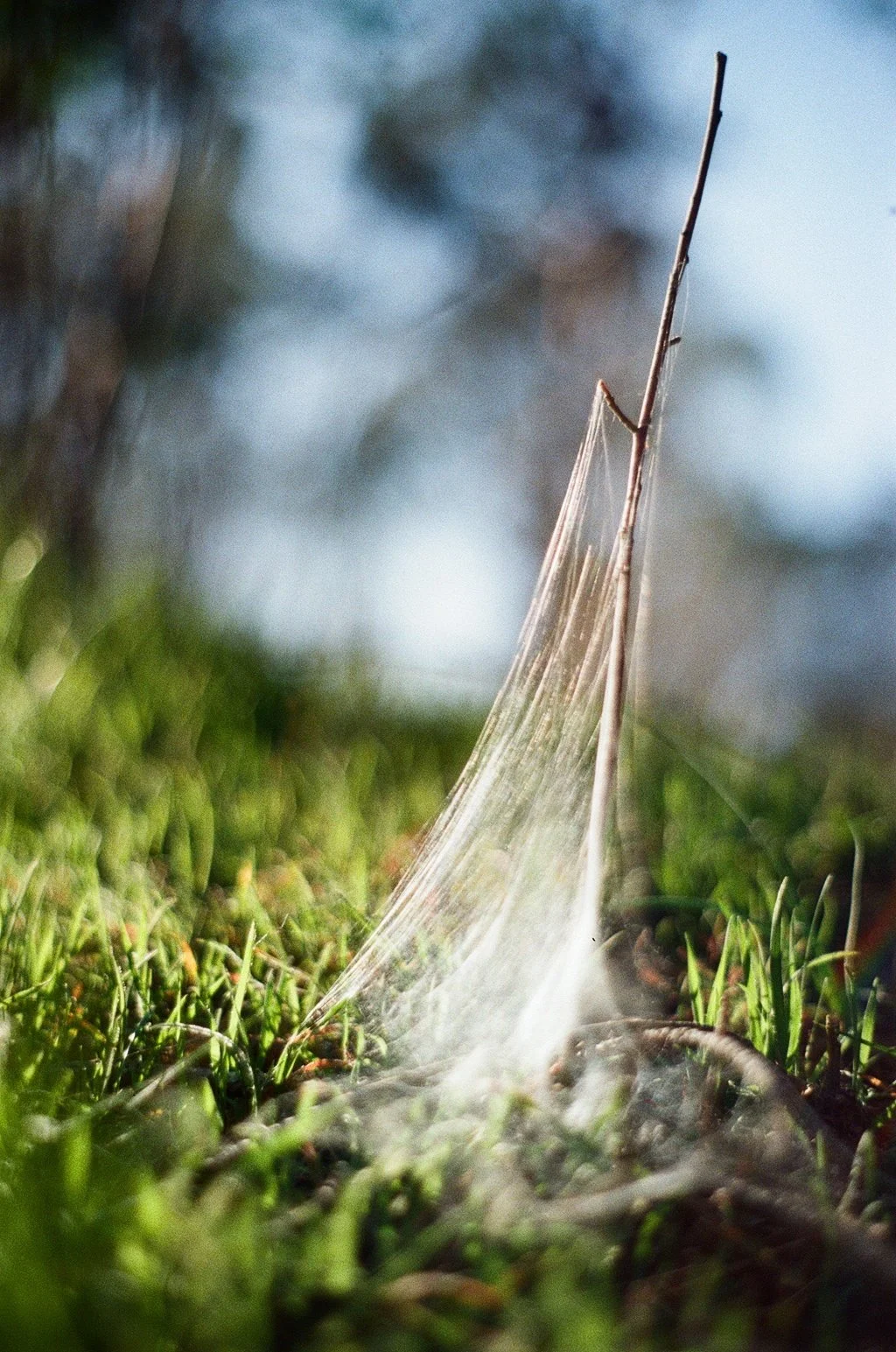
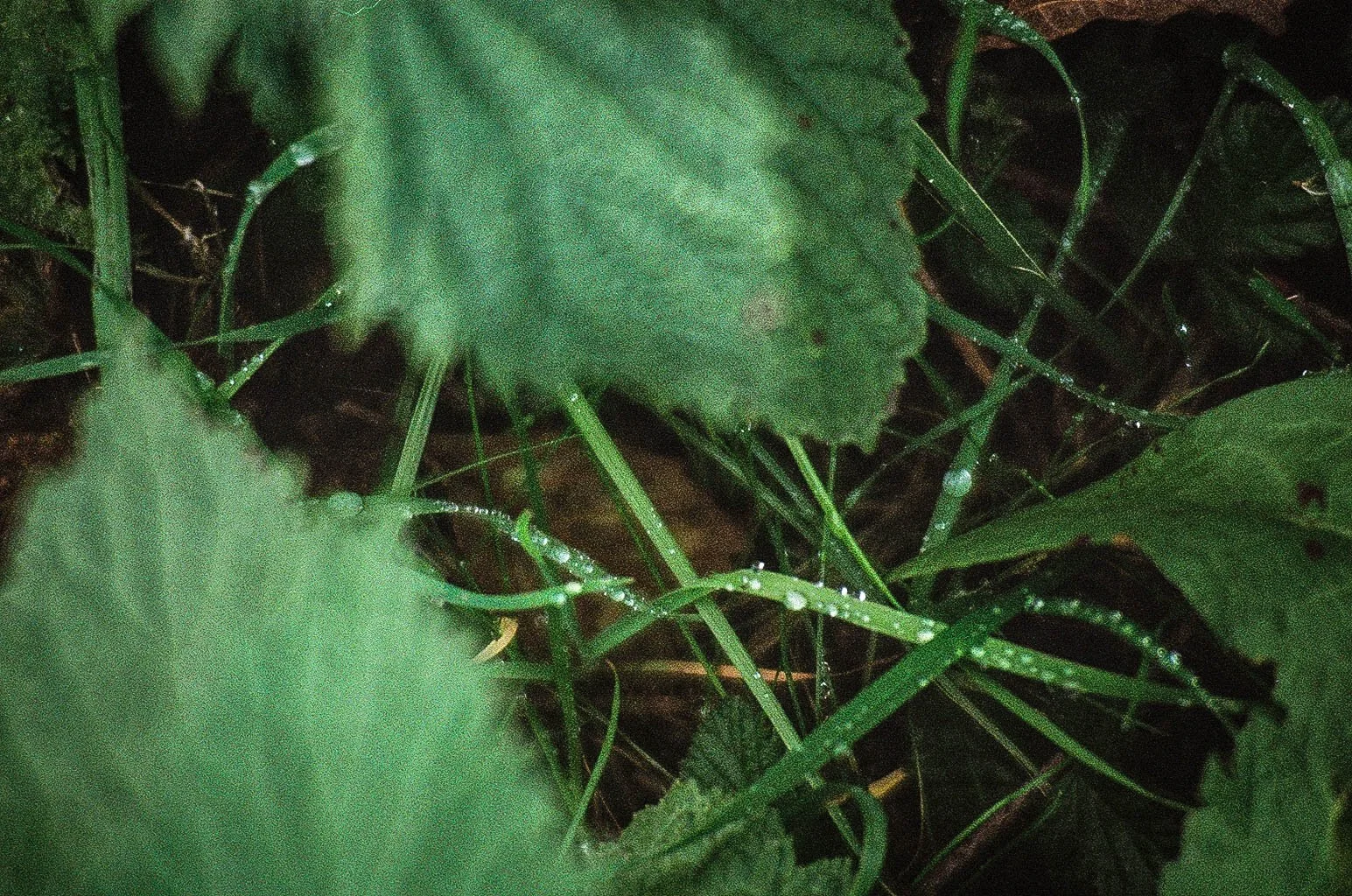
Task: Document a sense of place through textures.
Reflect: Recognize that even the smallest detail holds an immense history. Focusing quiets the mind. Interpreting one’s surroundings at varying scales paints a dynamic impression of wholeness leading to an embodied sense of self and belonging.
Learn: Bilateral eye movement is scientifically proven to activate the parasympathetic nervous system allowing the body to self-soothe activated survival instincts.
“Sometimes I wish I could photosynthesize so that just by being, just by shimmering at the meadow's edge or floating lazily on a pond, I could be doing the work of the world while standing silent in the sun.”
― Robin Wall Kimmerer, Braiding Sweetgrass
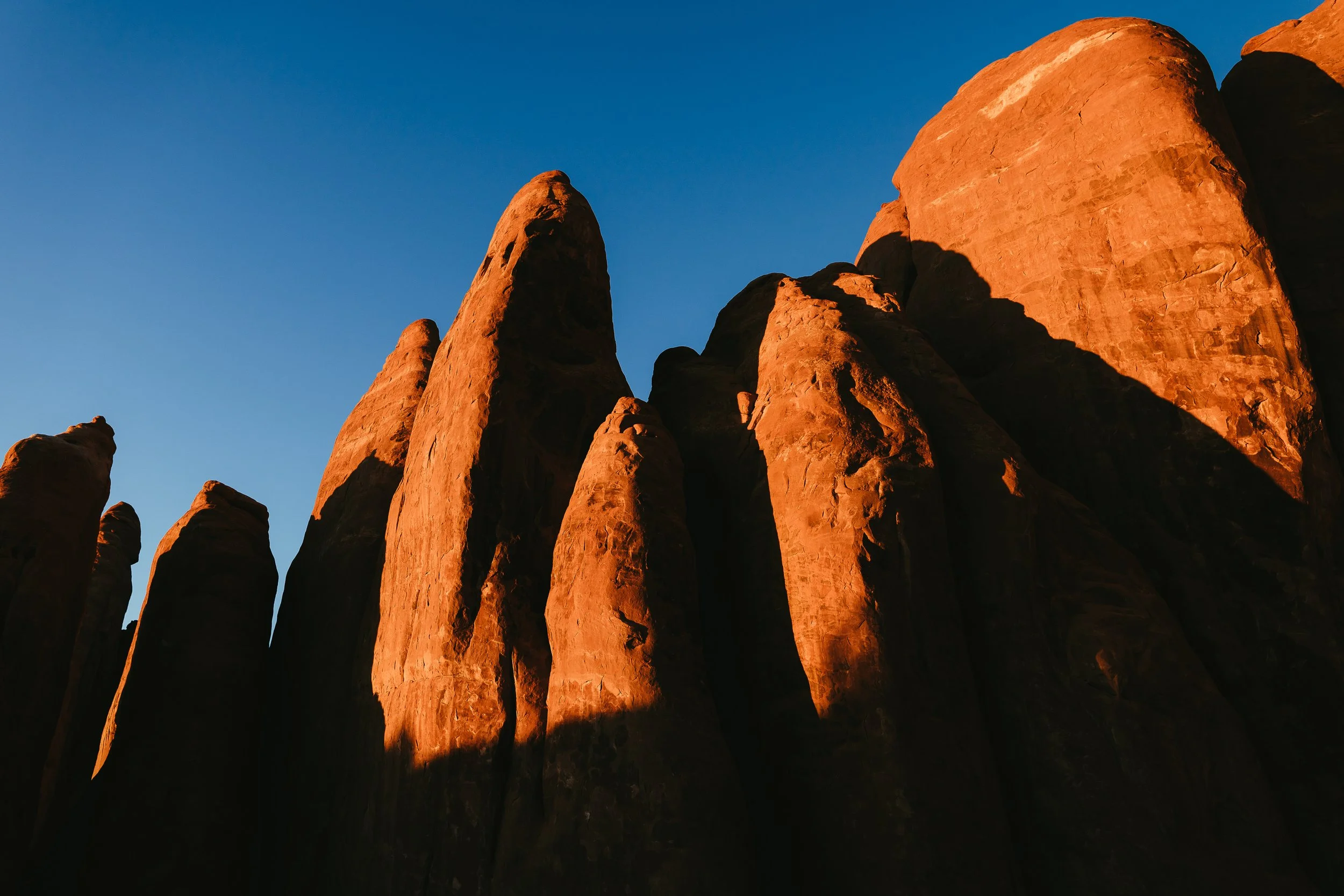


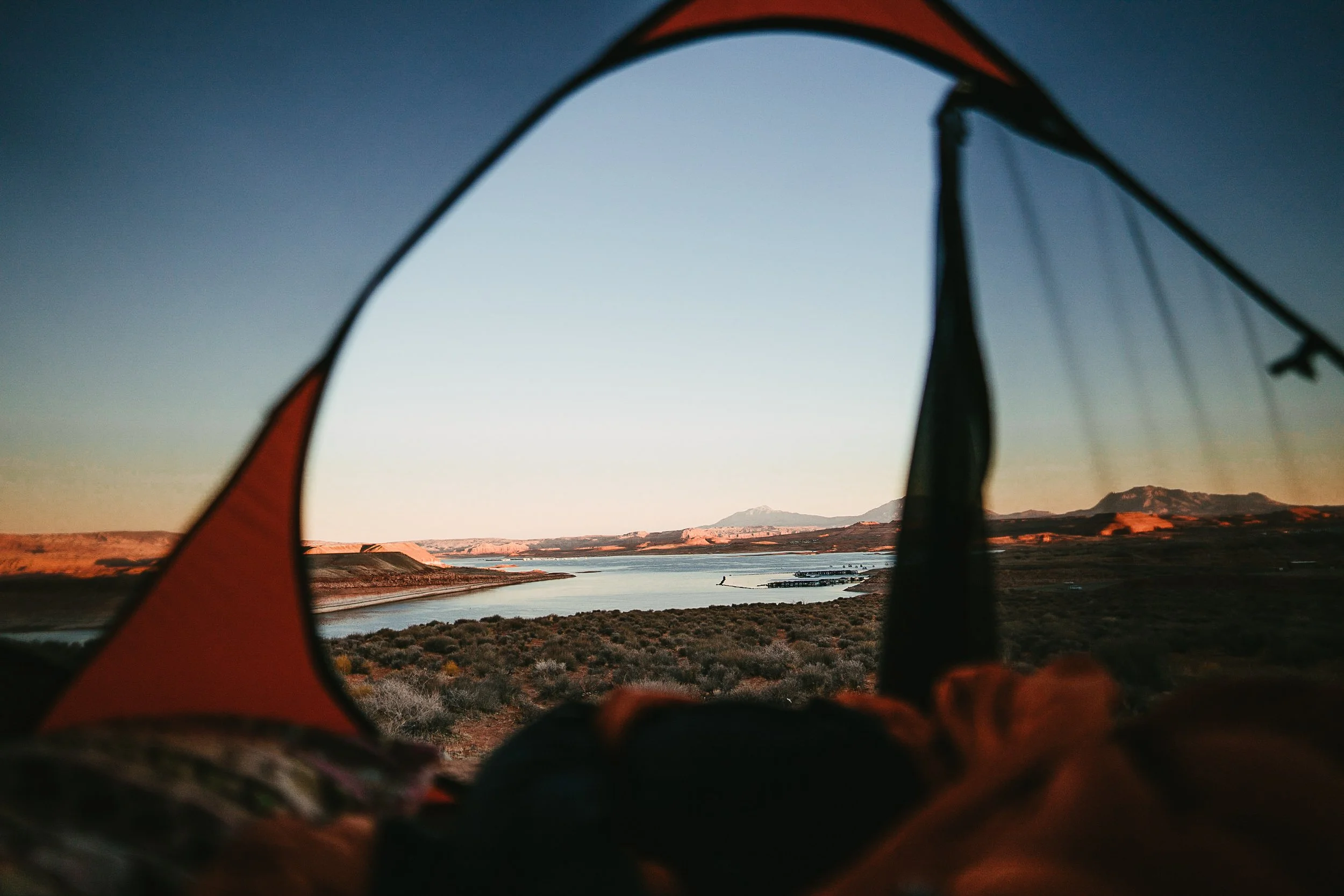
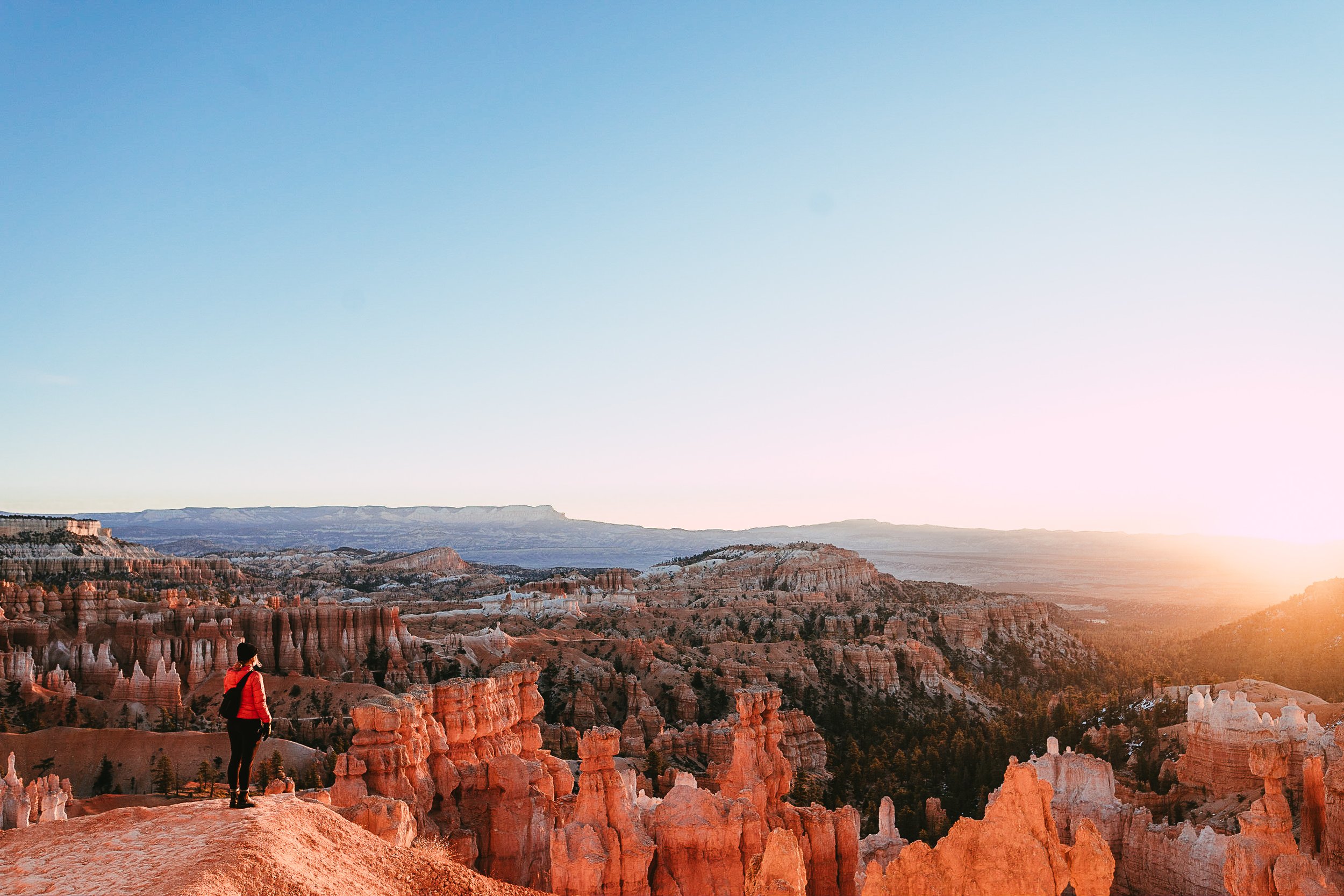
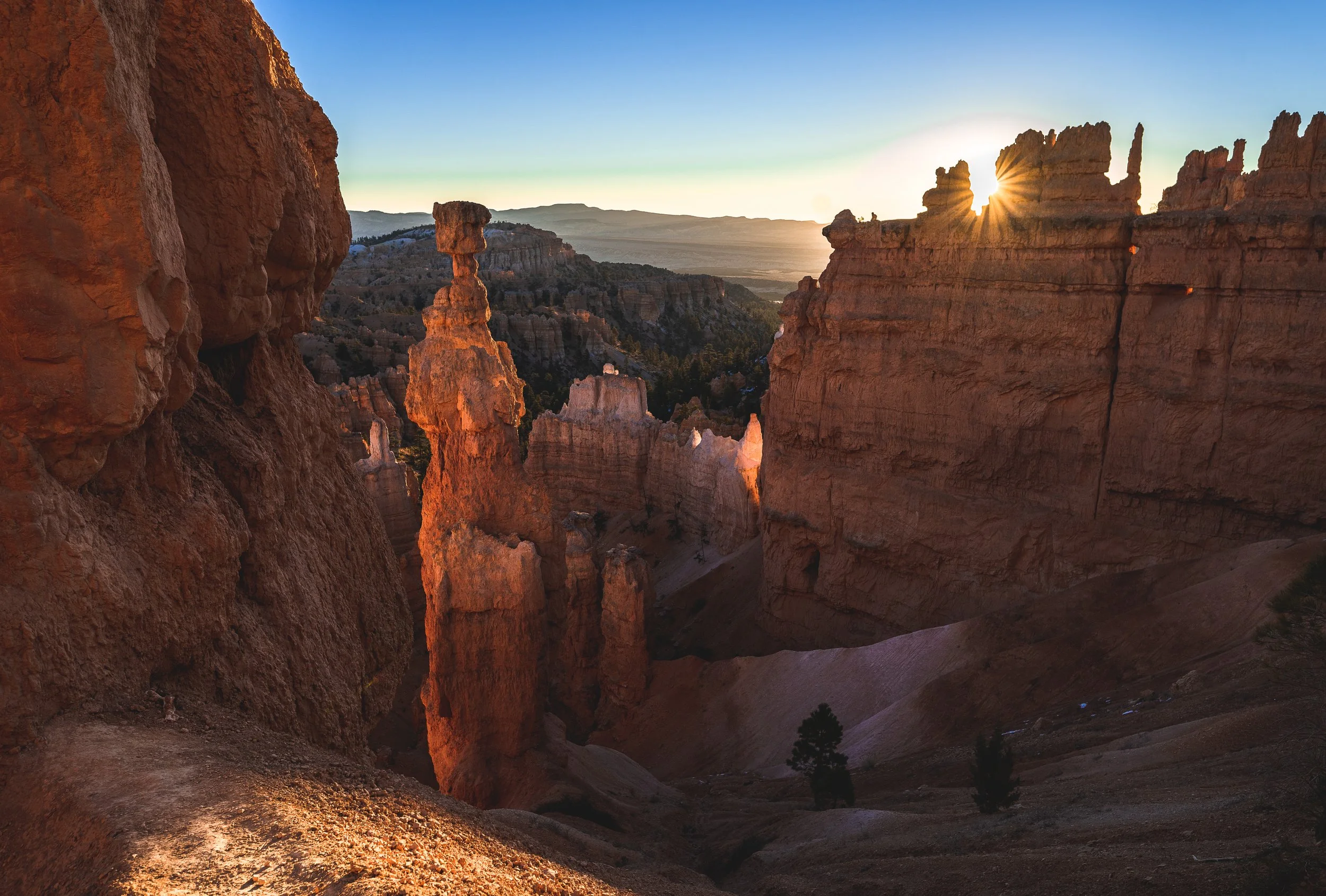
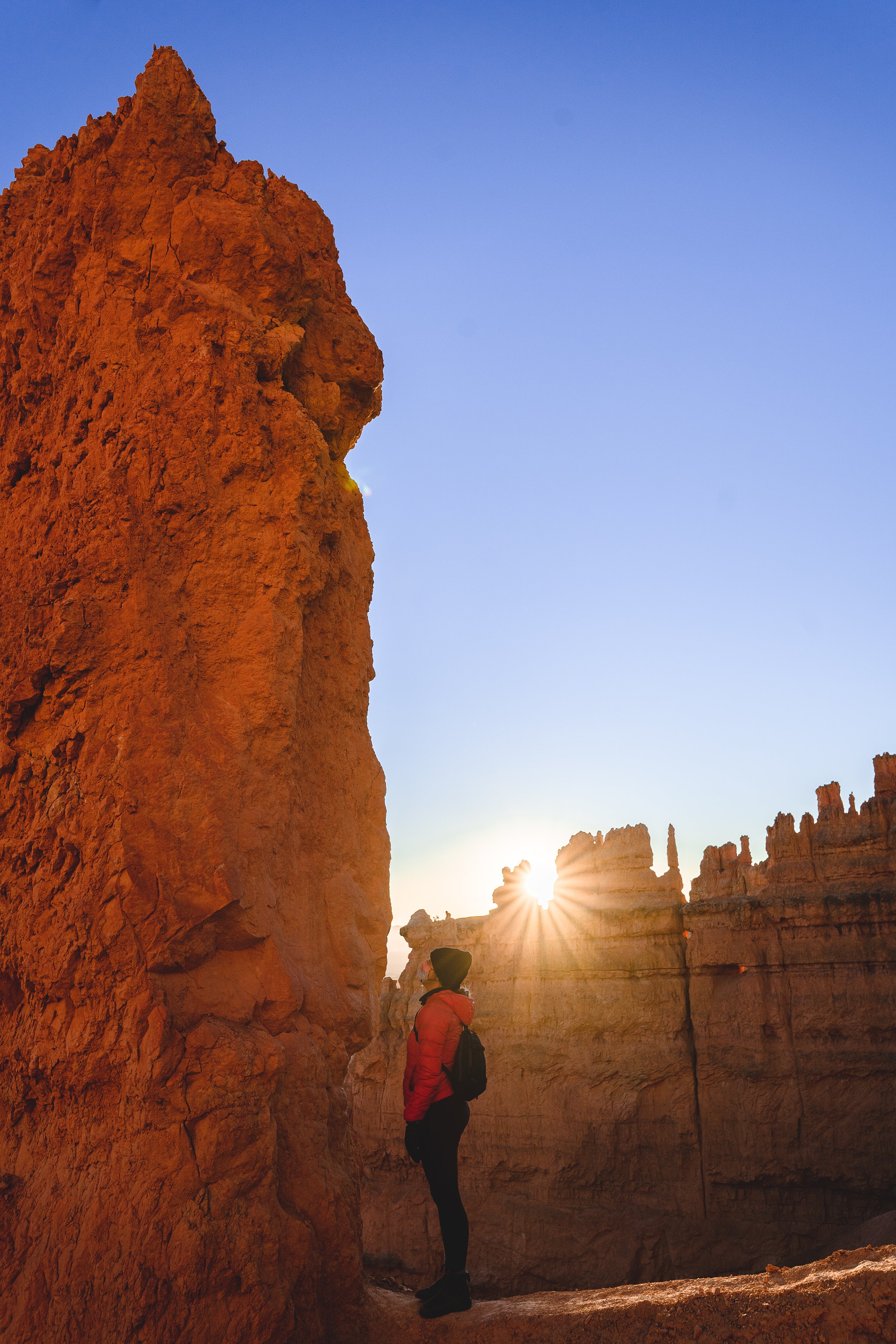

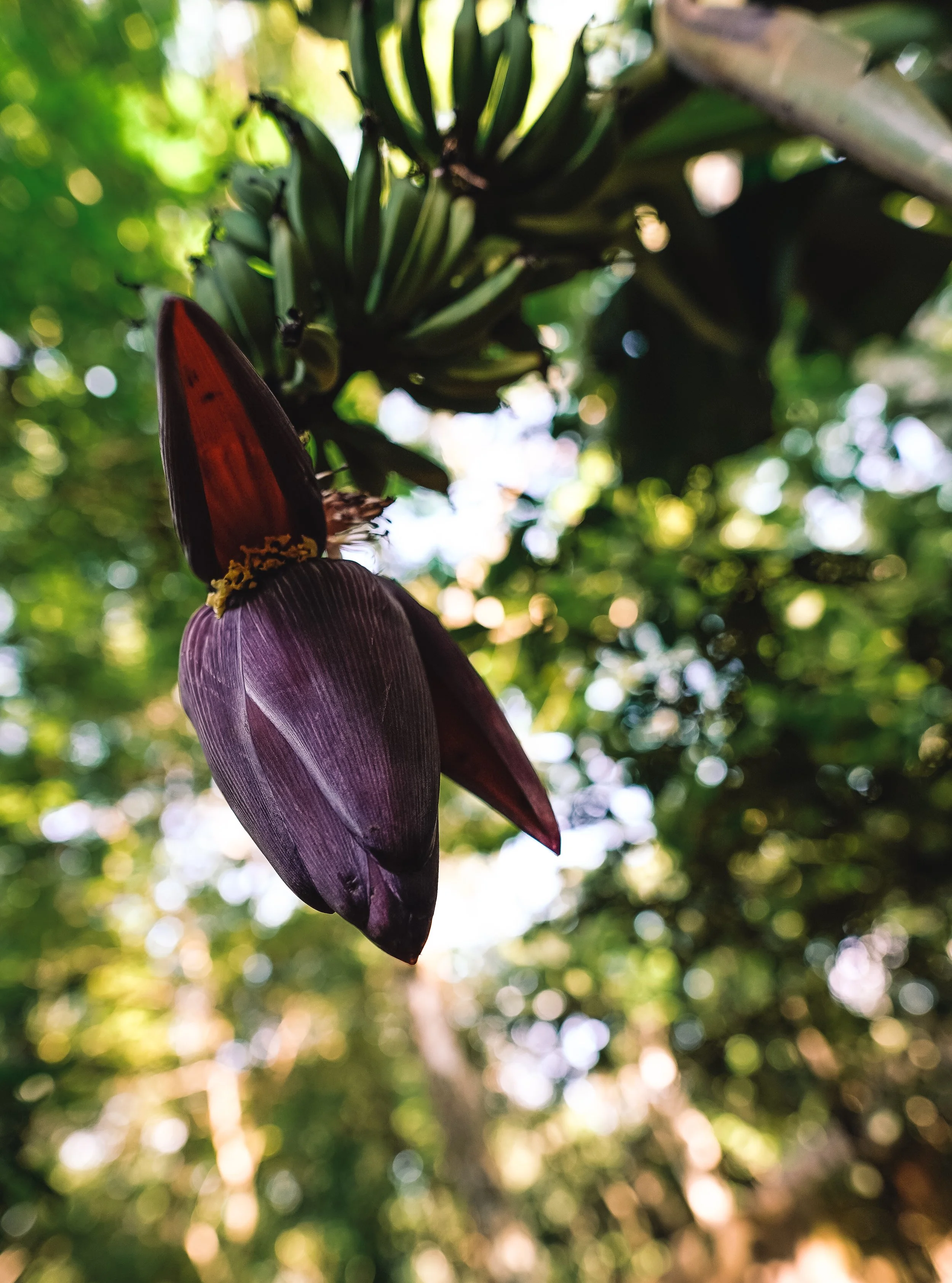
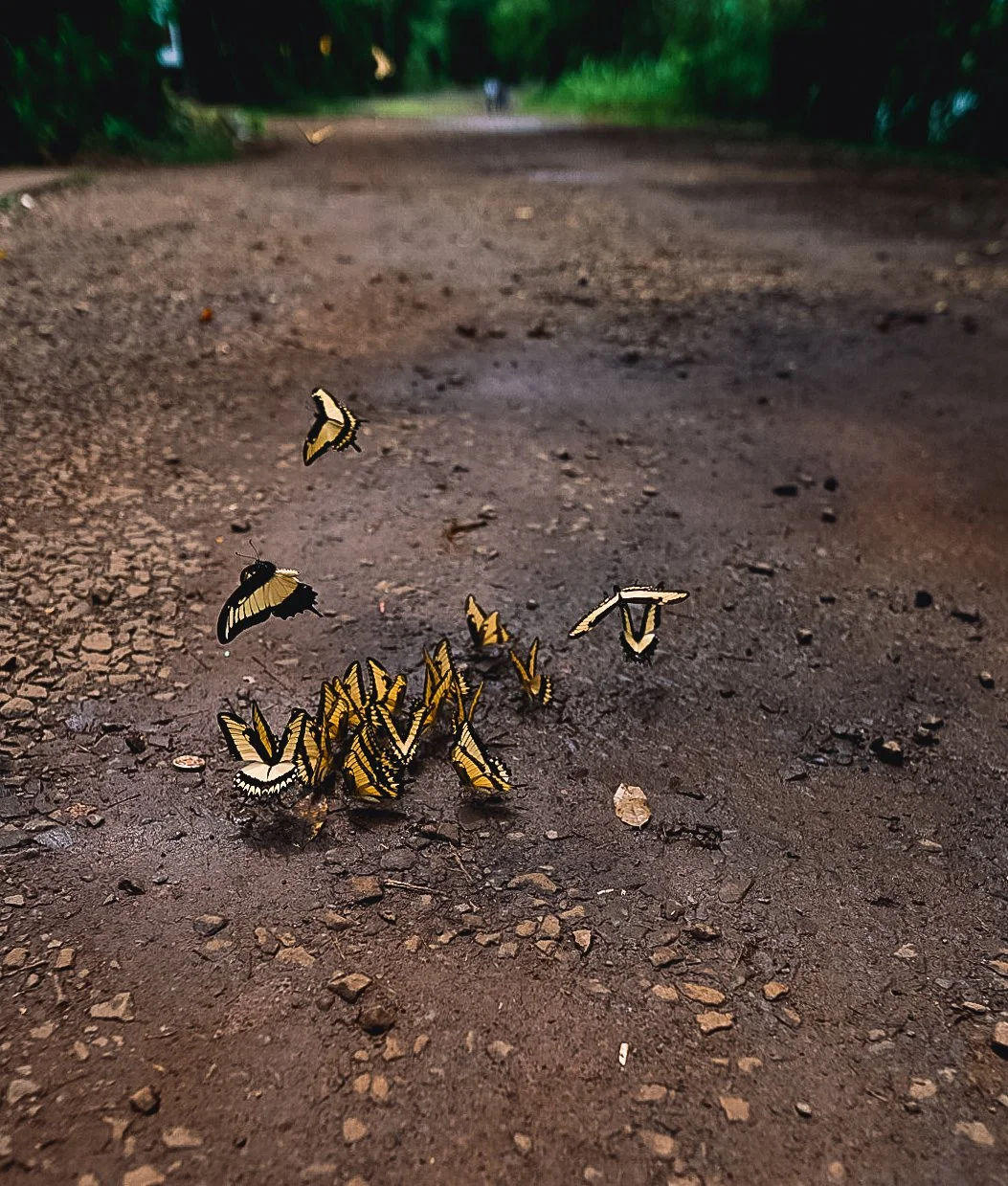
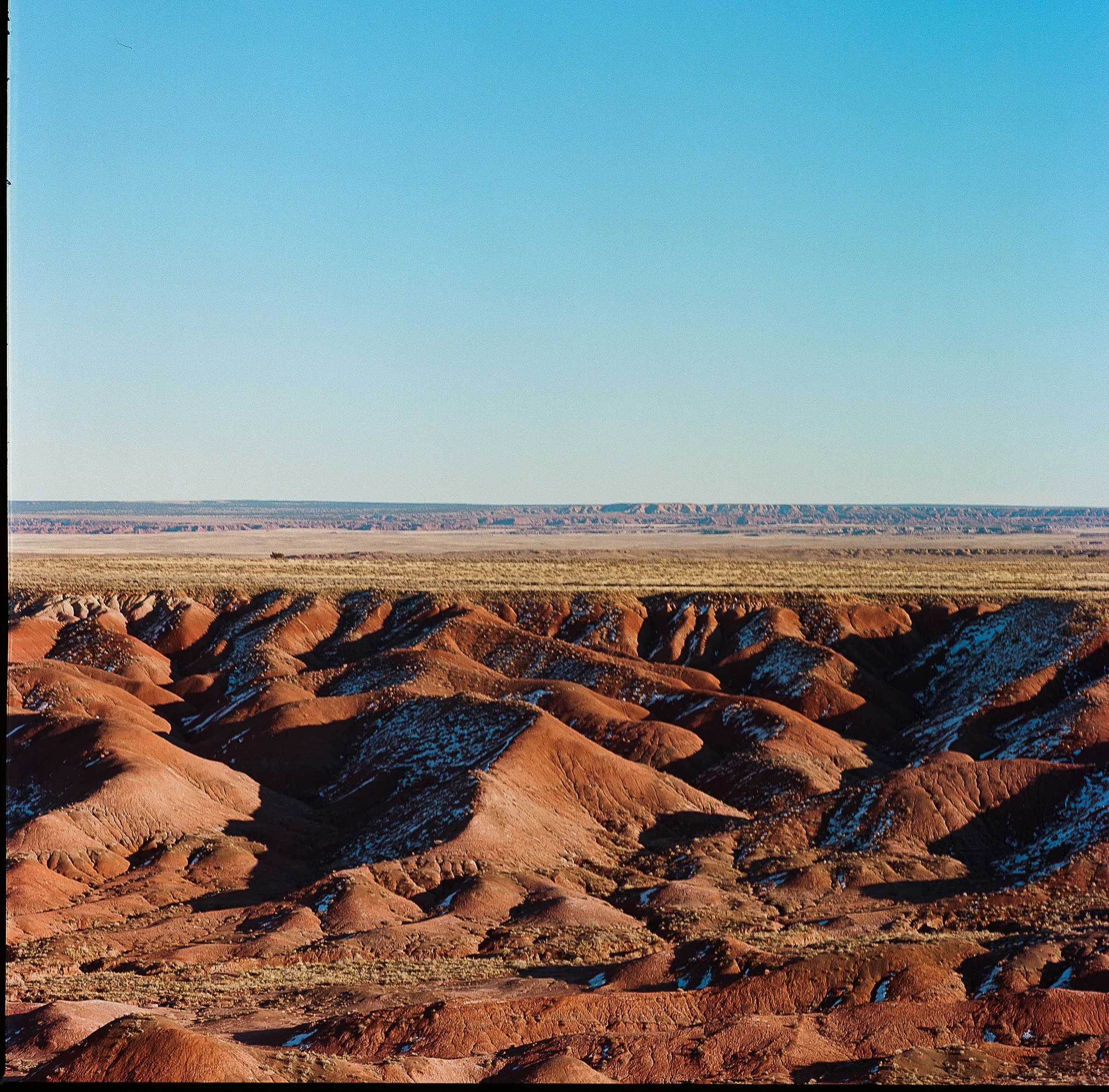
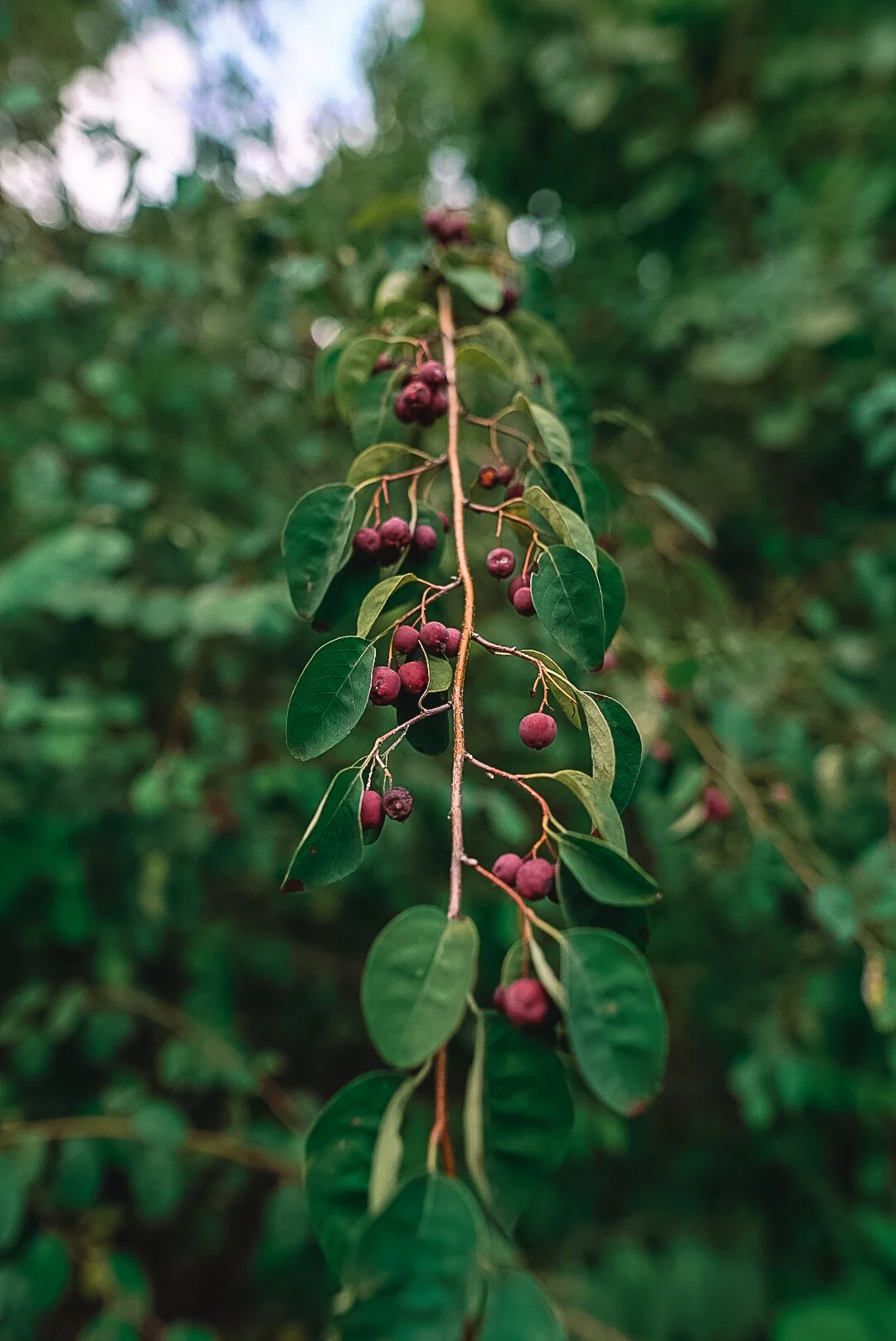
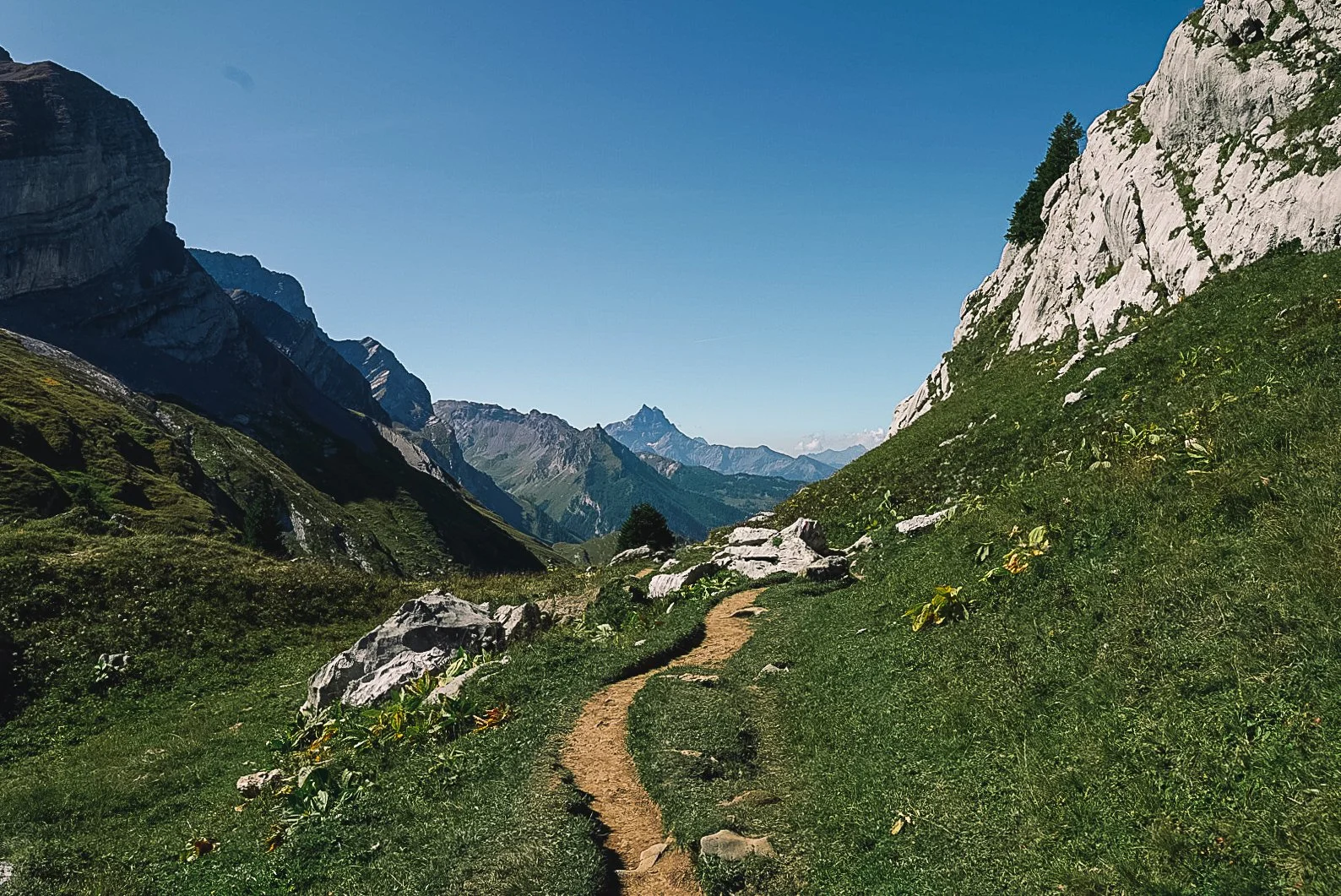
ECOSYSTEMS:
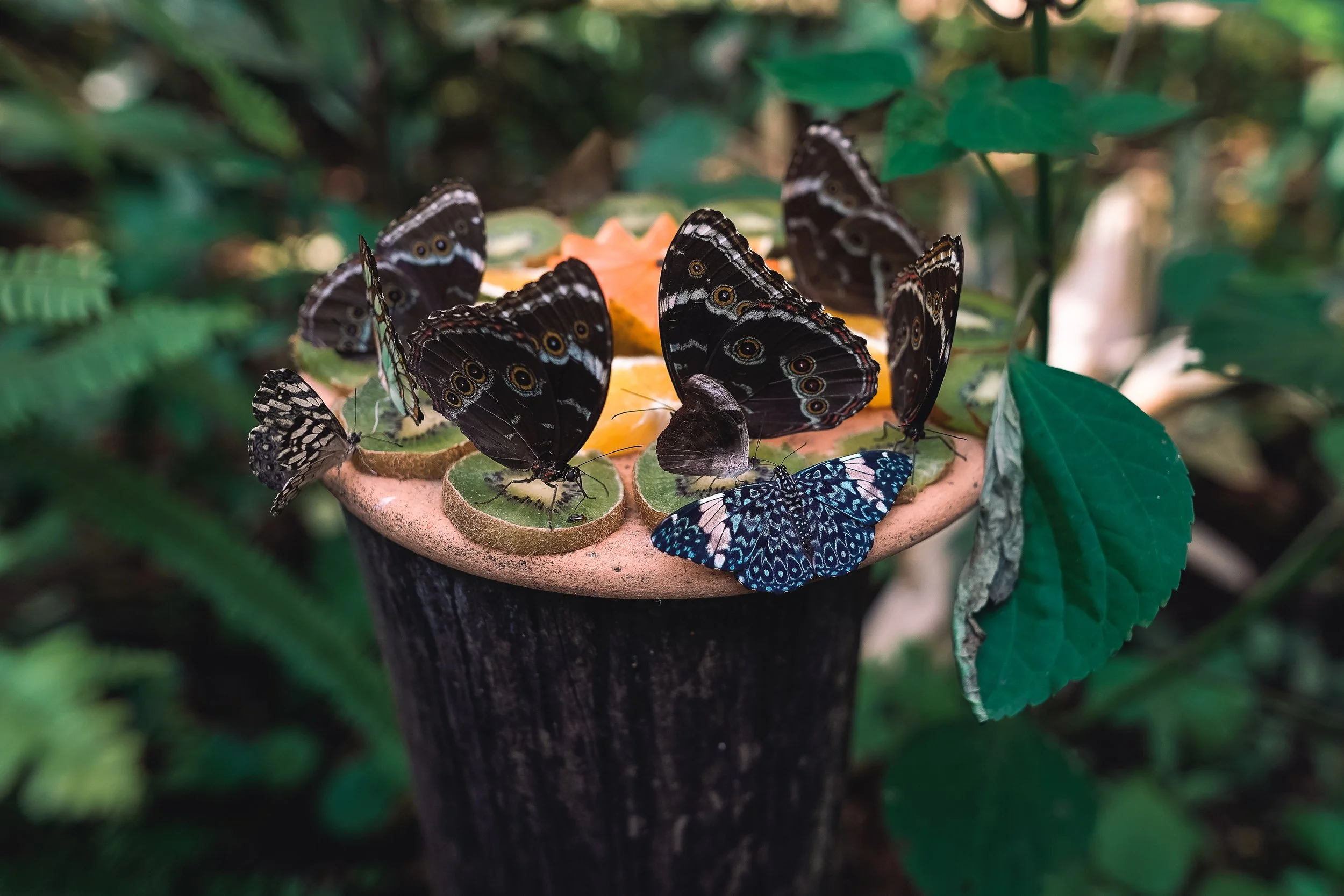
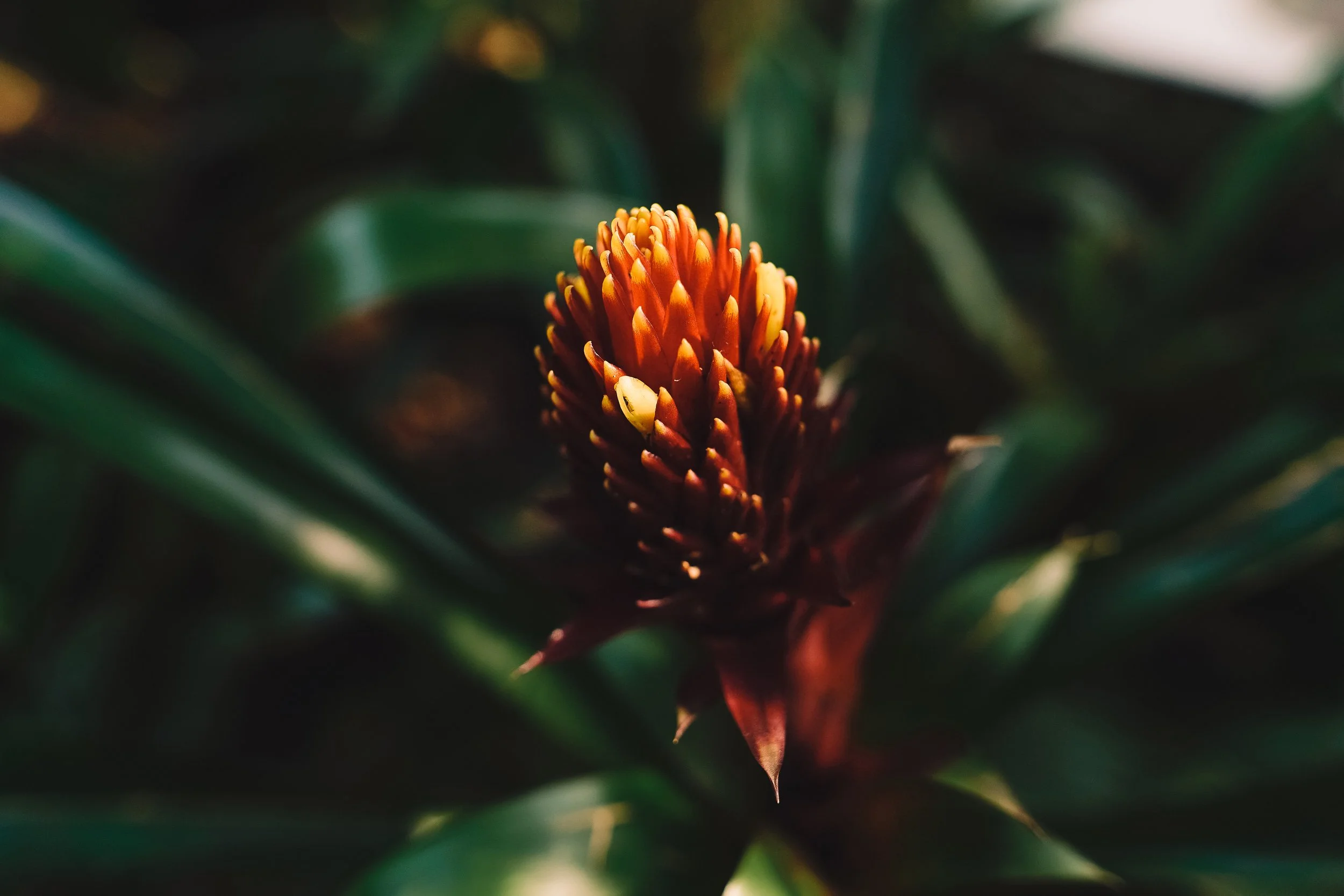
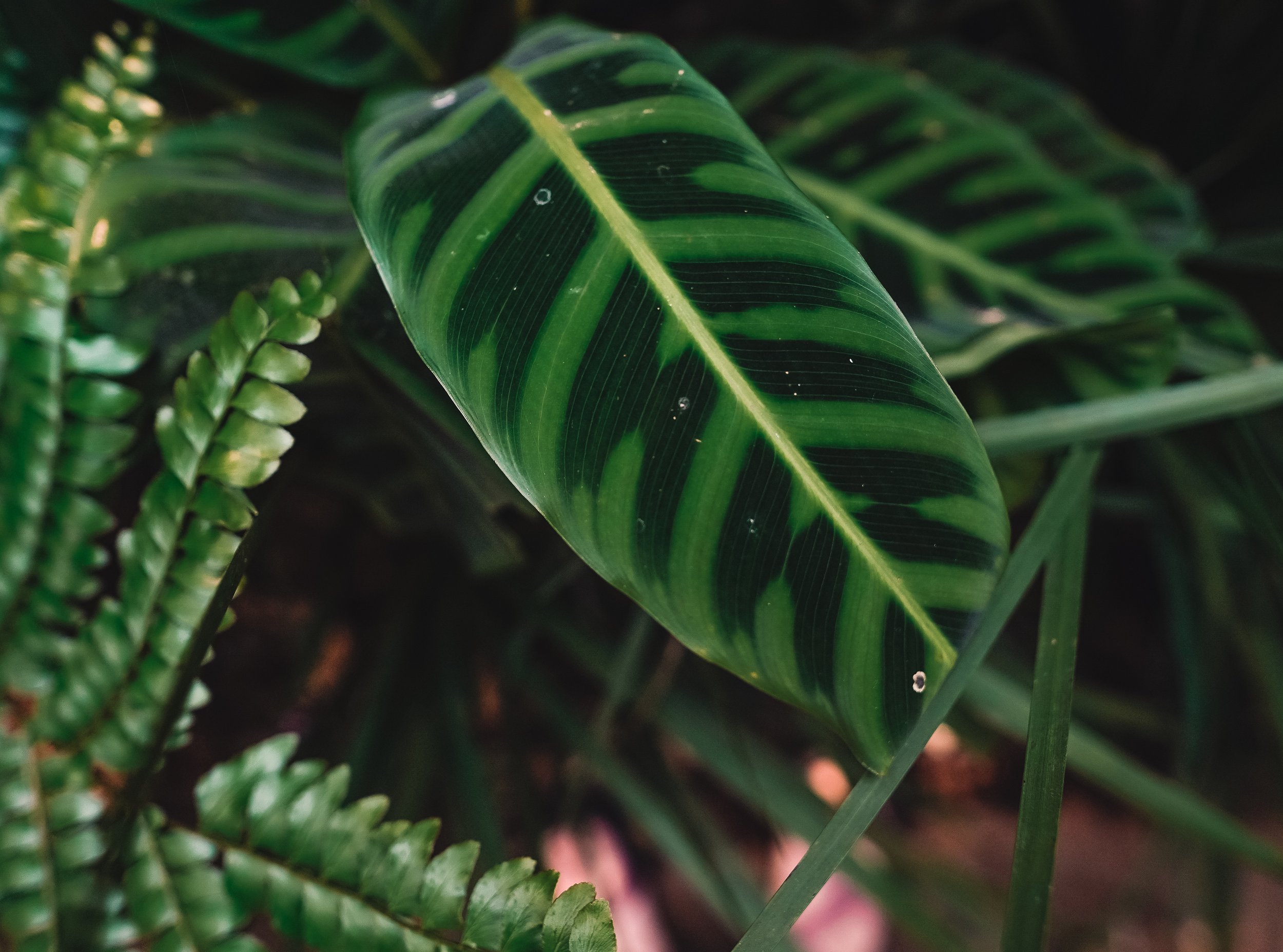
Communing With Nature
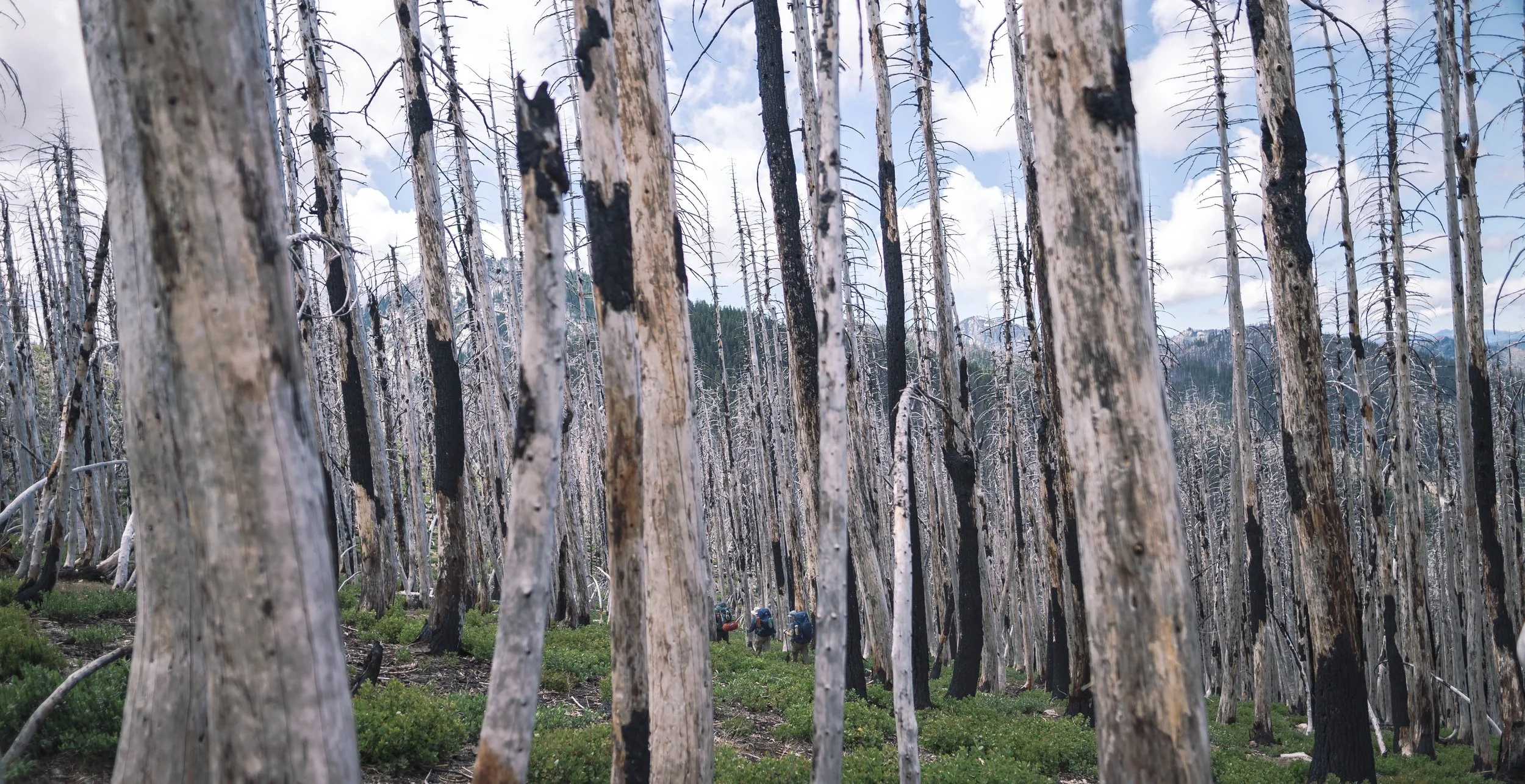
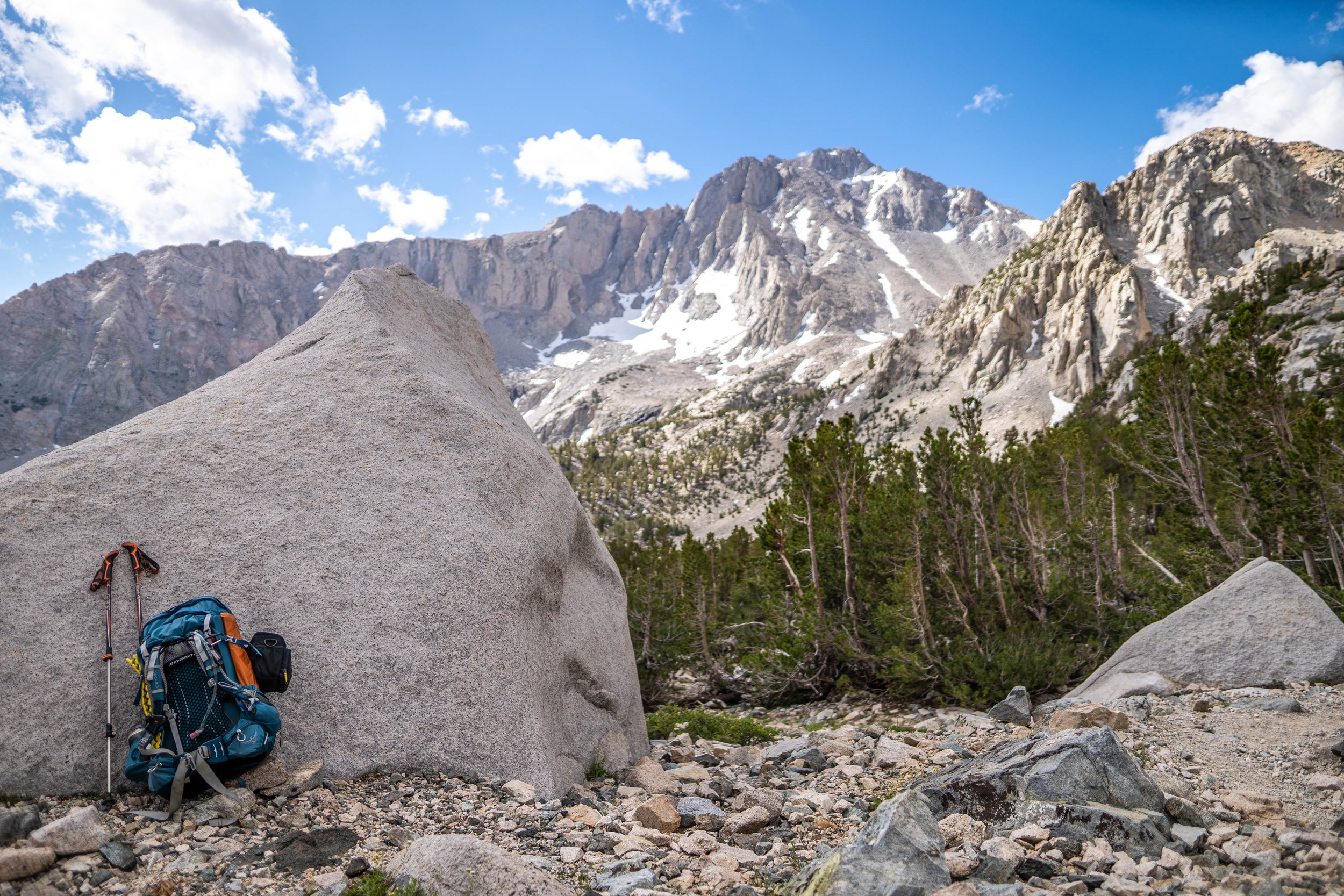
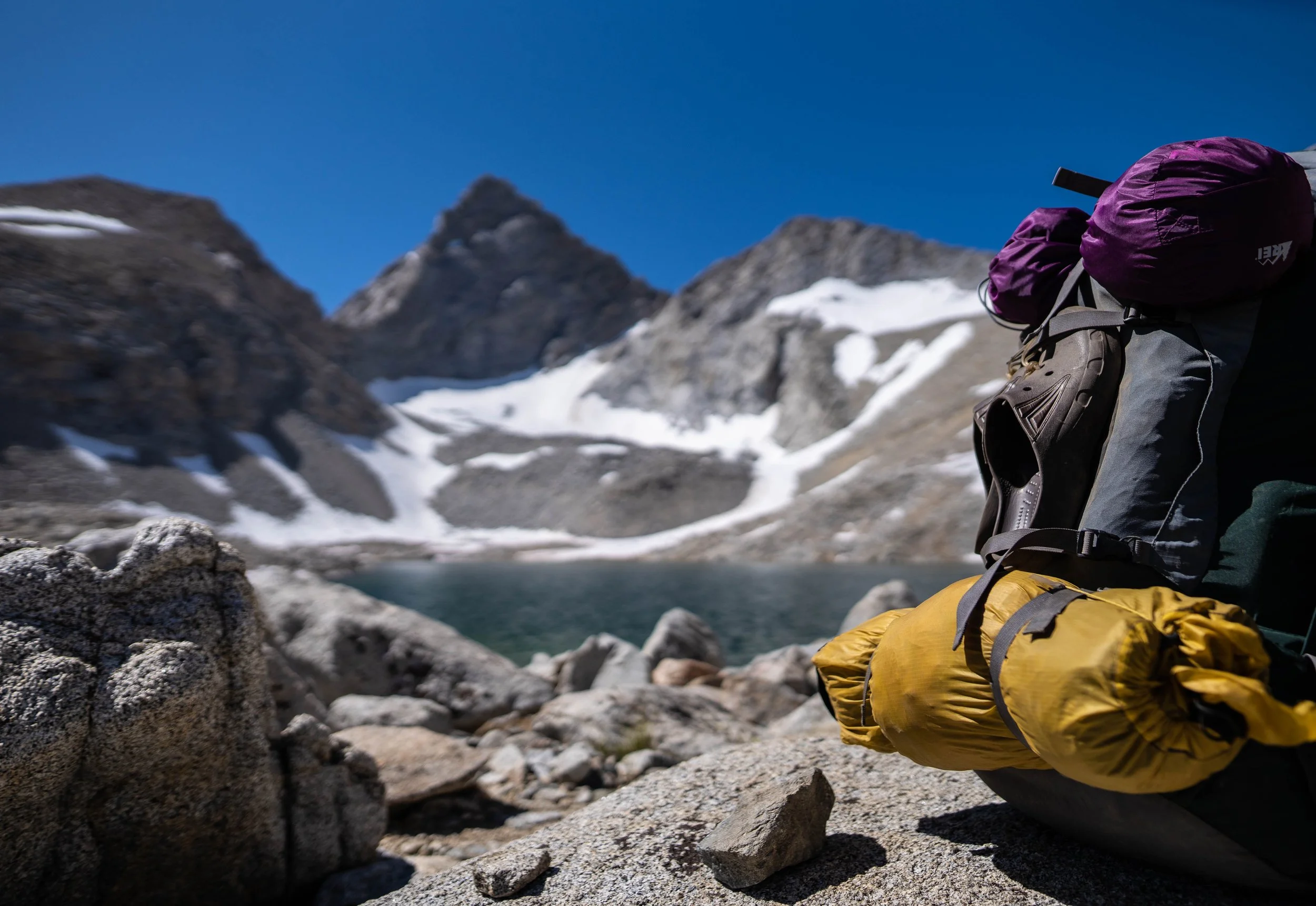
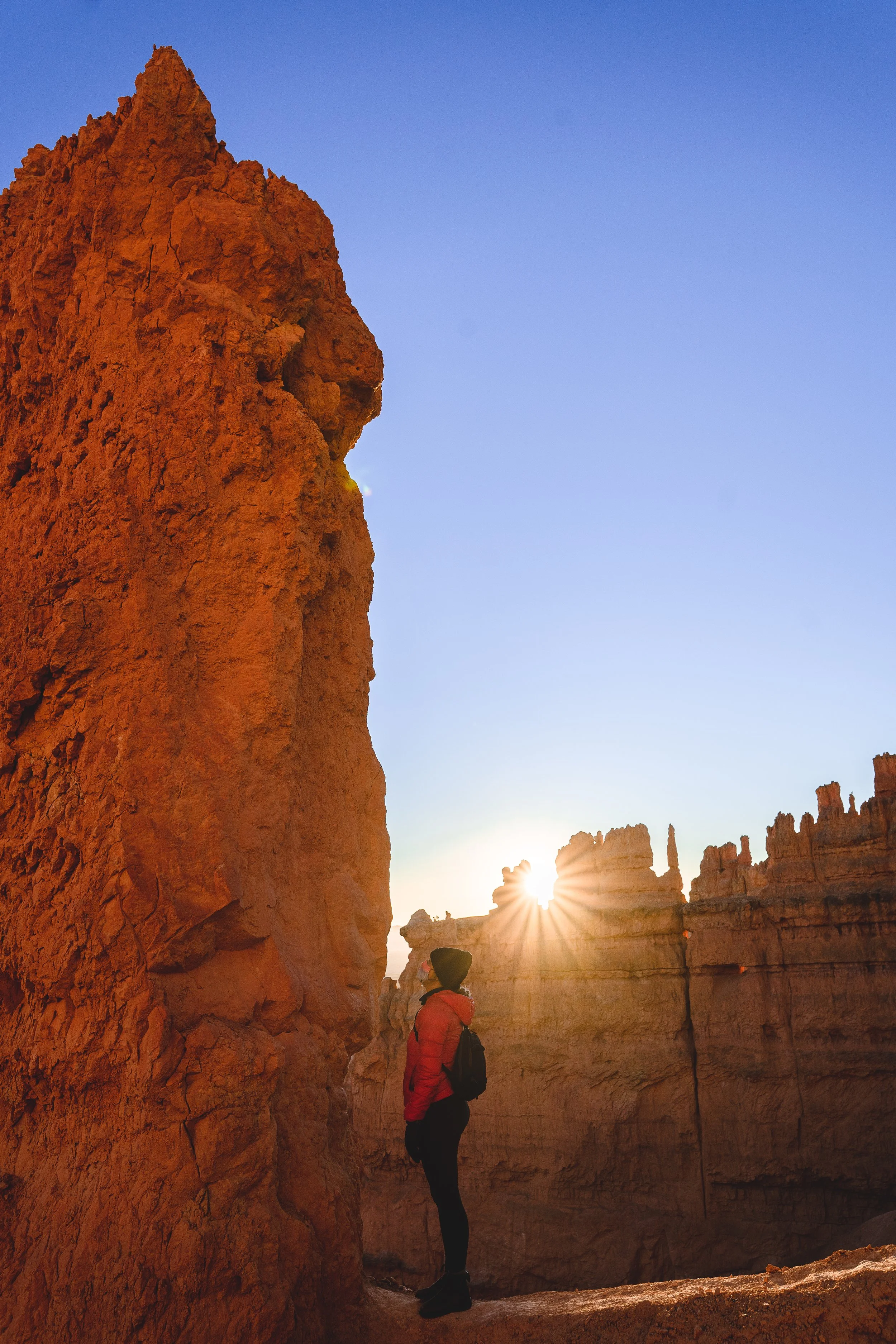
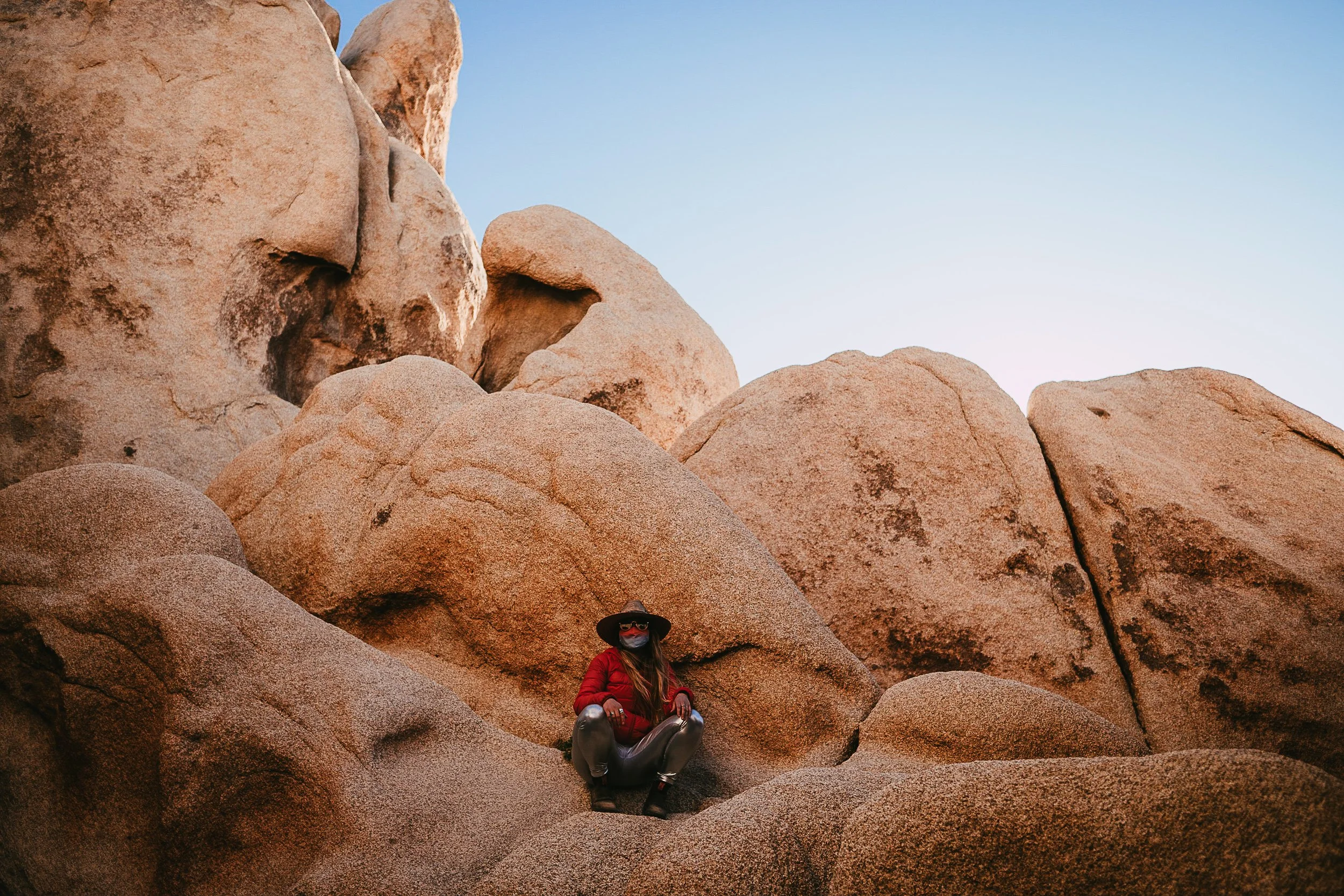
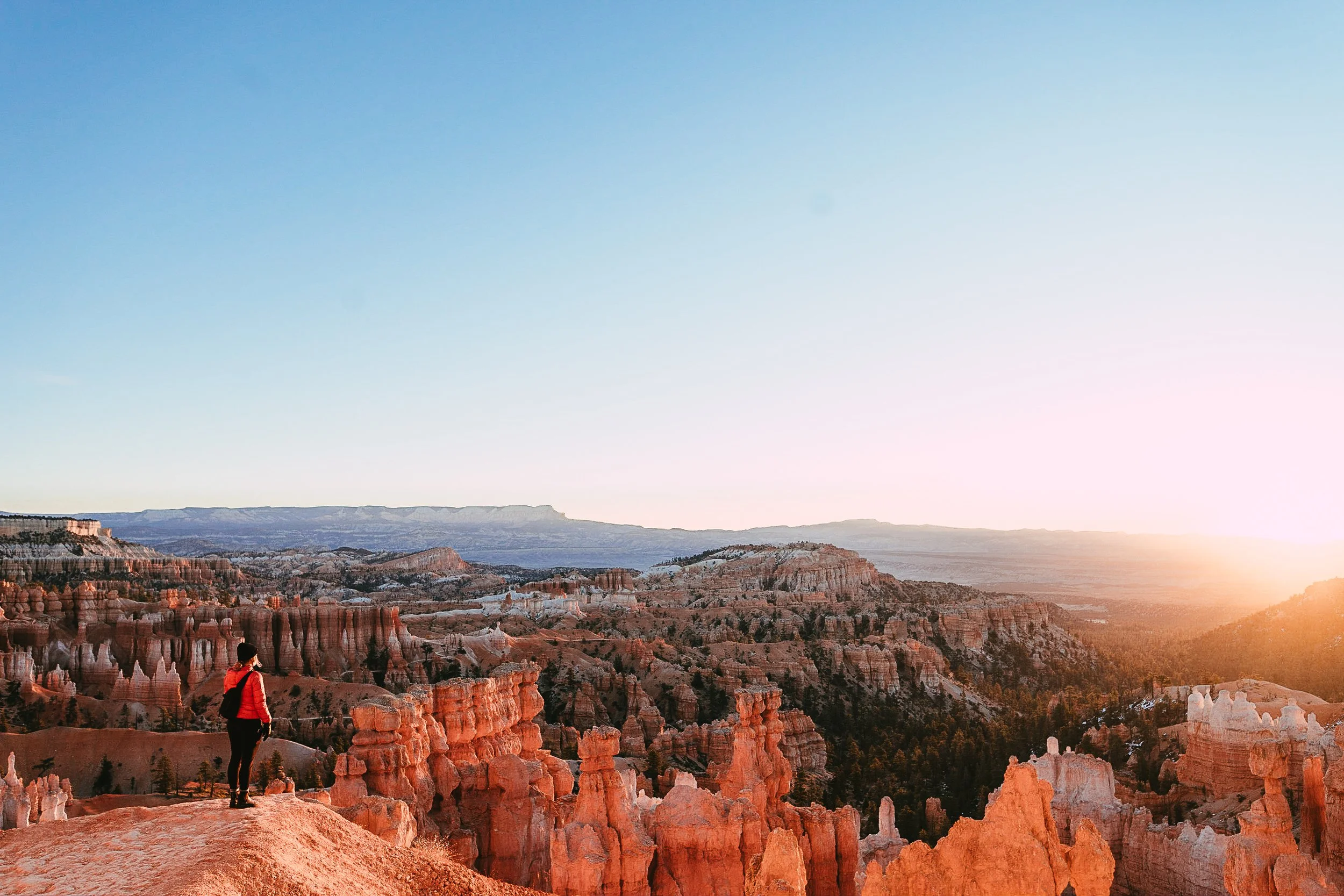
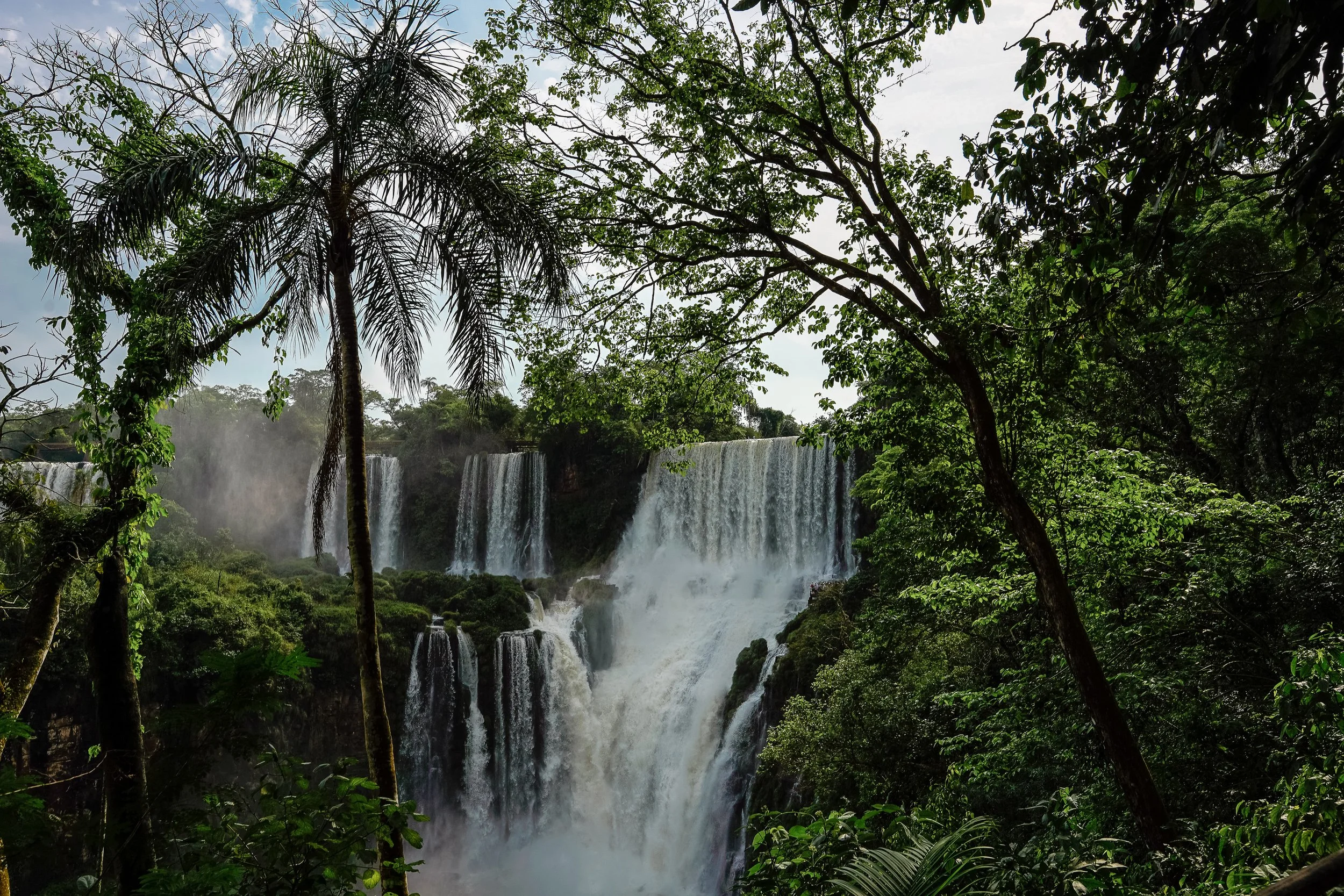
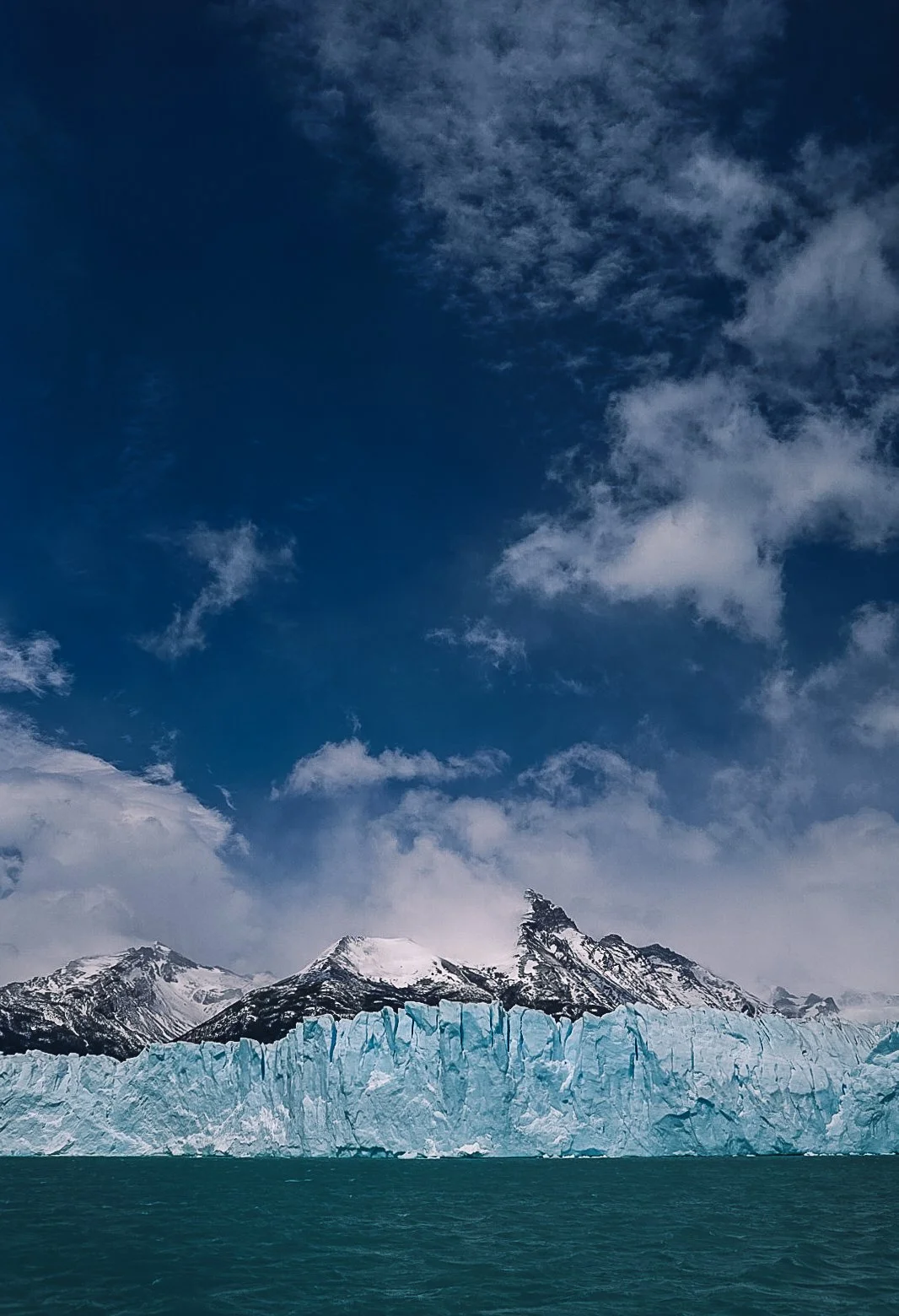
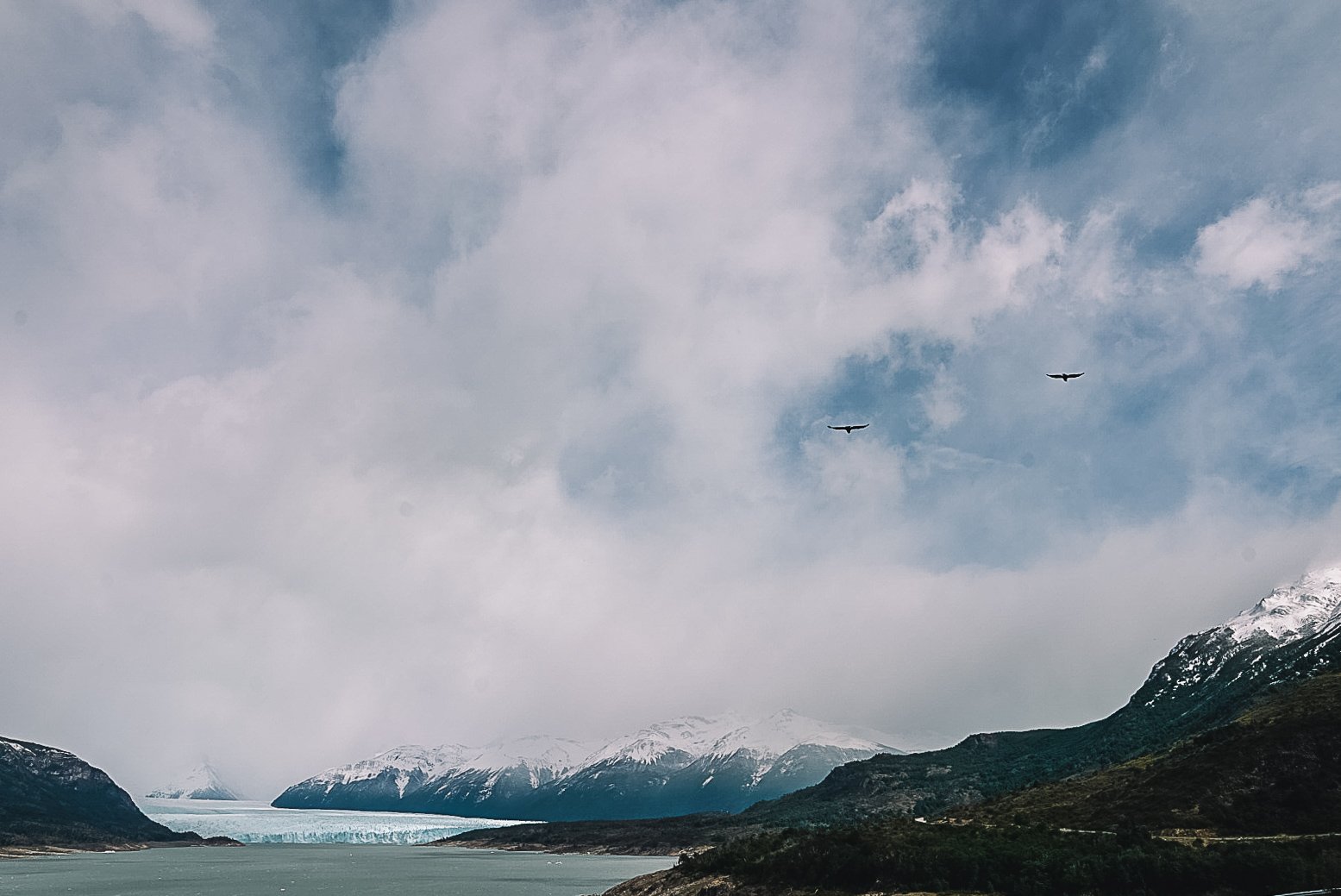
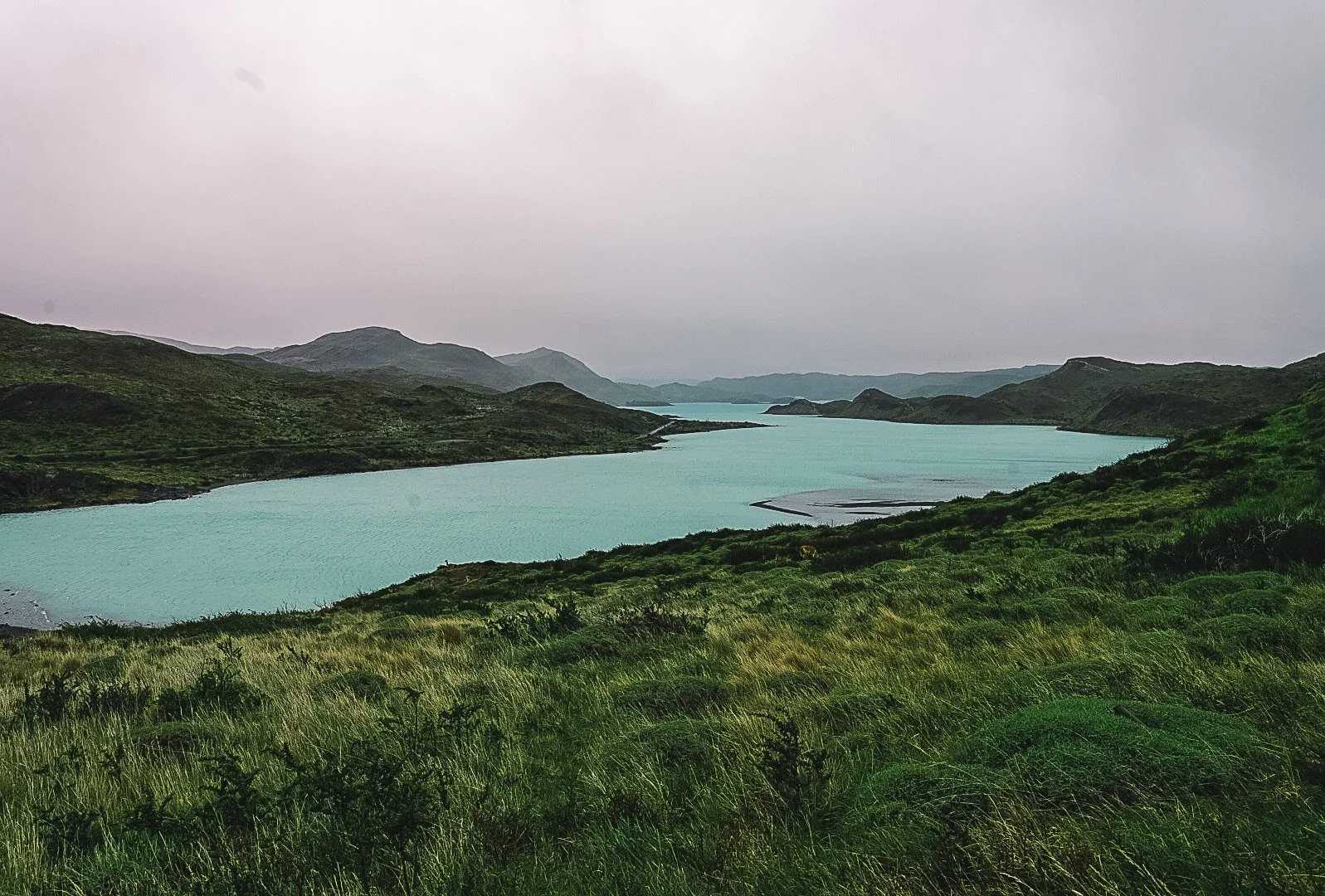
Intention: Develop a sense of place by utilizing contrast and observation.
Inquire: Ask yourself, how might we use the art of noticing to gain a better sense of self and belonging?
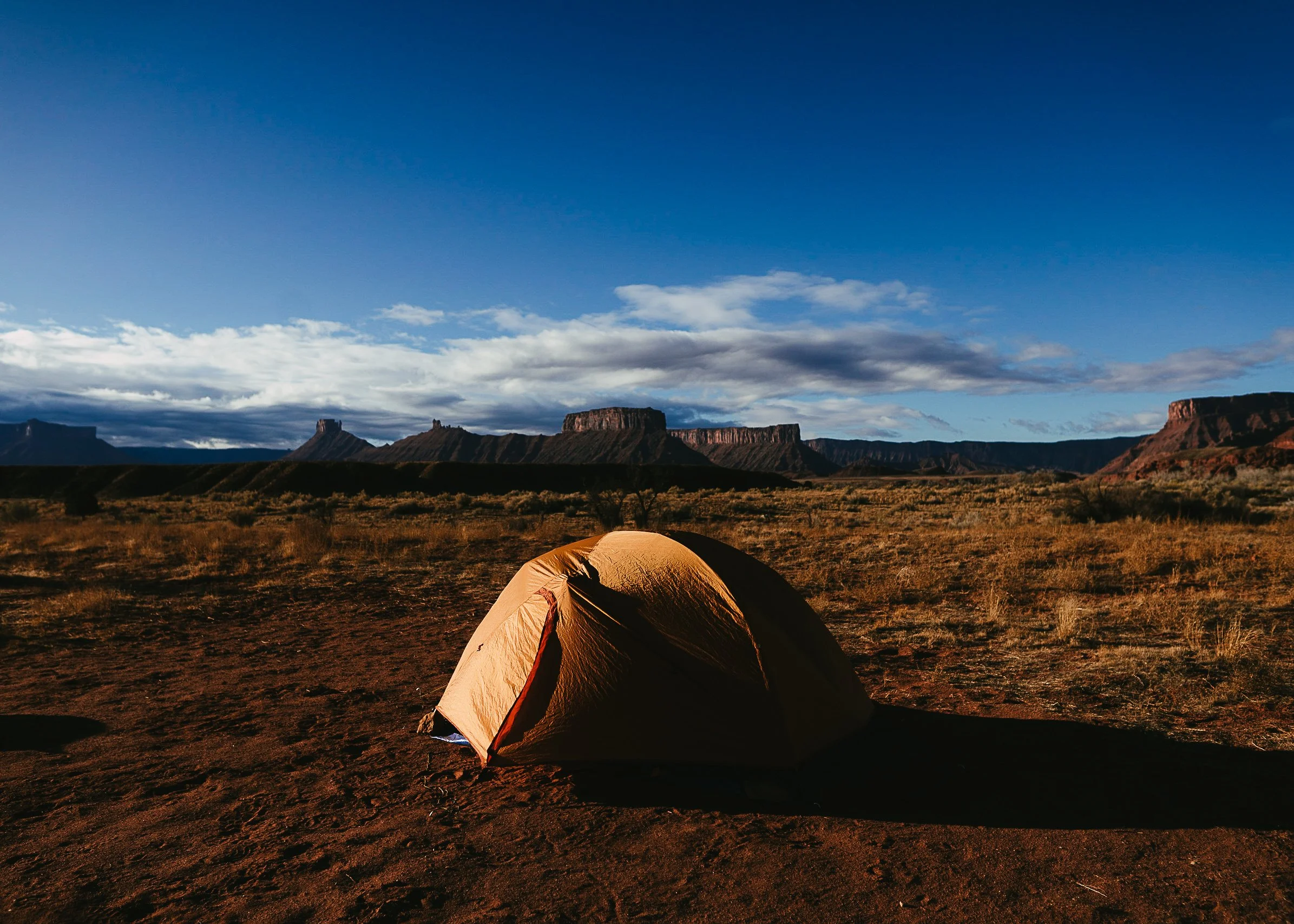
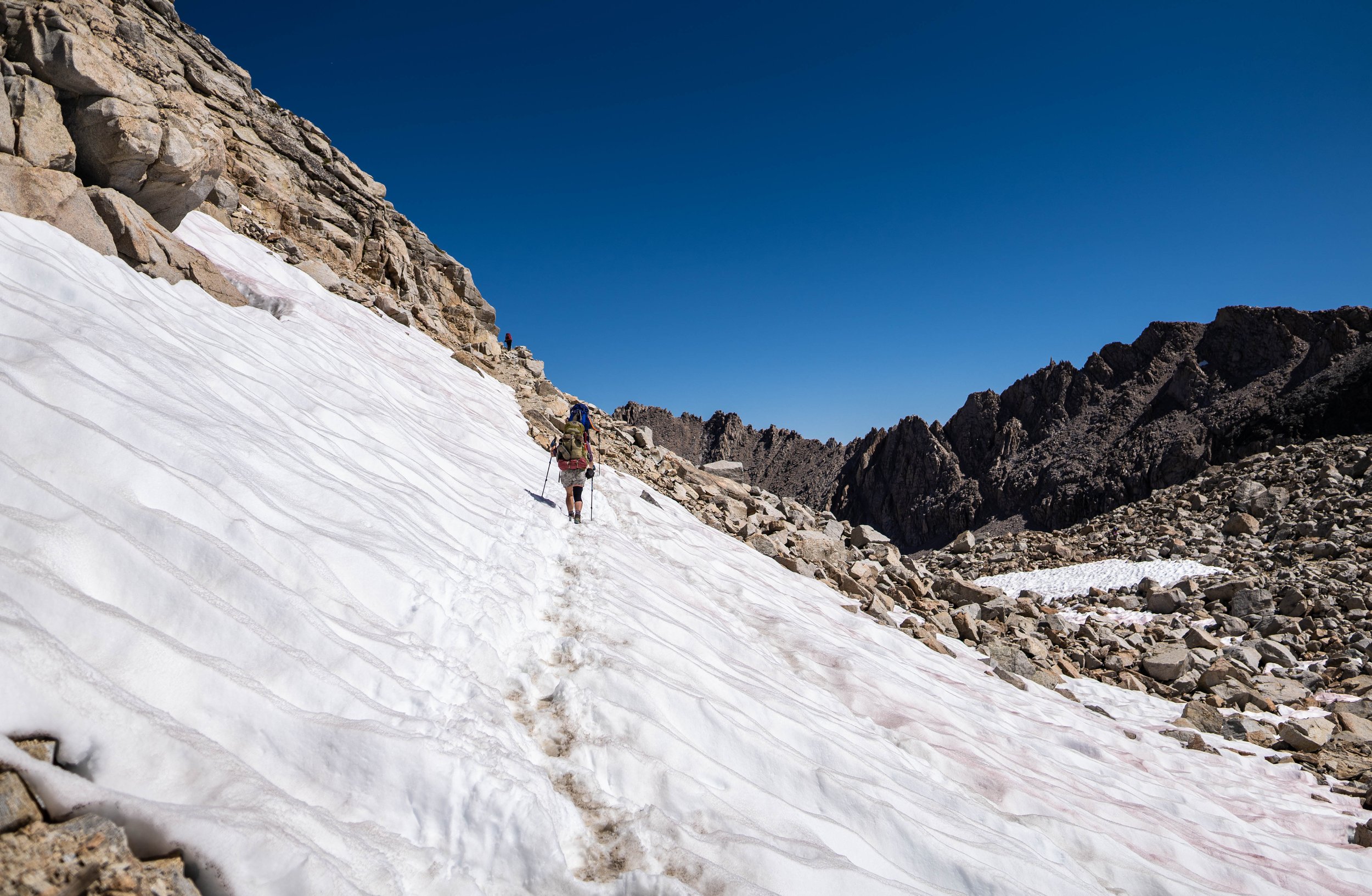
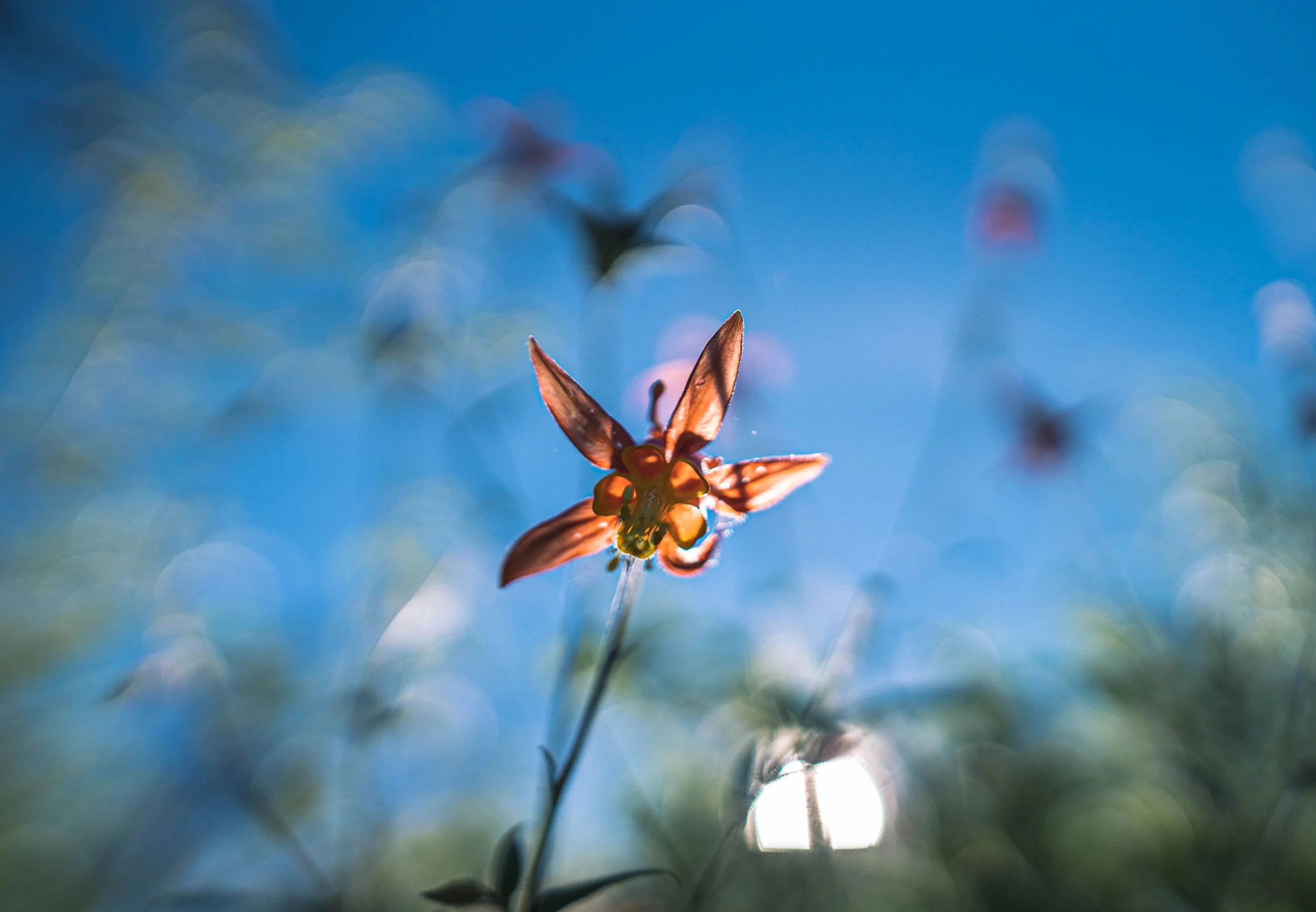
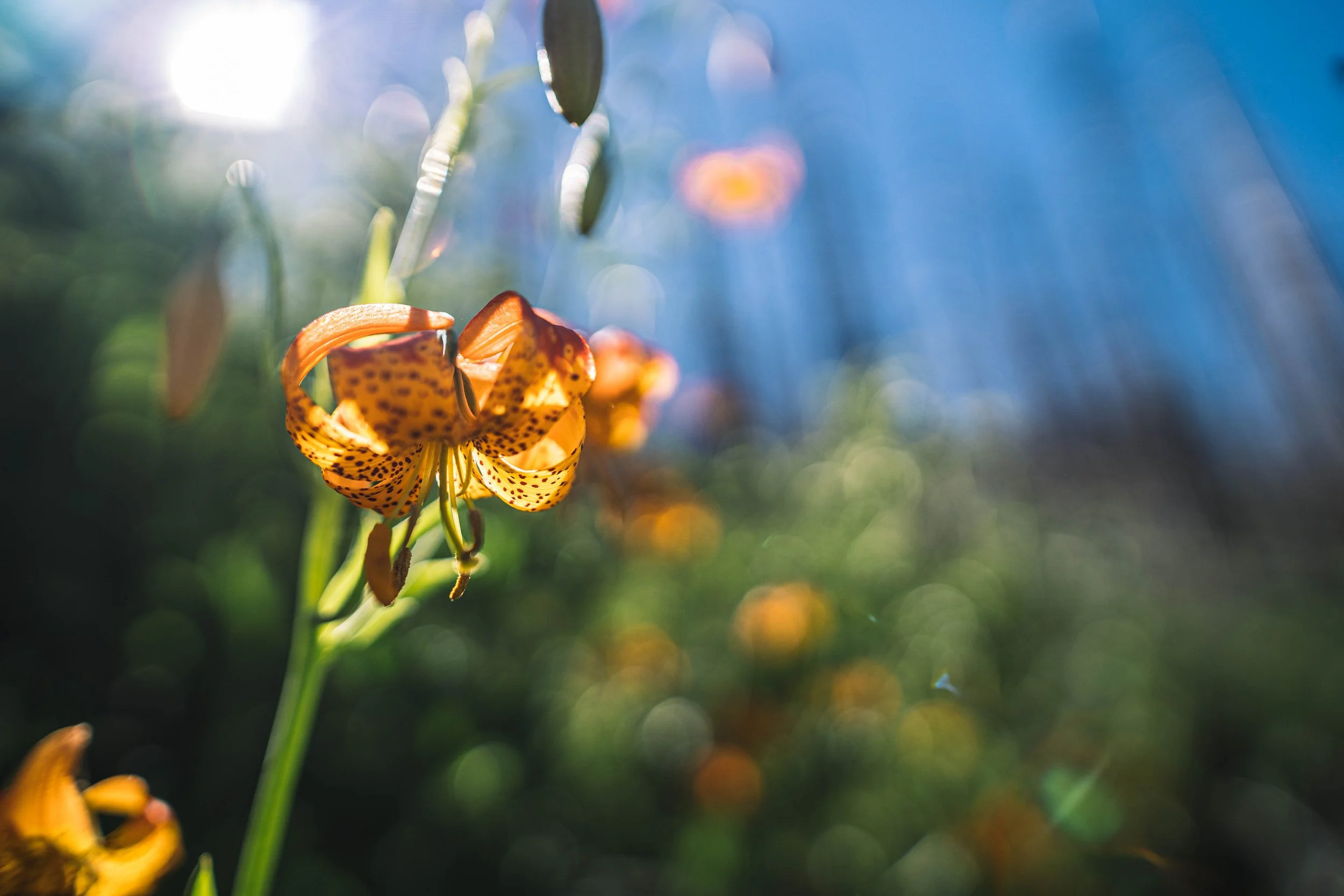
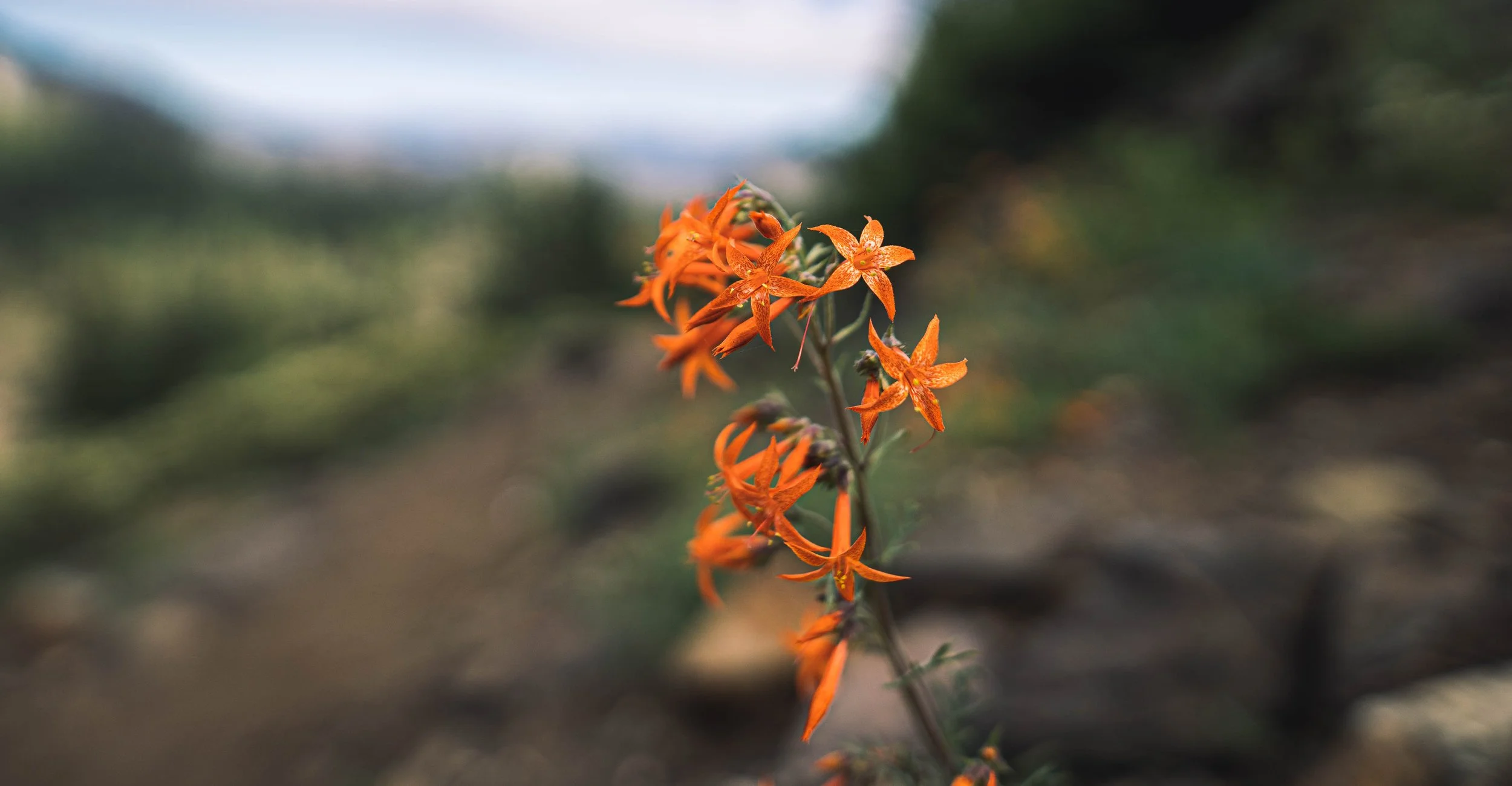
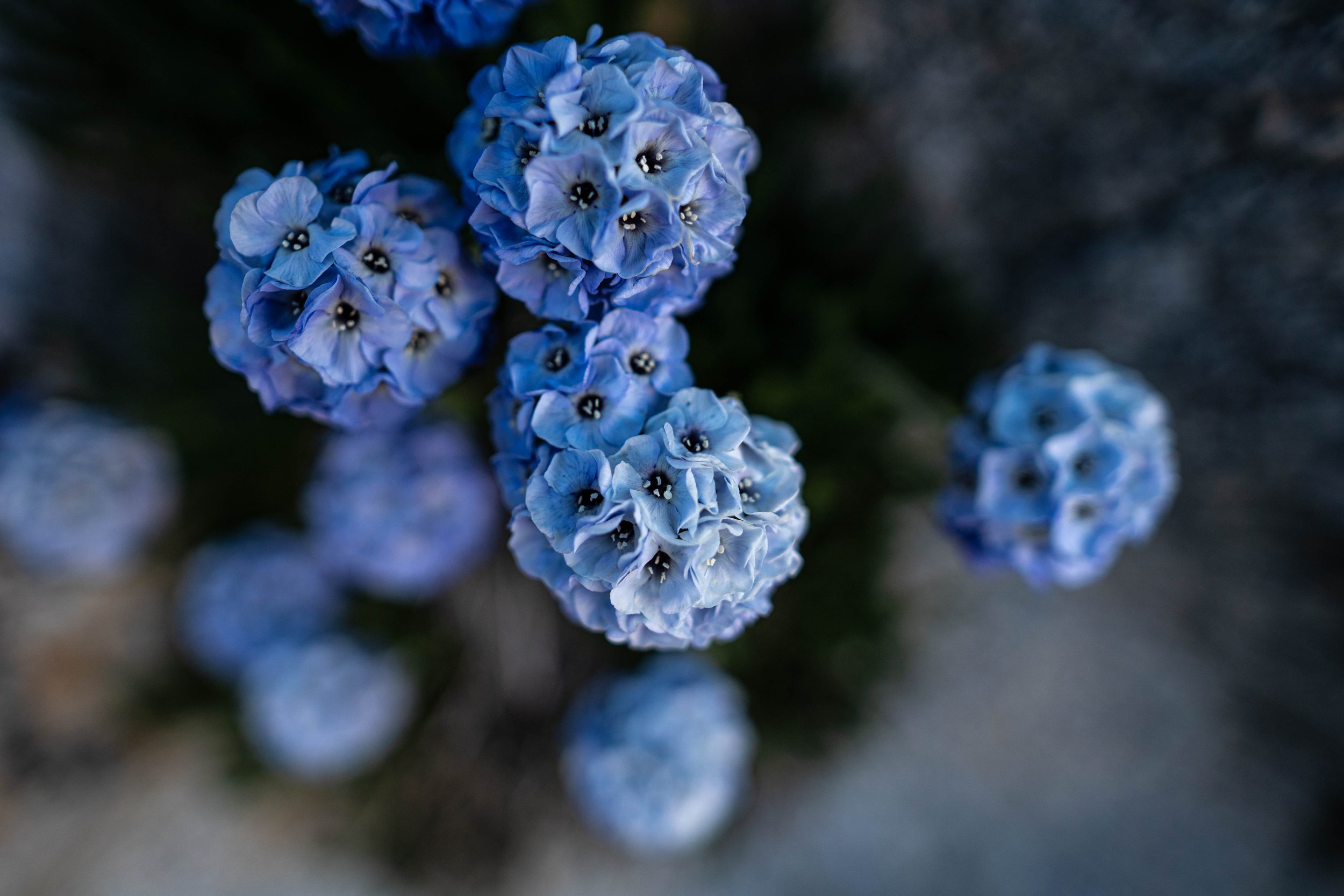
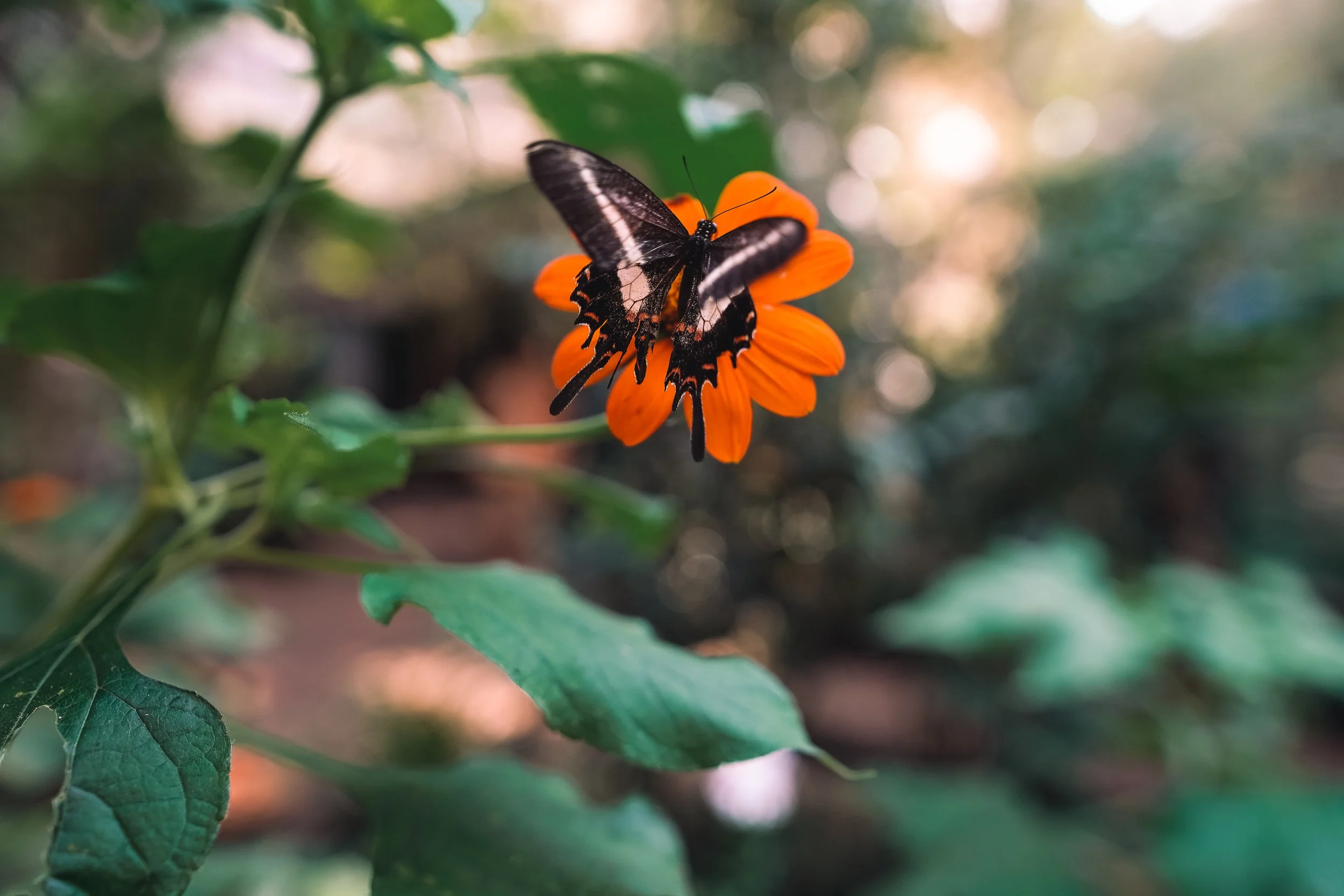
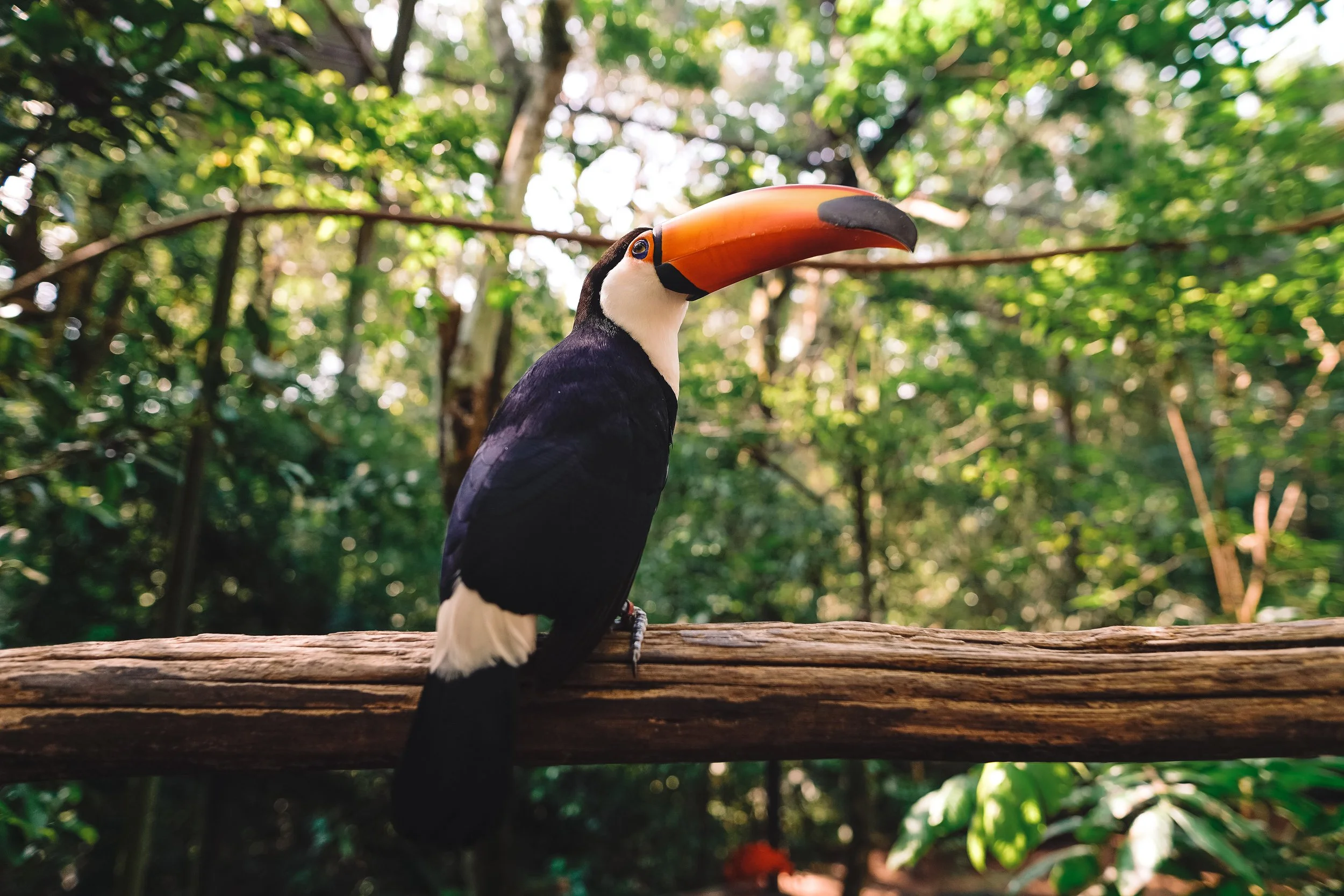
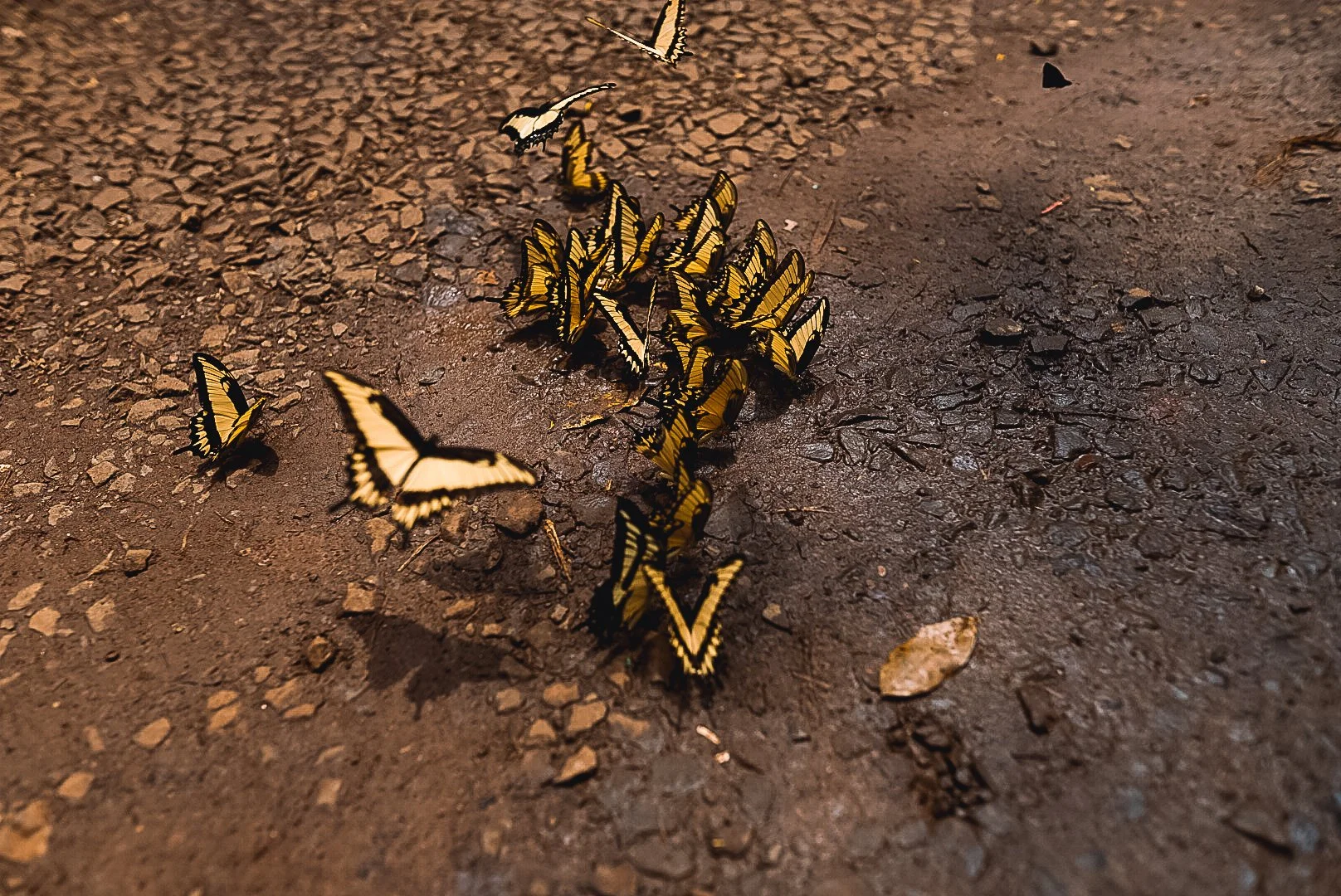
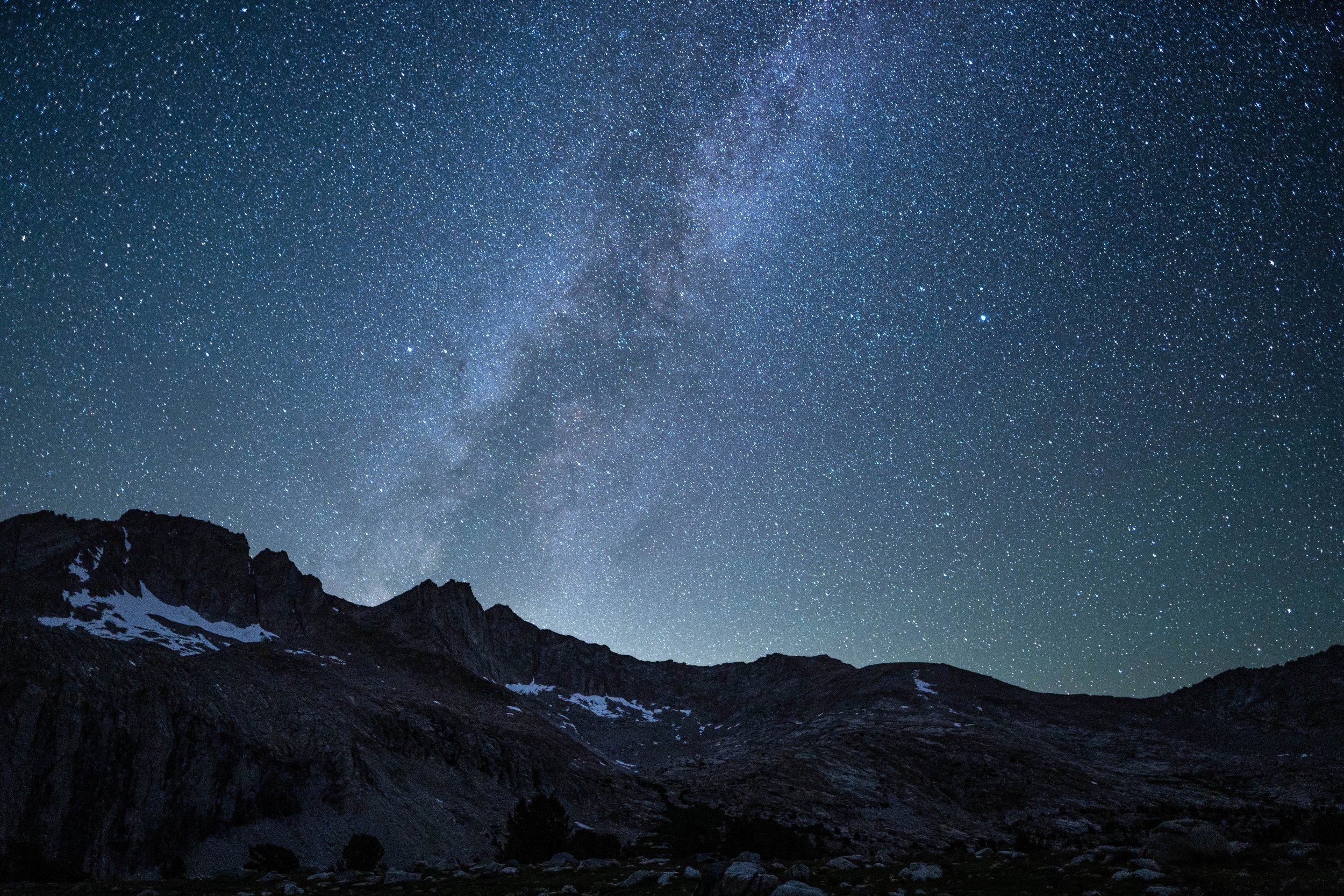
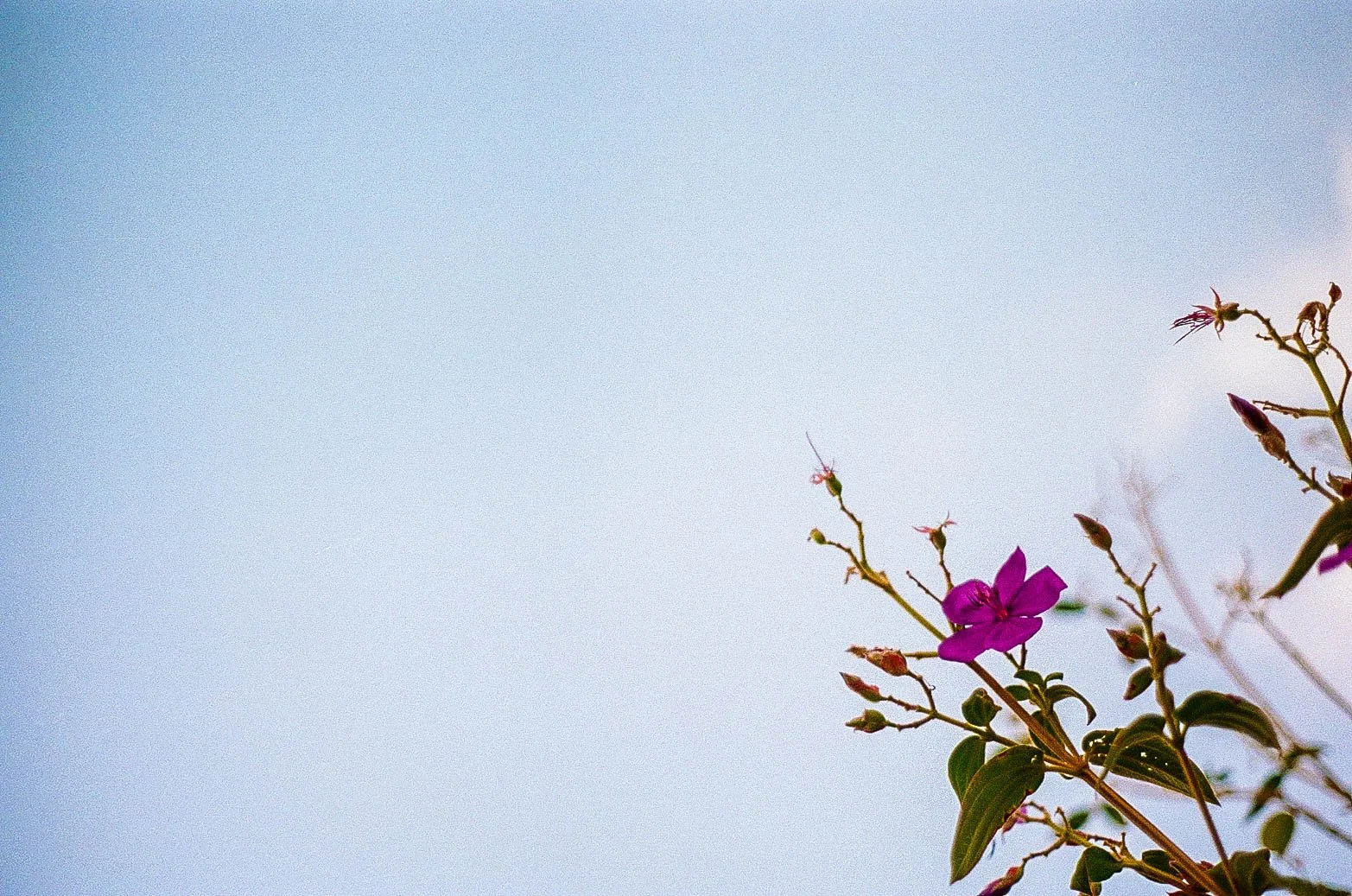
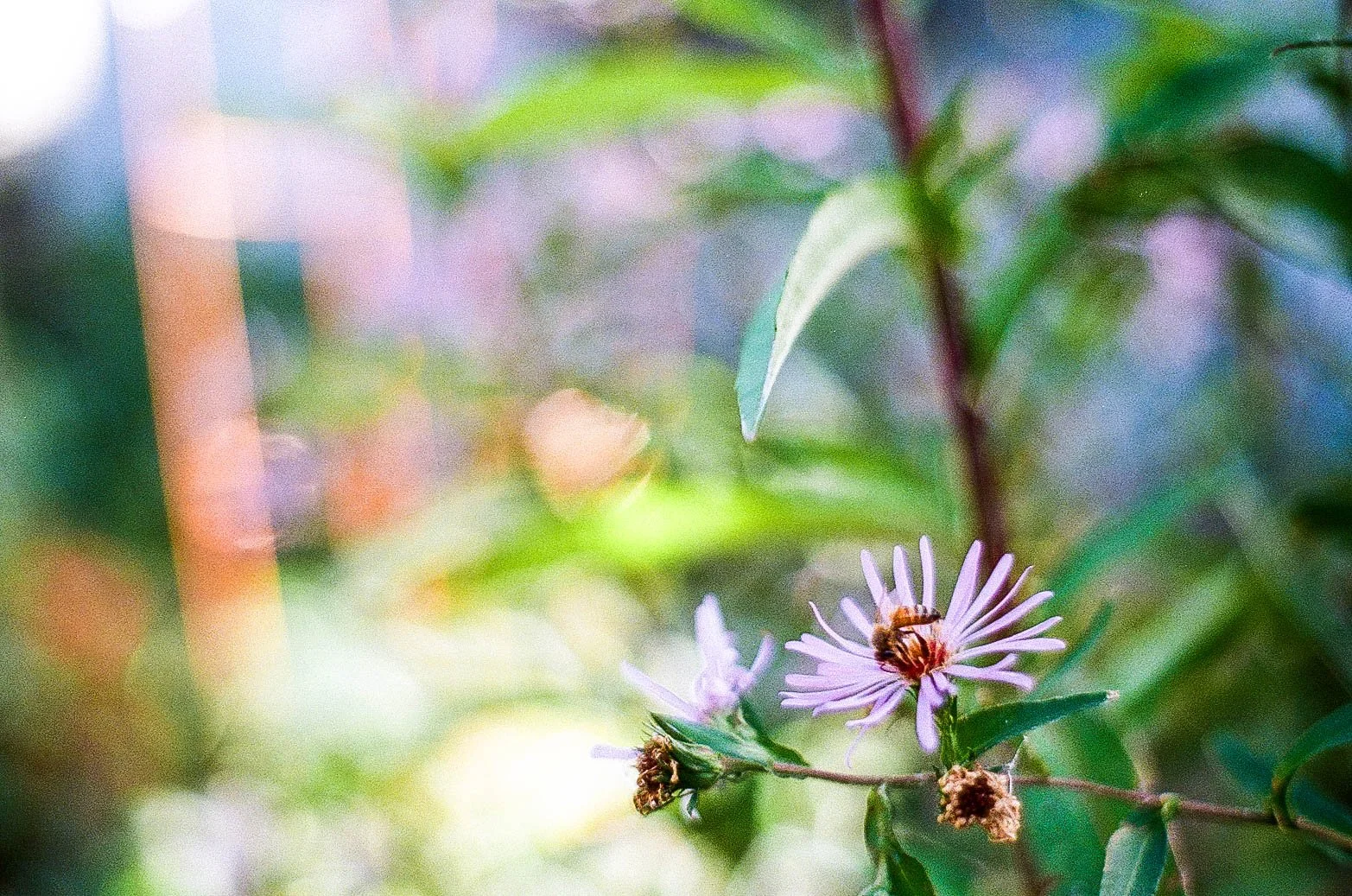
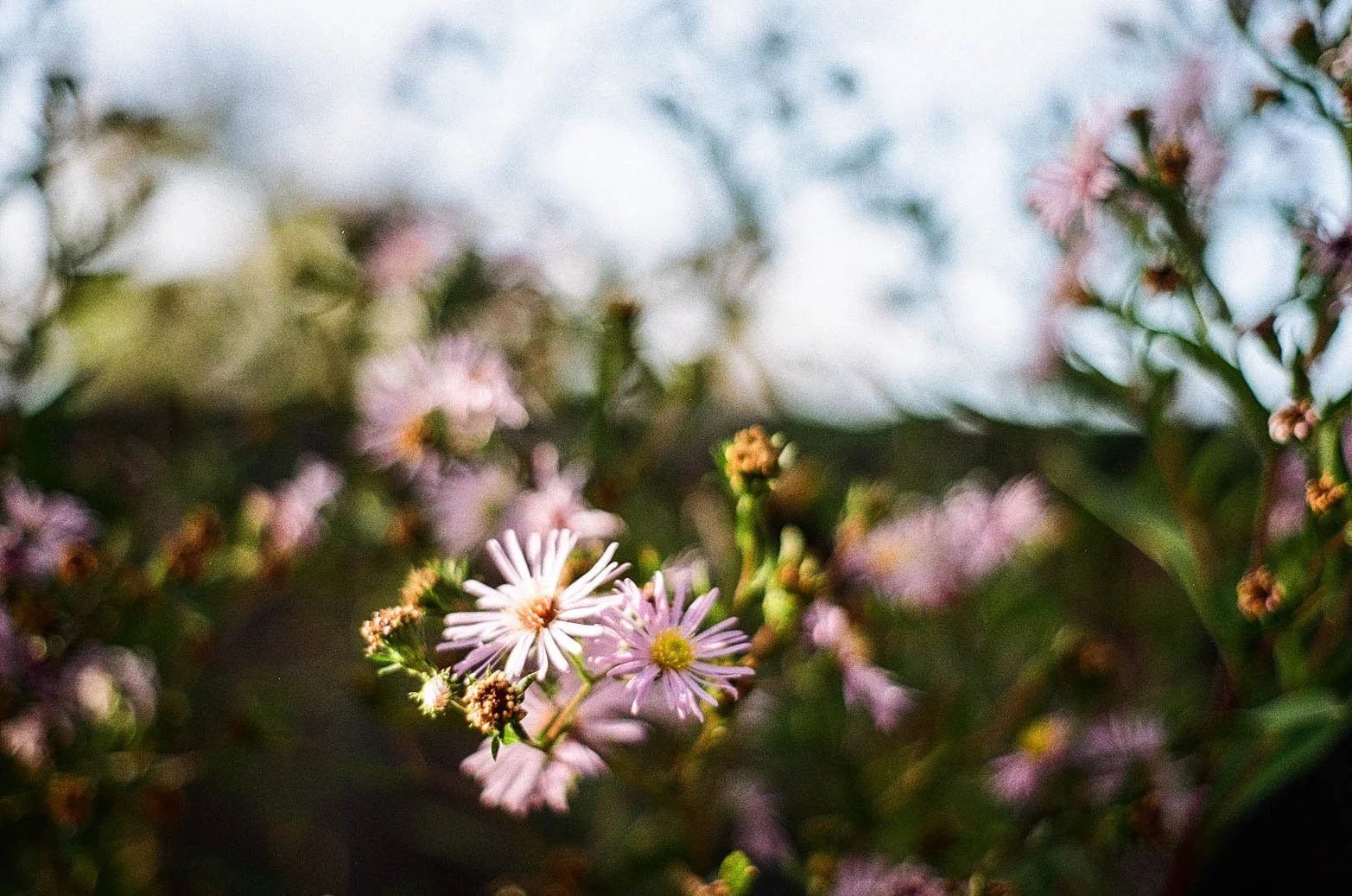
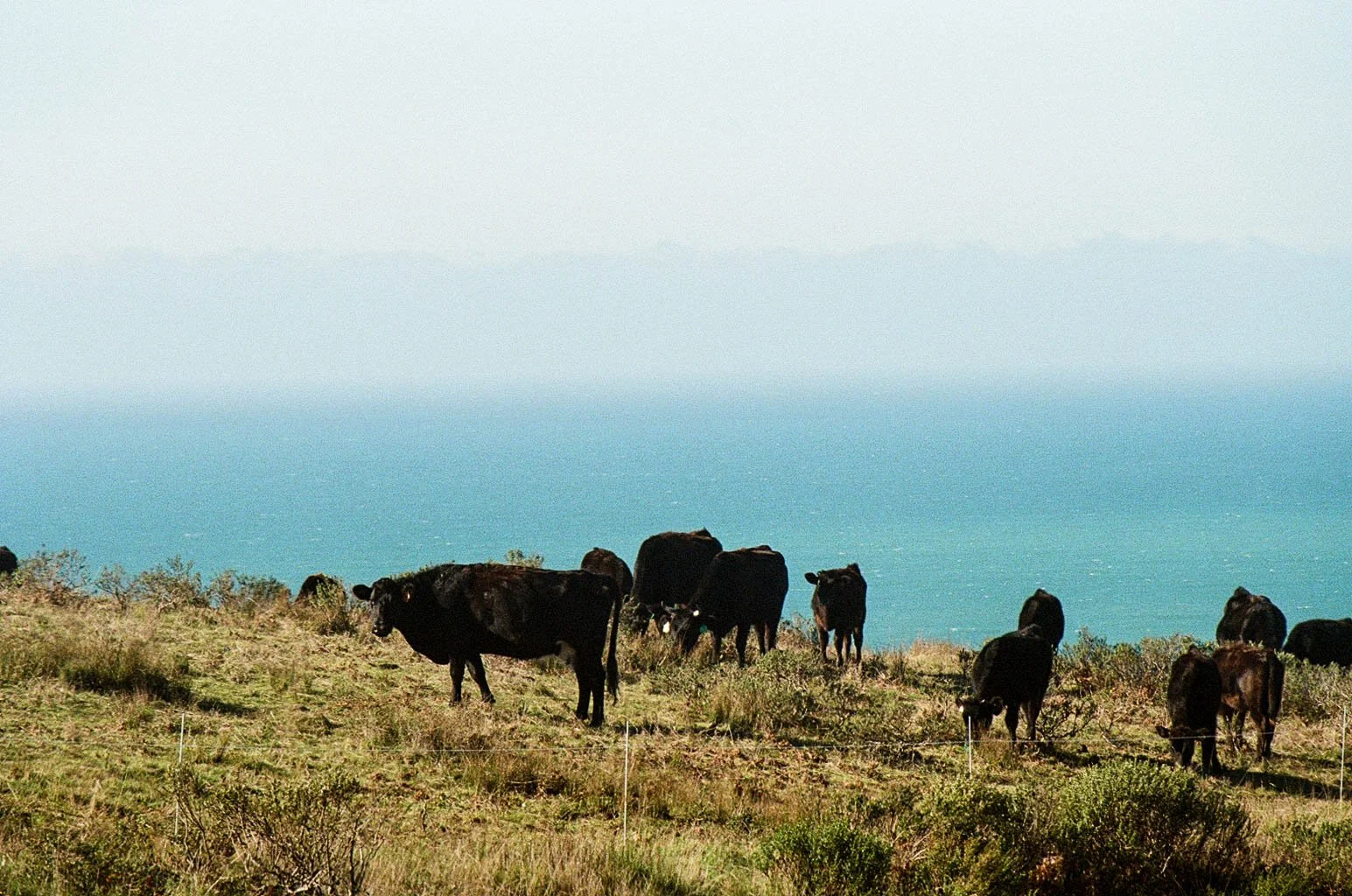
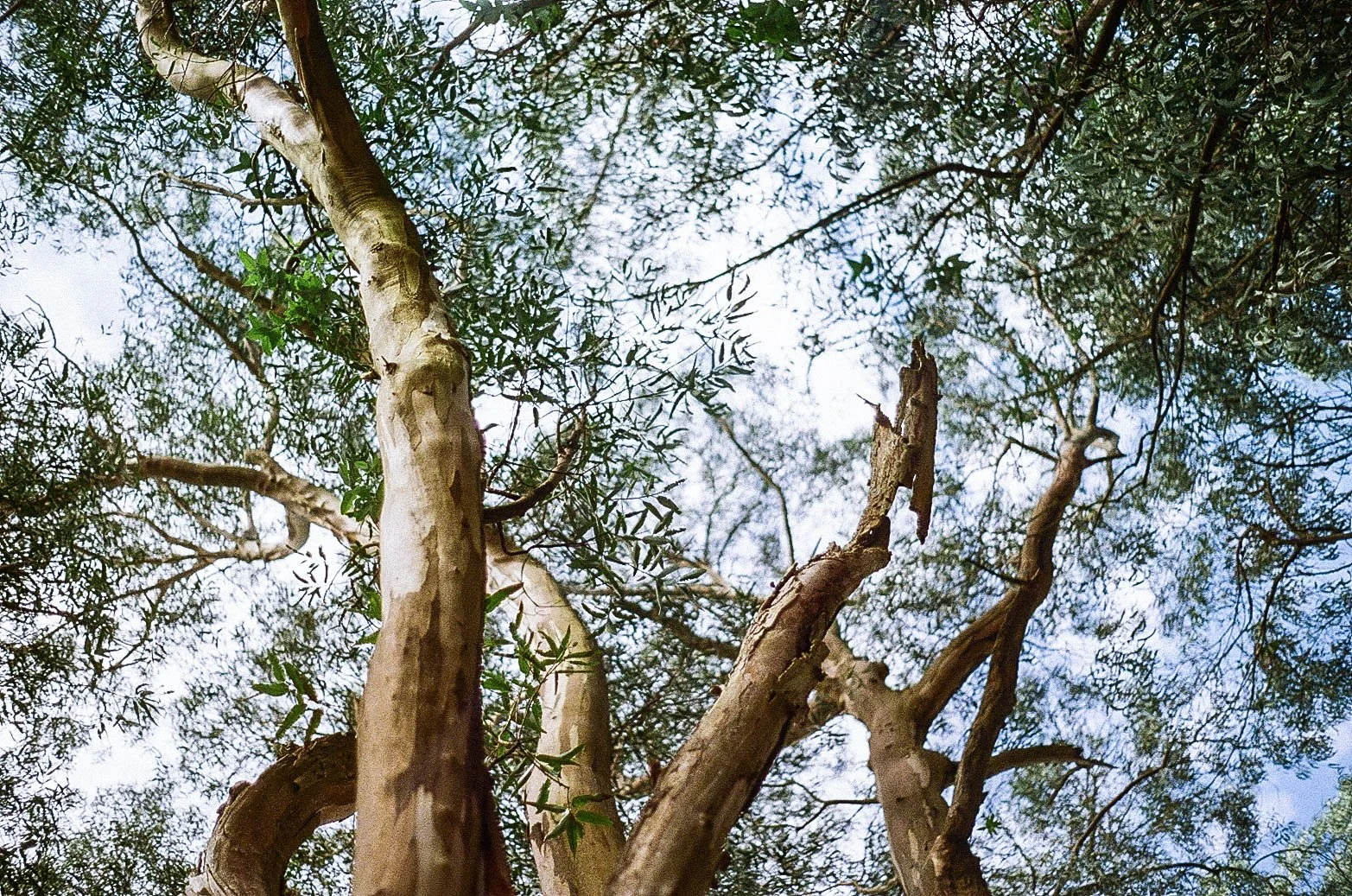
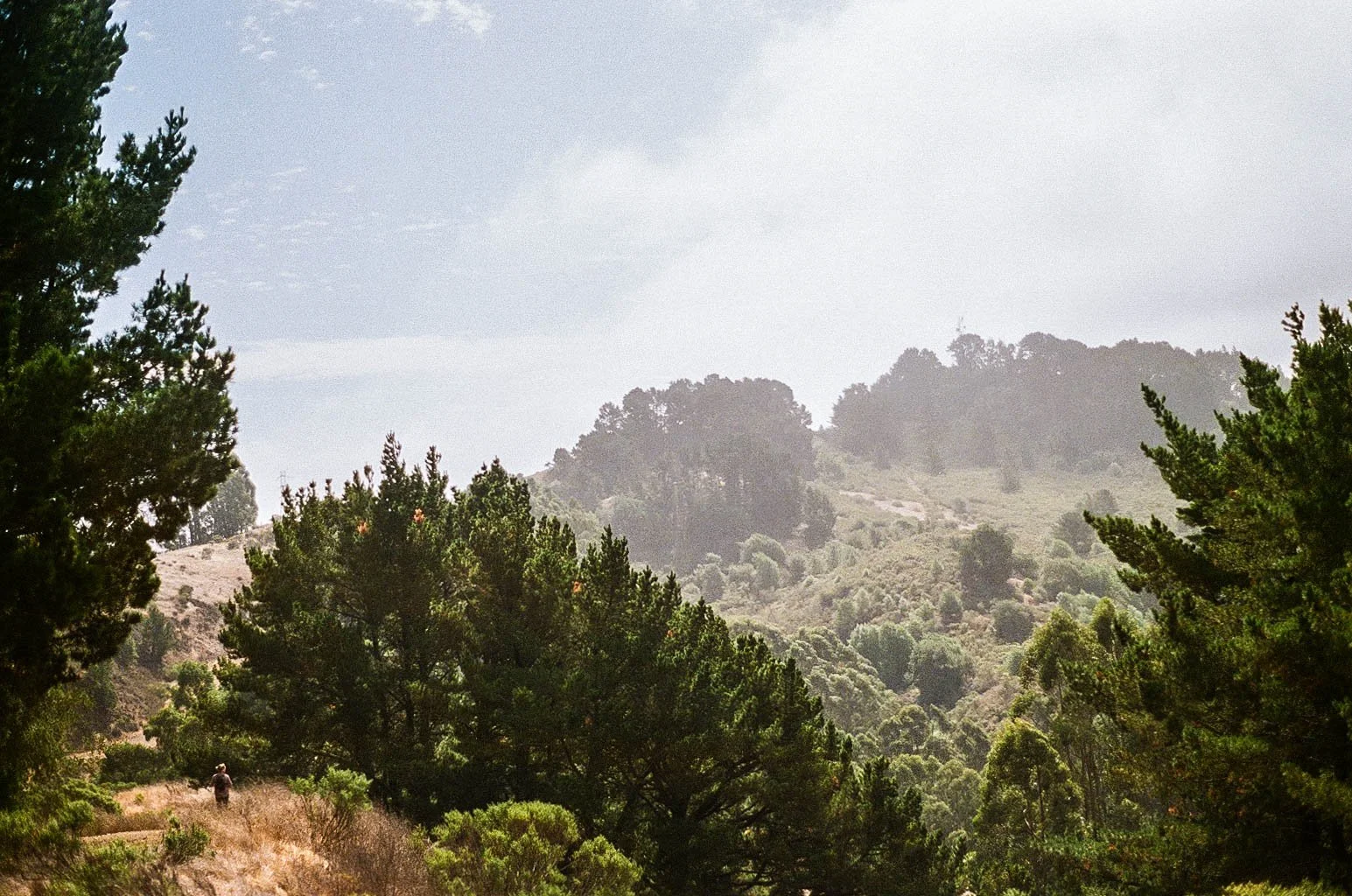
Approach: Focus your photography on wildlife, landscape scenery, and juxtapositions. Look around. Who lives here? How do they relate to their environment? What information is available at first glance?
Learn: Nature is our greatest teacher. Ecosystems are personified harmony. Relational and interdependent. Trees communicate by sharing nutrients and information through underground fungal networks—much like our own neural pathways. Studies show that putting your hands in the dirt and being around nature is good for mental health.
“It's possible to understand the world from studying a leaf. You can comprehend the laws of aerodynamics, mathematics, poetry and biology through the complex beauty of such a perfect structure.”
― Joy Harjo, The Woman Who Fell from The Sky: Poems

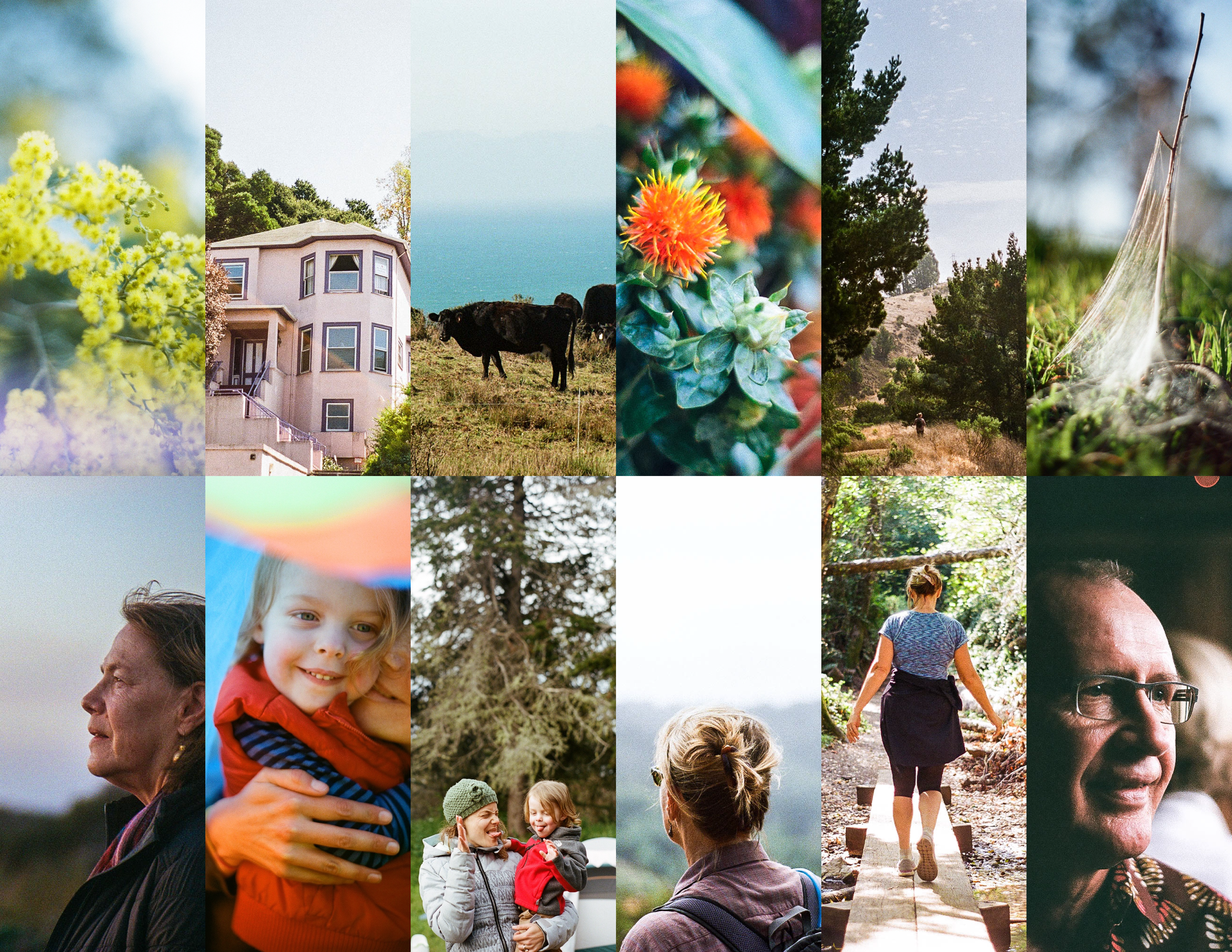
COEXISTING:
Cultivating Belonging
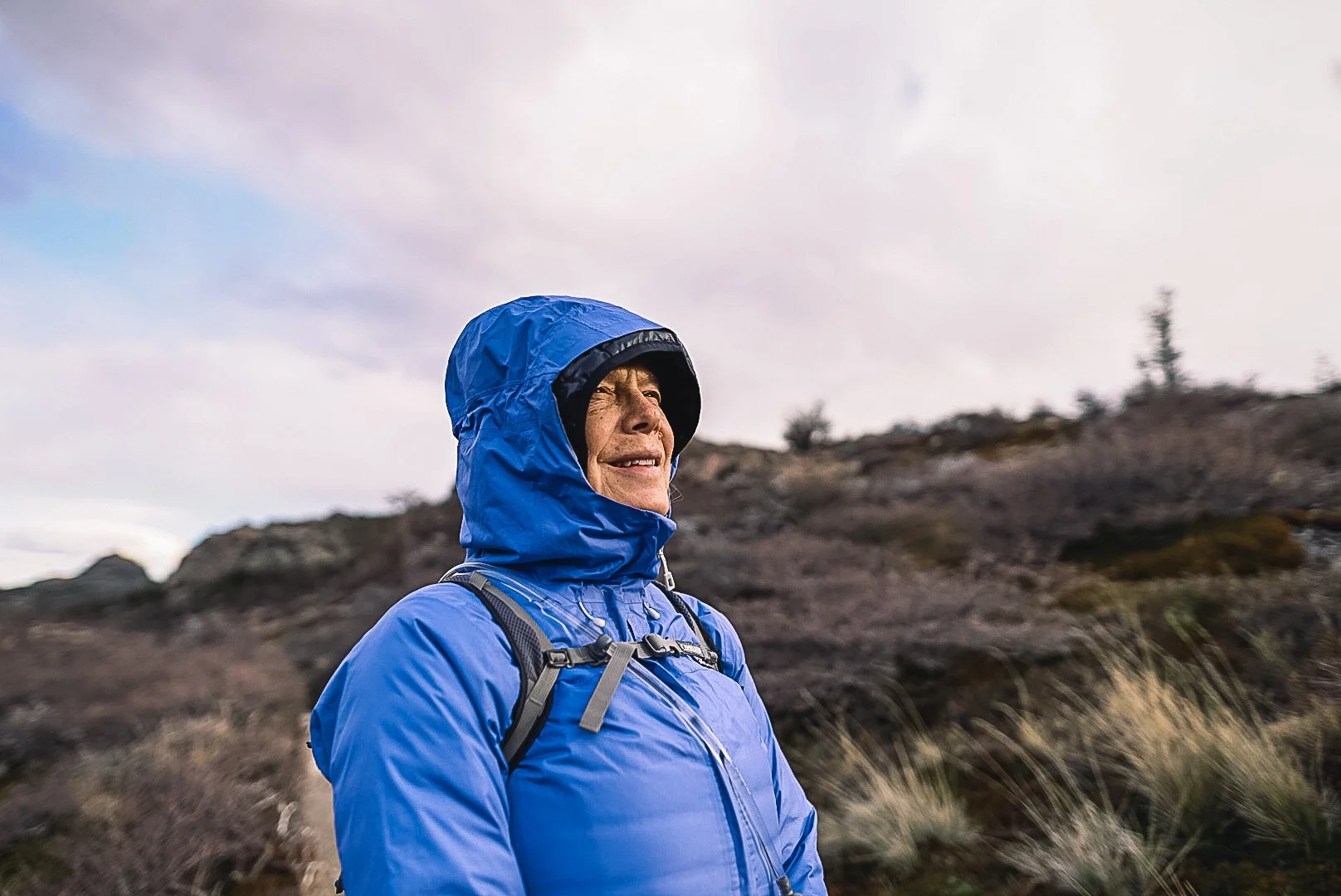
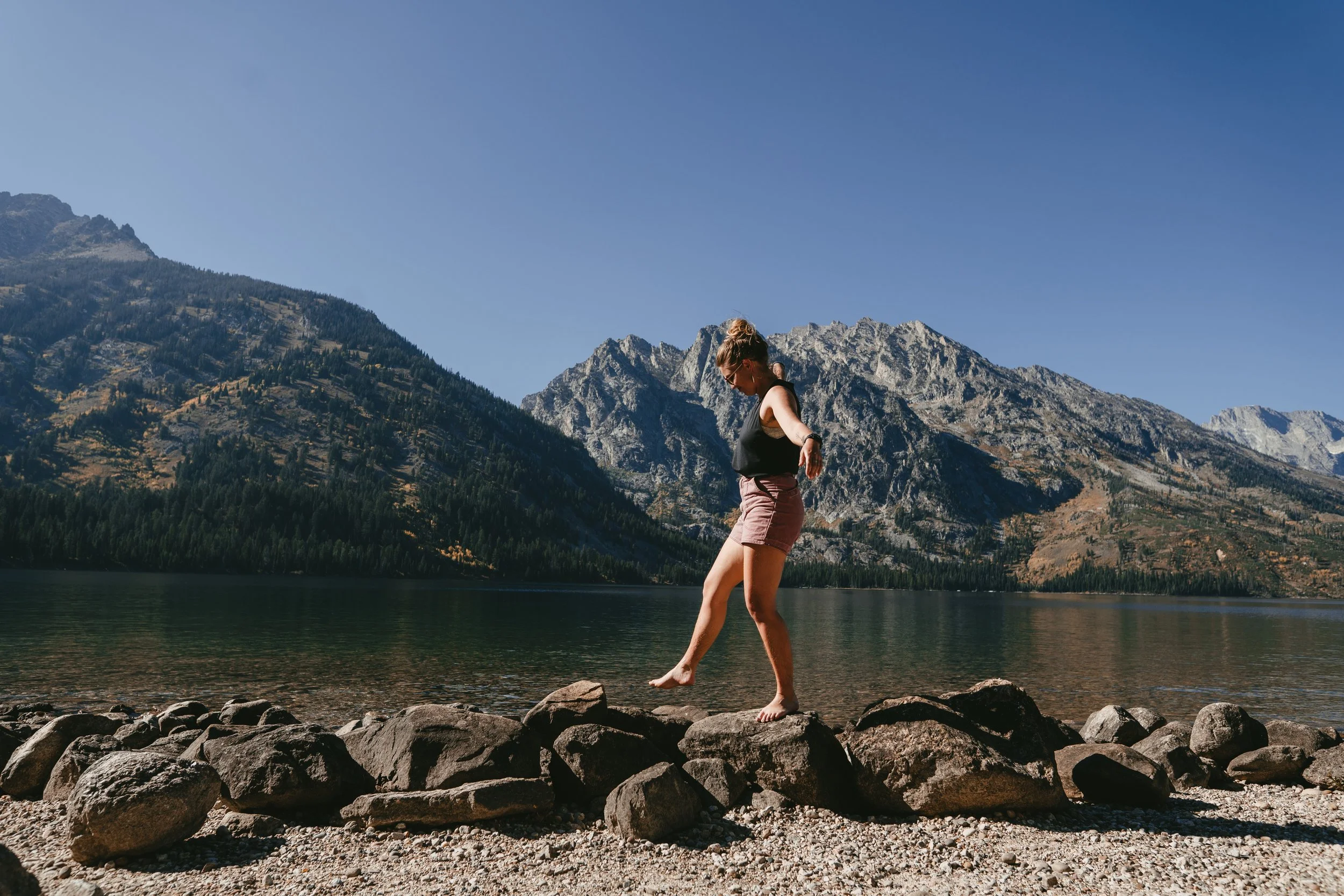
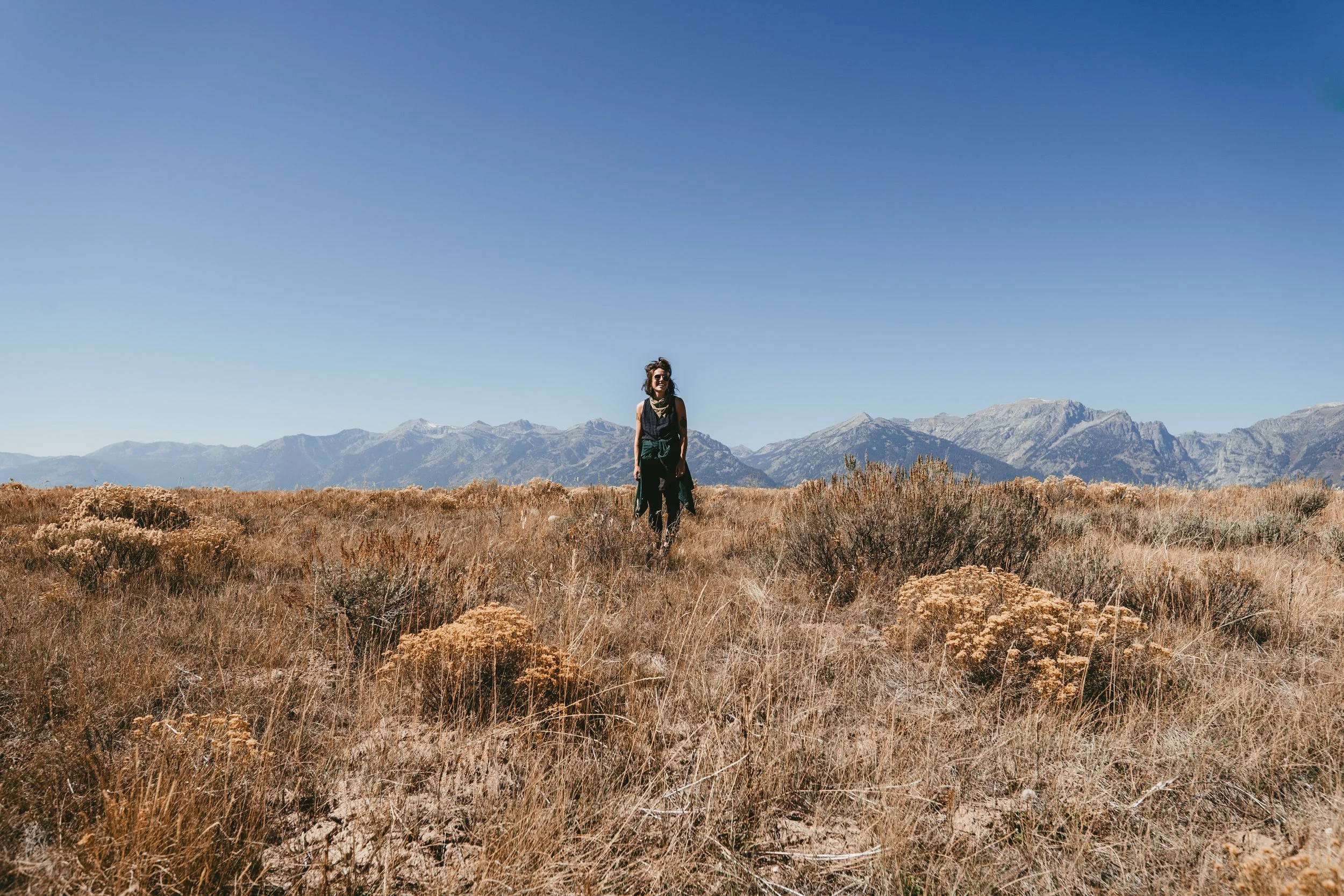
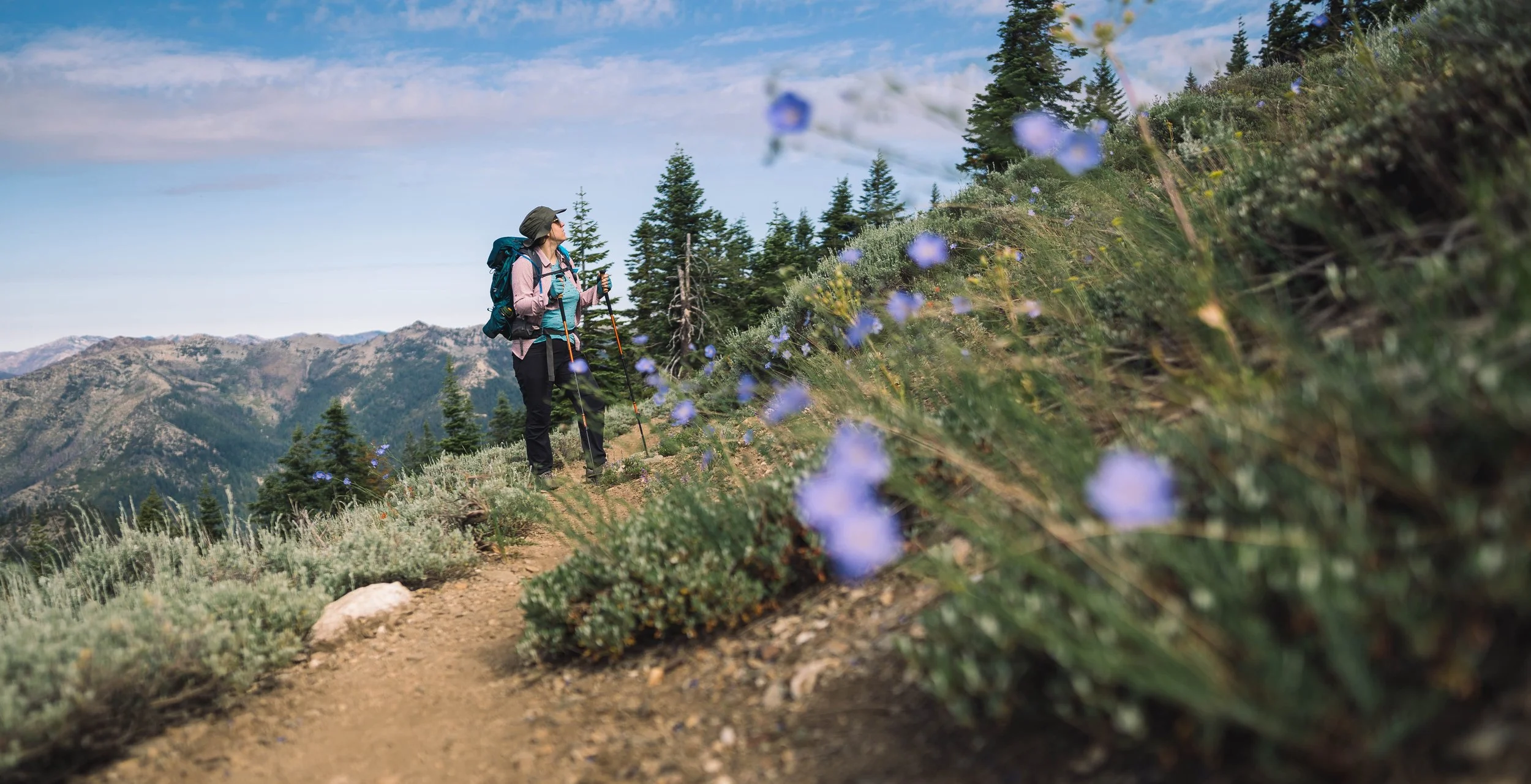
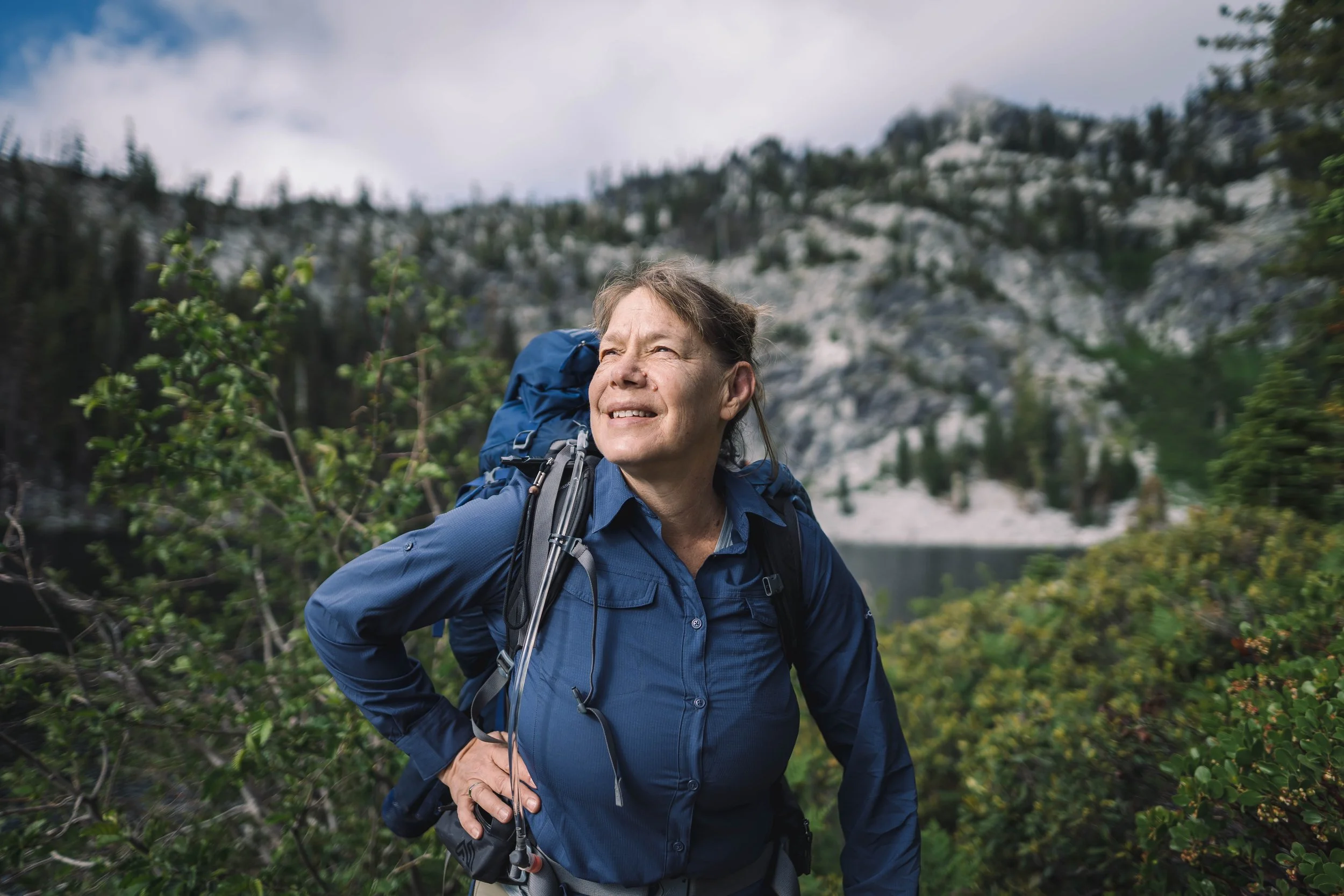
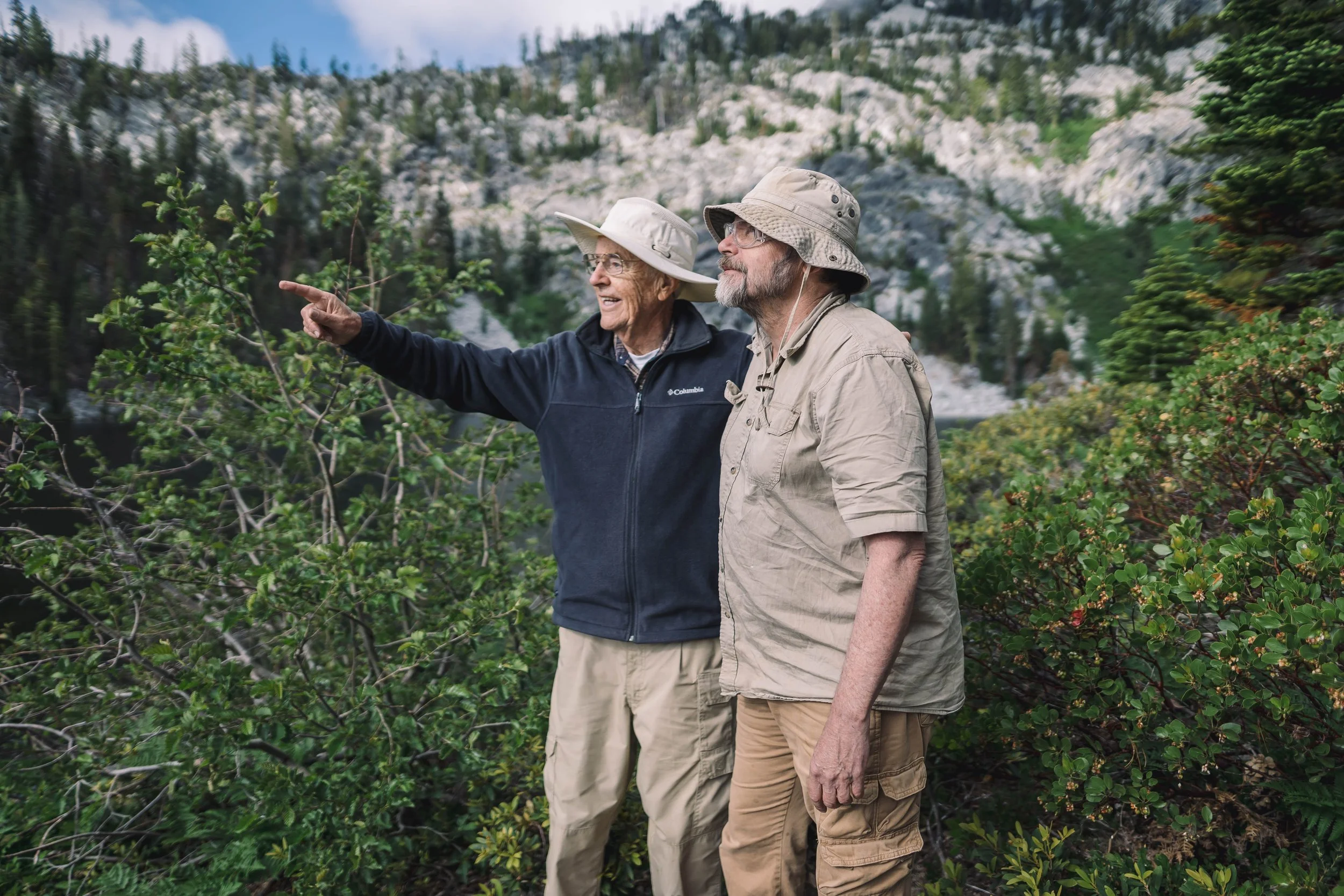
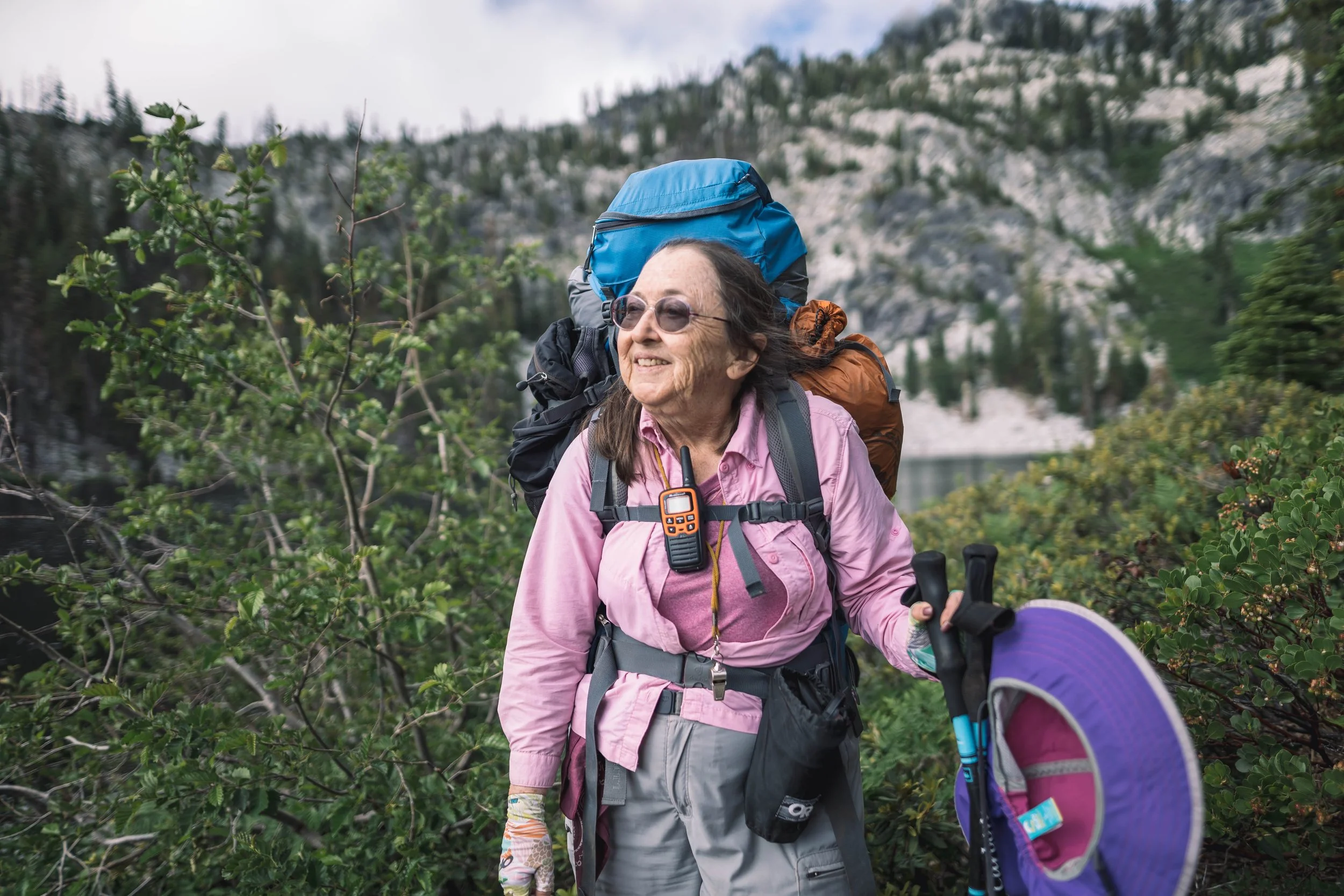
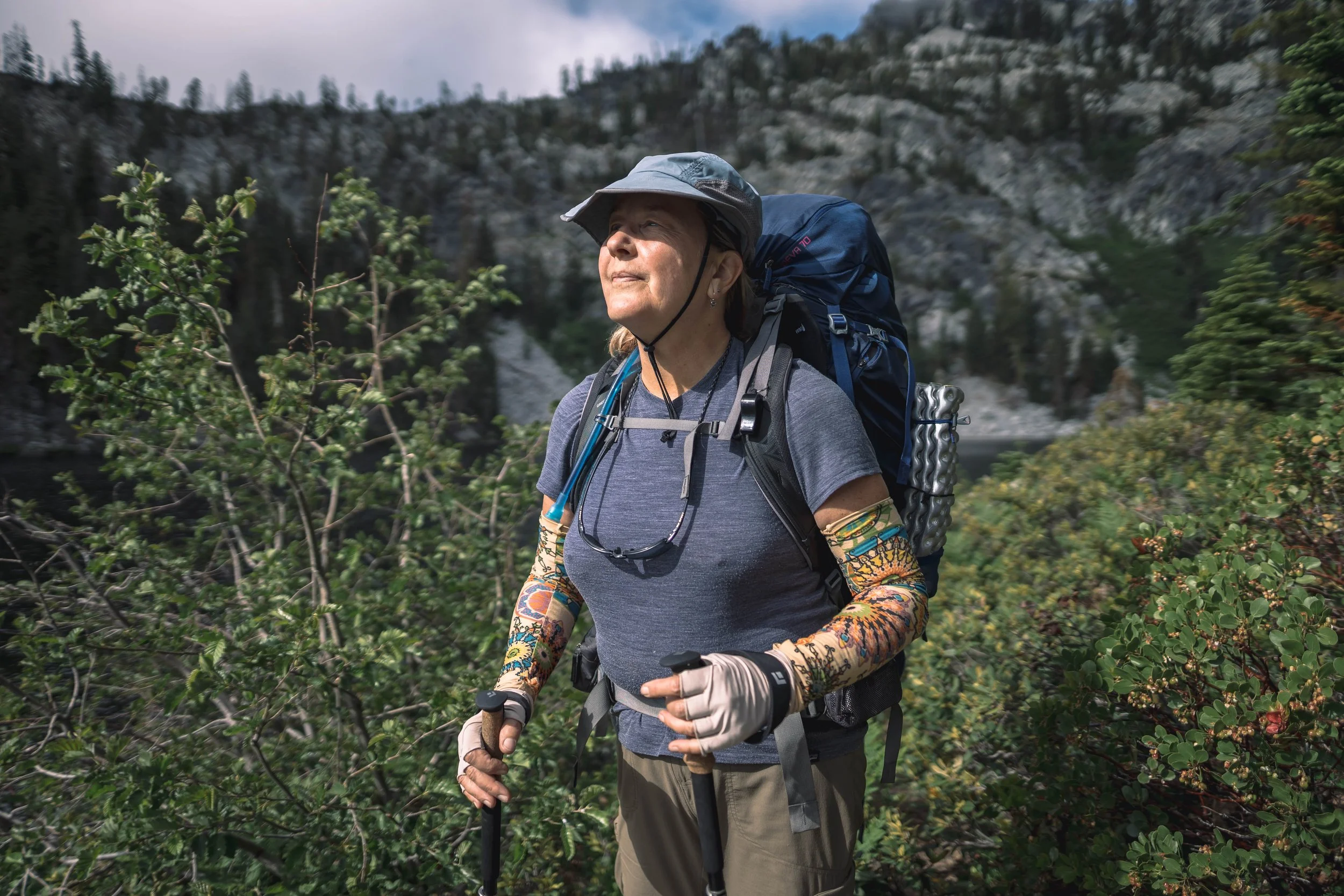
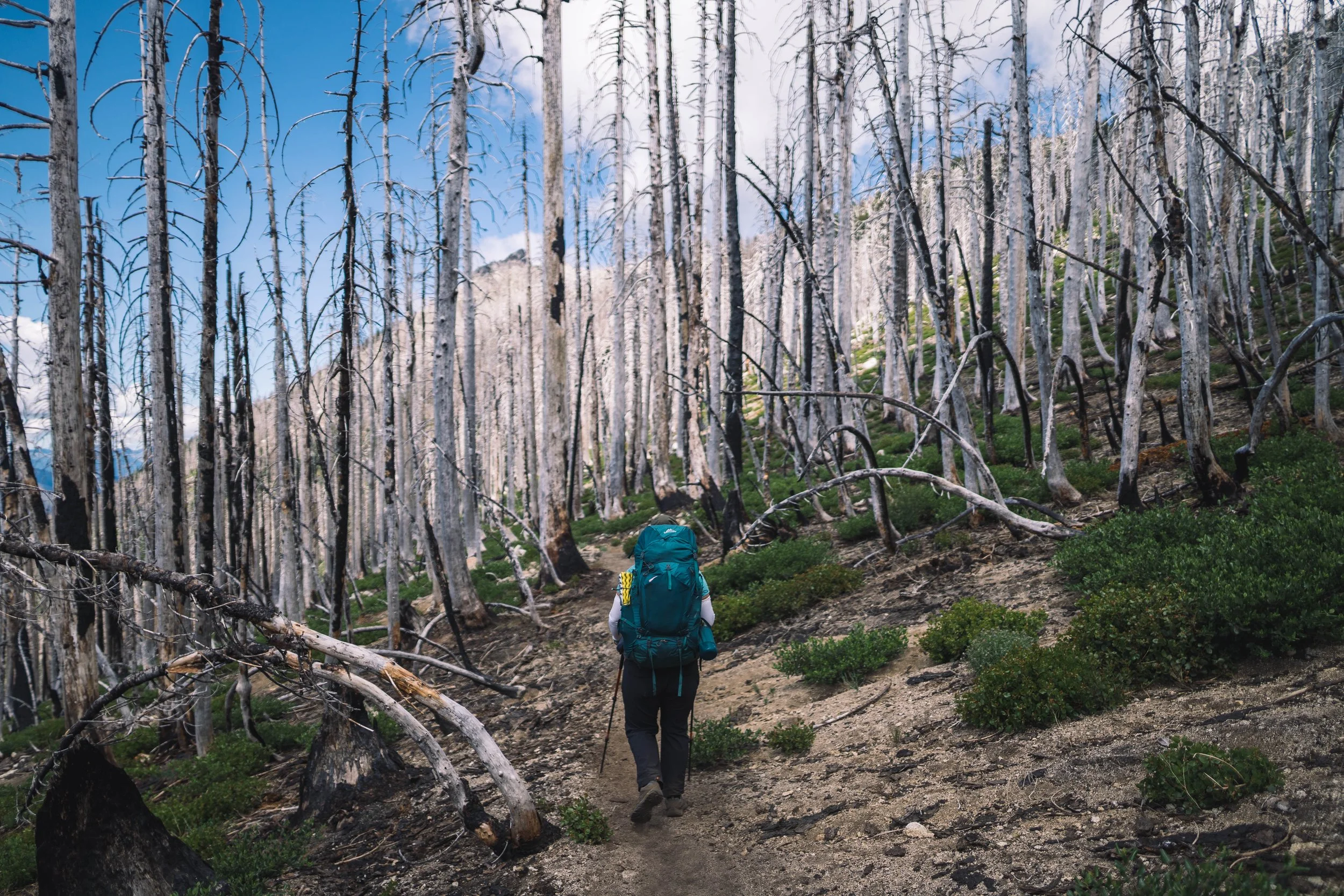
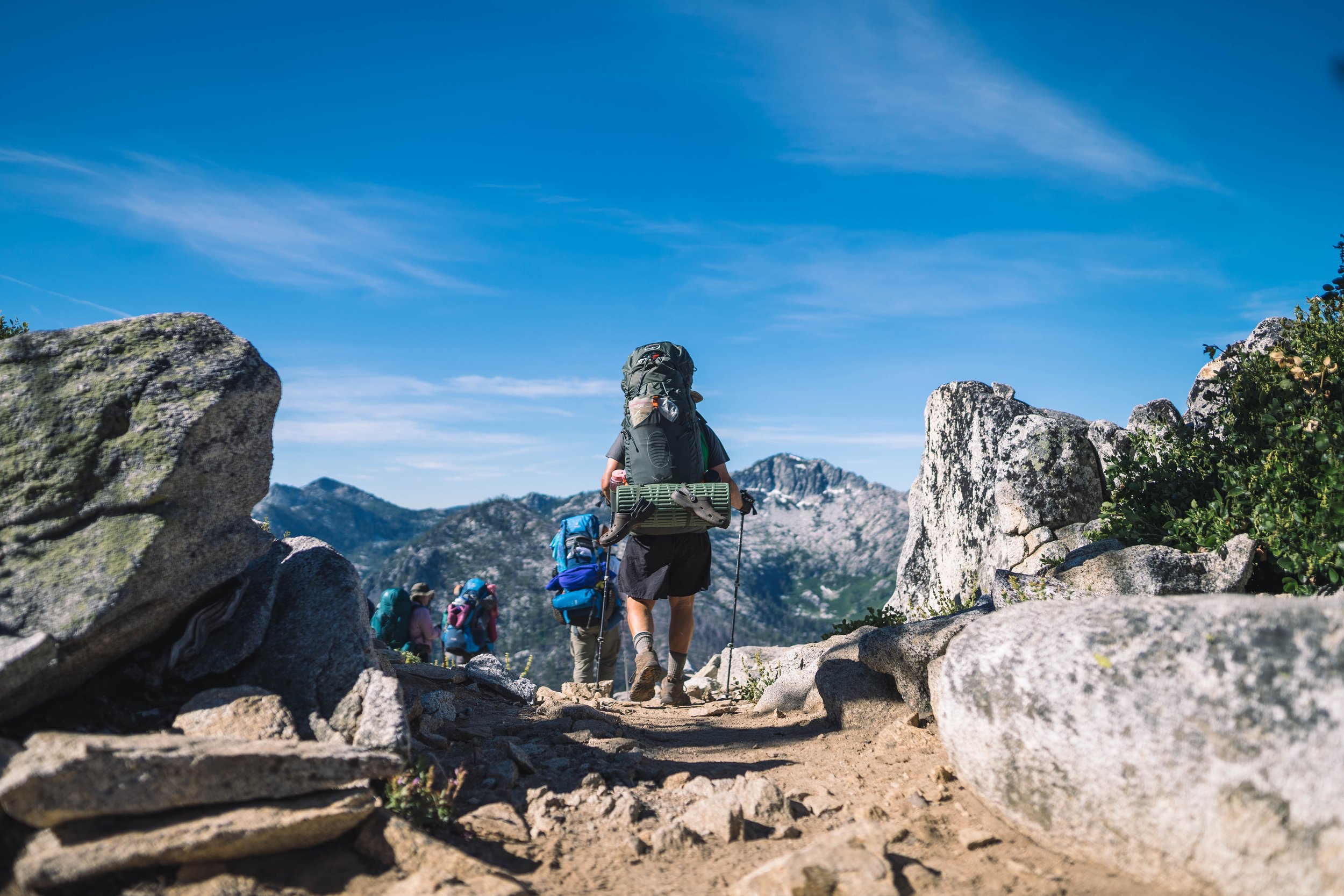
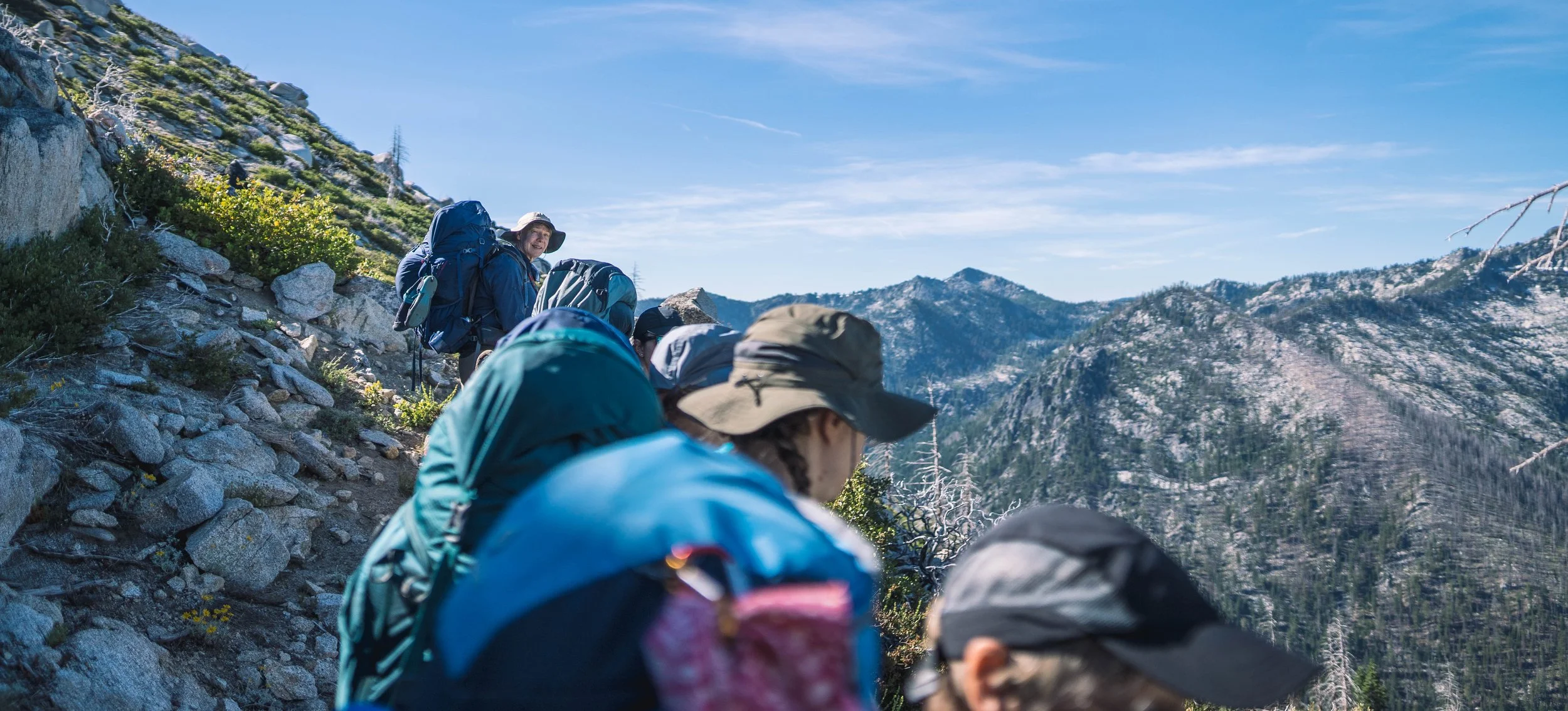
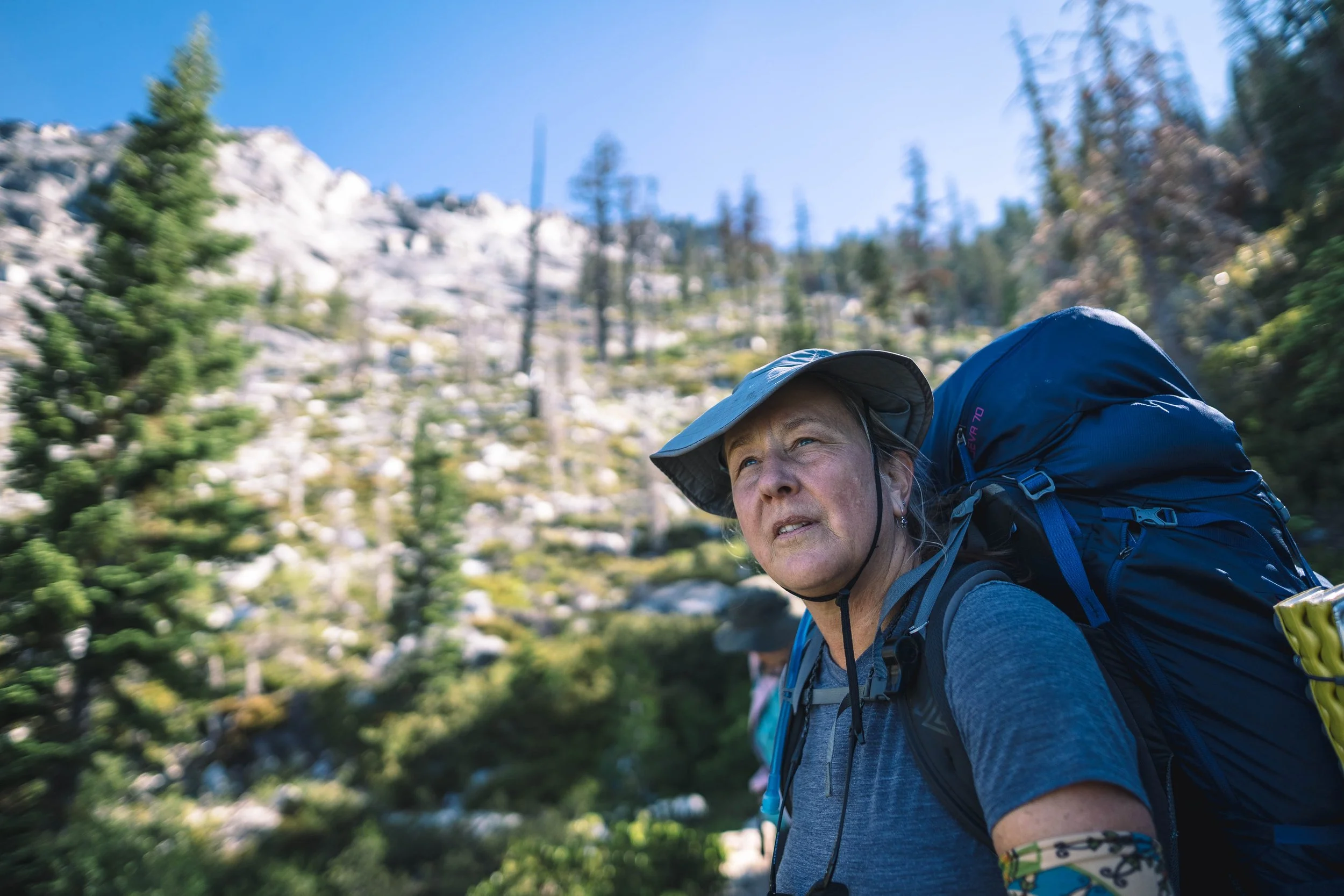
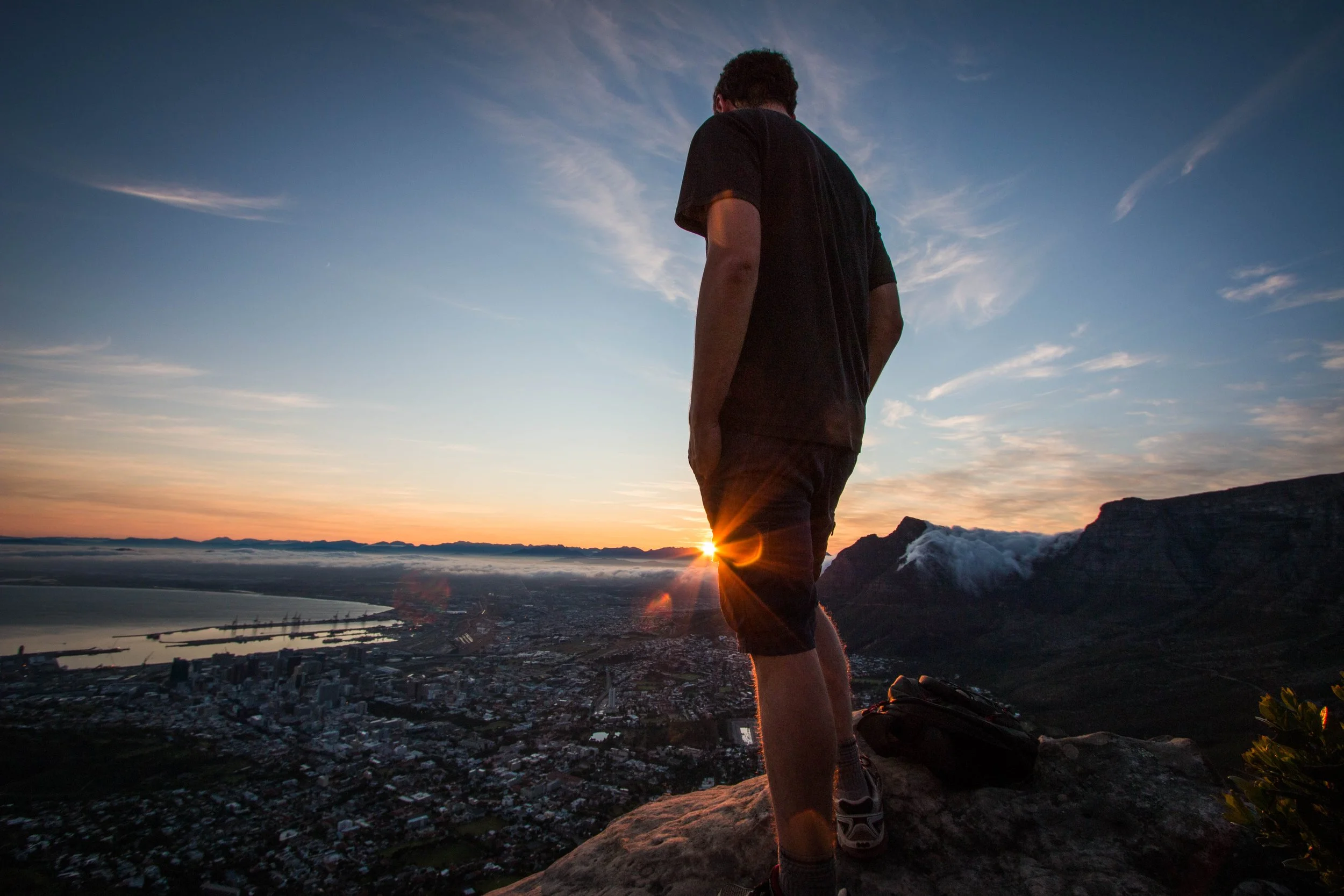
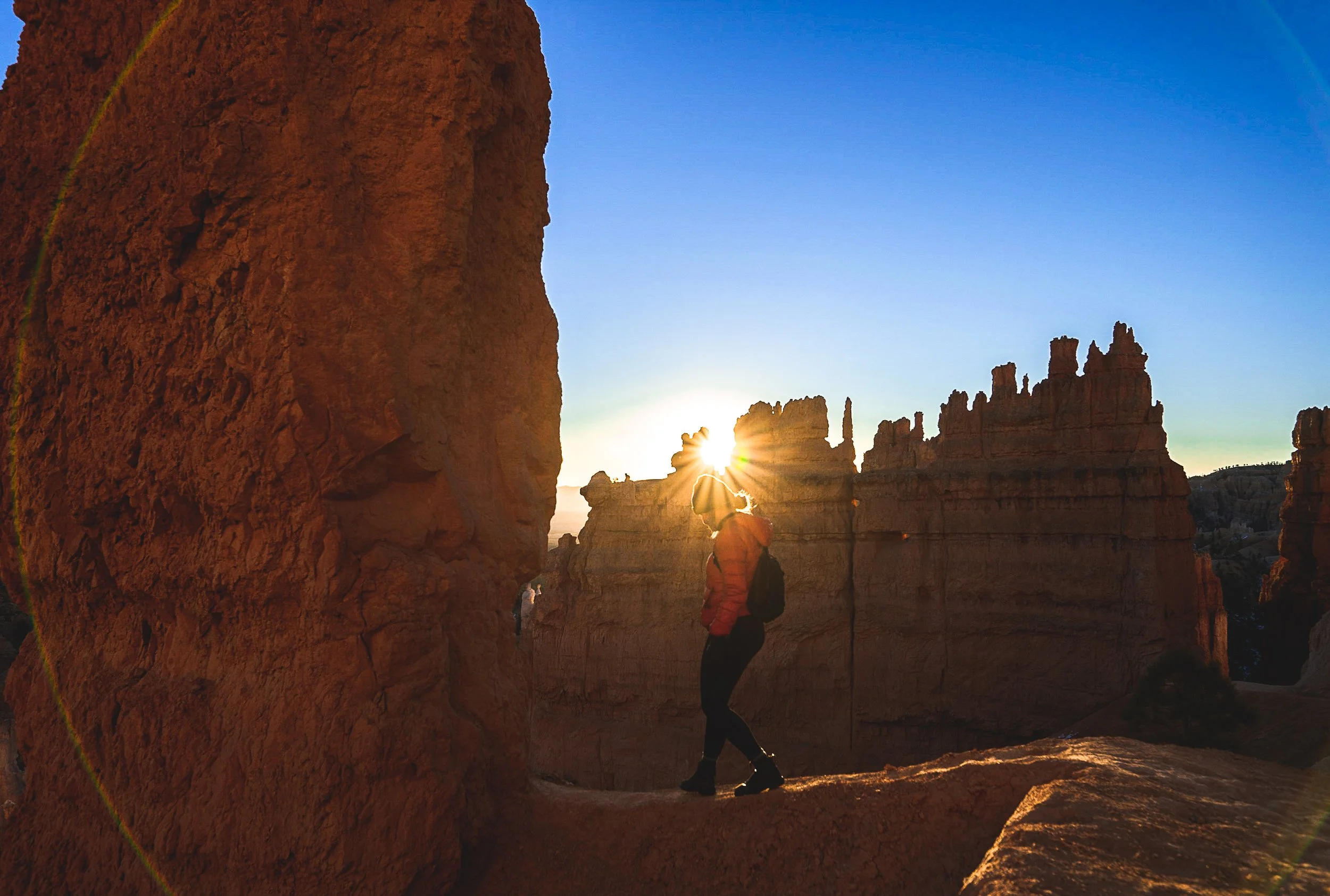
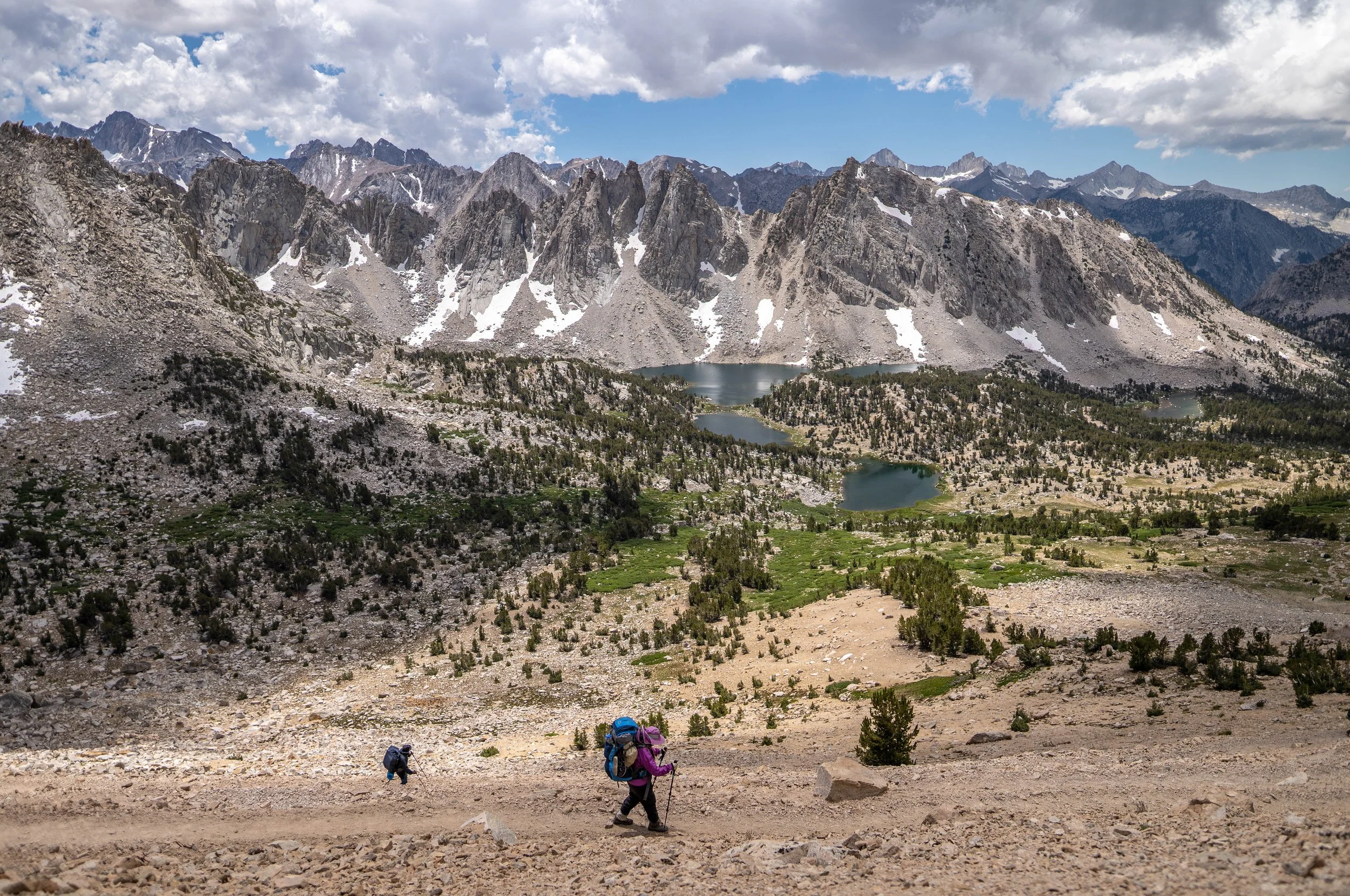
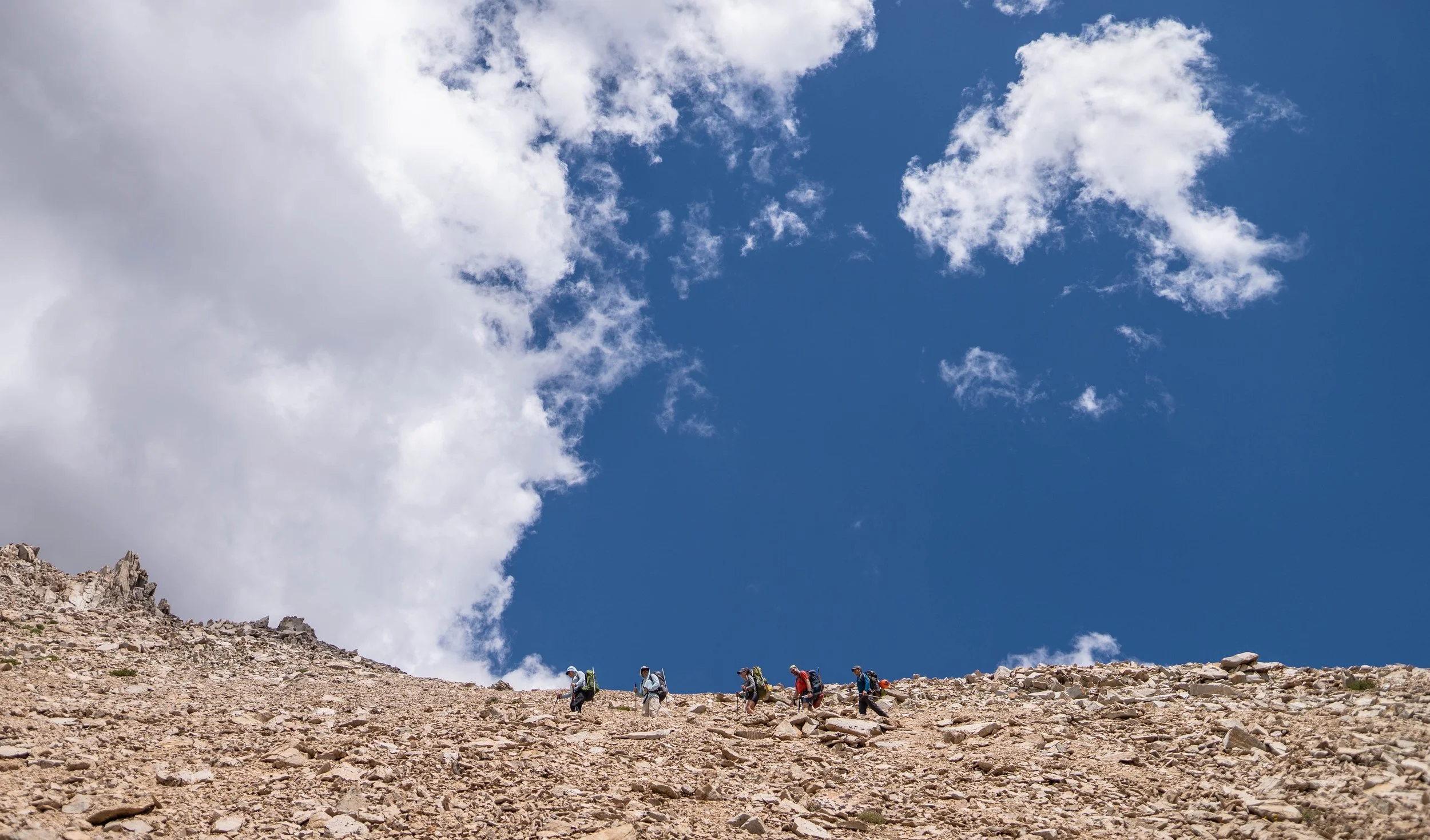
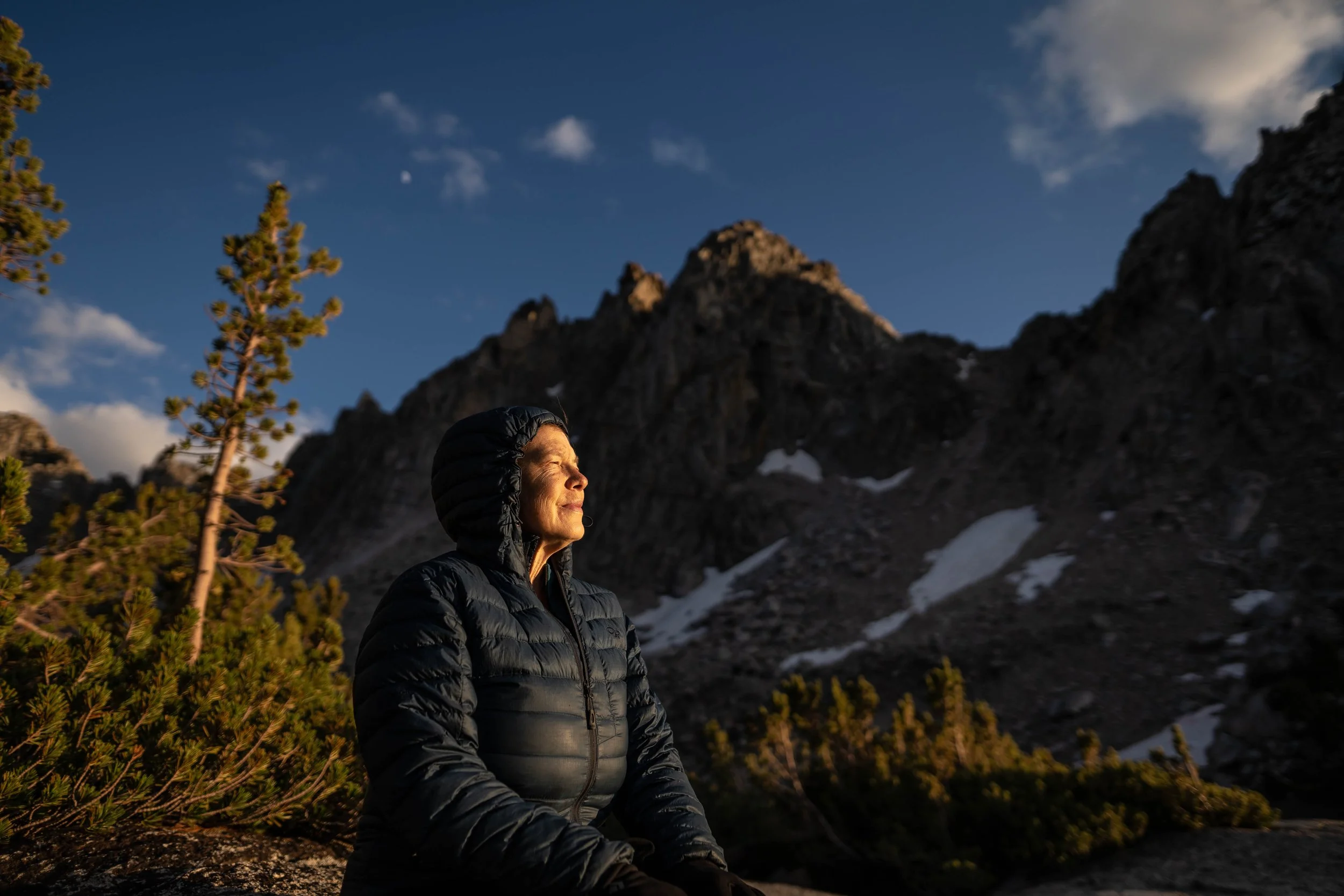
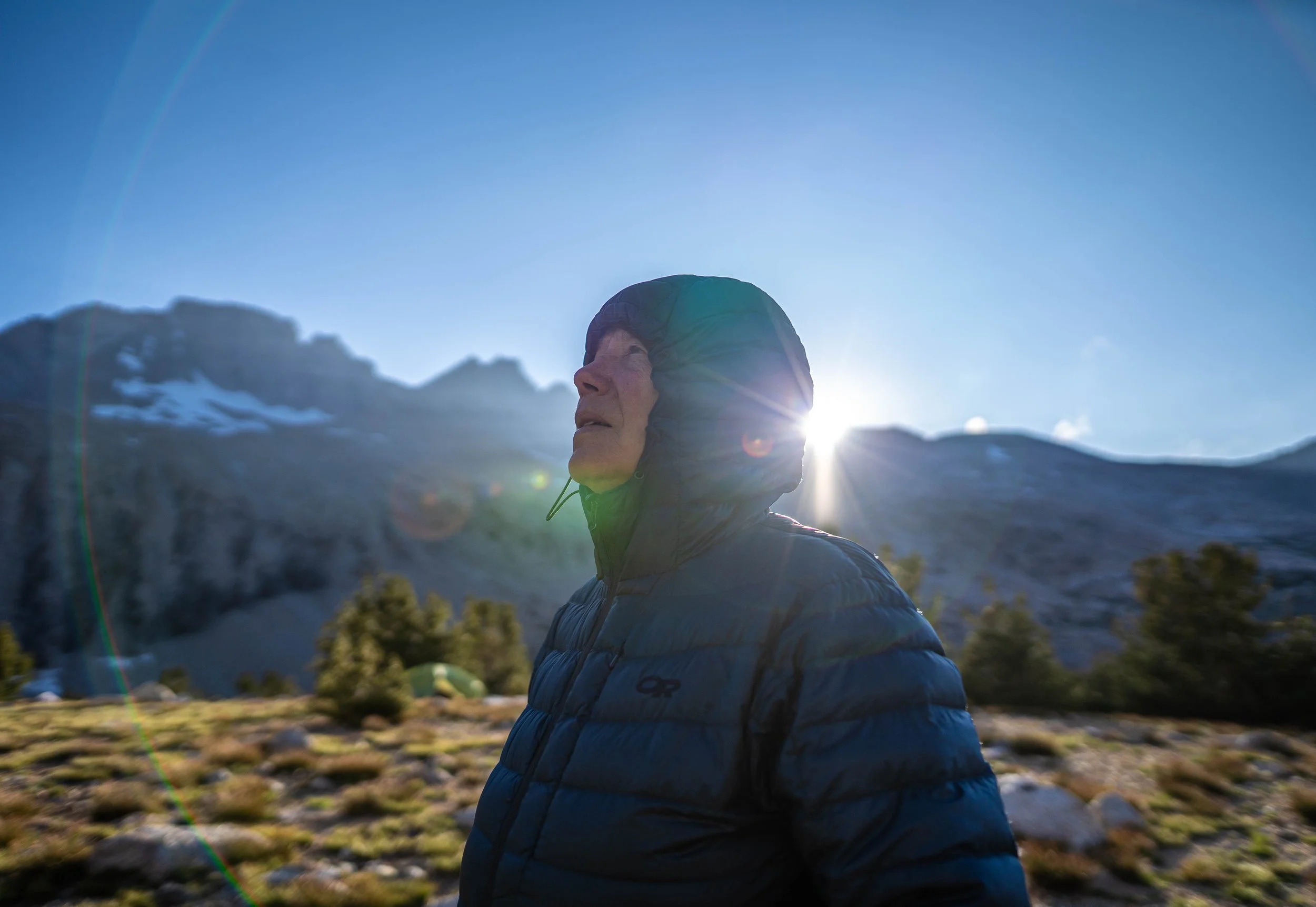
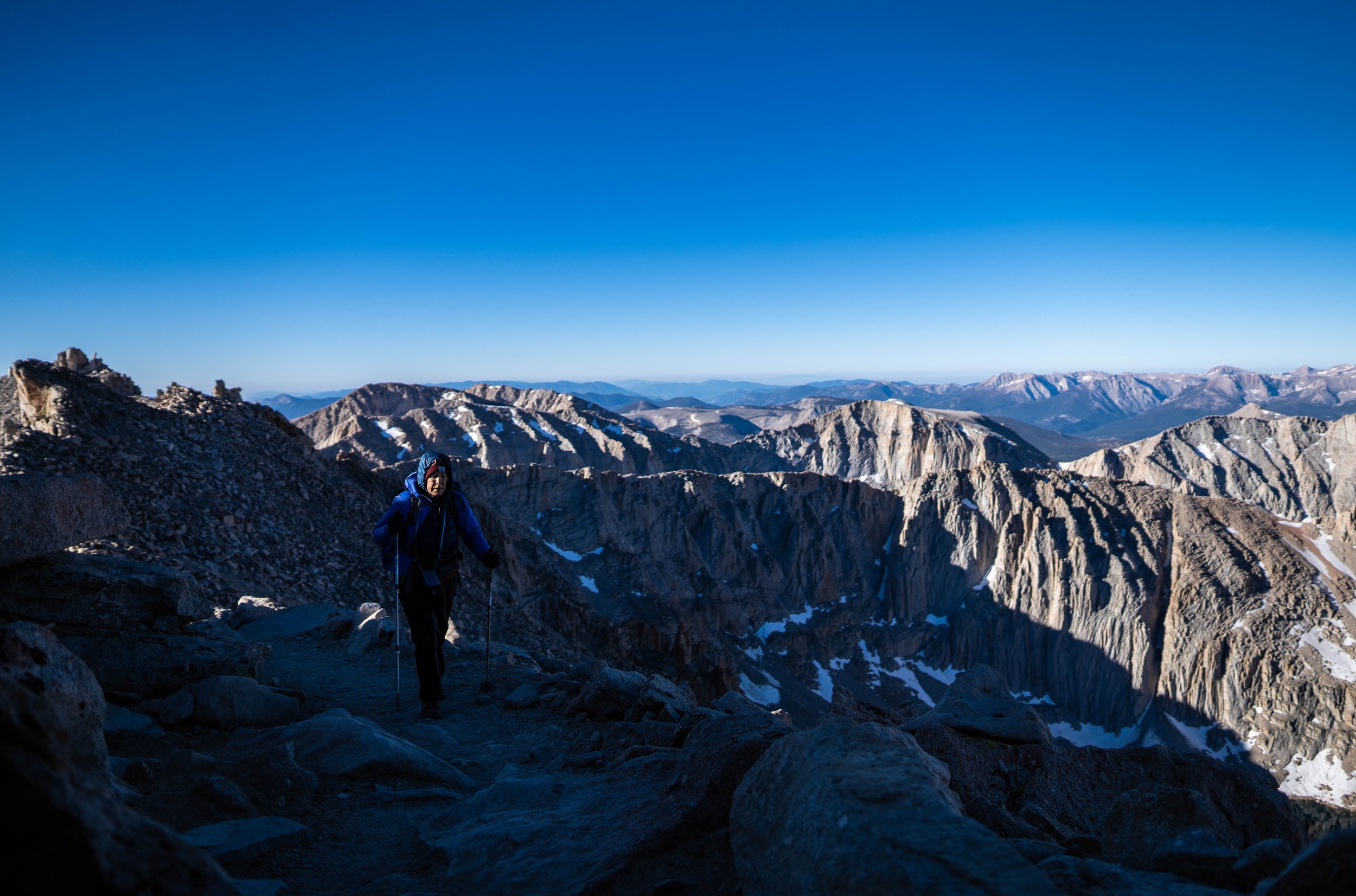
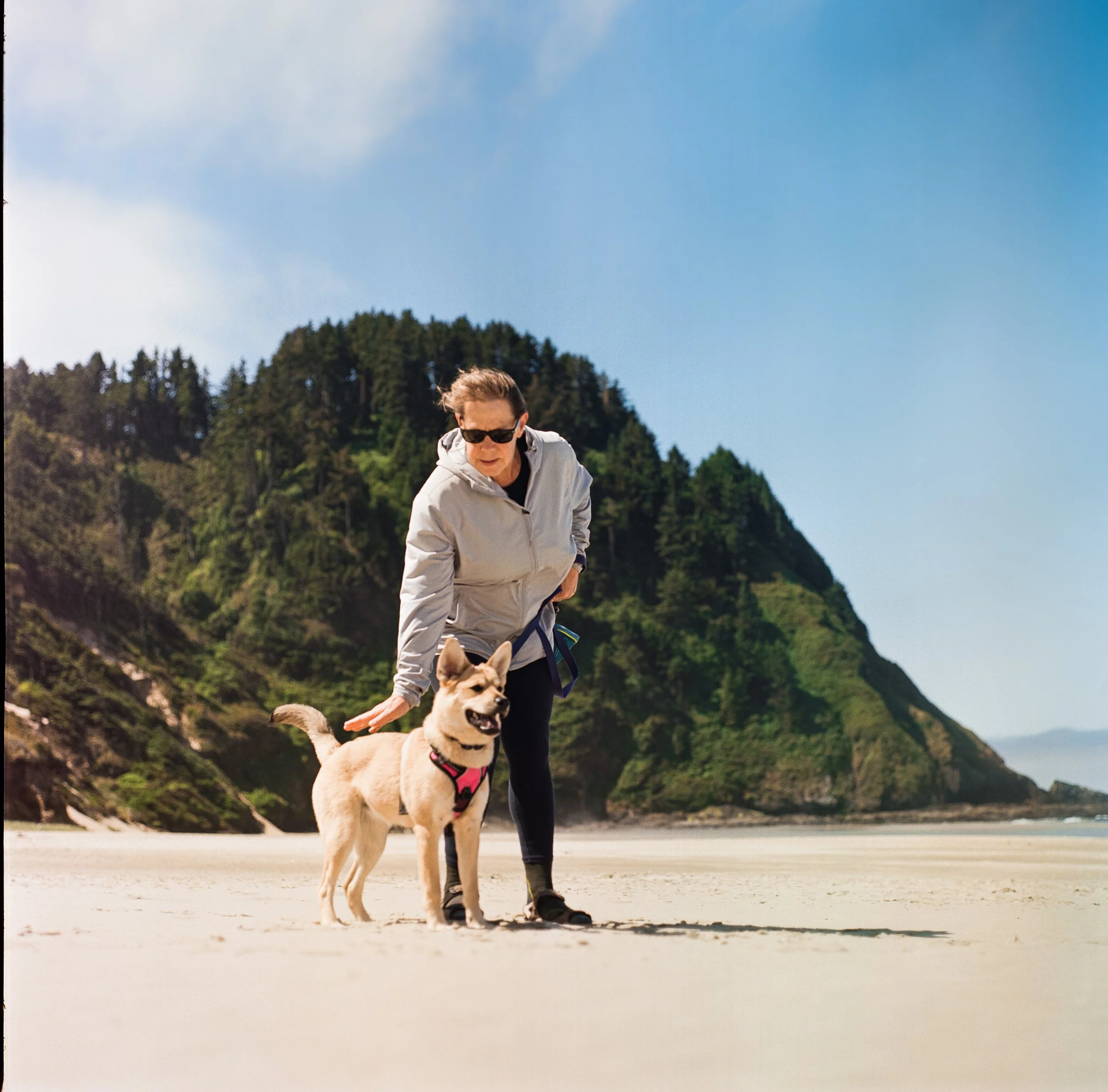
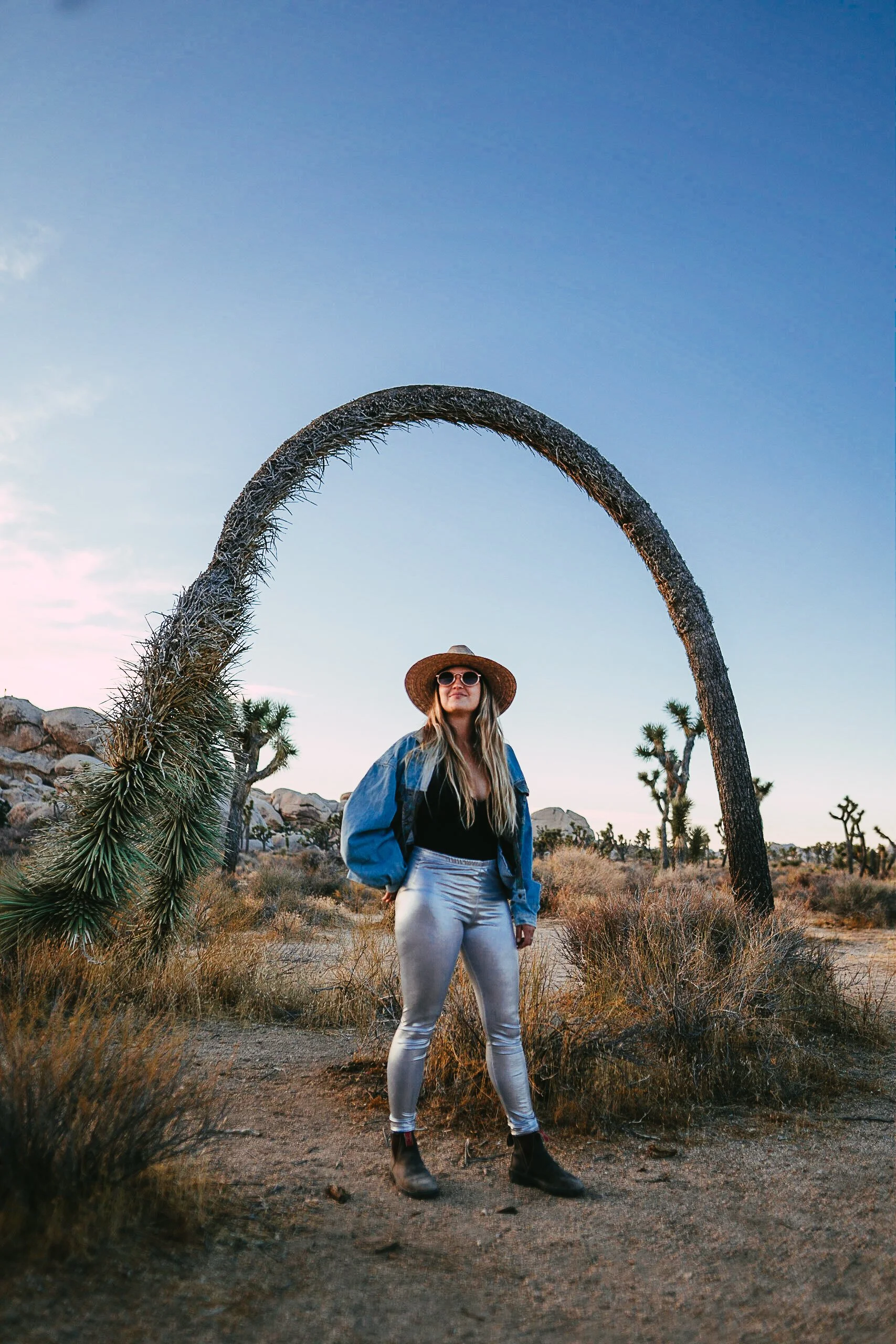
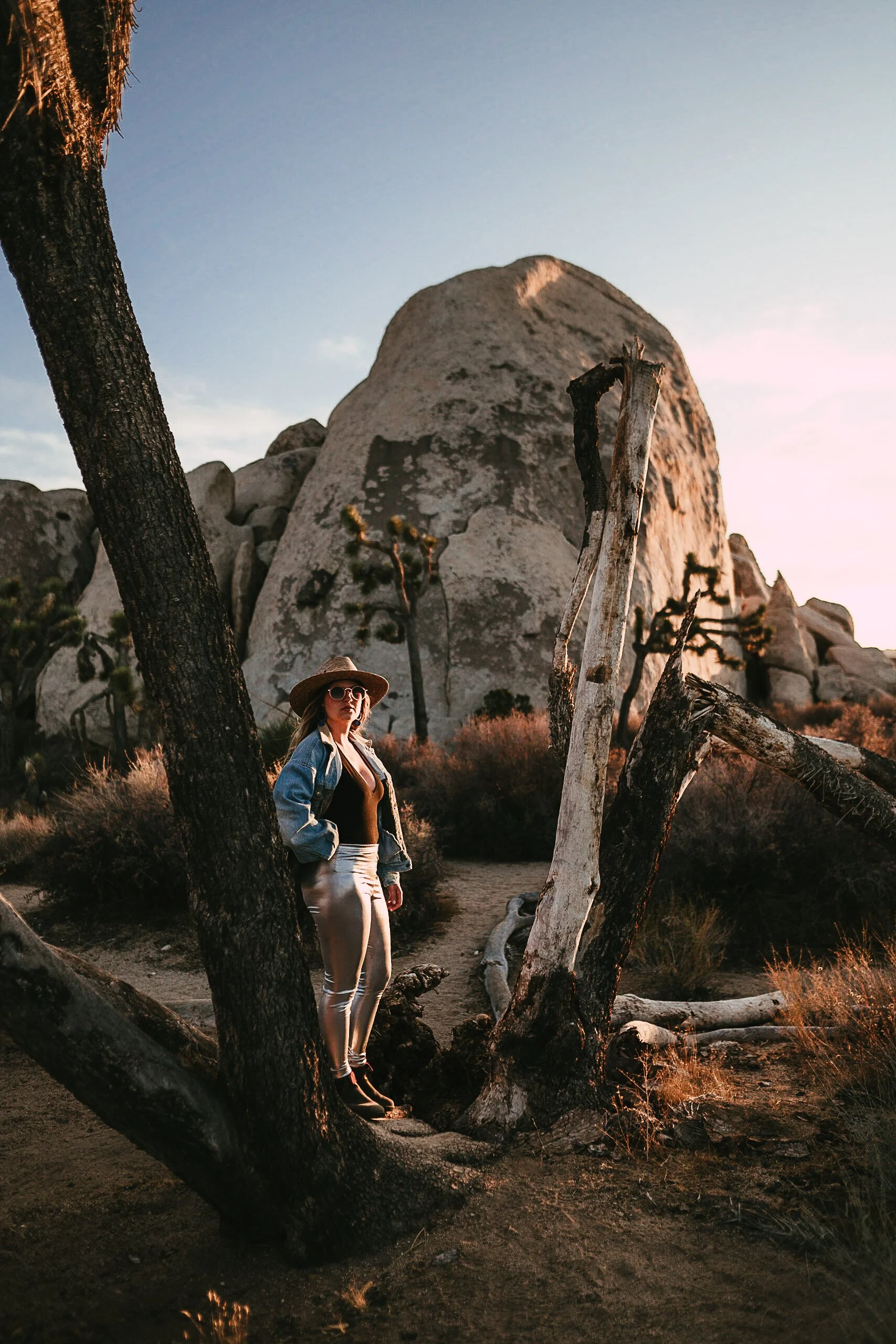
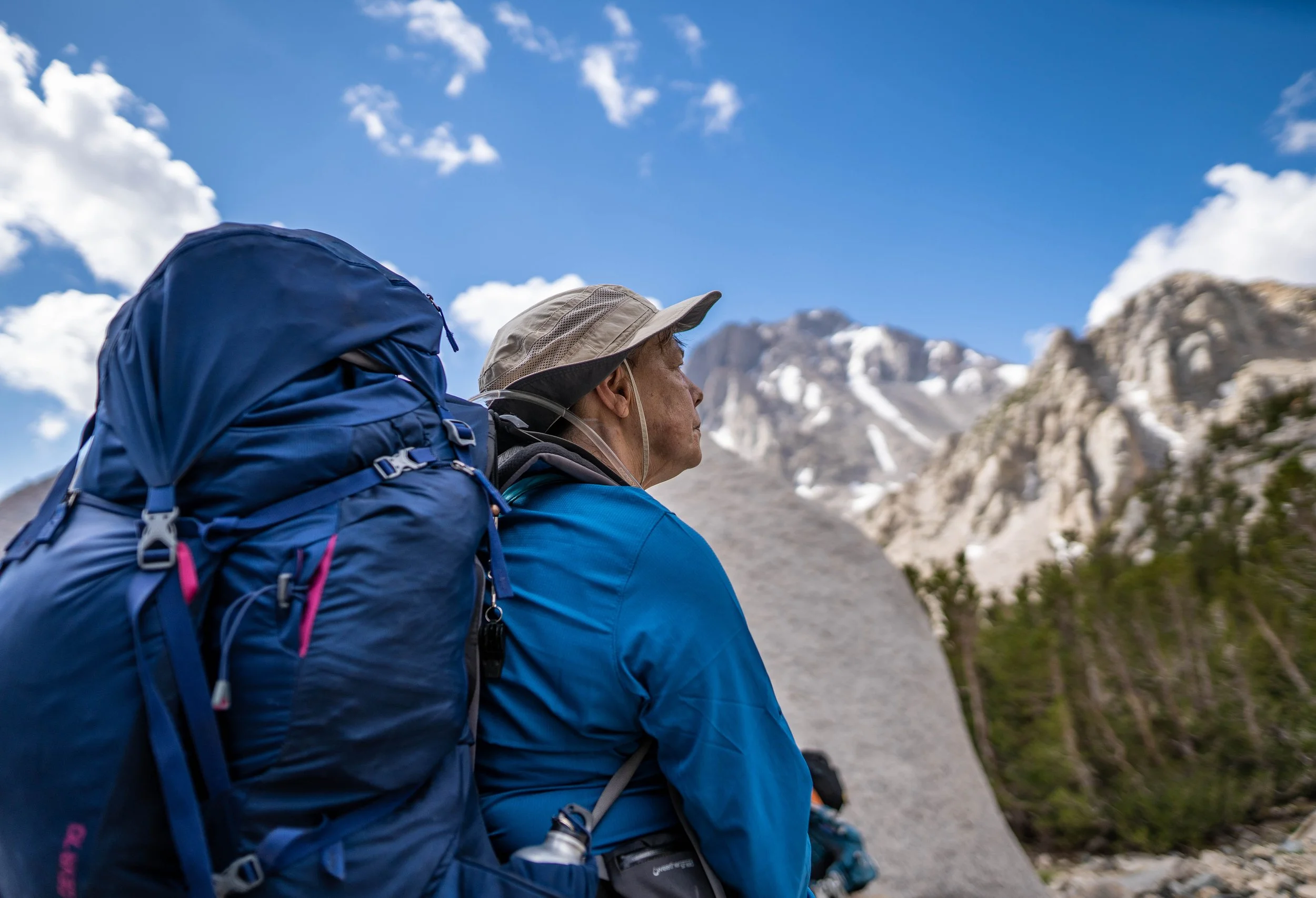
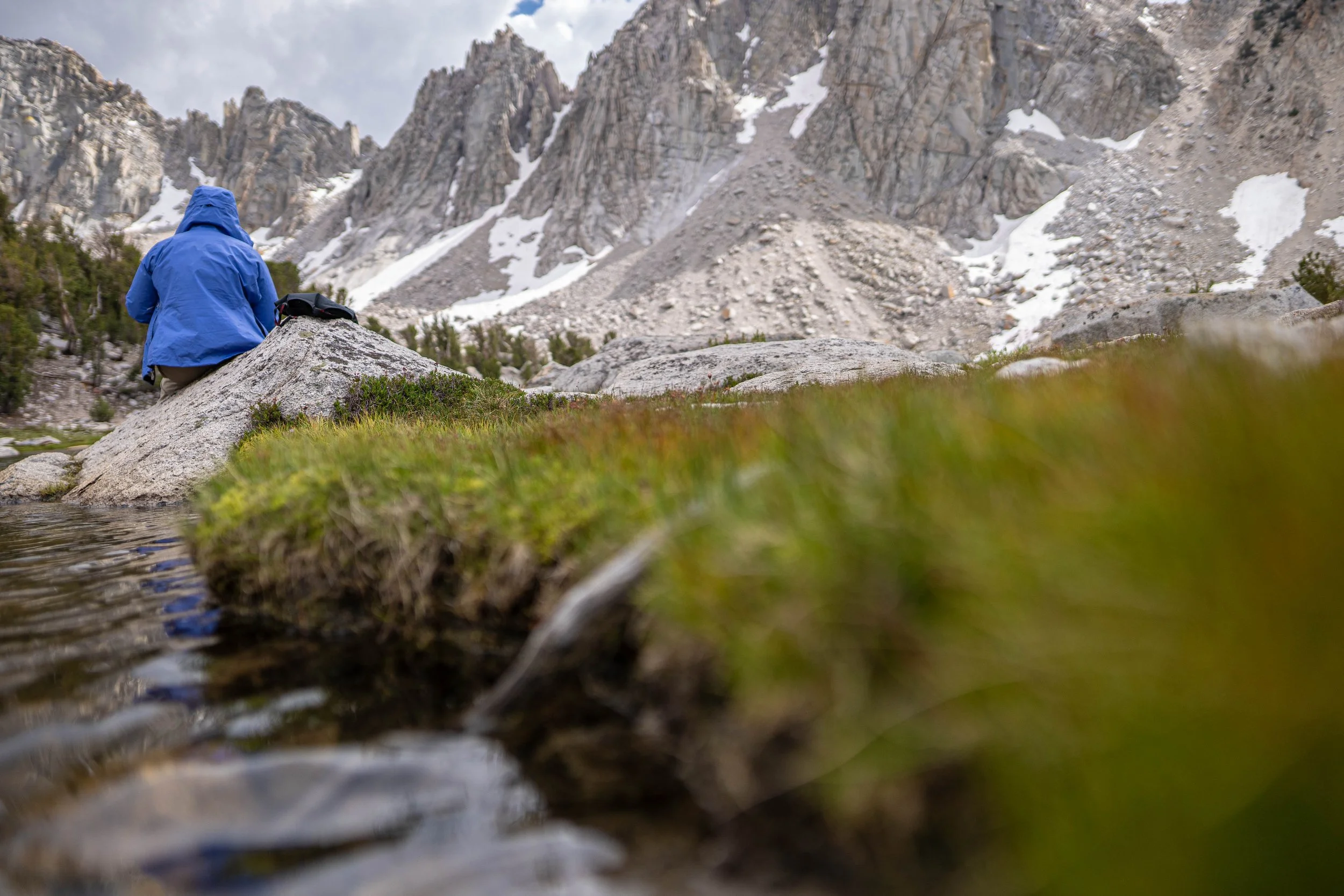
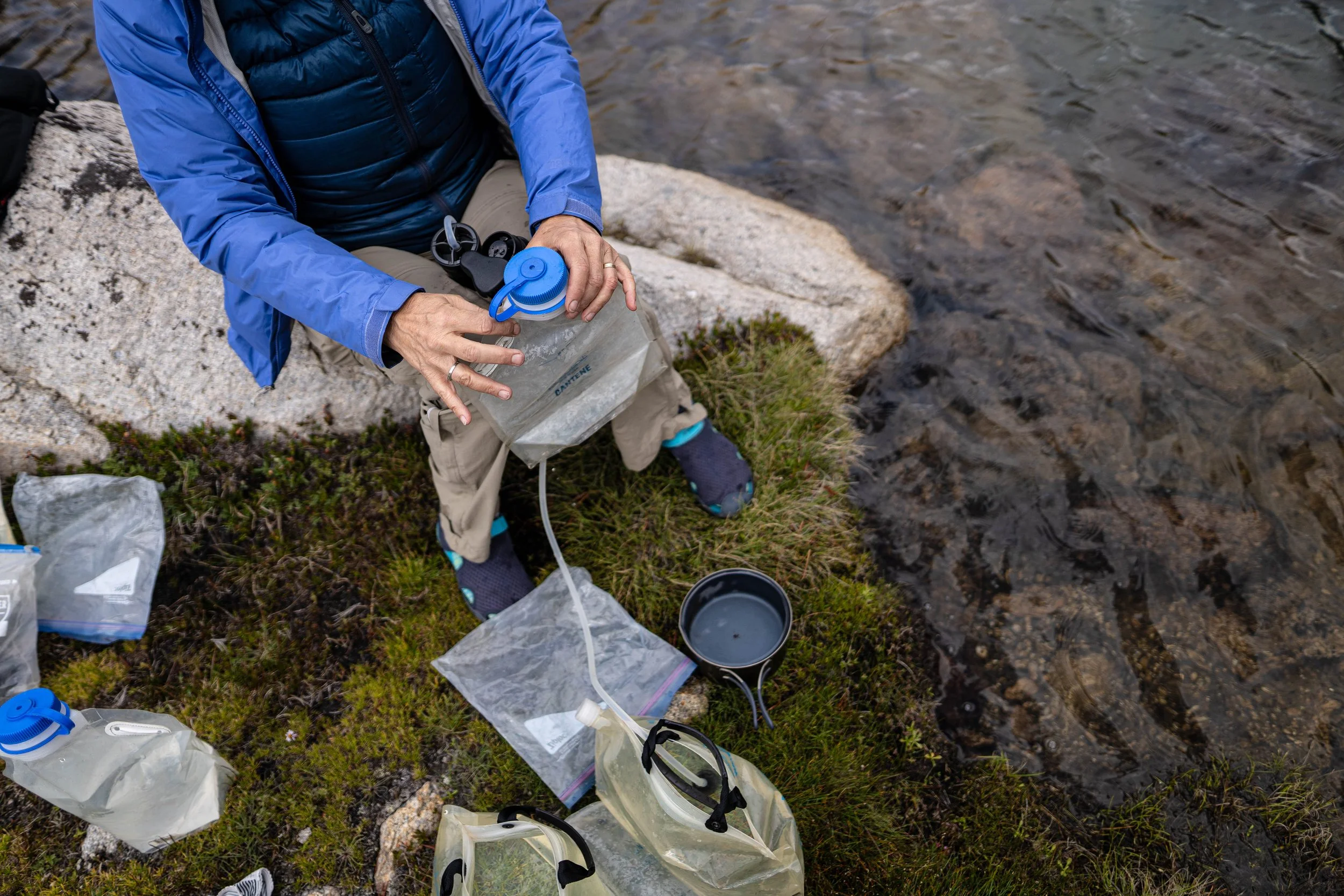
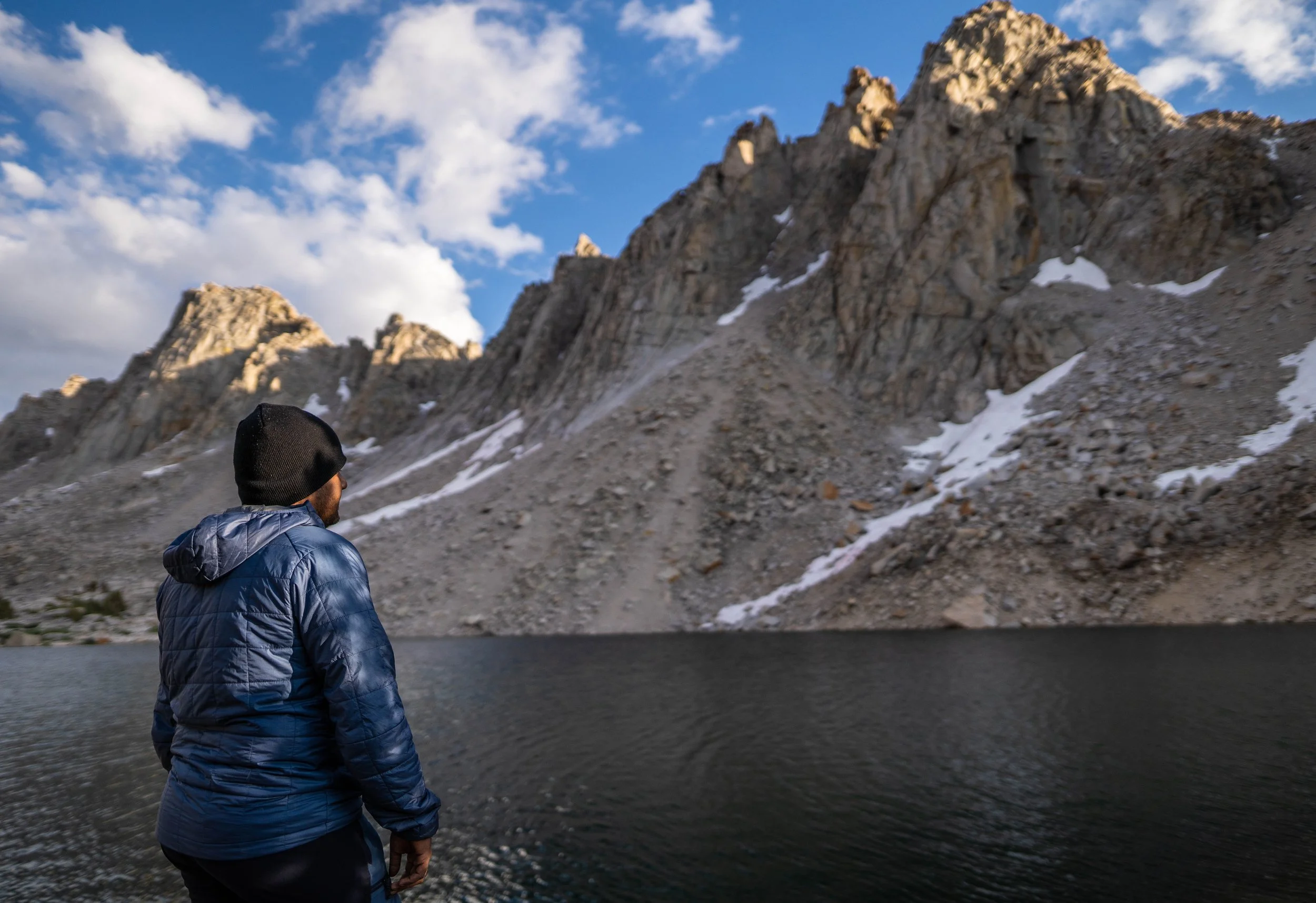
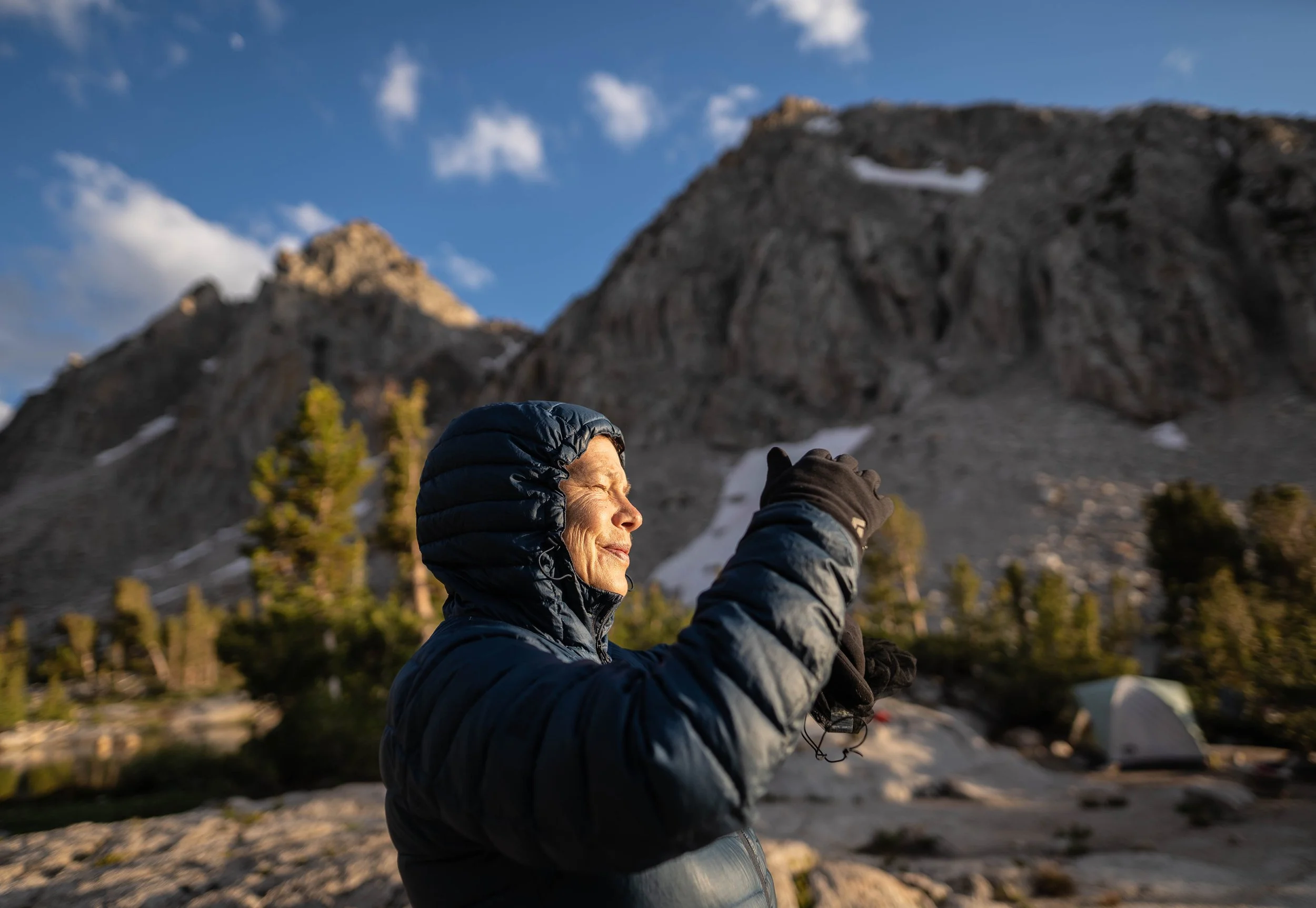
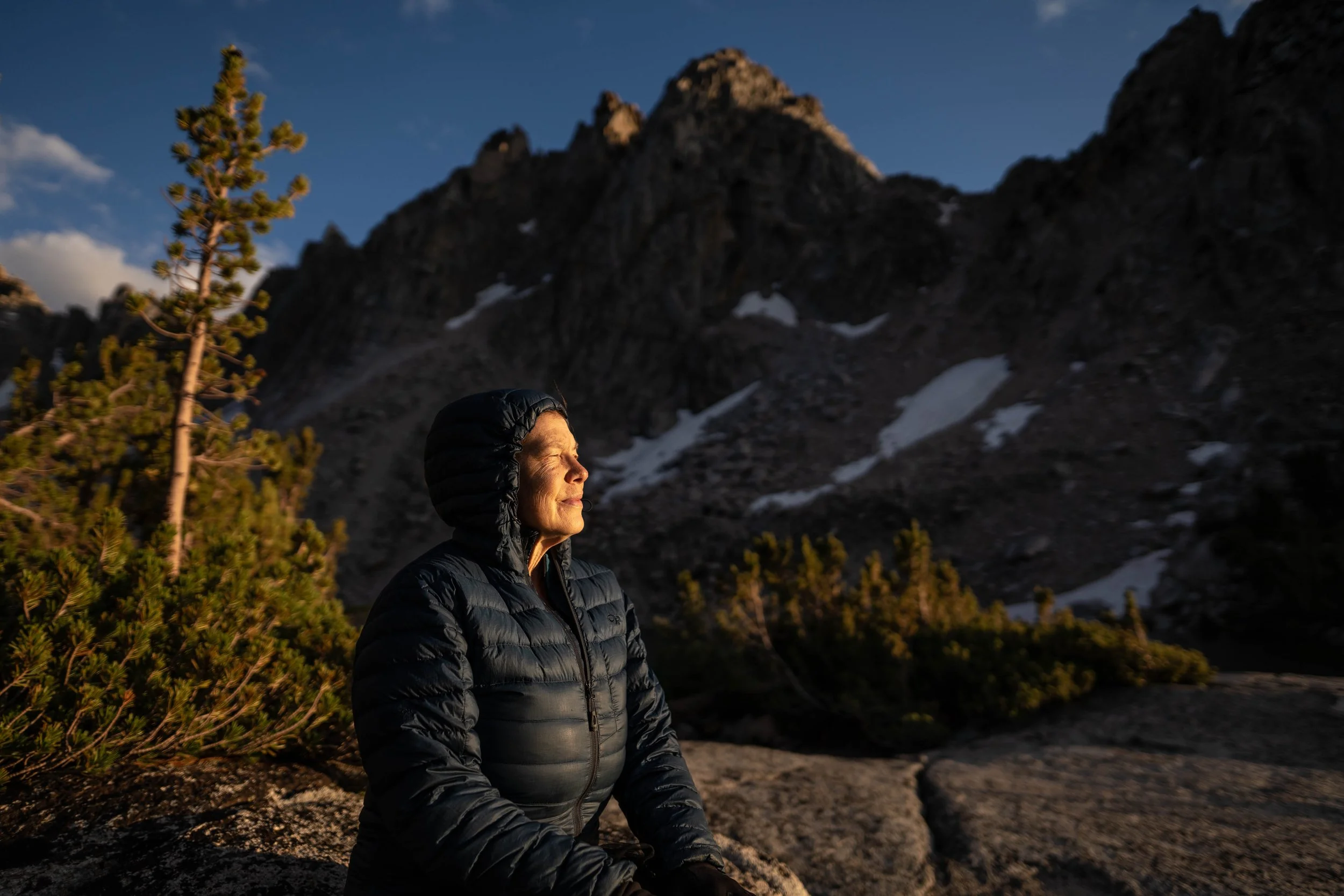
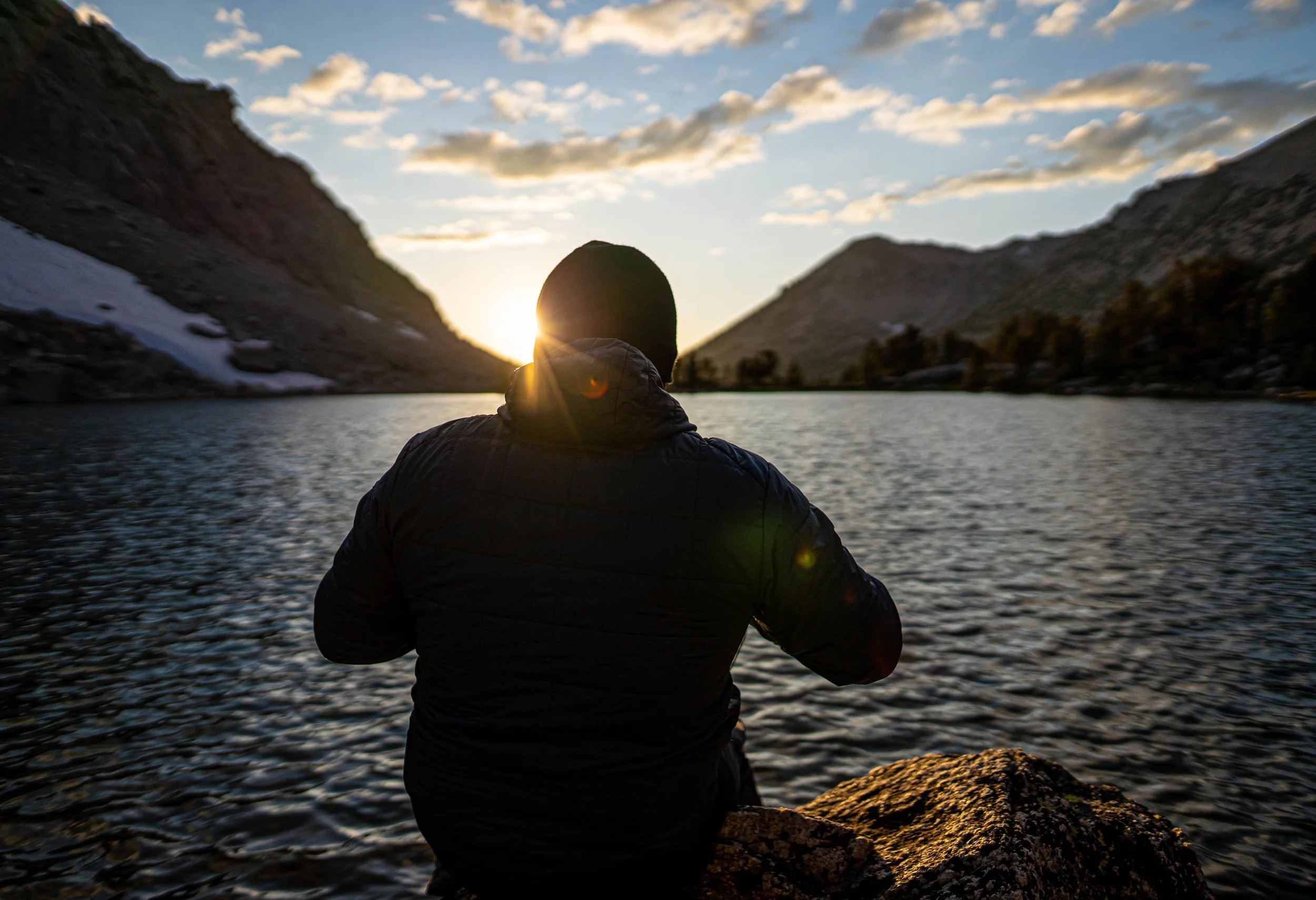
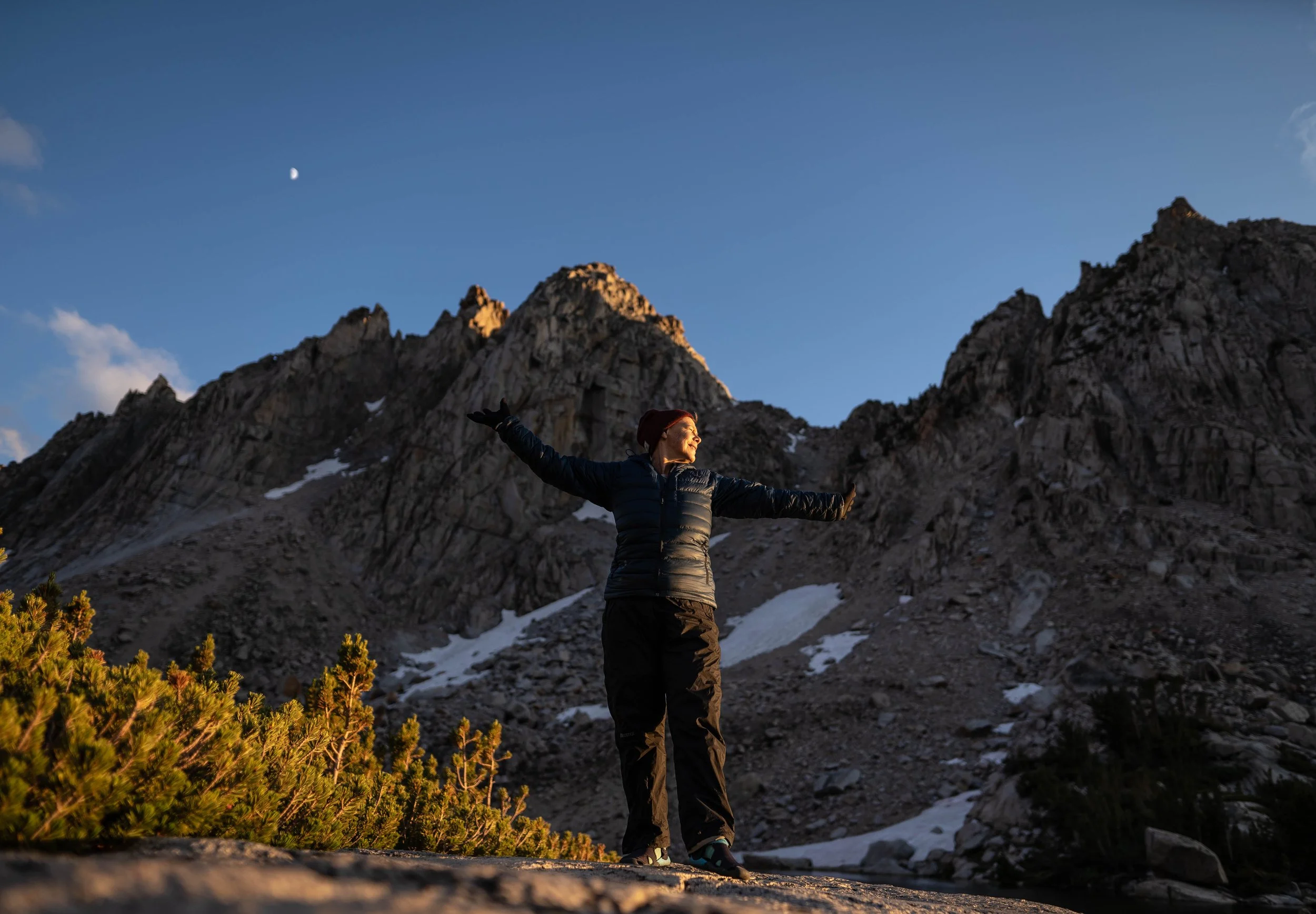
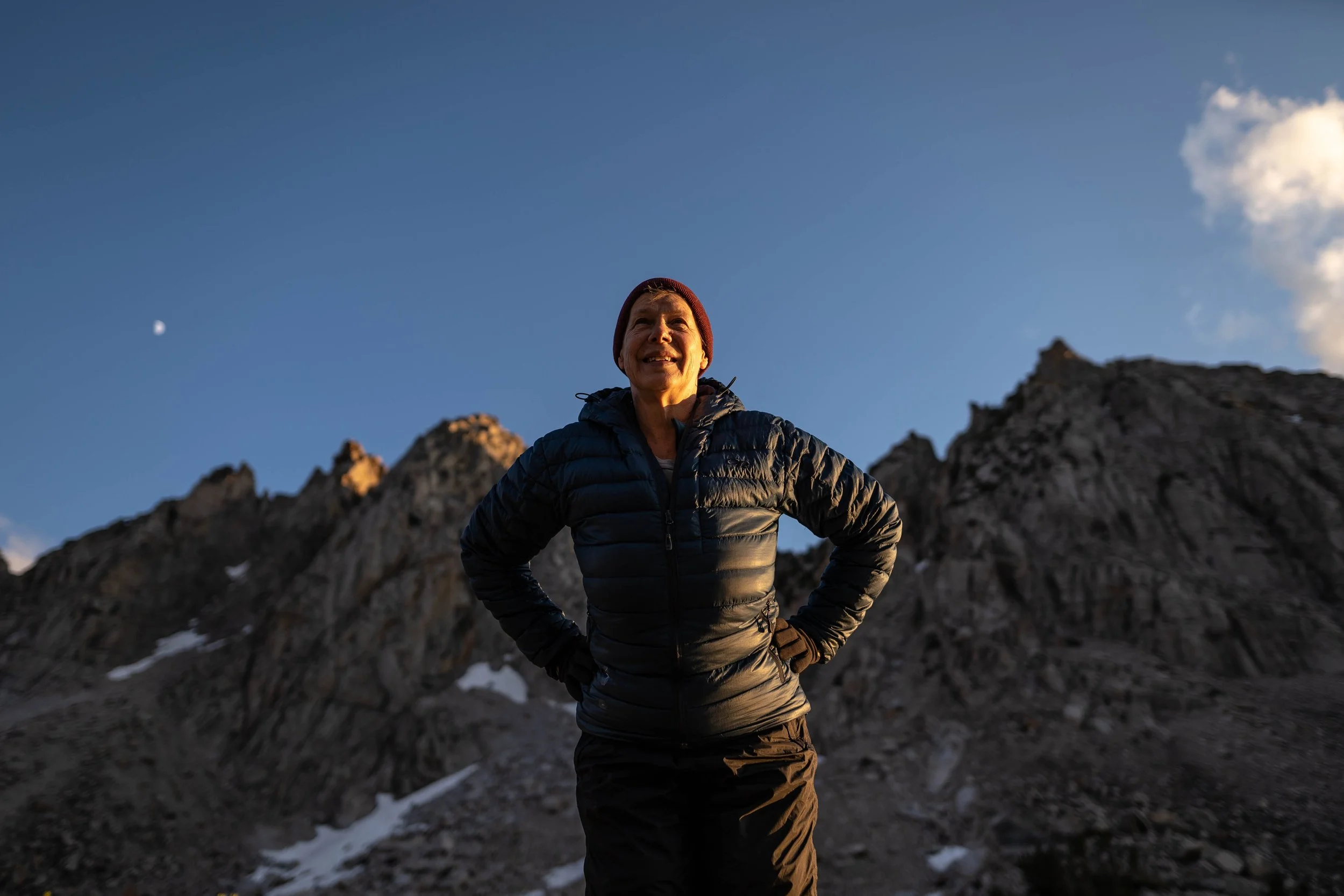
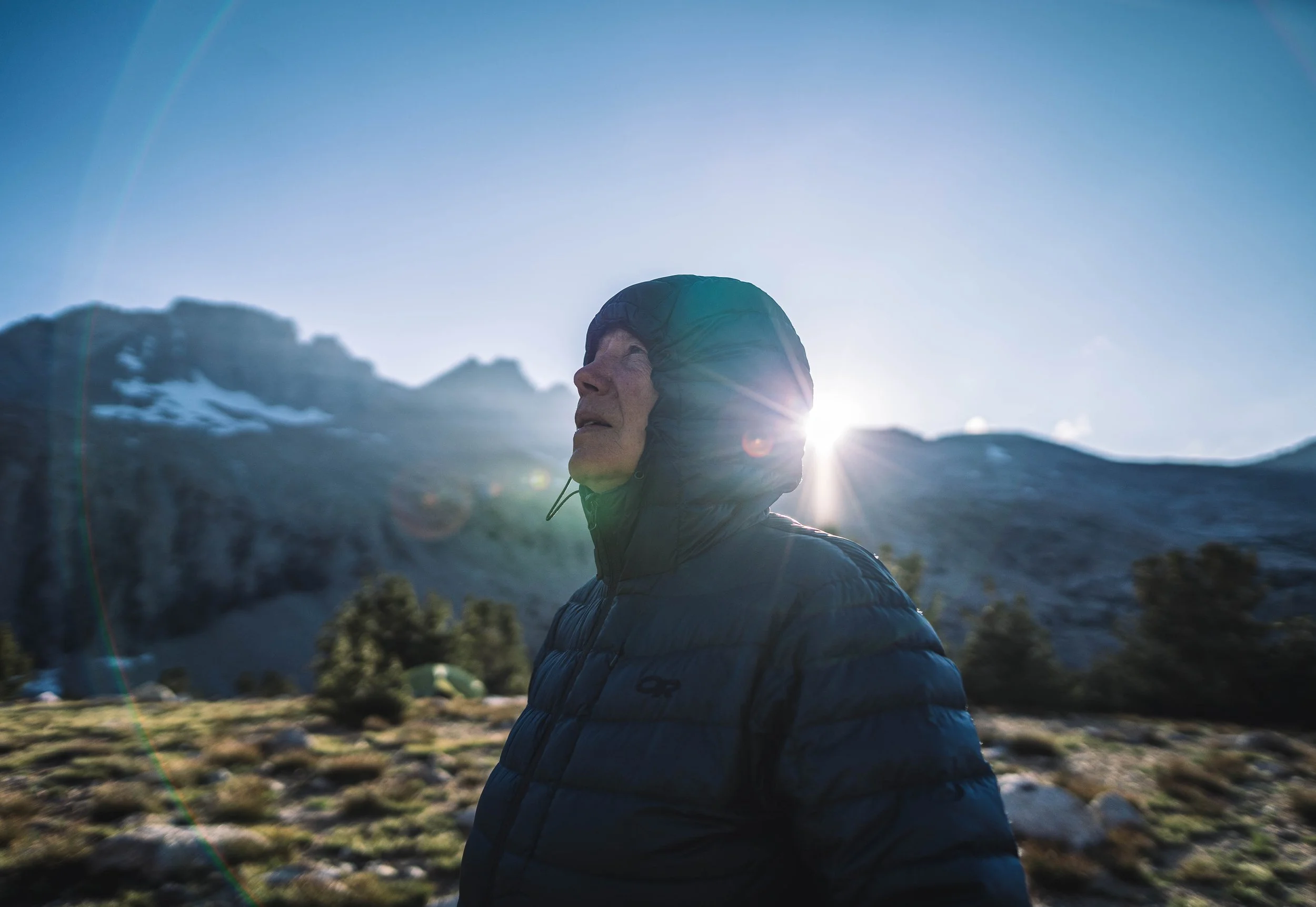
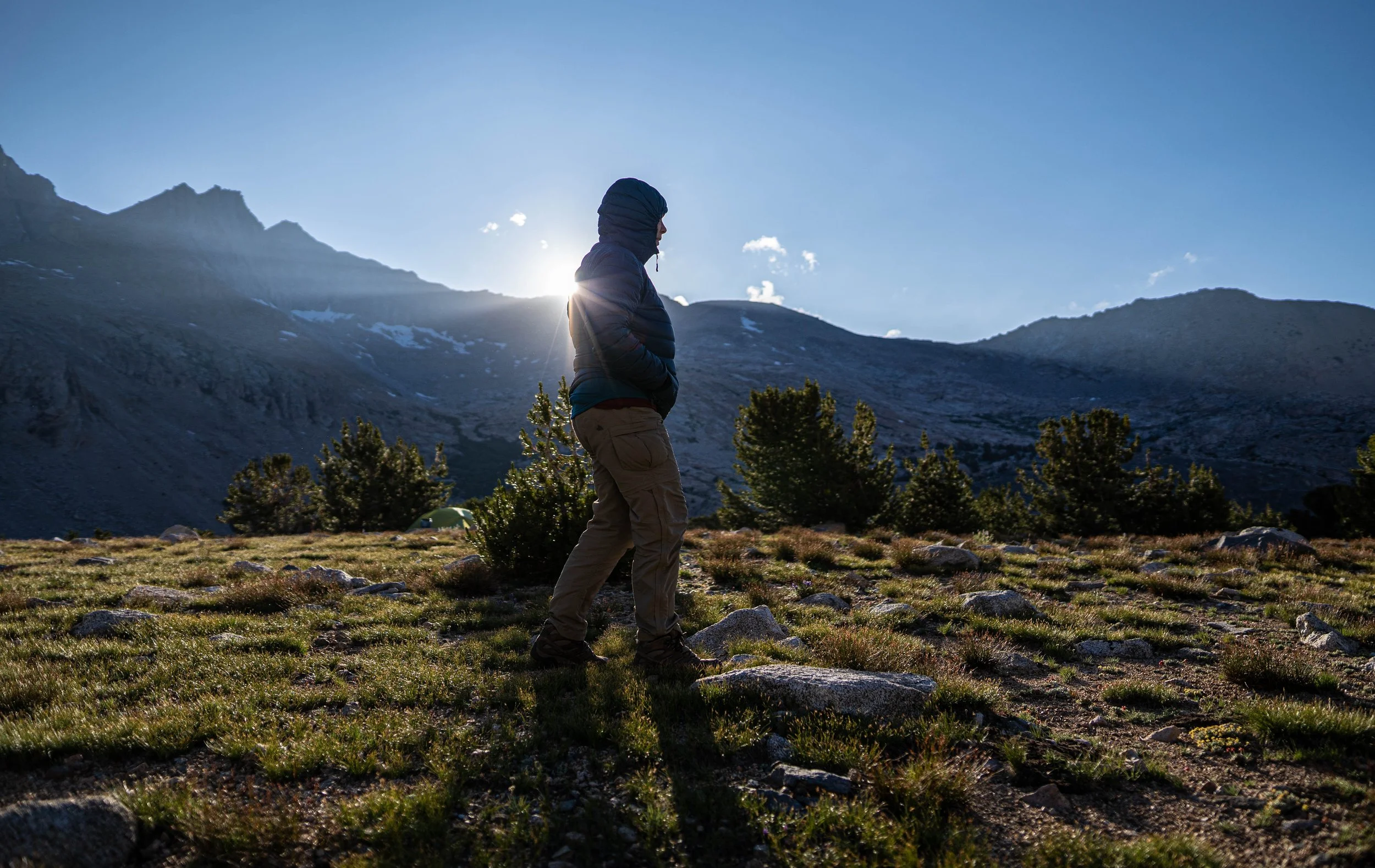
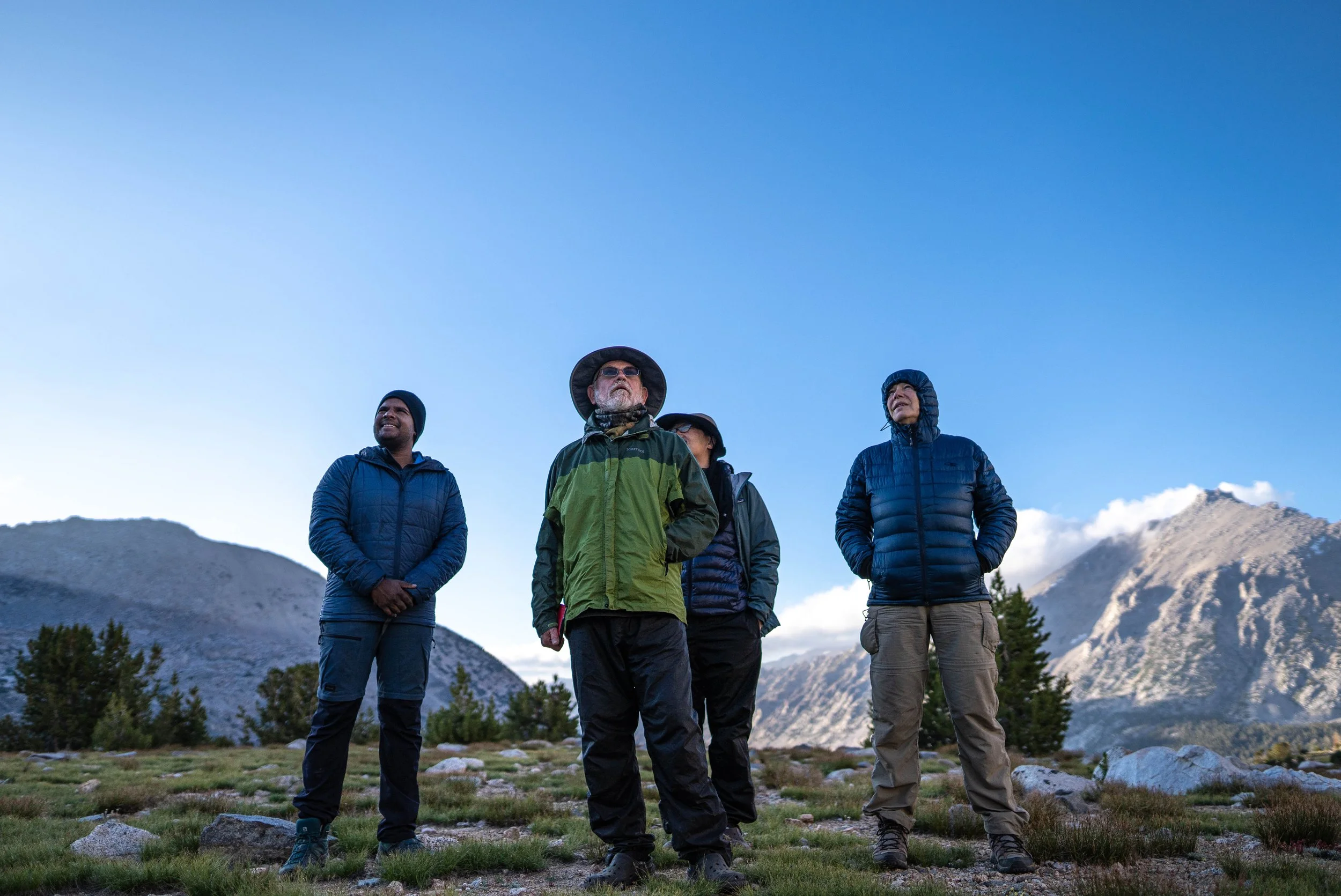
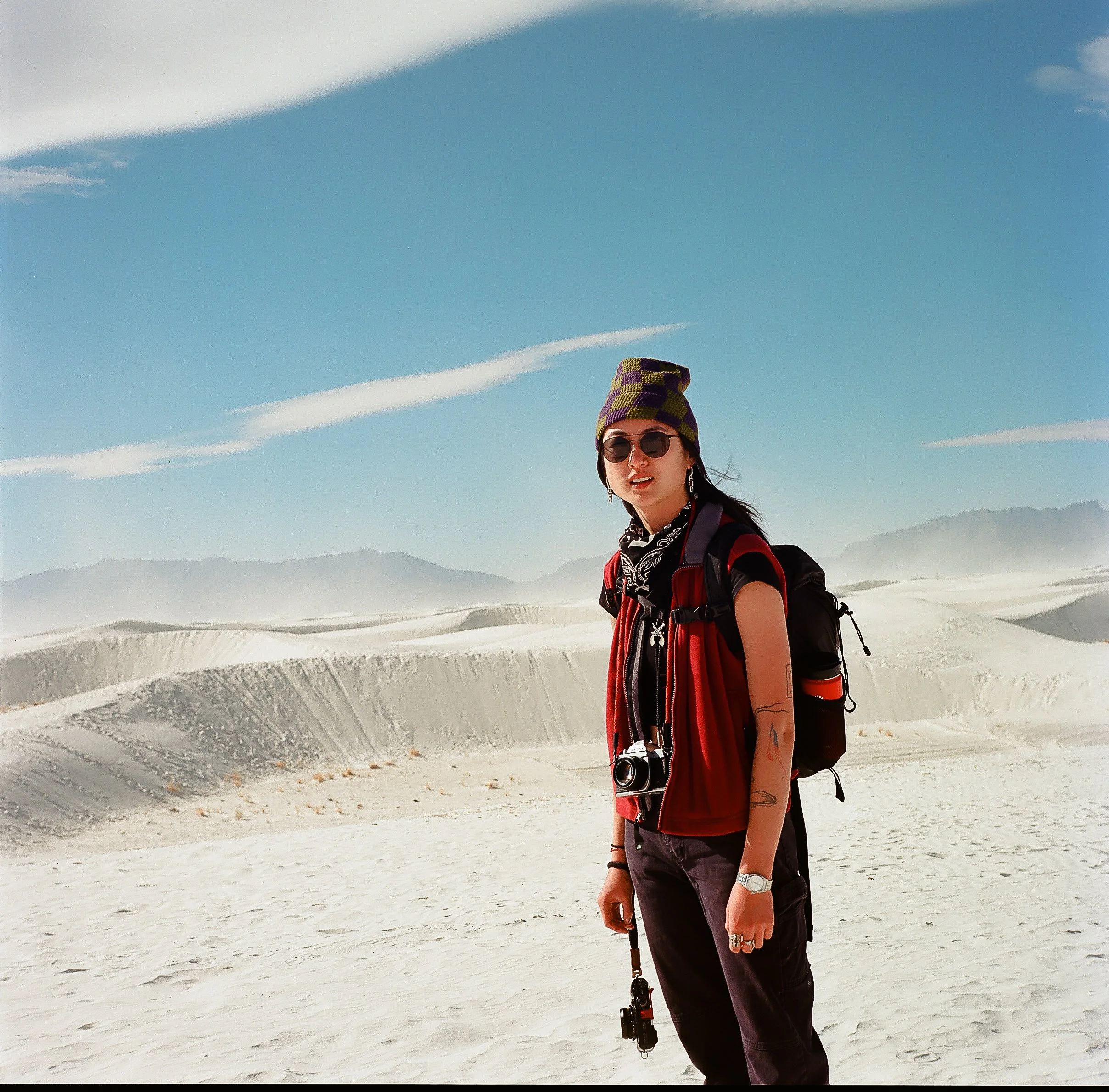
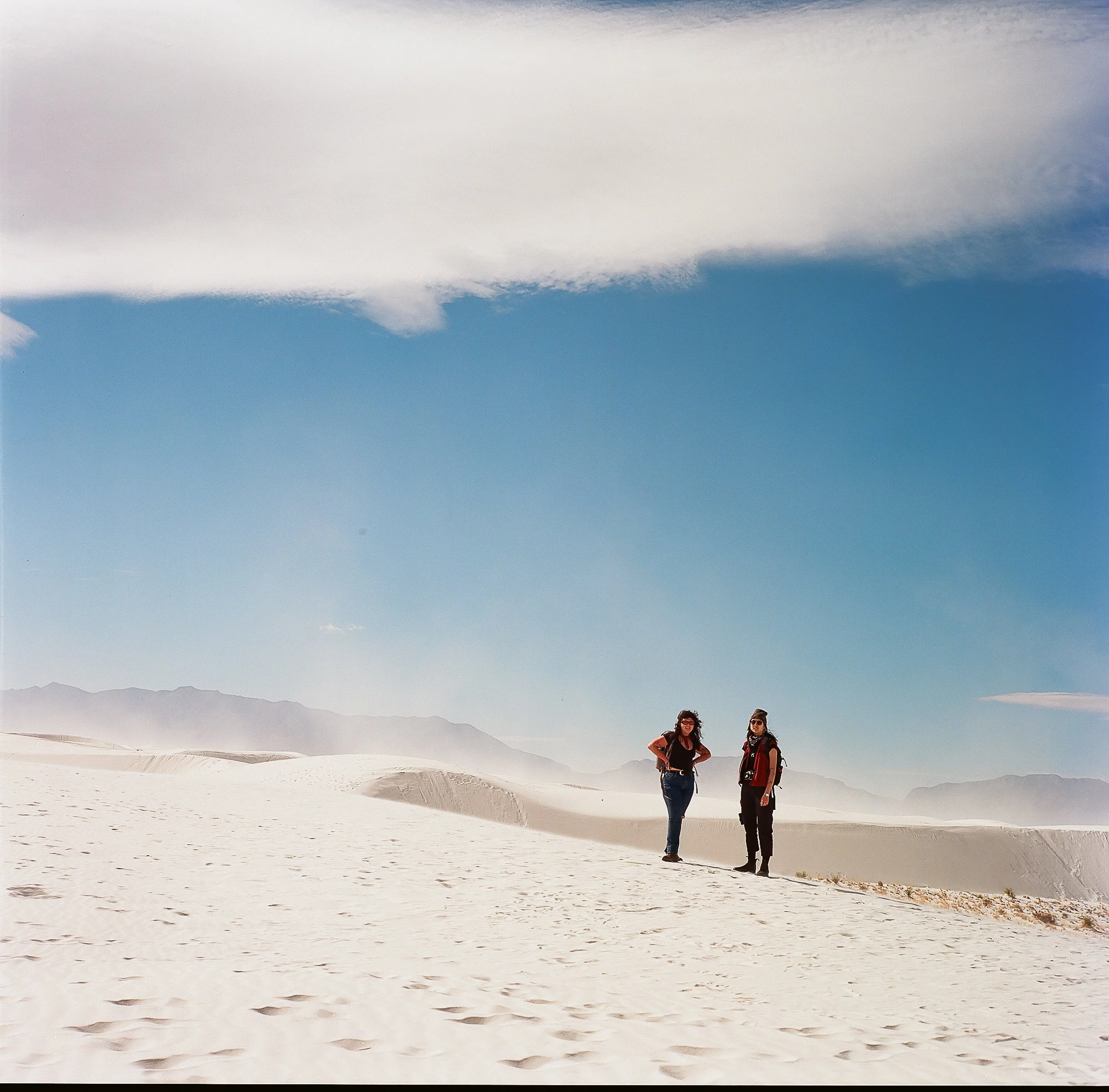
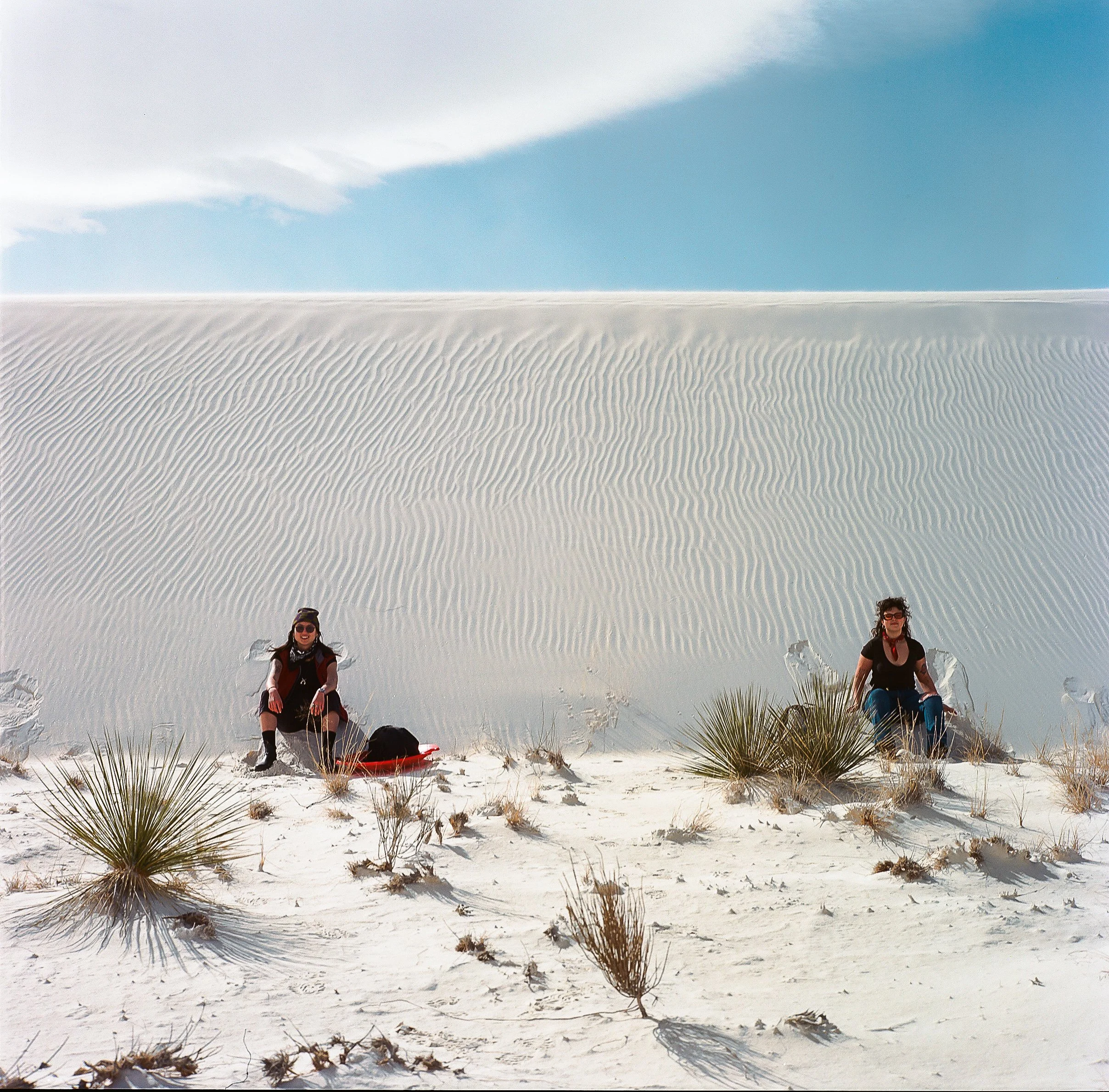
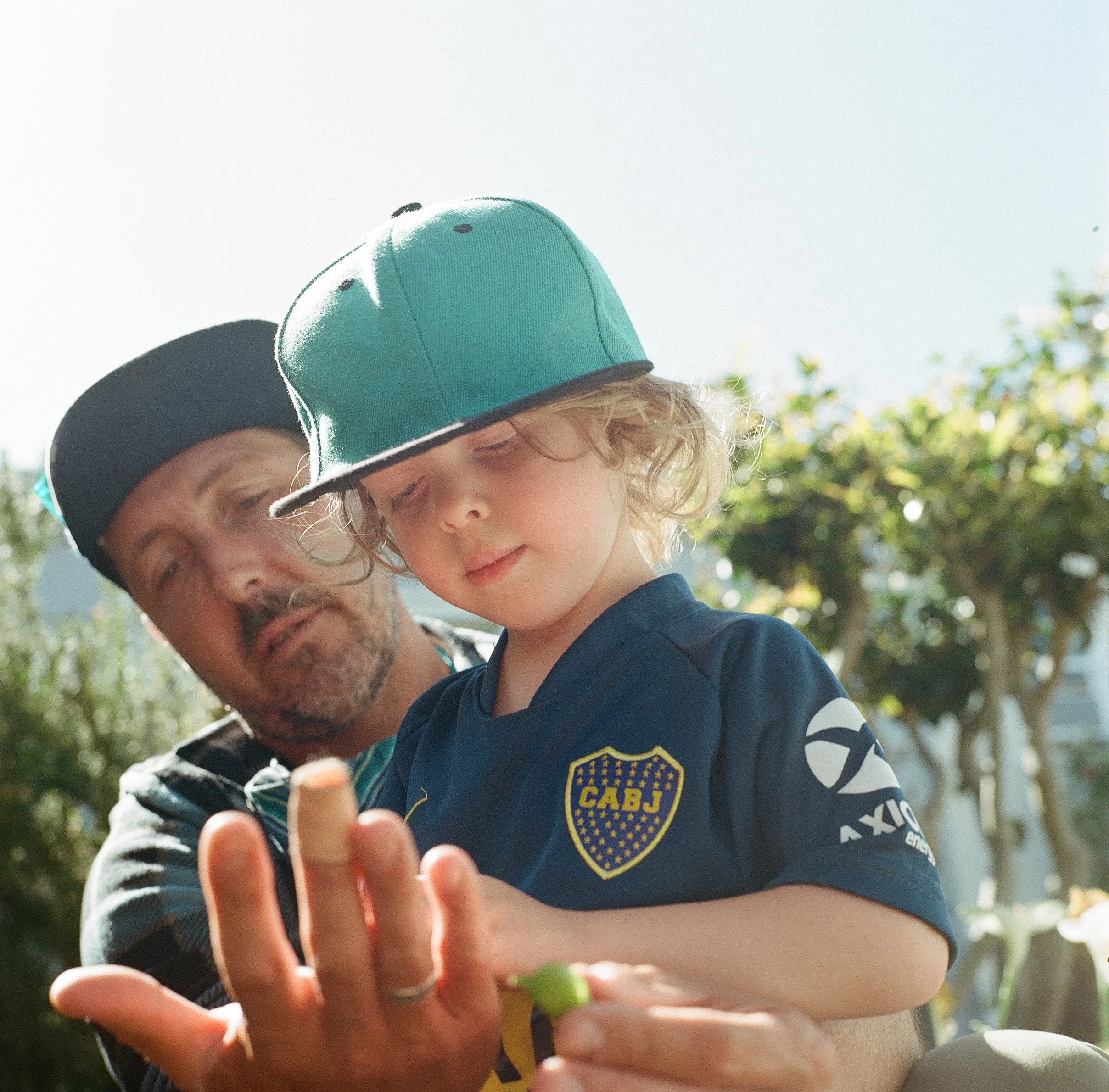
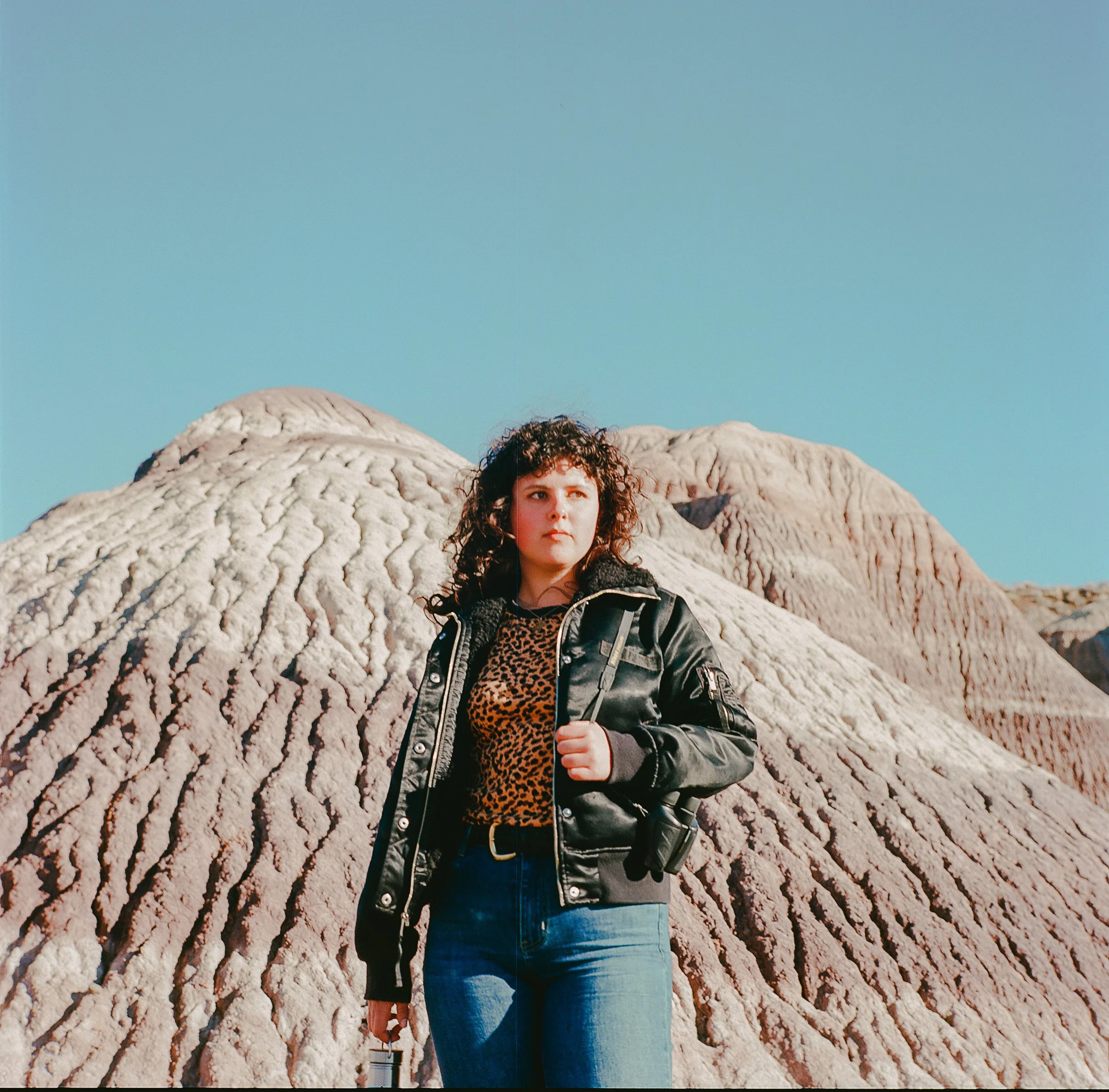
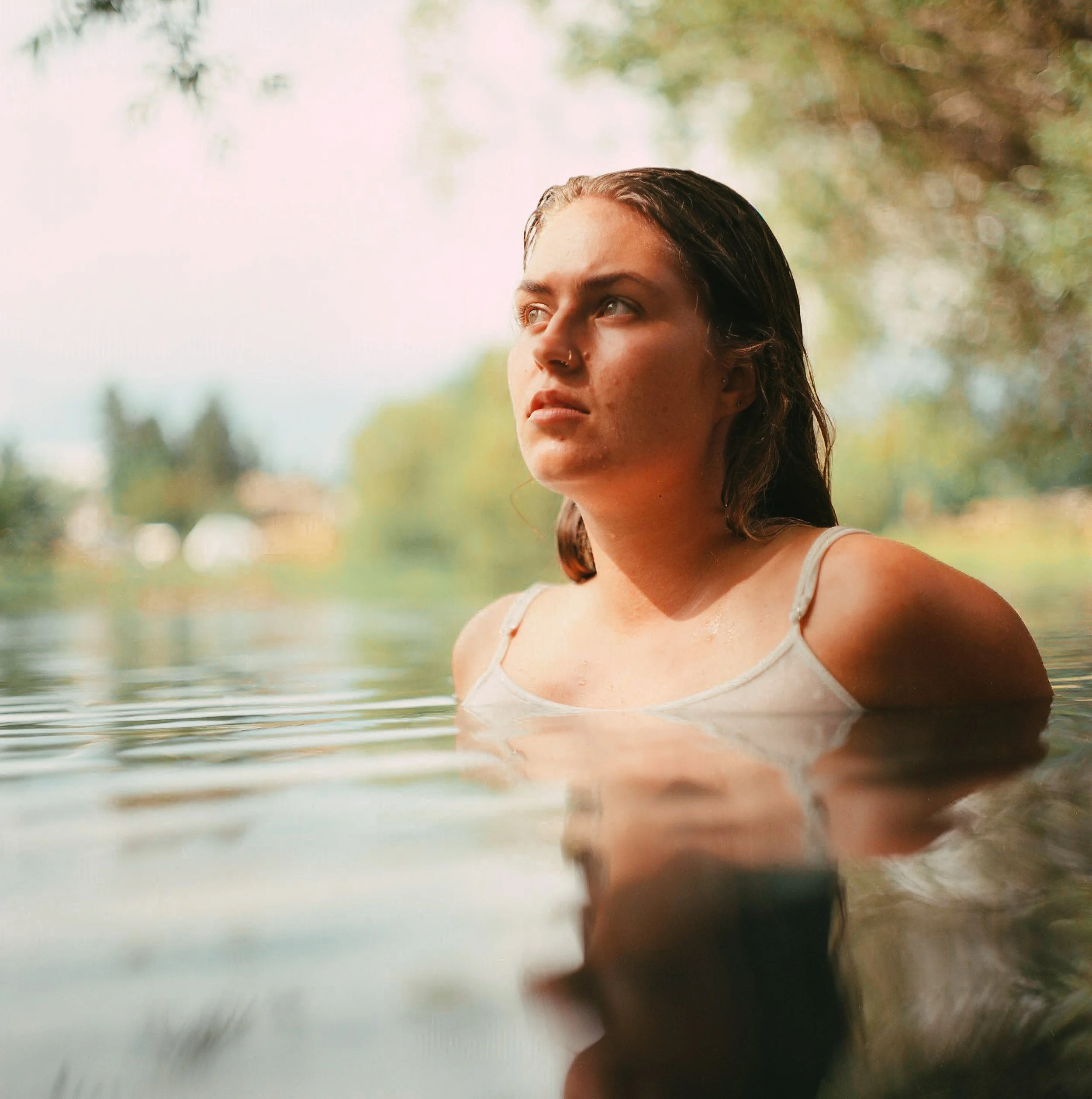
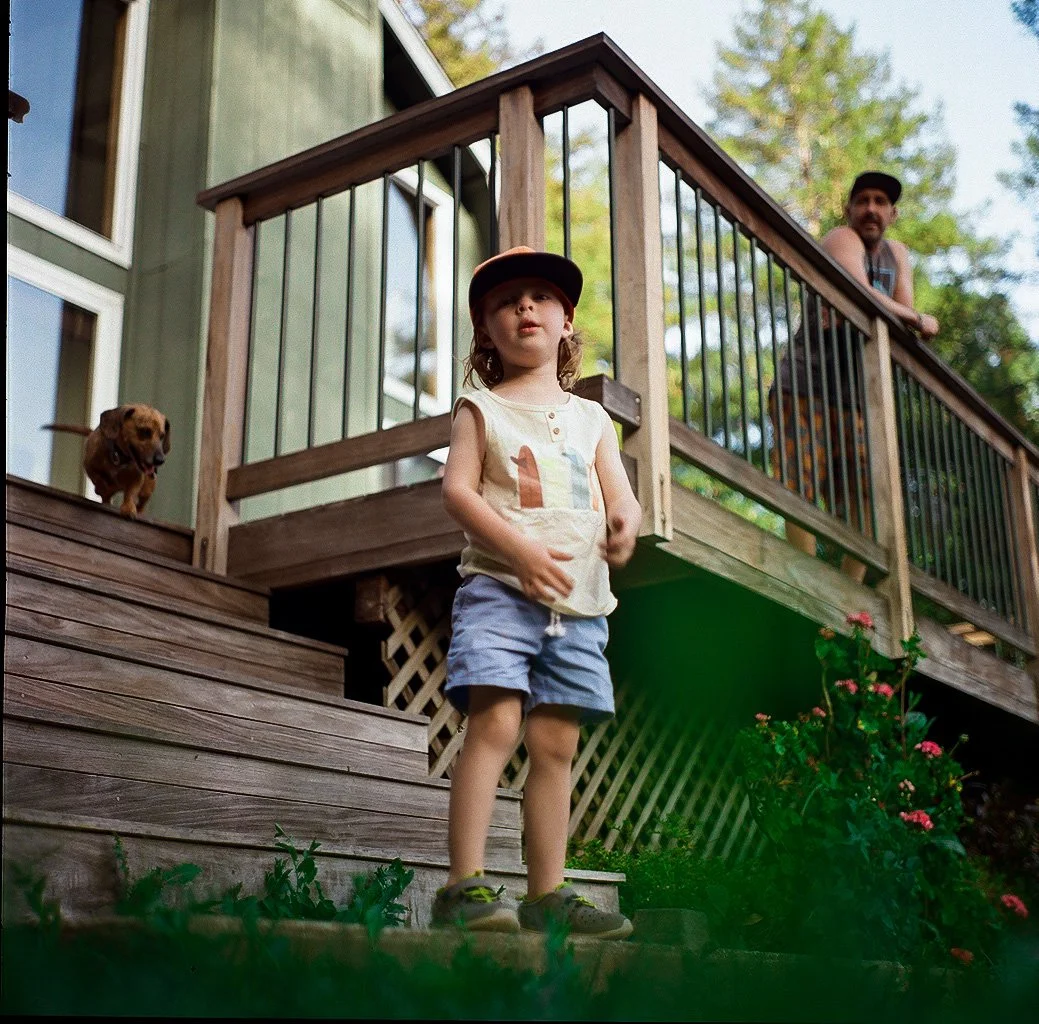
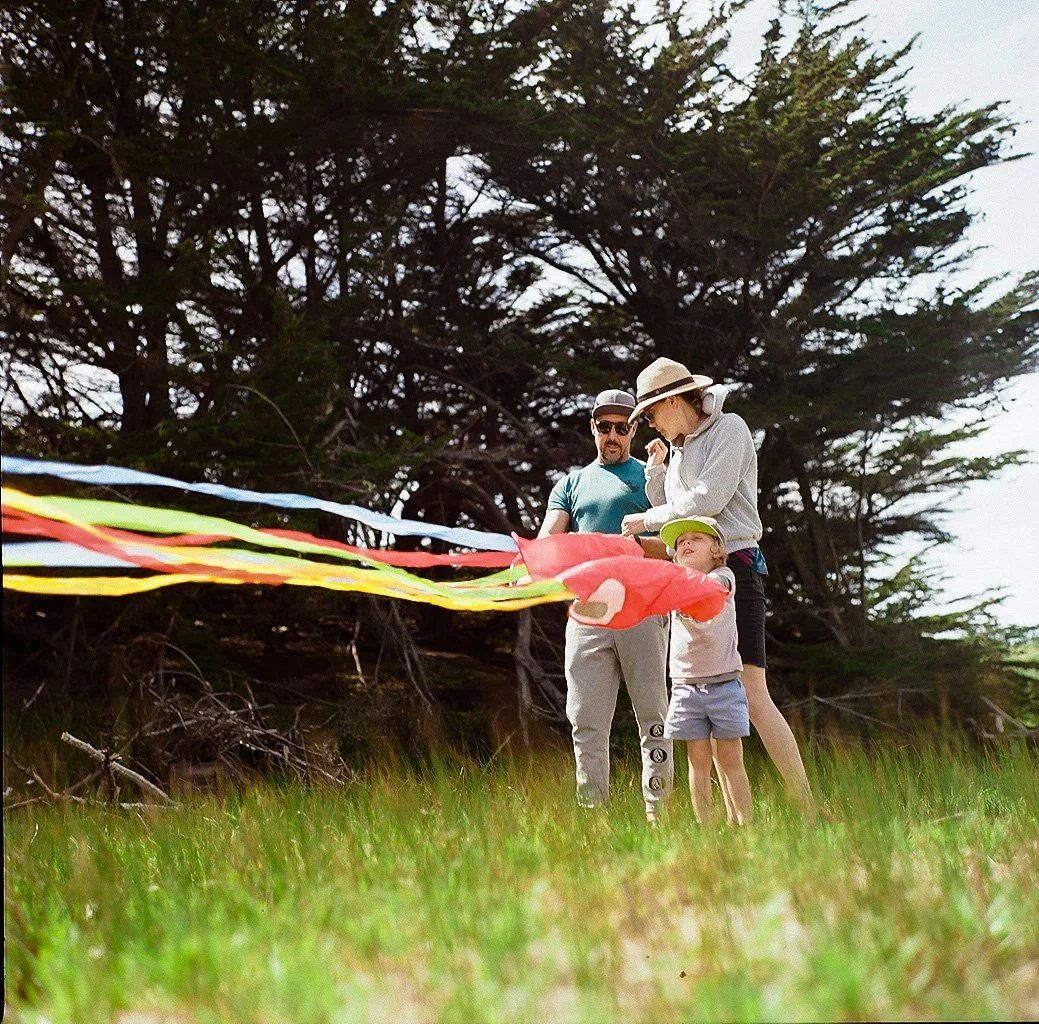
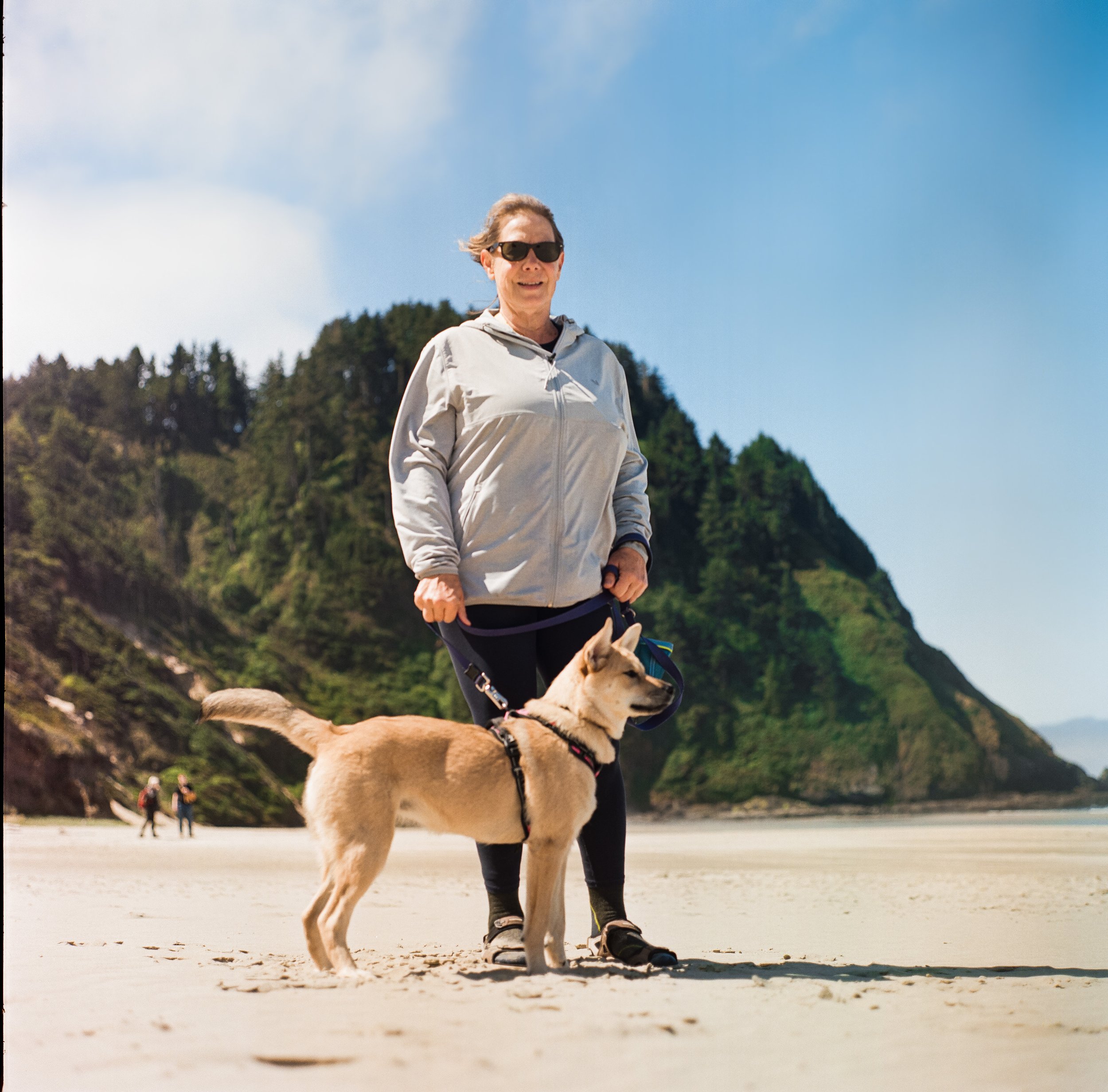
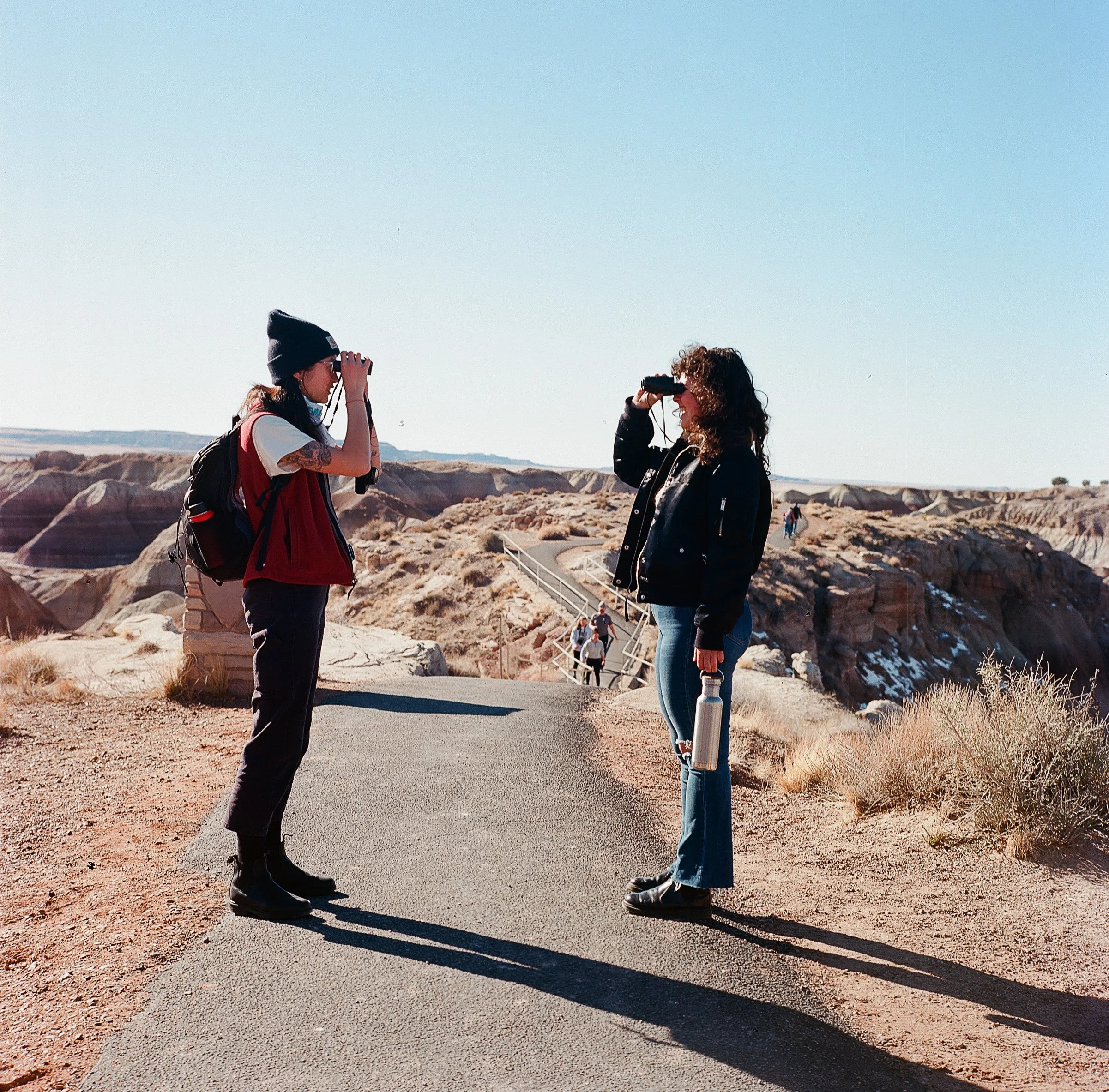
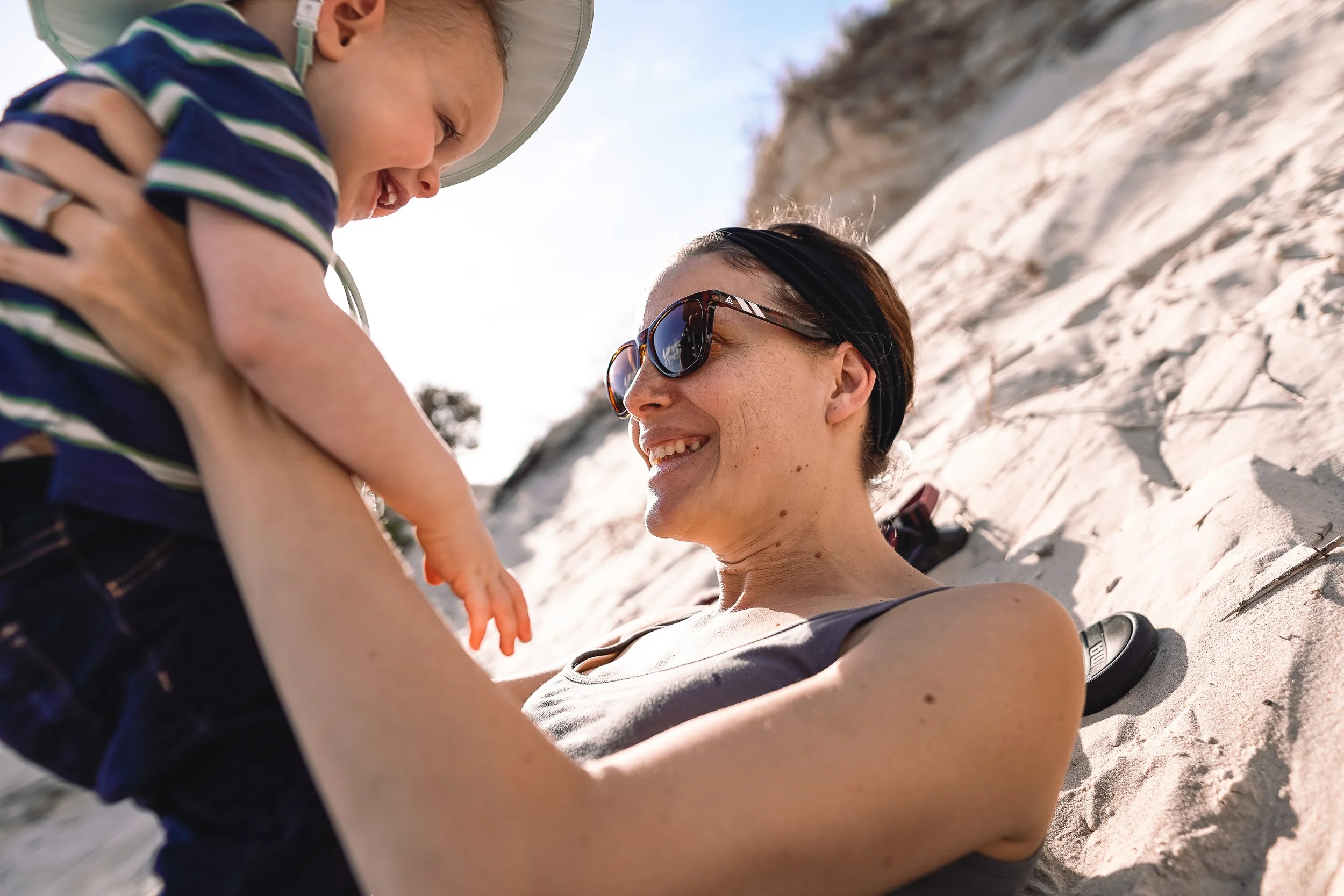
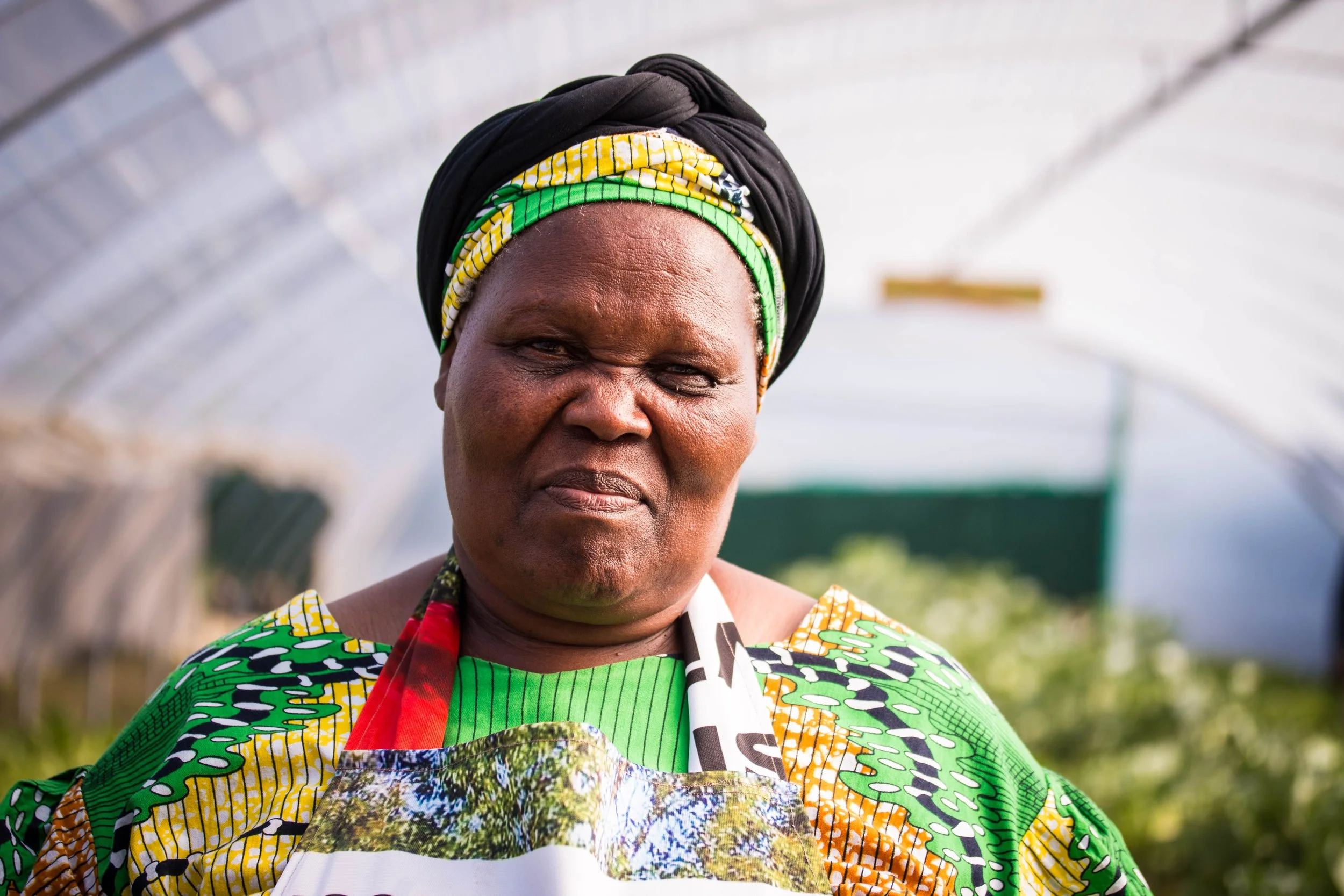
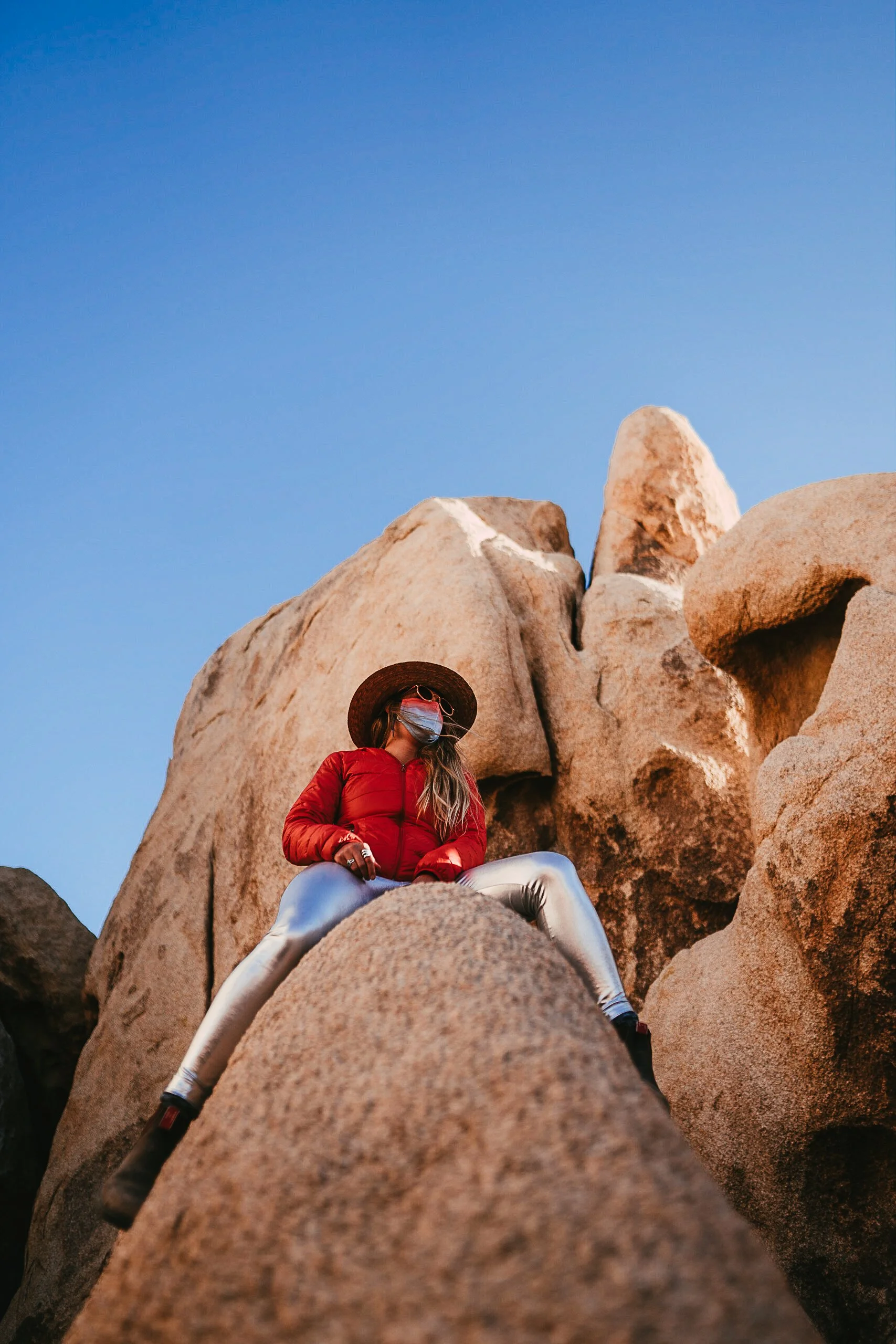
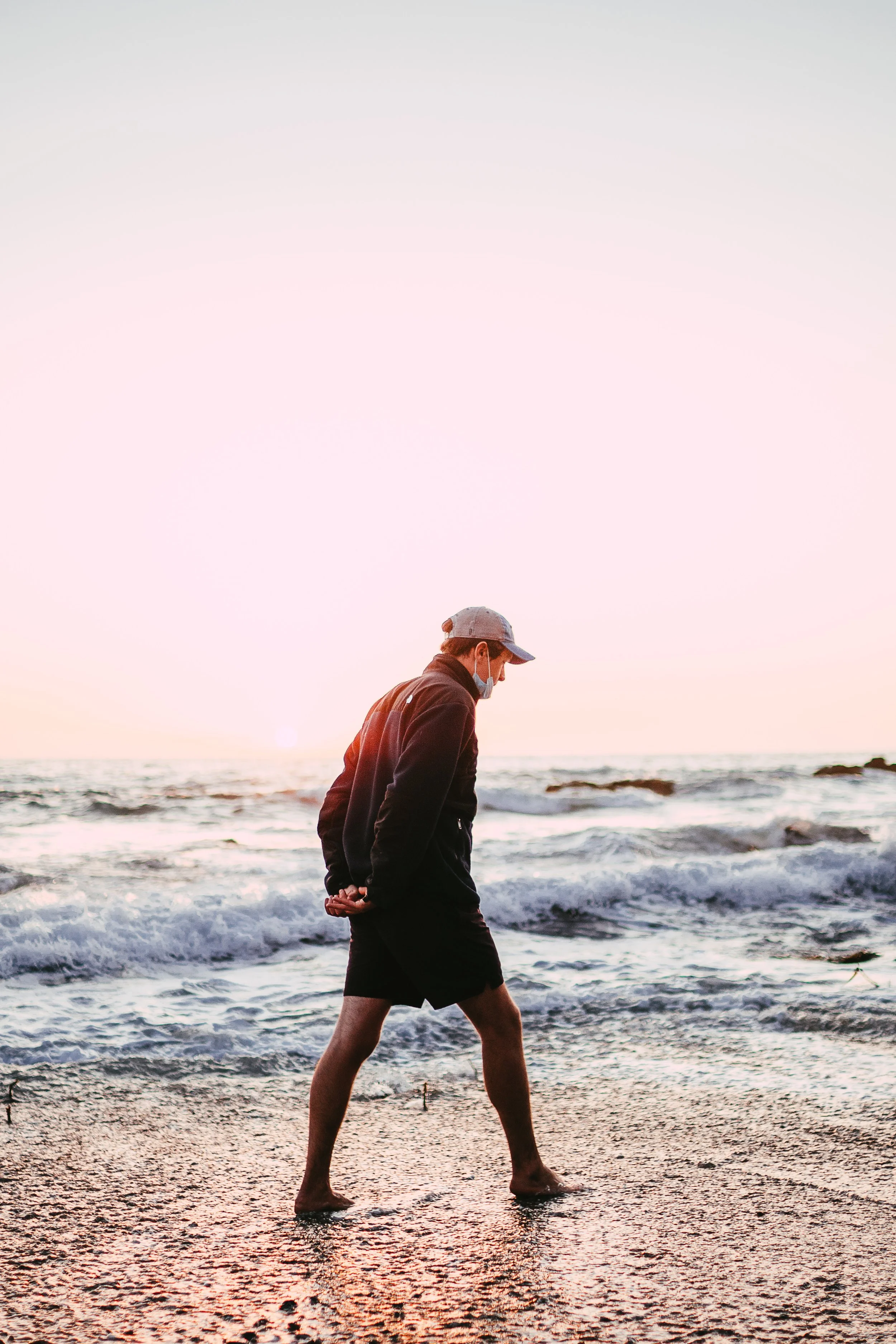
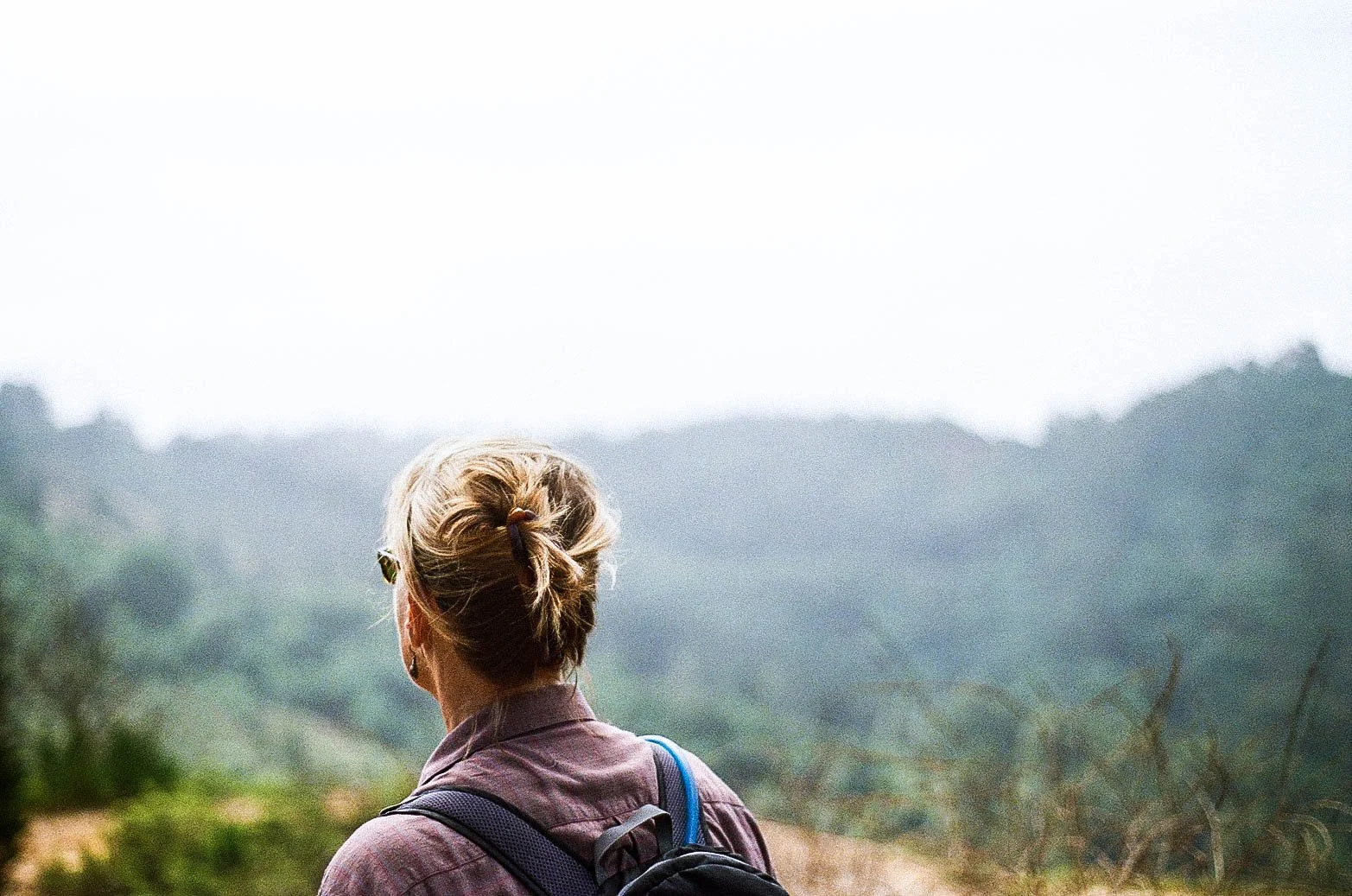
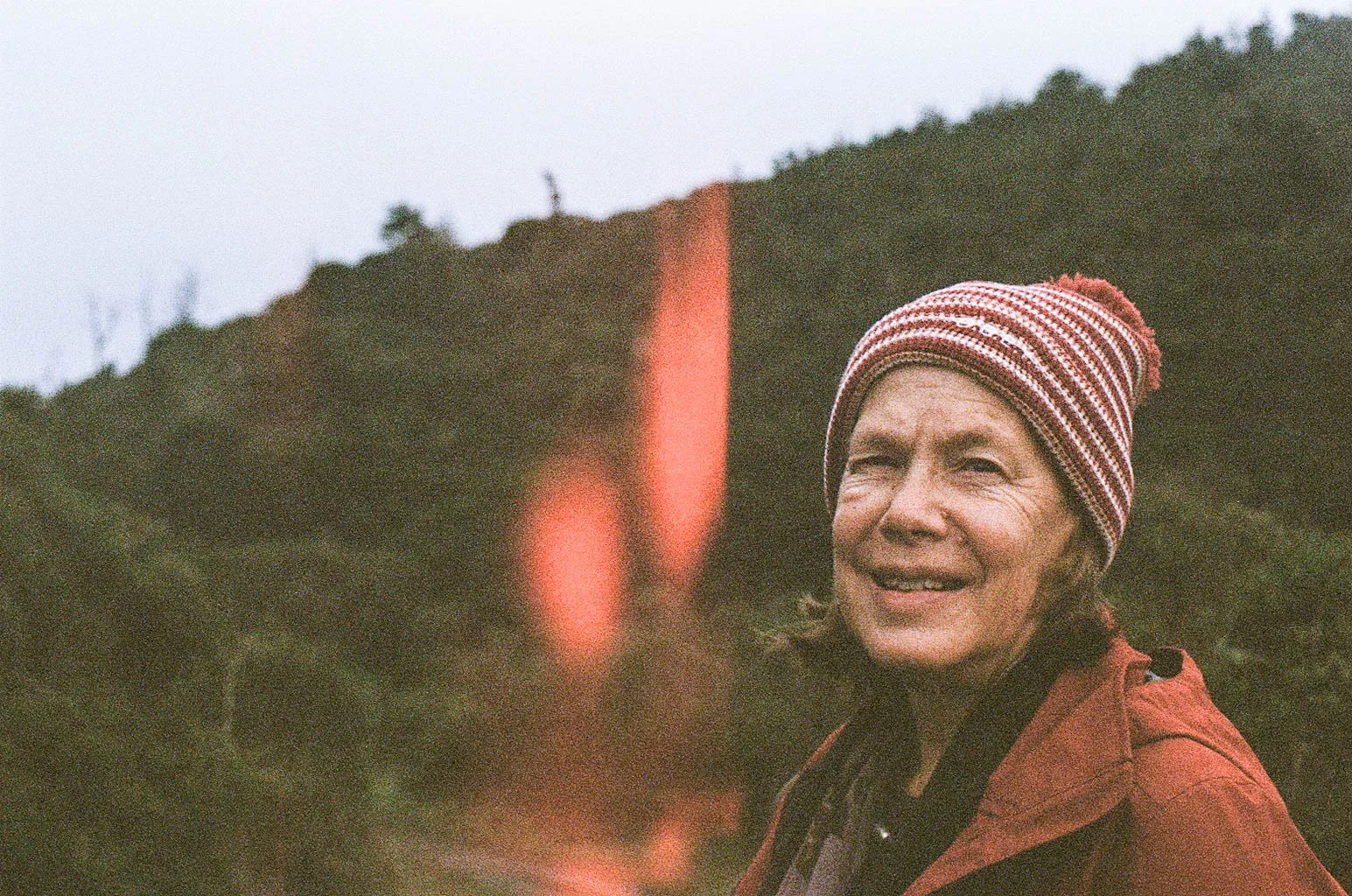
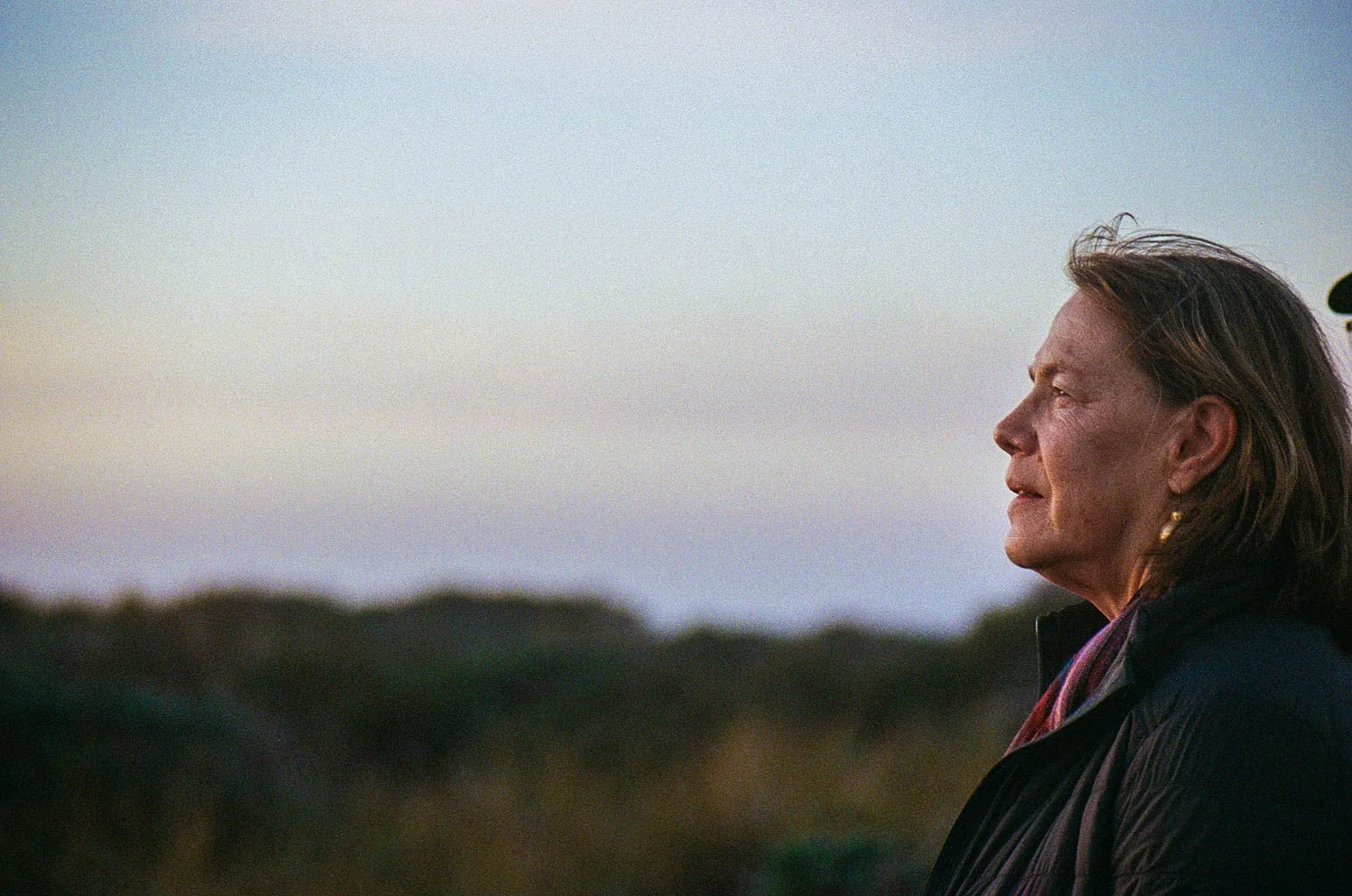
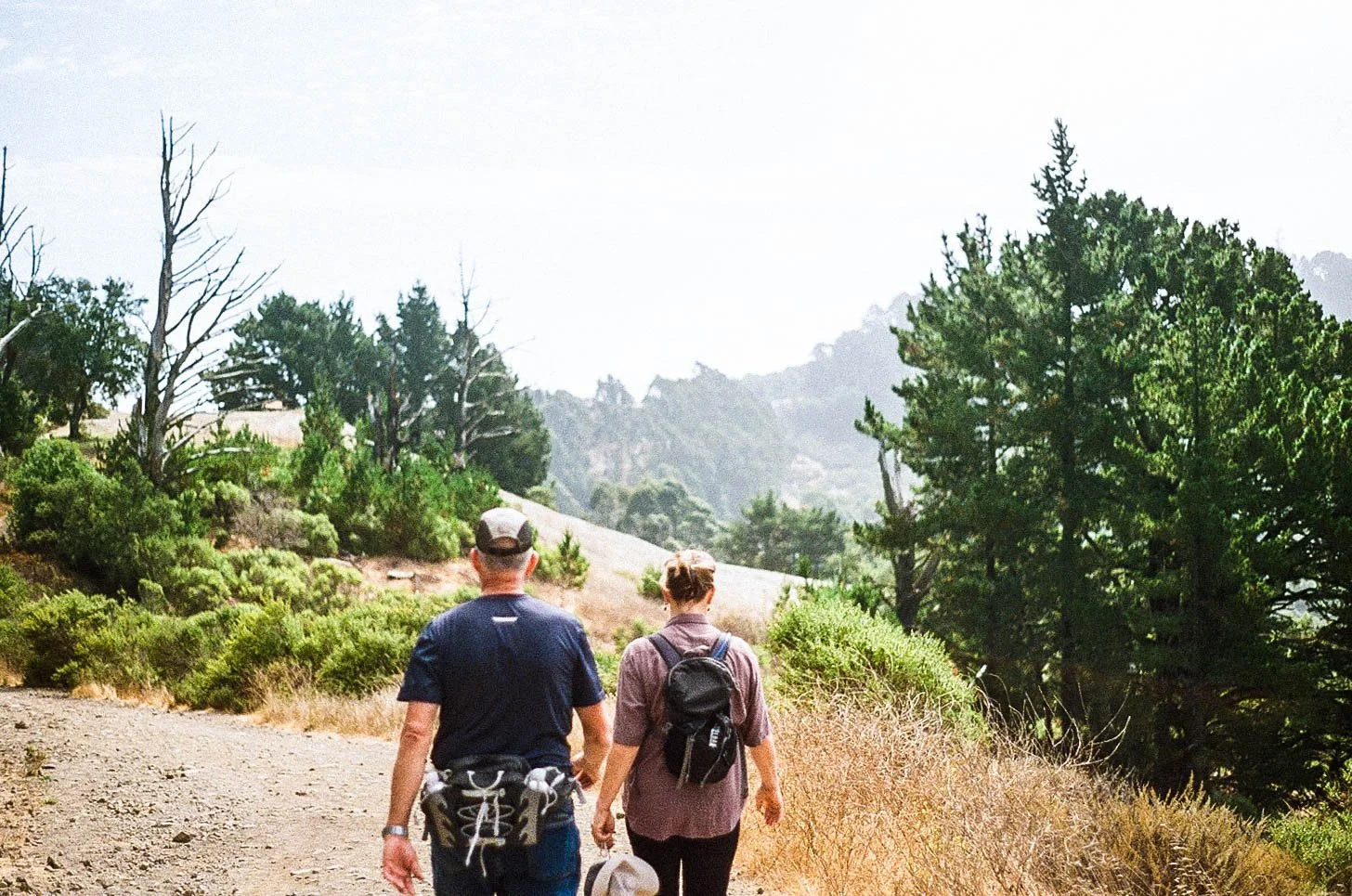
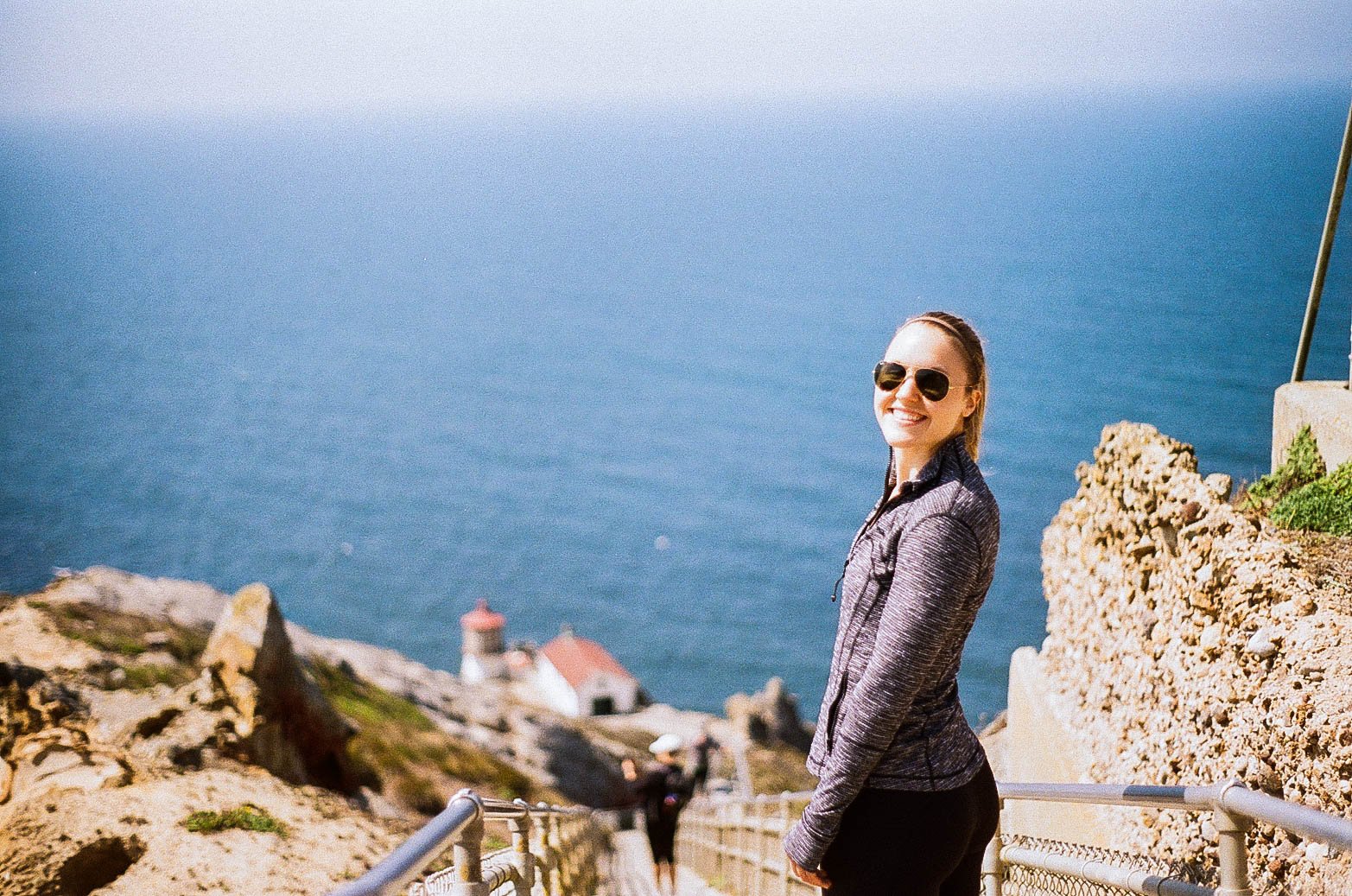
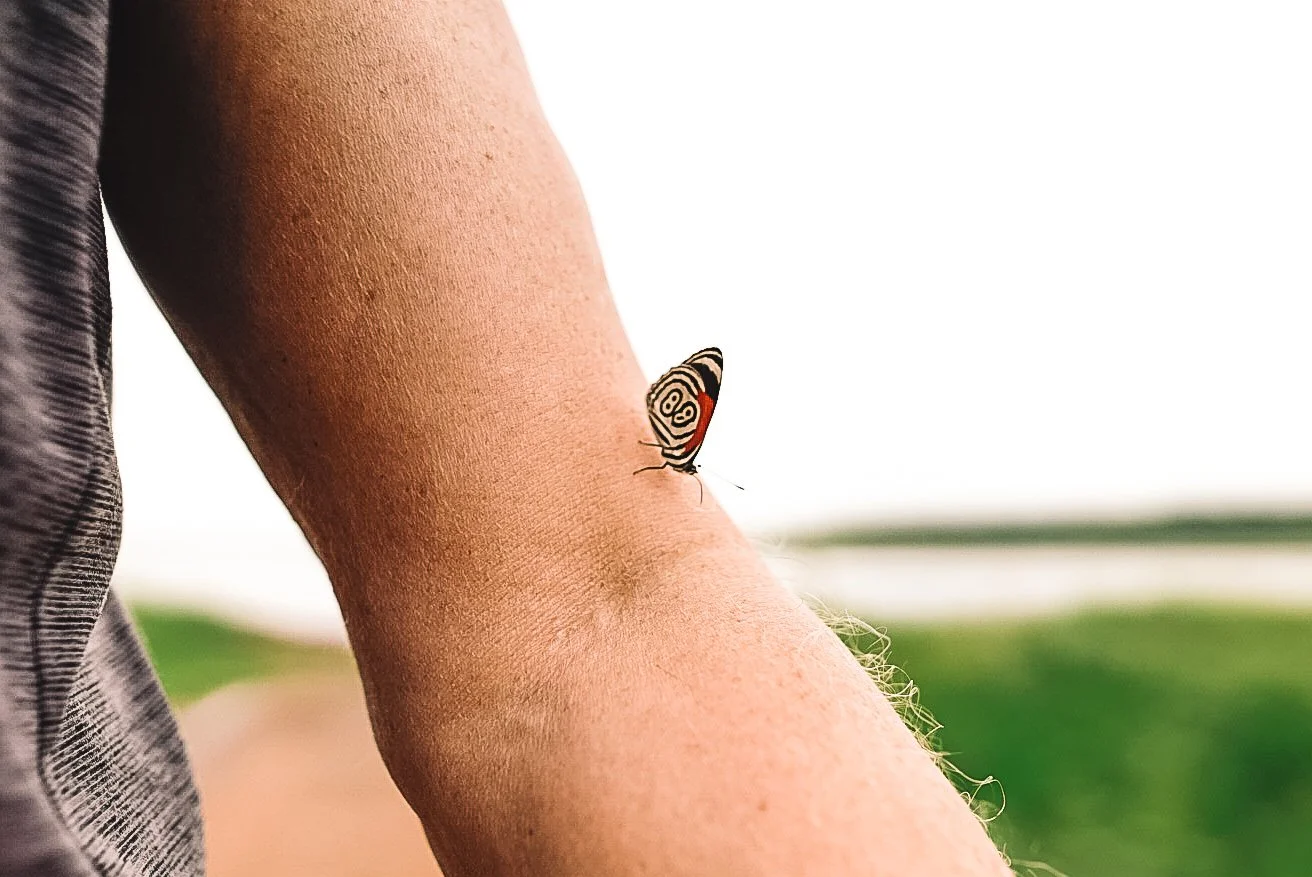
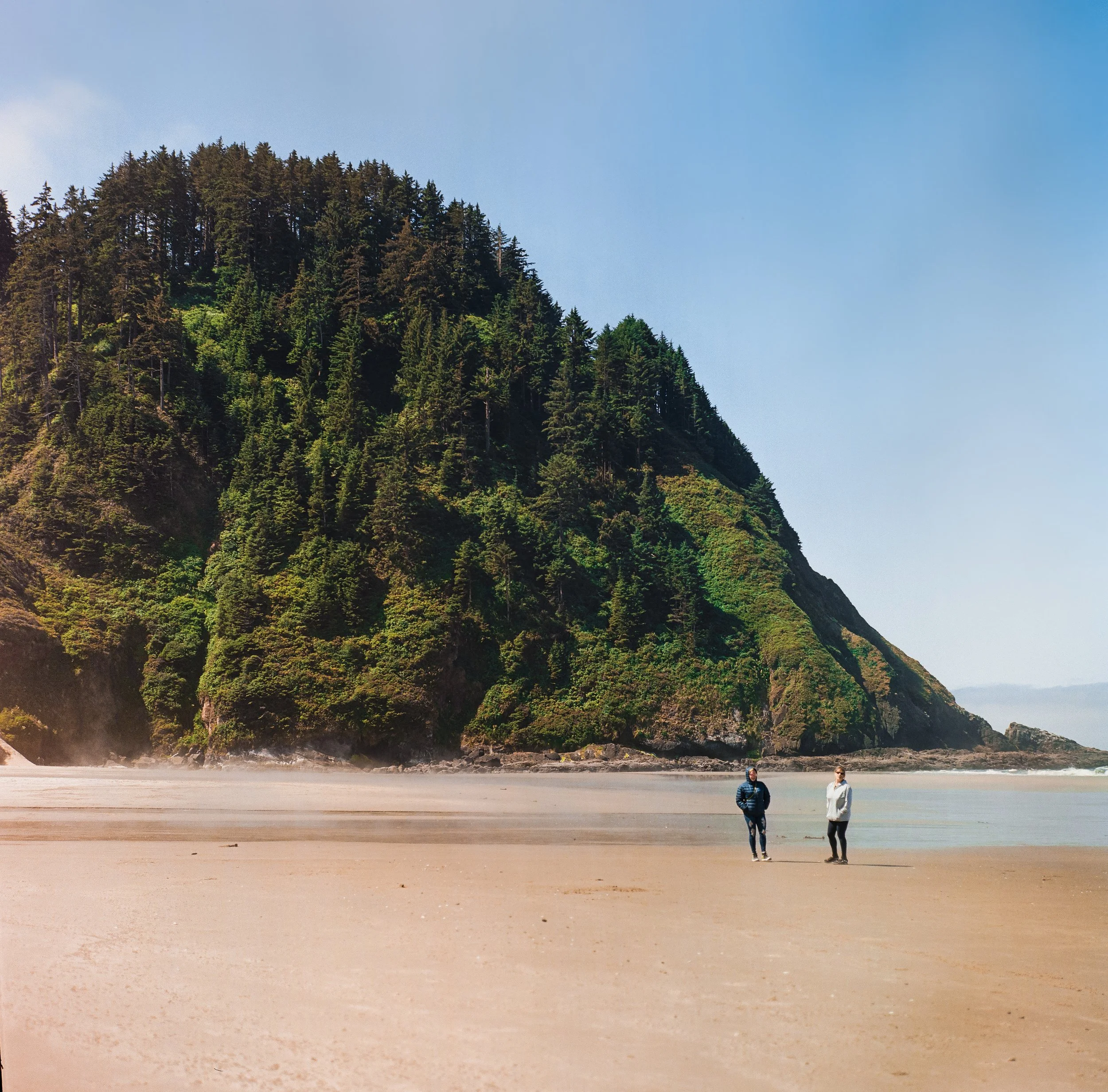
Intention: Document people in places in a way that highlights their relationship to nature.
Inquire: Ask yourself, how might we increase people’s ability to see themselves as one with the natural environment? As an integral part of the whole ecosystem?
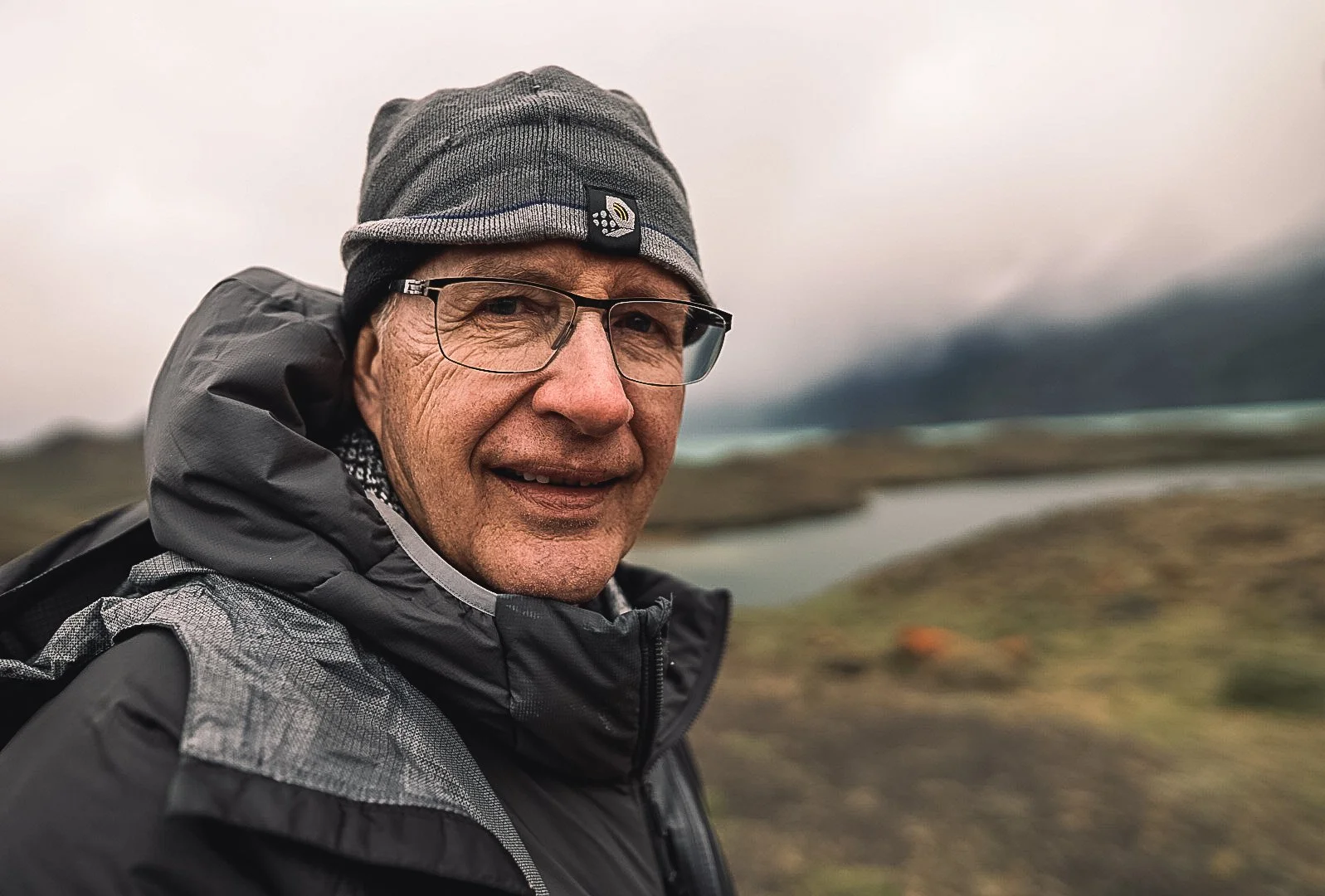
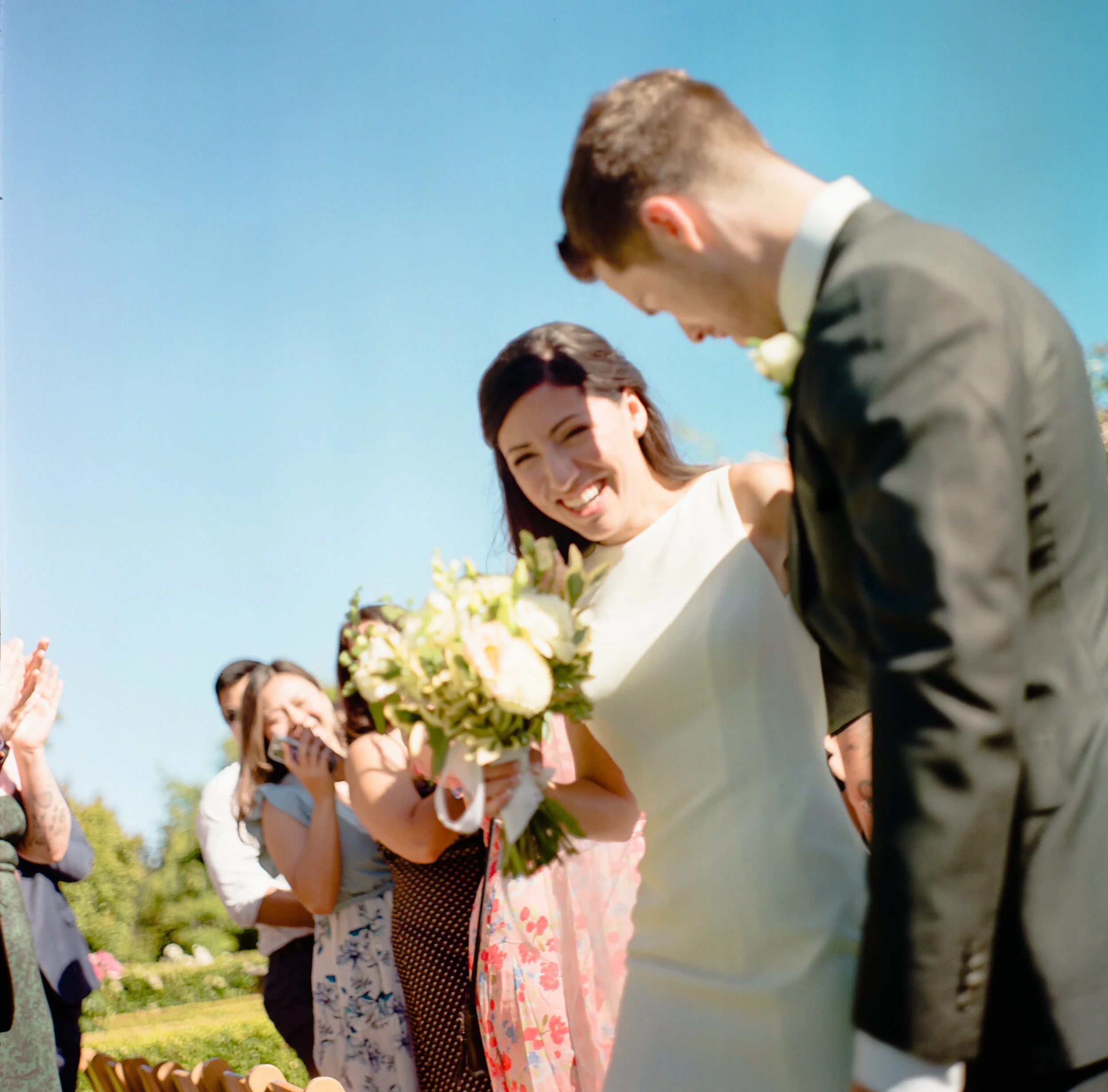
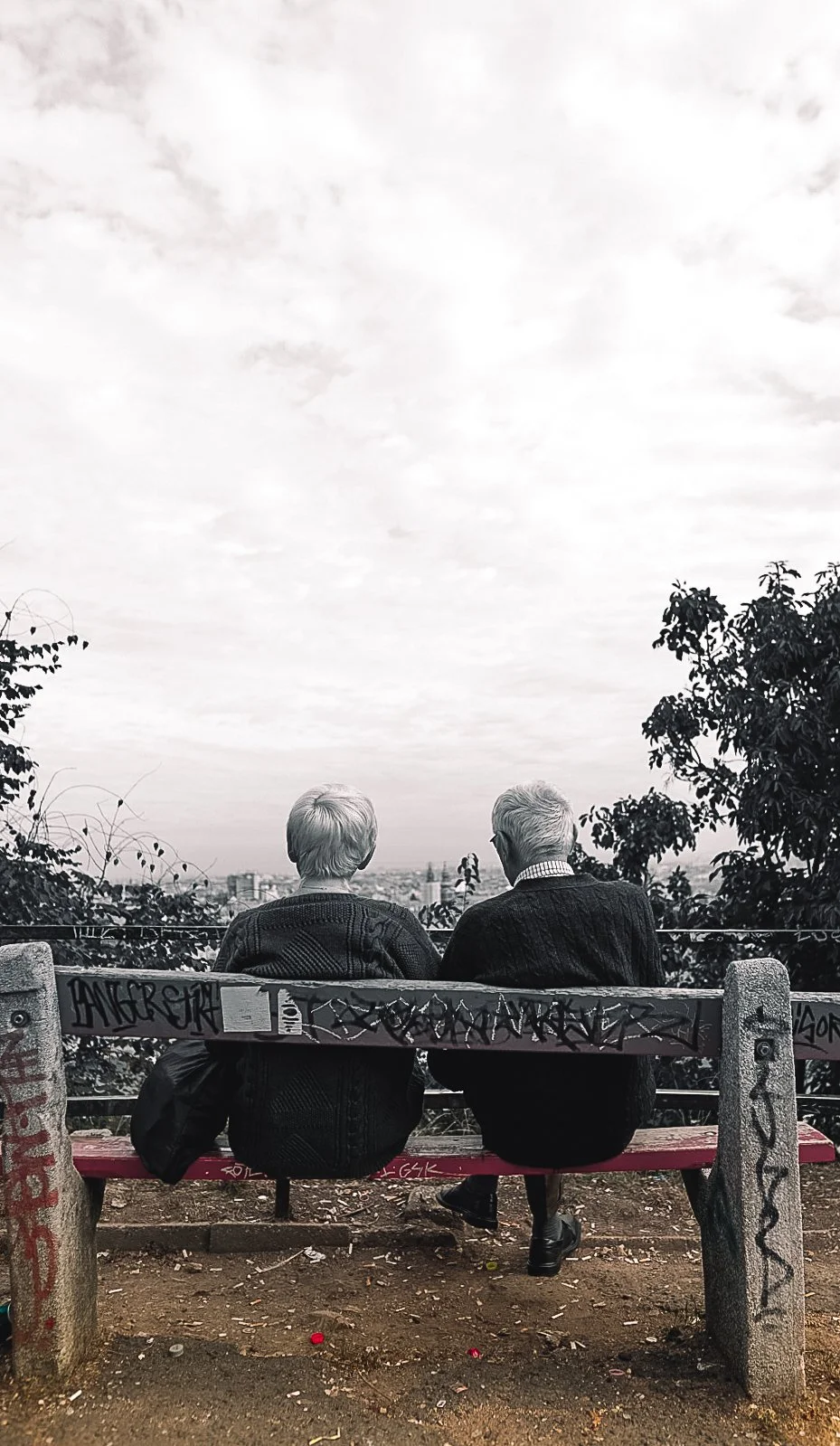
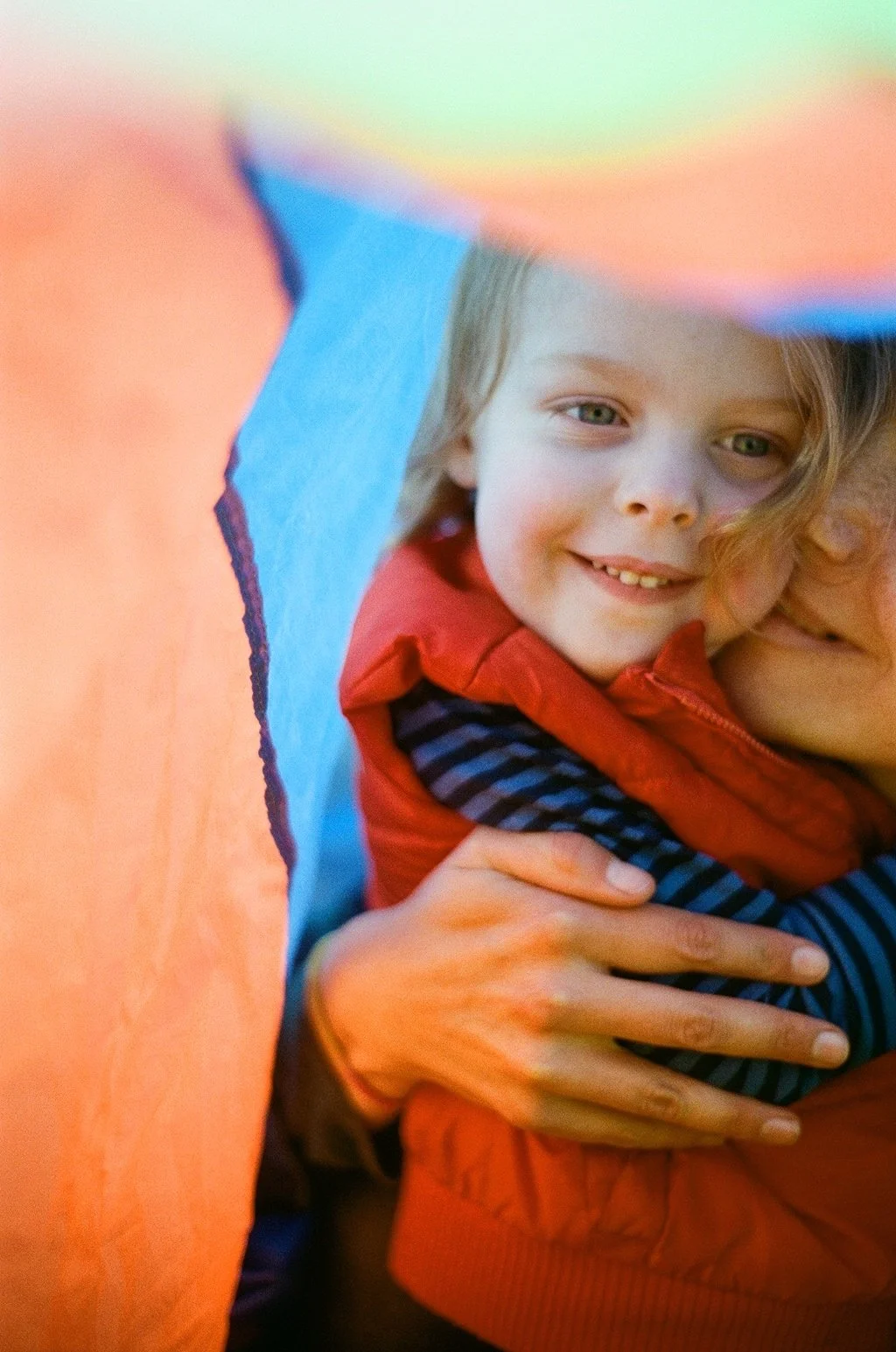
Approach: Capture empathy and aliveness. Family. Togetherness. Interdependence. Pay attention to what expressions exude from your subjects in varying natural landscapes.
Learn: "Wholeness, which is largely unmanifest and dynamic (not stable) in nature, is the wellspring of all possibility. In seeking to understand life, we begin with the whole, which is always greater than the sum of the parts; paradoxically, the whole is contained in each part, and yet no whole is complete in itself."
— Diarmuid O'Murchu, Quantum Theology: Spiritual Implications of the New Physics