Amnesty International
Poster Design | CMU | Visual Communications Studio
Prompt:
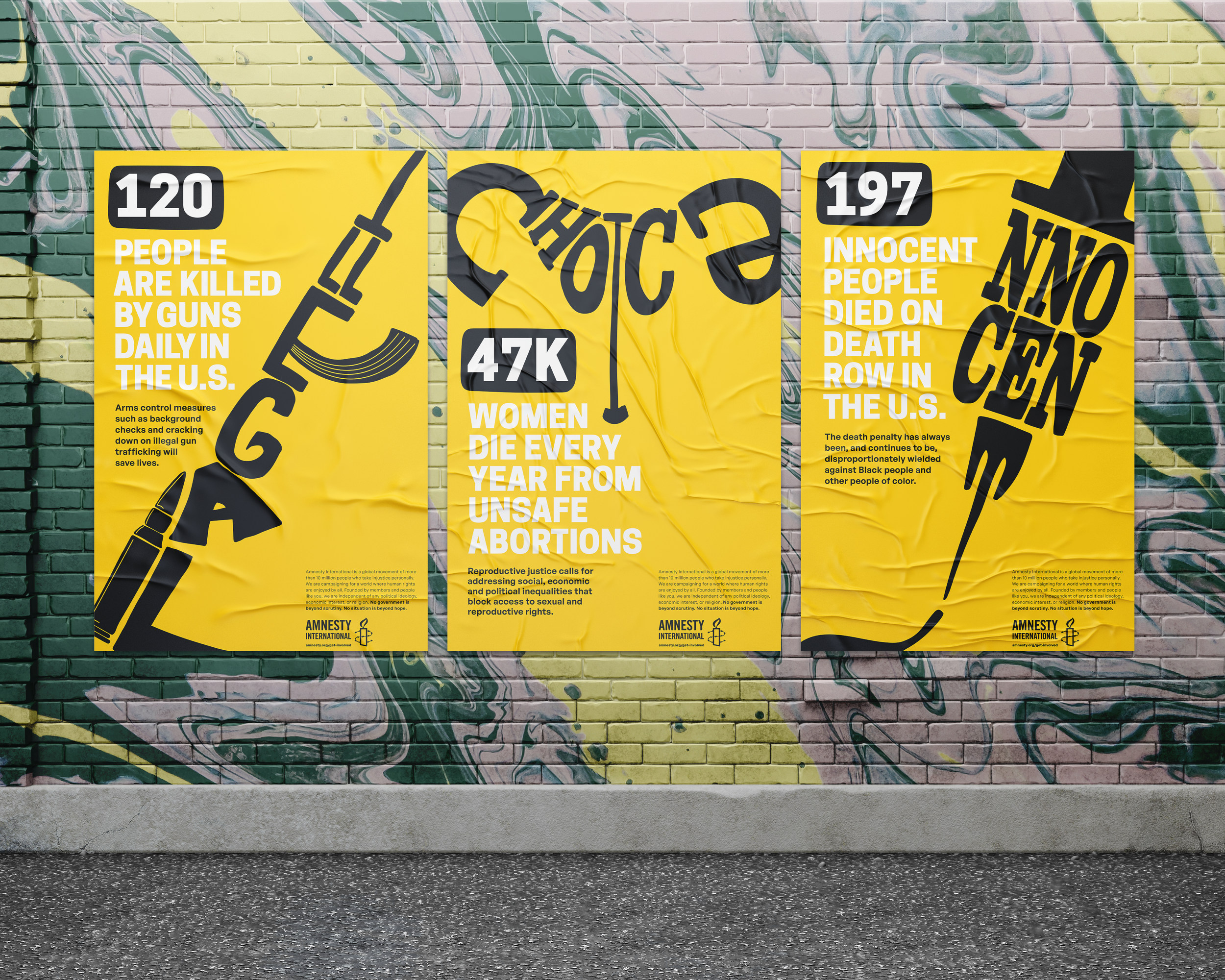
Design a series of three posters communicating Amnesty International’s mission and core issue areas to inspire public engagement. Each poster should address a different topic while maintaining cohesive visual language.
Constraints:
Each poster had to include:
Issue title
Image or illustration
Summary statement
A compelling statistic
Boilerplate copy for Amnesty International
Amnesty logo
URL
Timeline: 3 weeks
Instructor: Brett Yasko
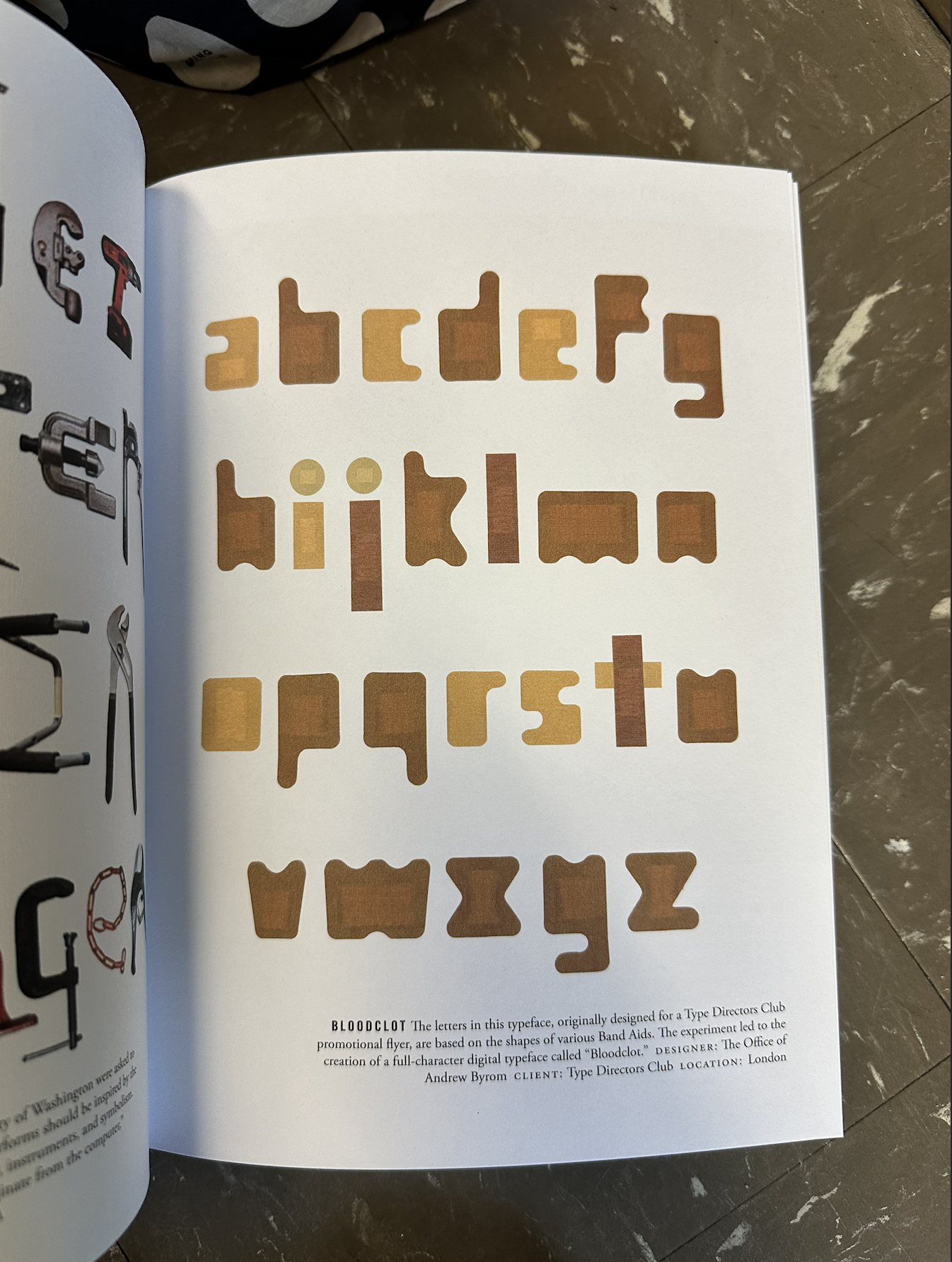
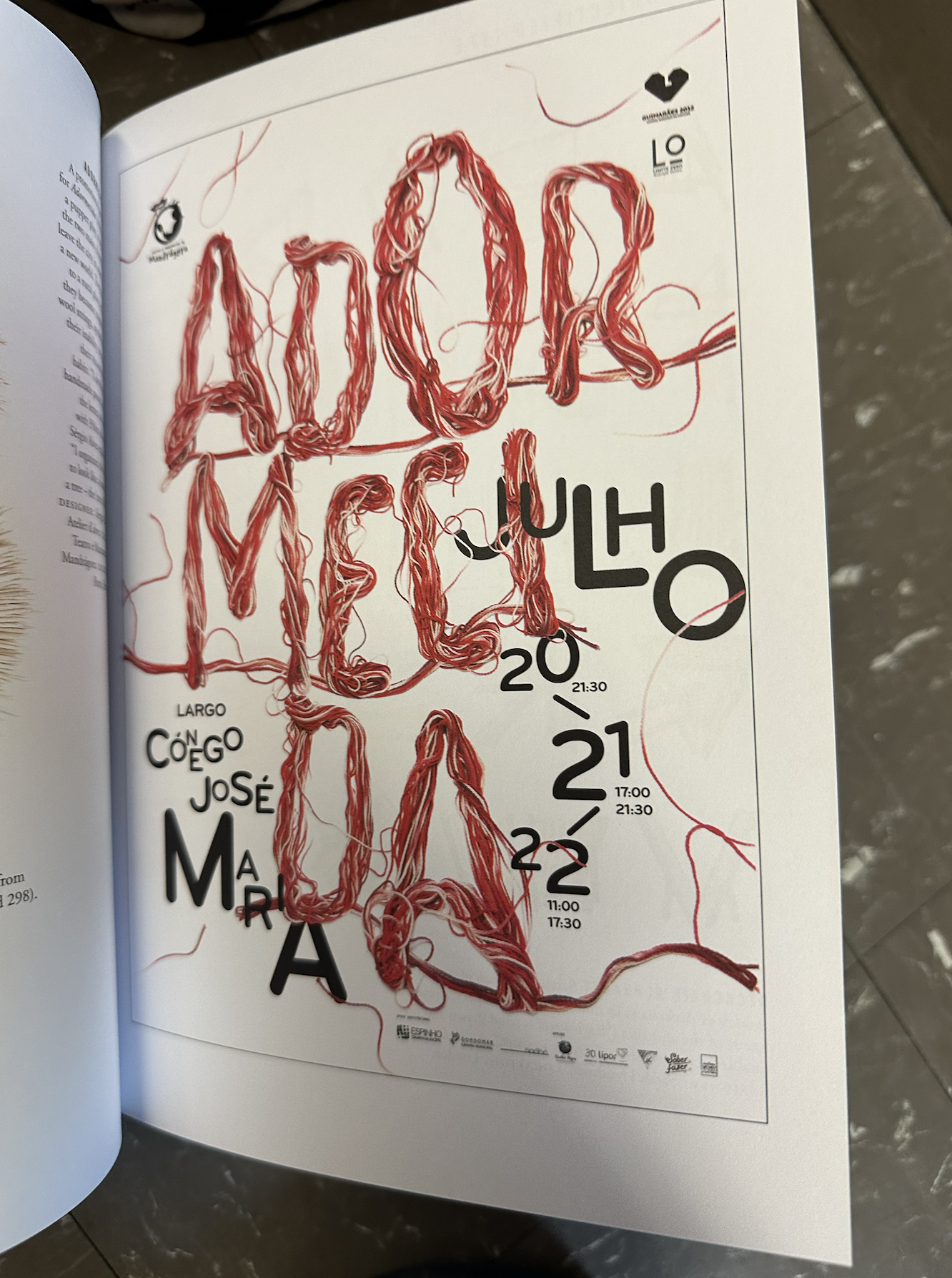
Step 1: Gather Inspiration
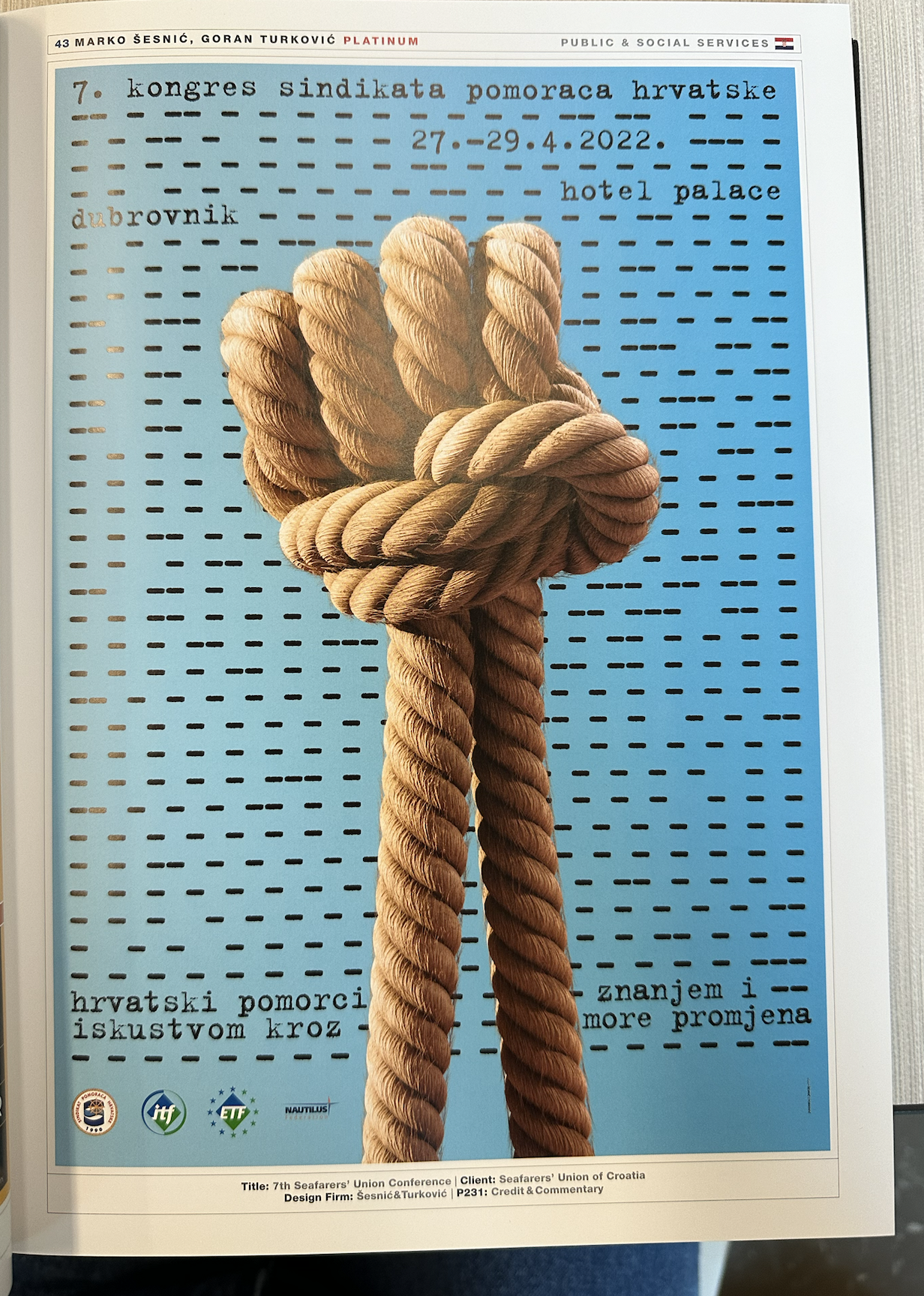
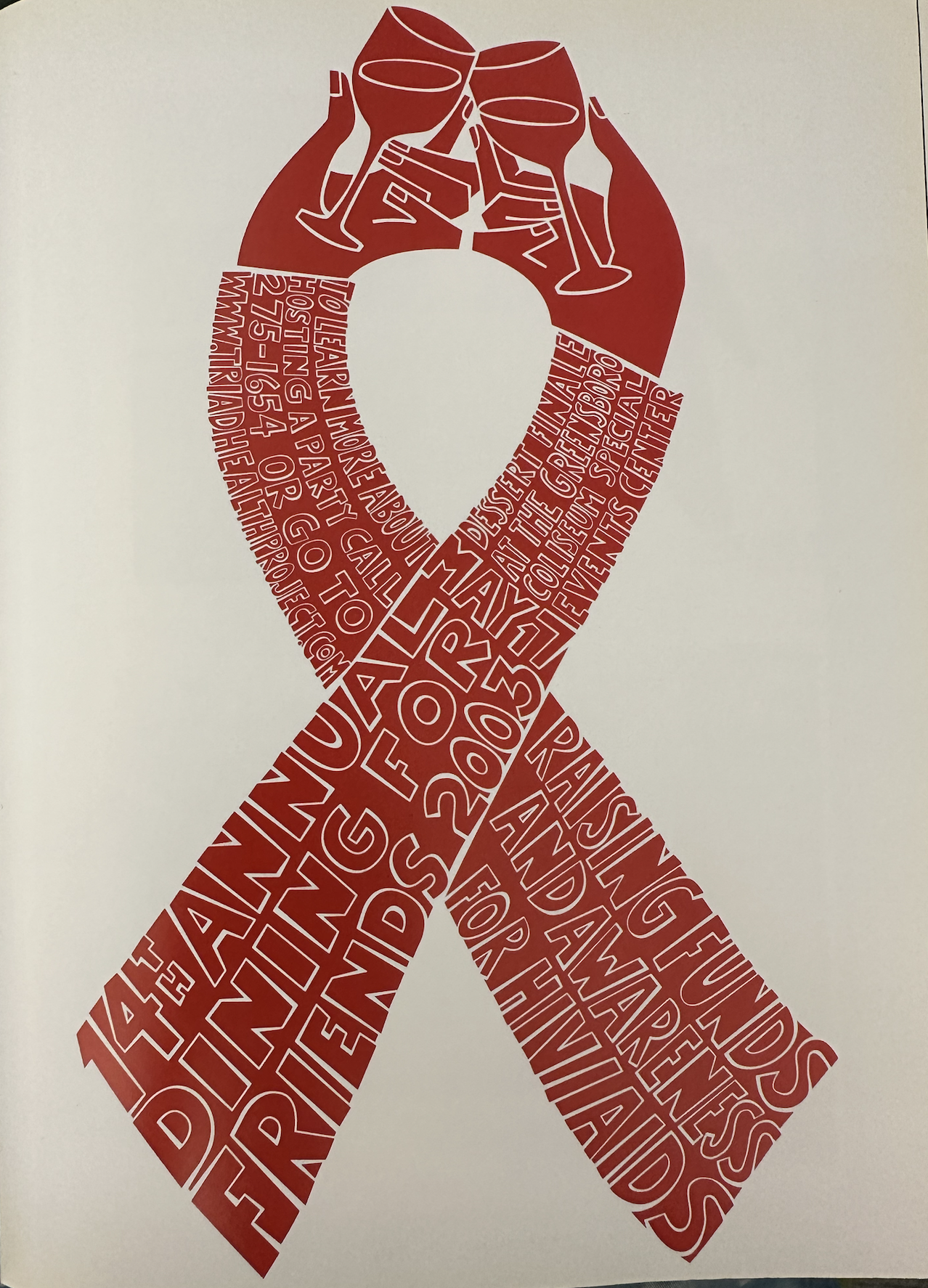
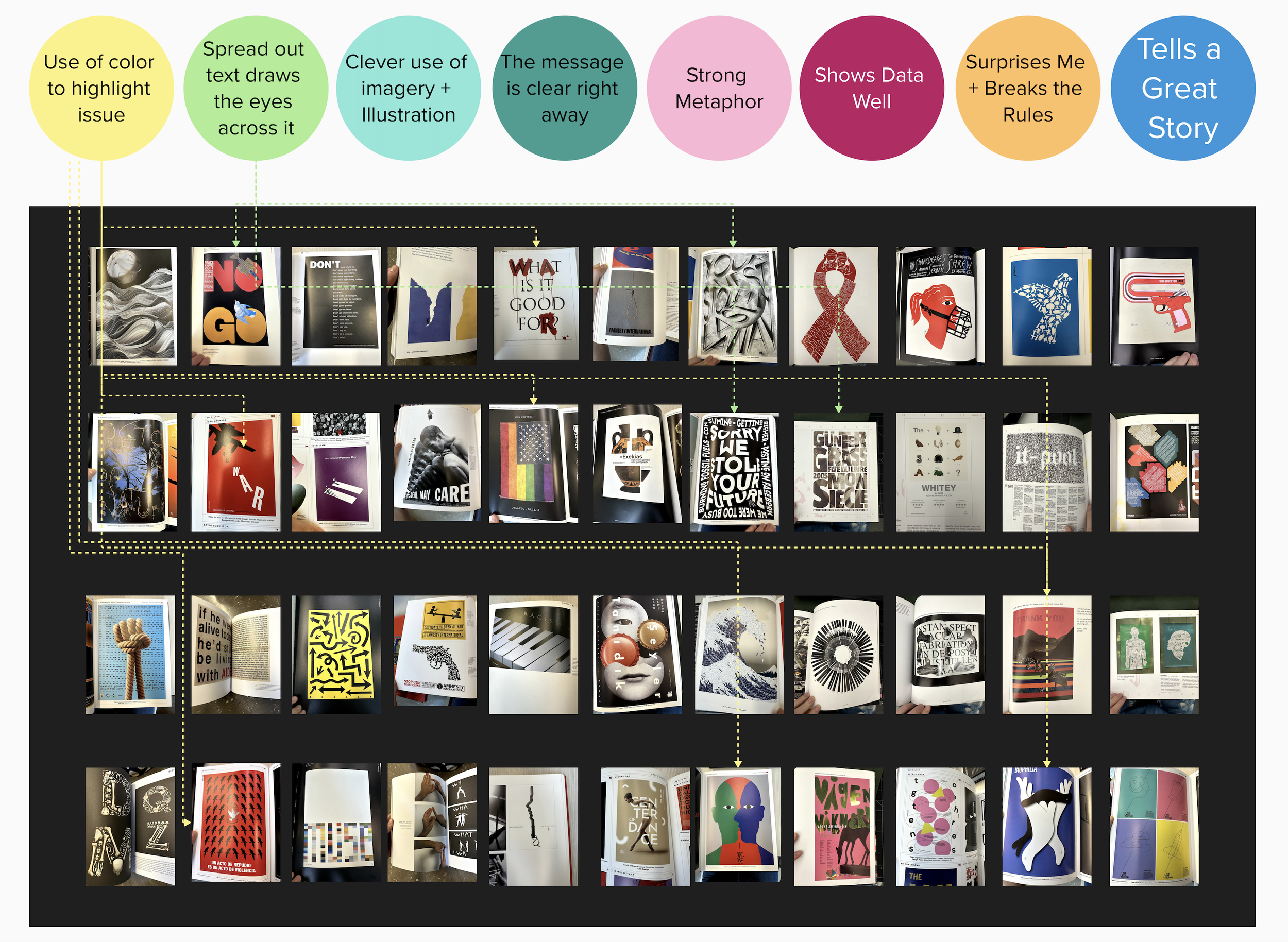
I began with visual research and thematic exploration of global human rights issues, looking for powerful imagery and statistics that could quickly grab attention.
Step 2: Choose Issue Areas
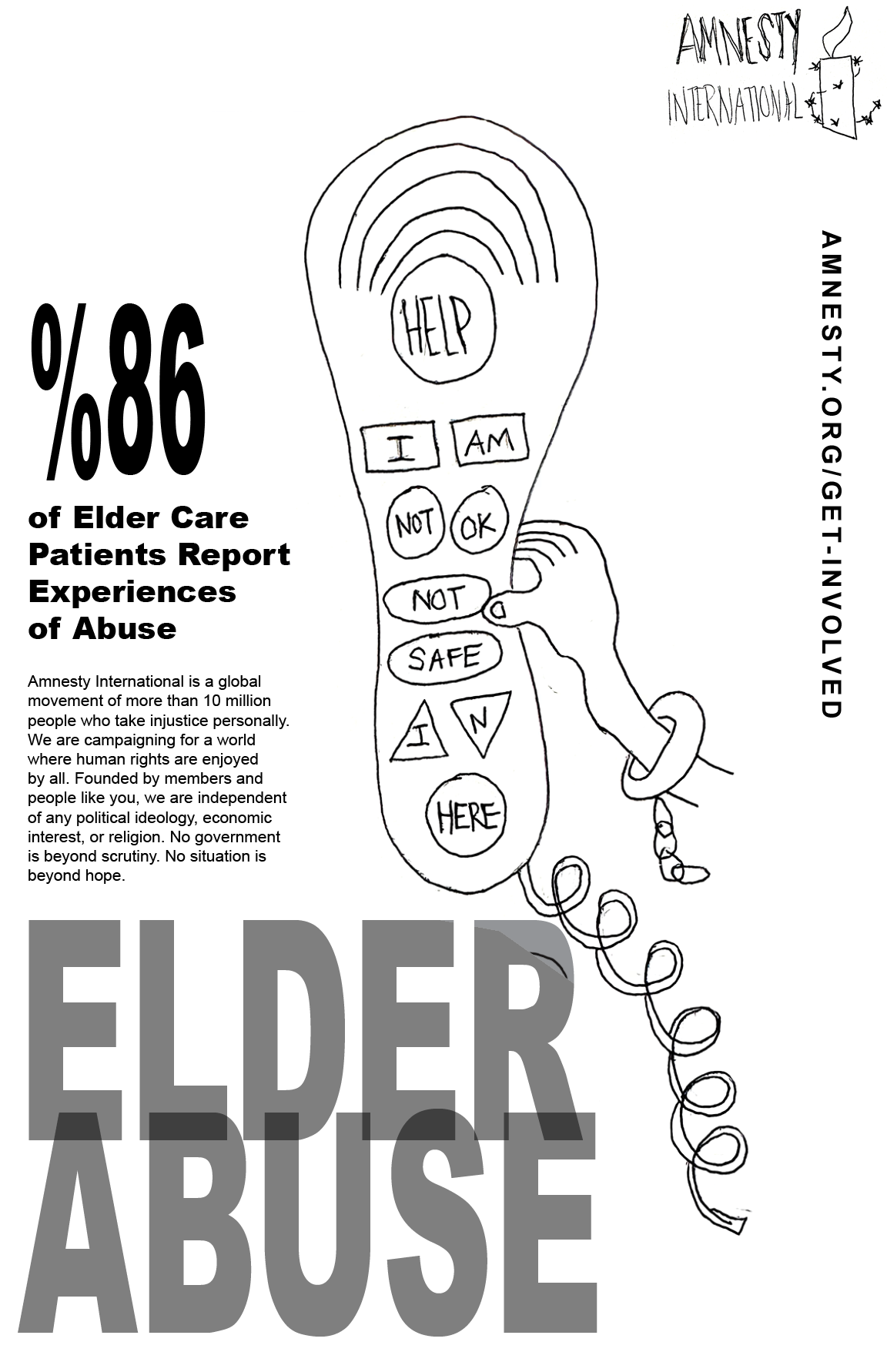
Elder Abuse
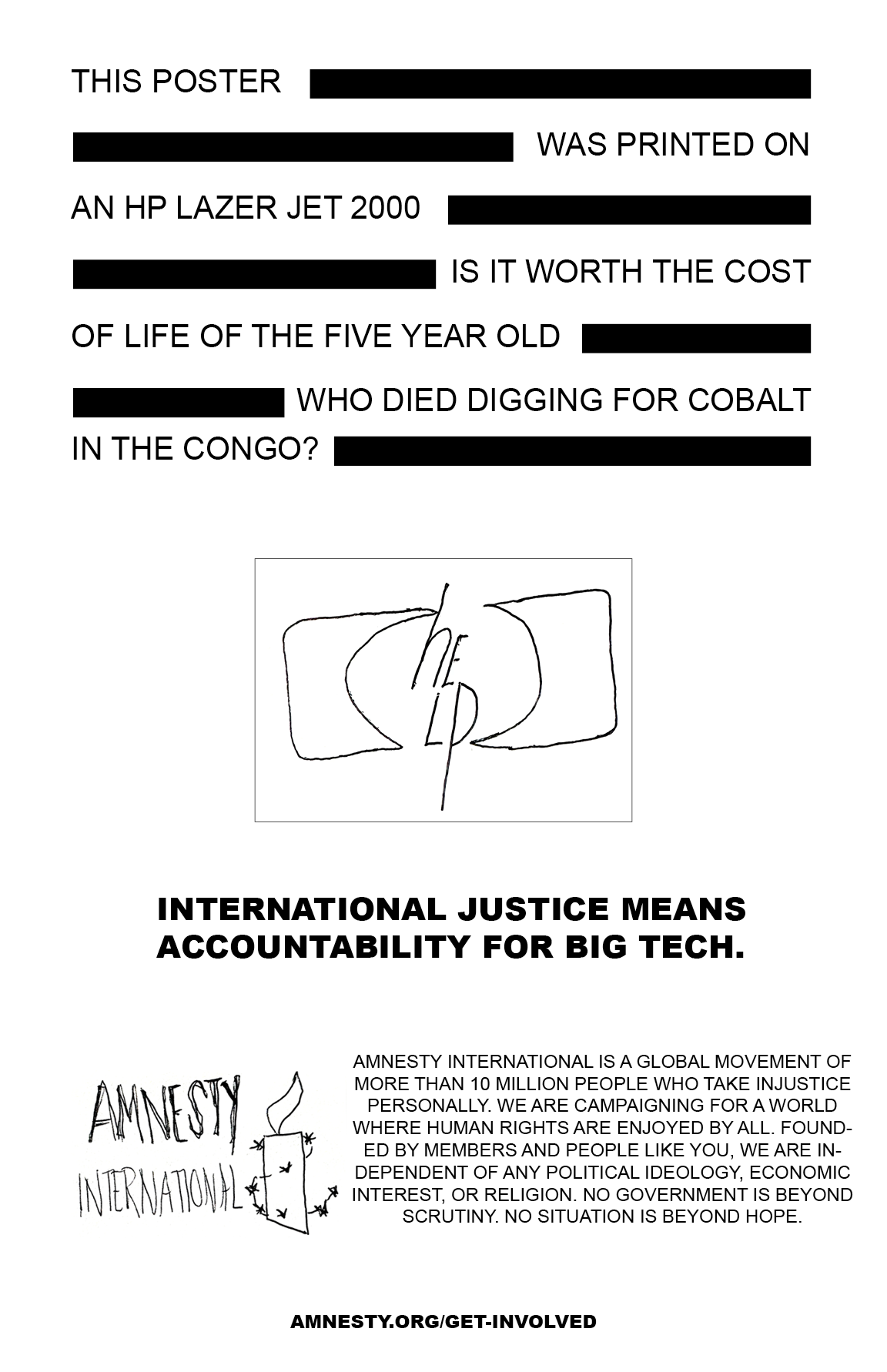
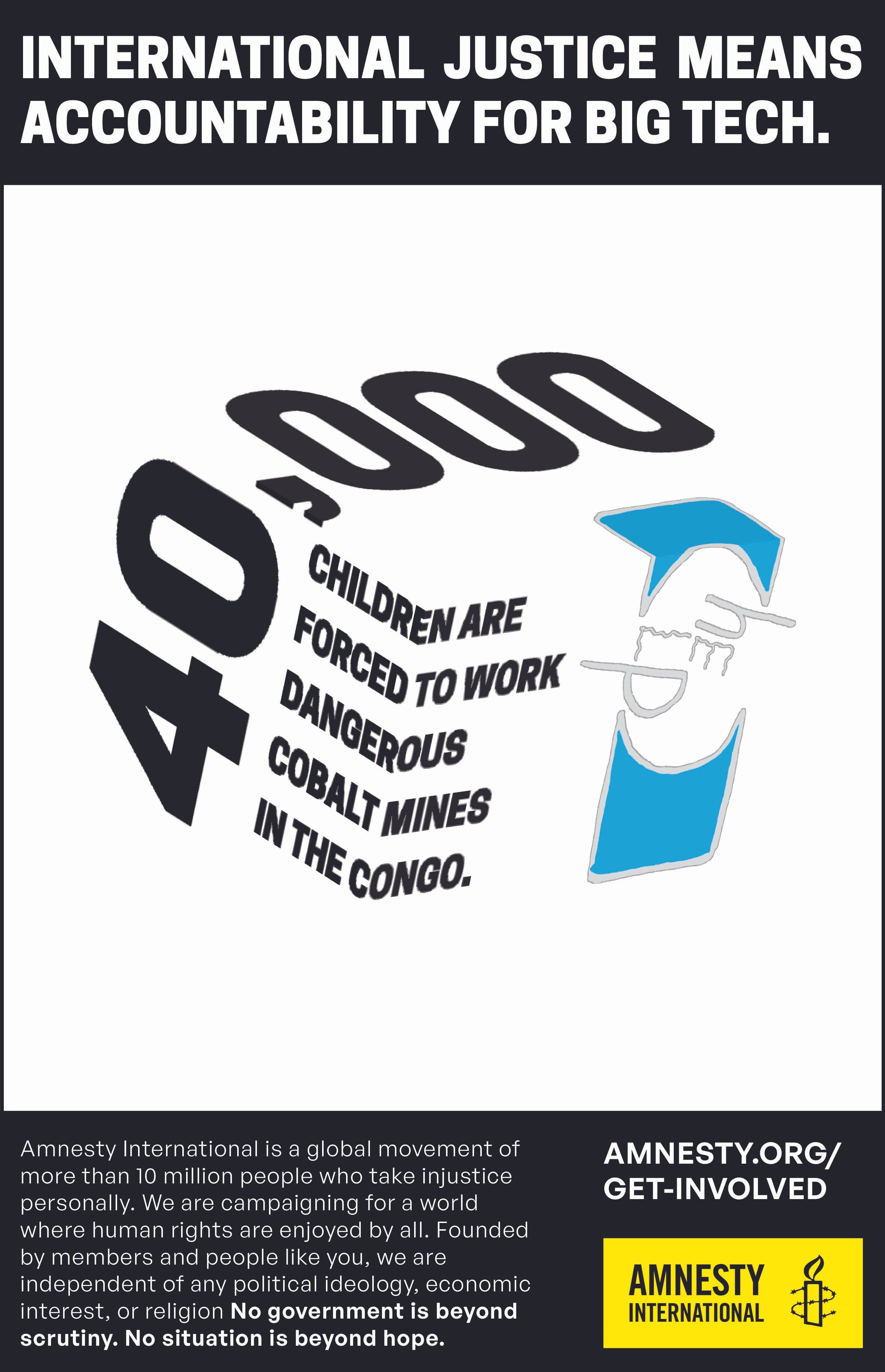
International Justice
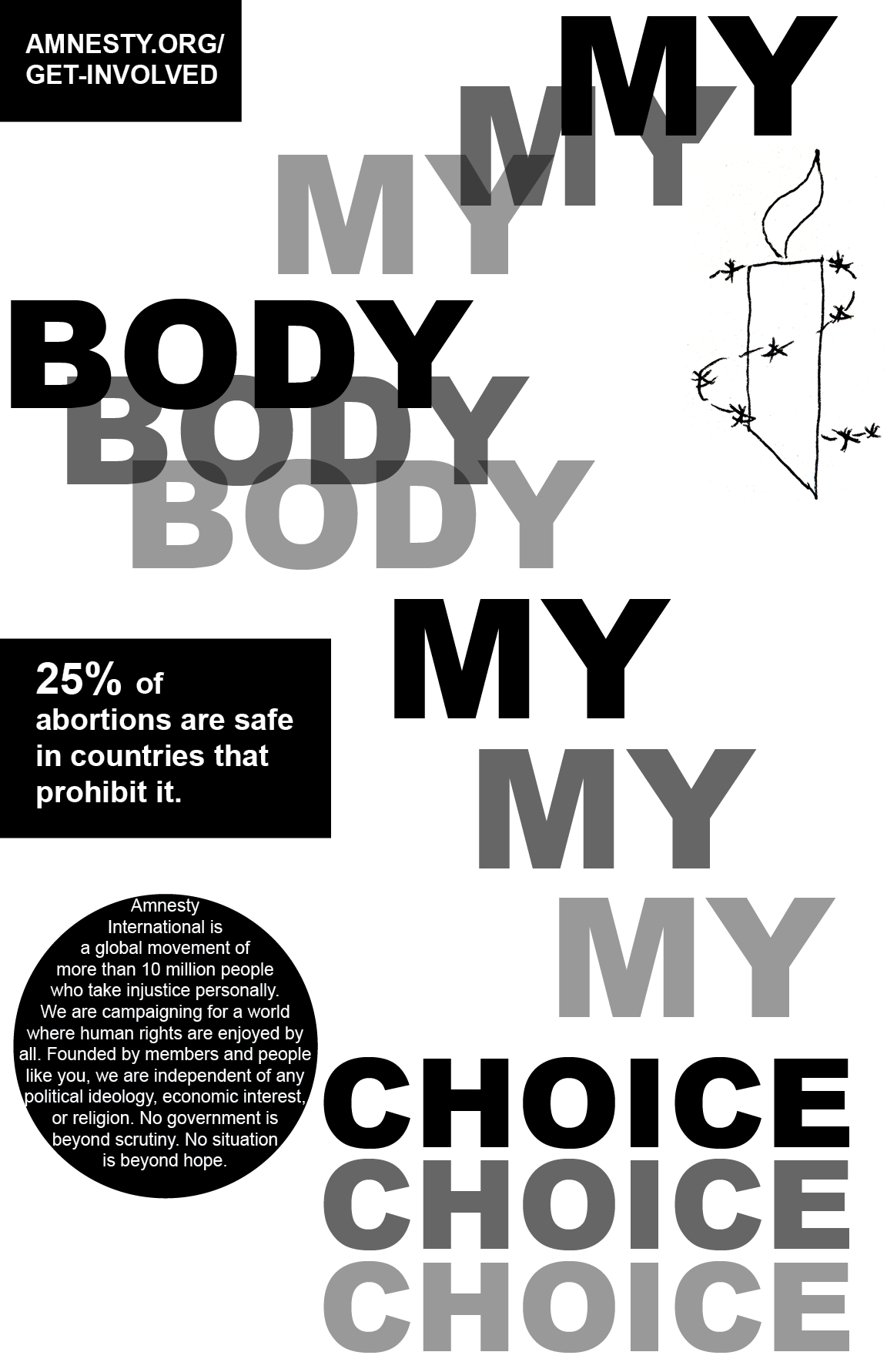
Women’s Rights
Step 3: Rapid Ideation
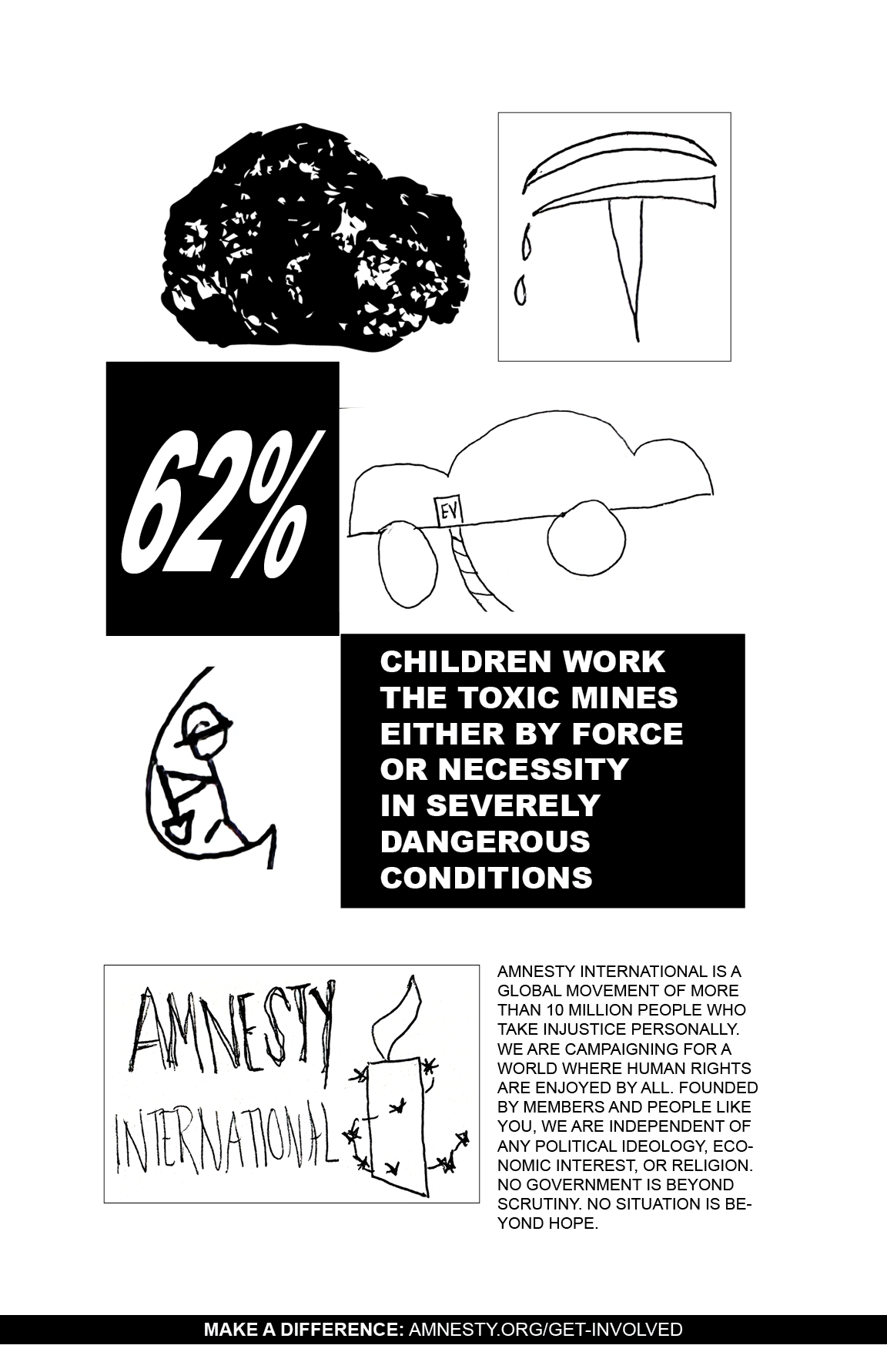
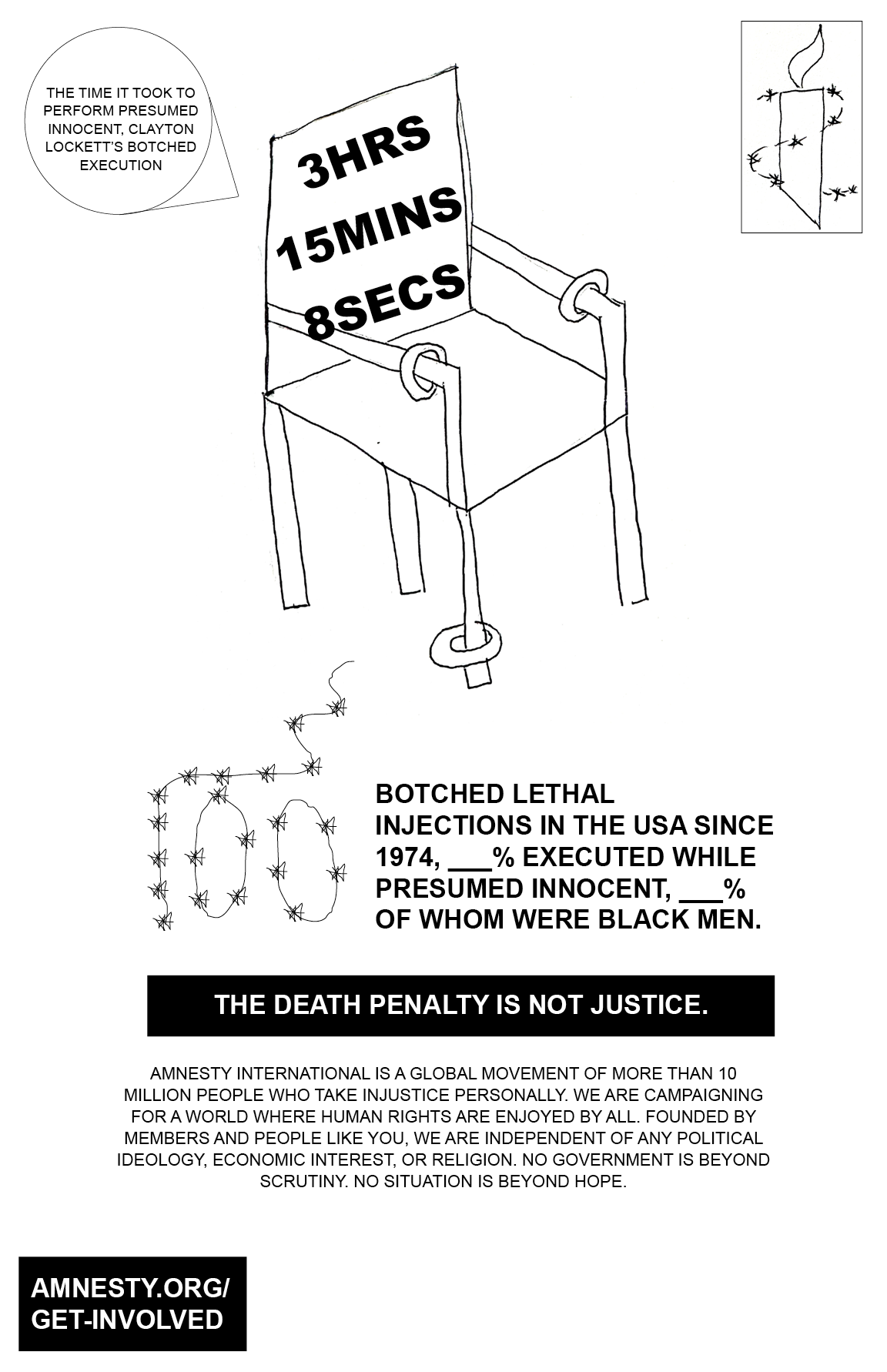
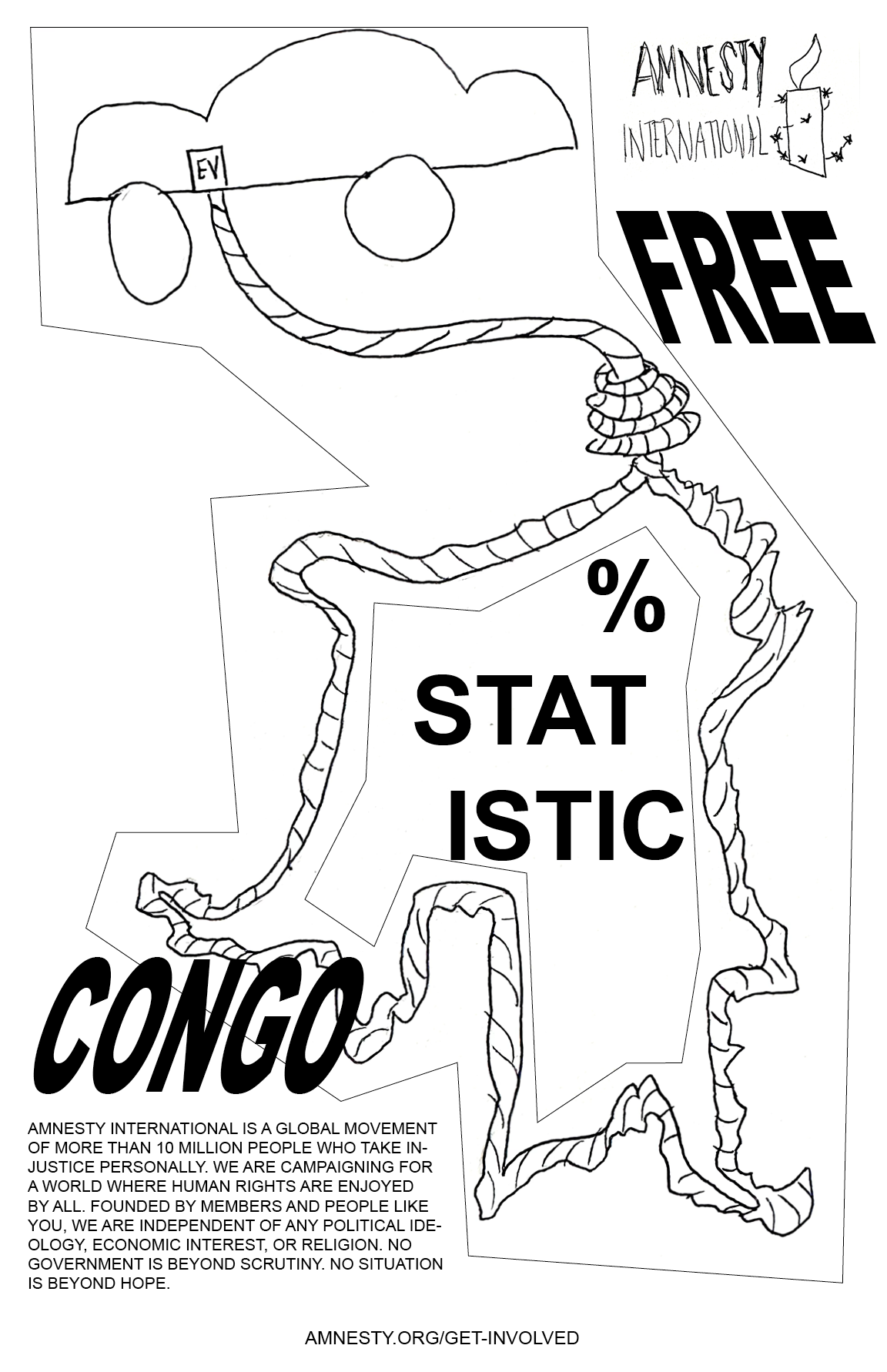
I sketched 30 low-fidelity poster concepts, experimenting with object typography and symbolic imagery. I focused on statistics that evoked strong reactions, using them as anchors for conceptual development.


Visual System Development
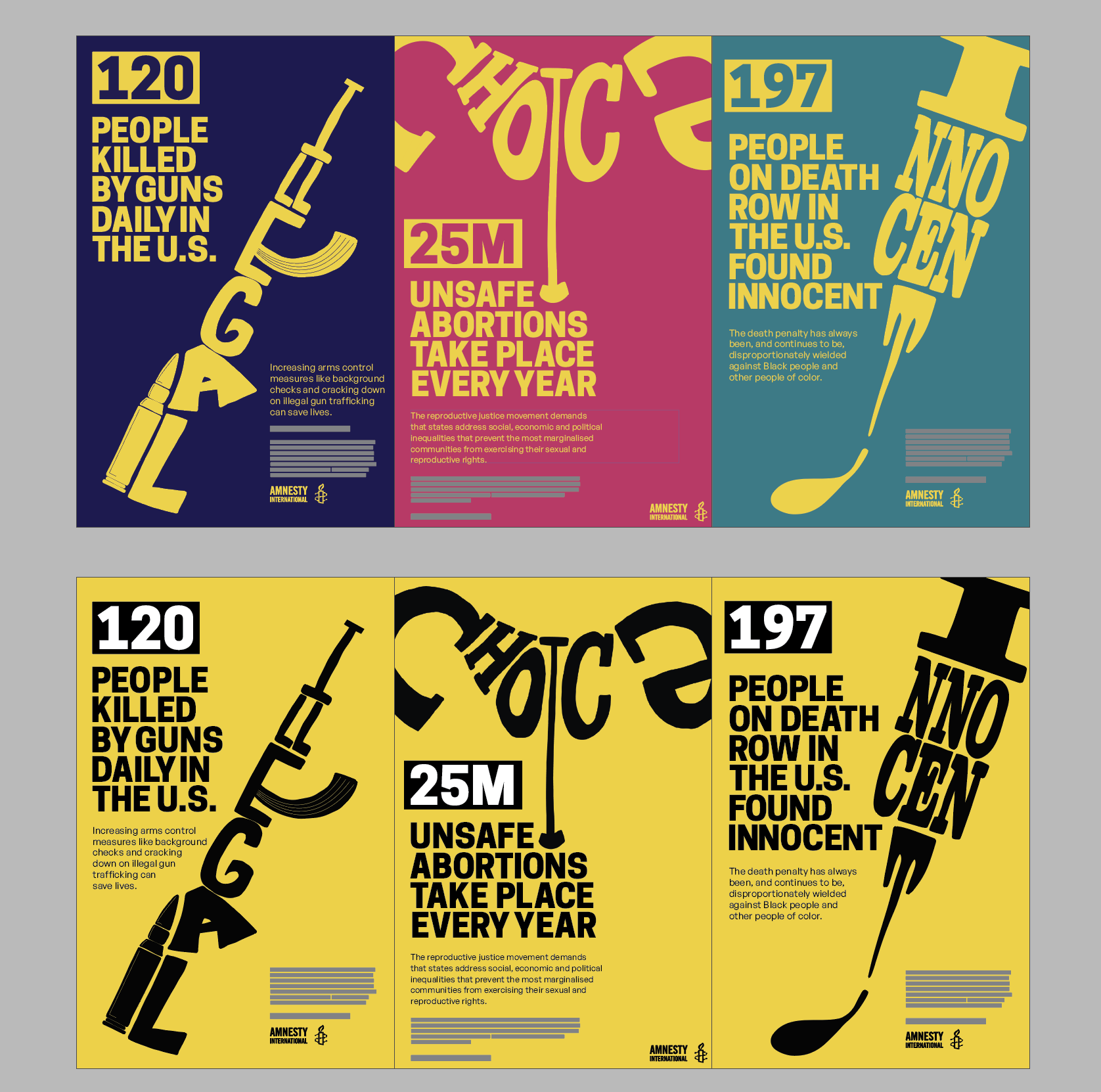
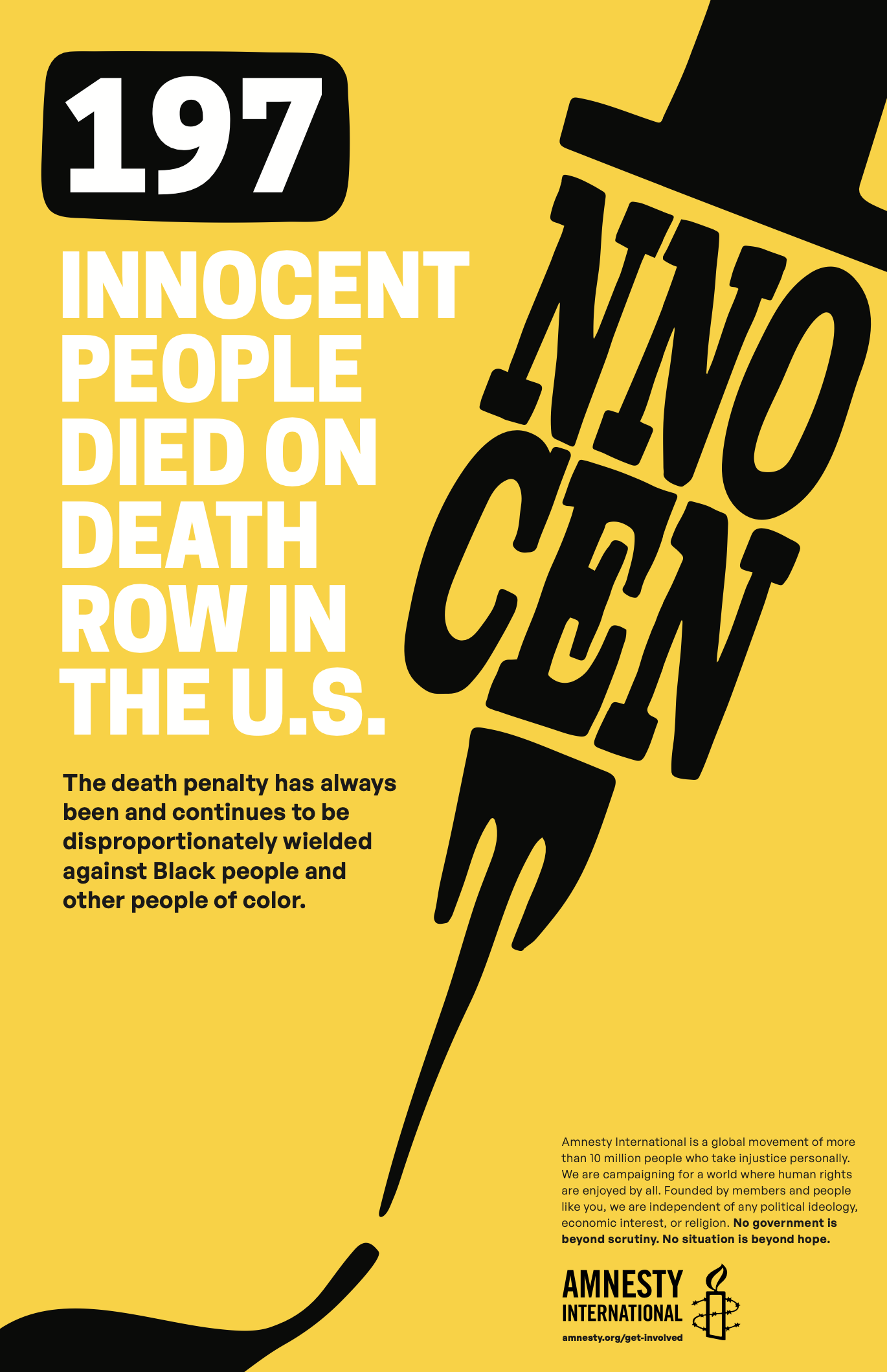
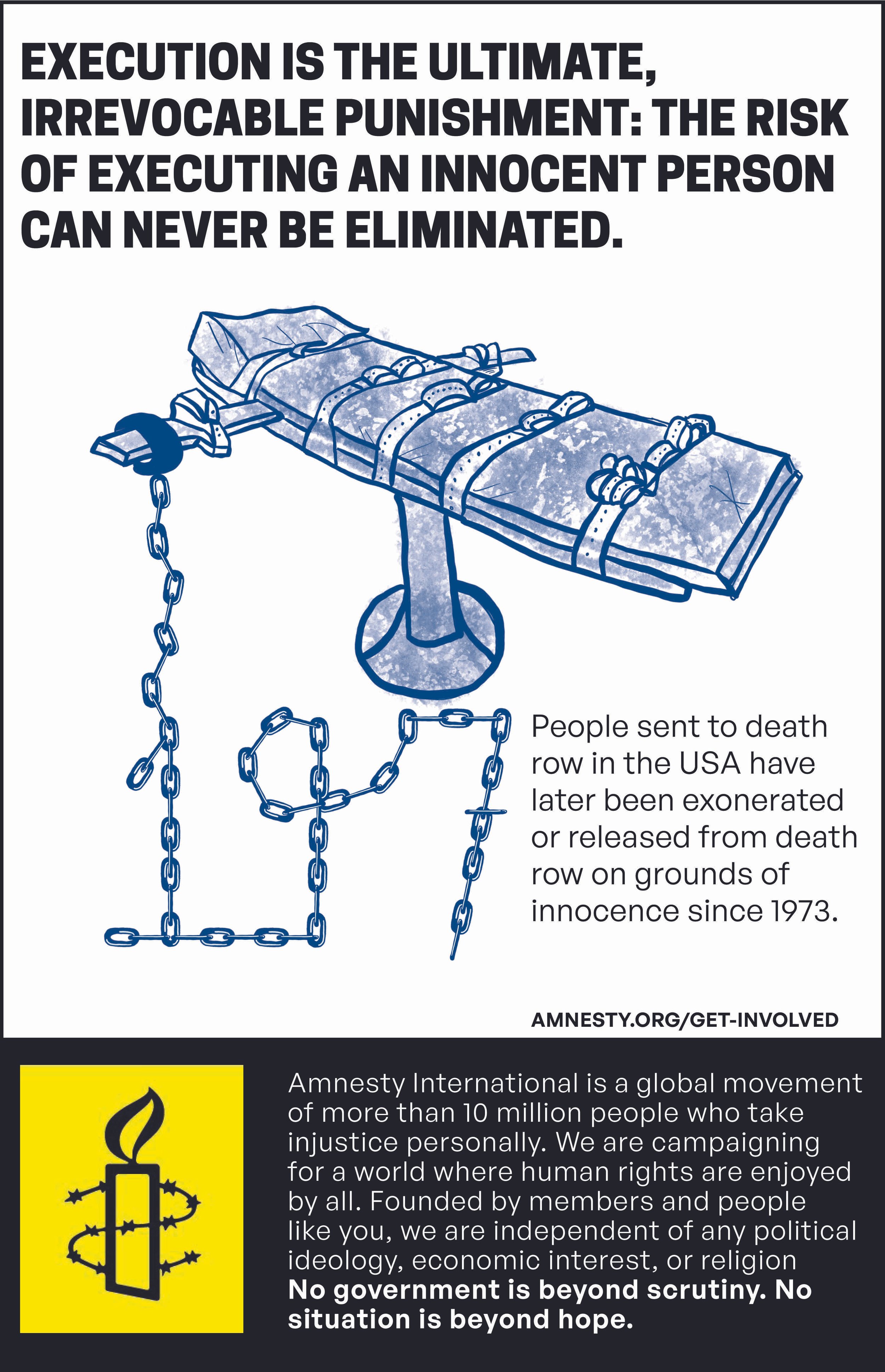
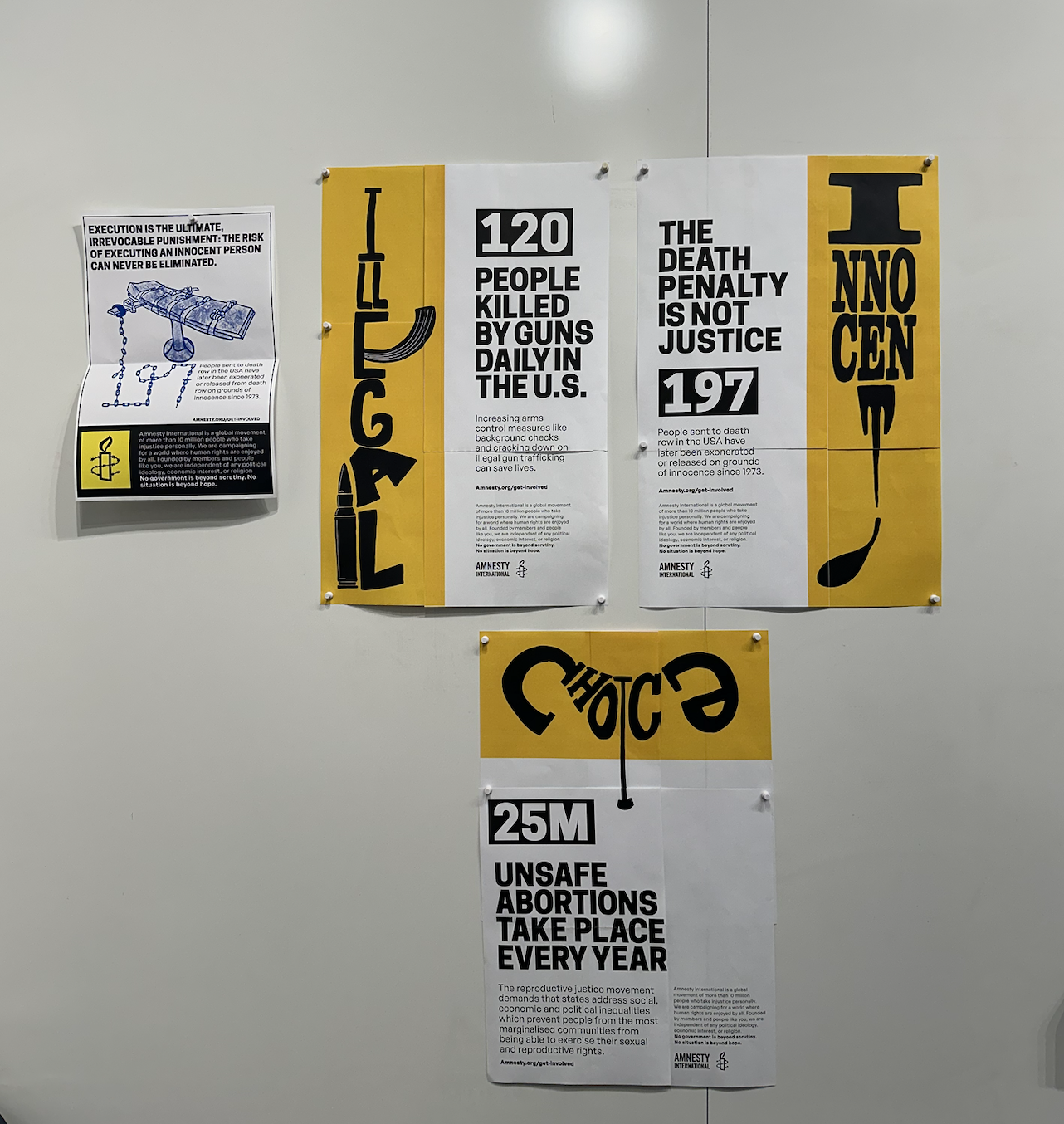
I developed a unifying design system: spelling out impactful numbers using physical materials: chains, wires, and anatomical shapes, that symbolized oppression or vulnerability. For example, I replaced outdated wire hanger metaphors with imagery centered around the death penalty and bodily autonomy.
Prototyping & Illustration
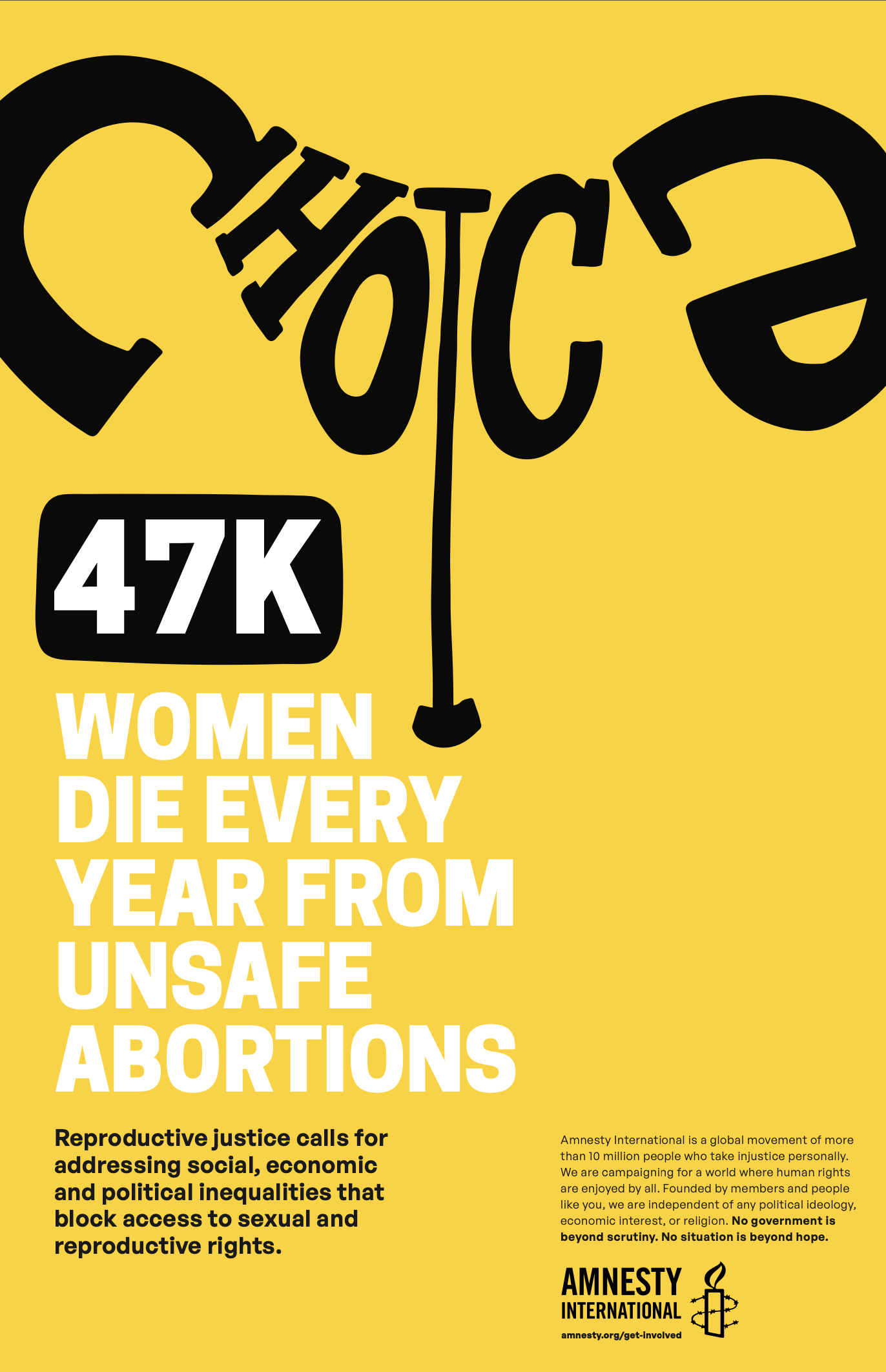
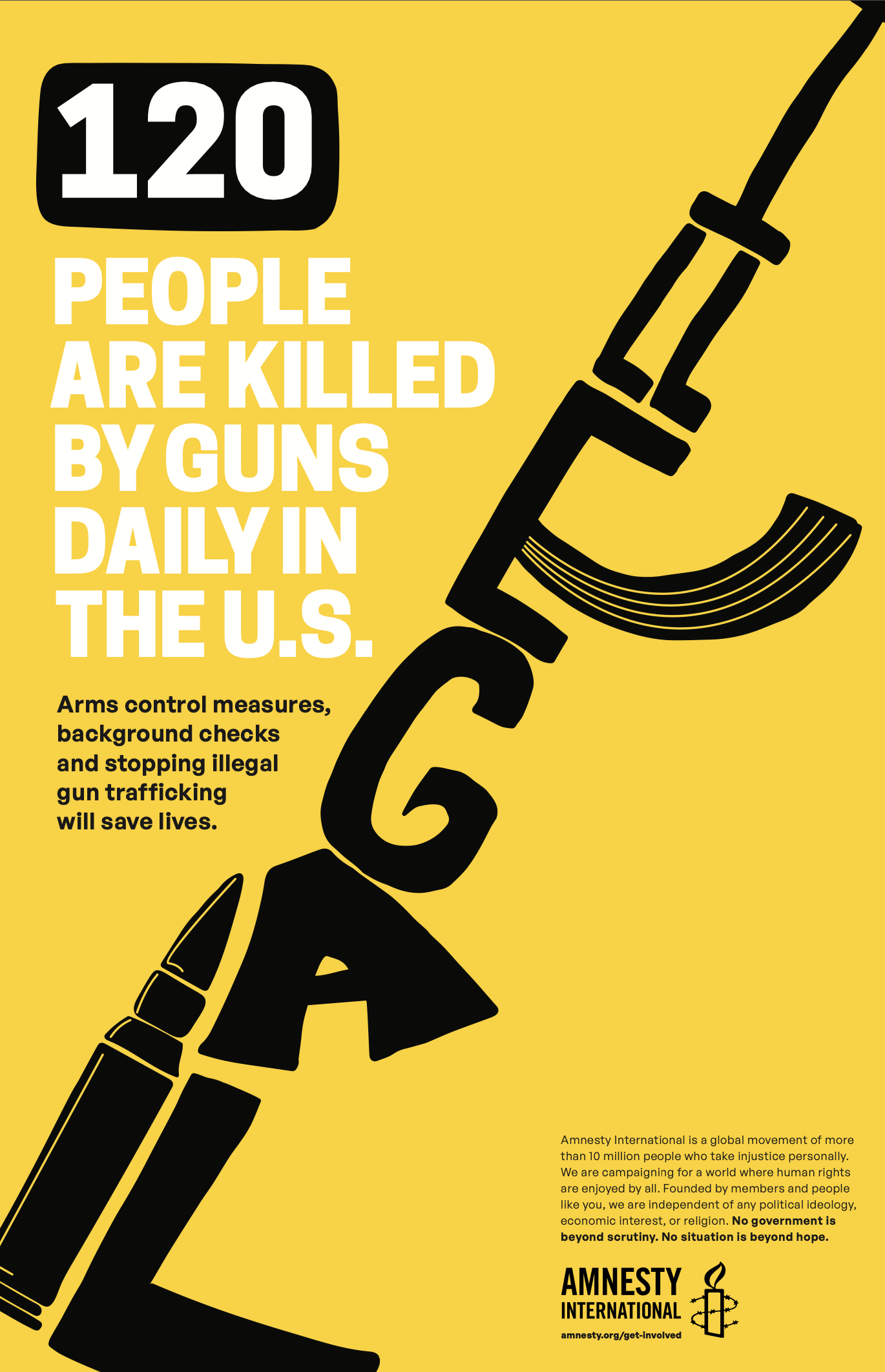
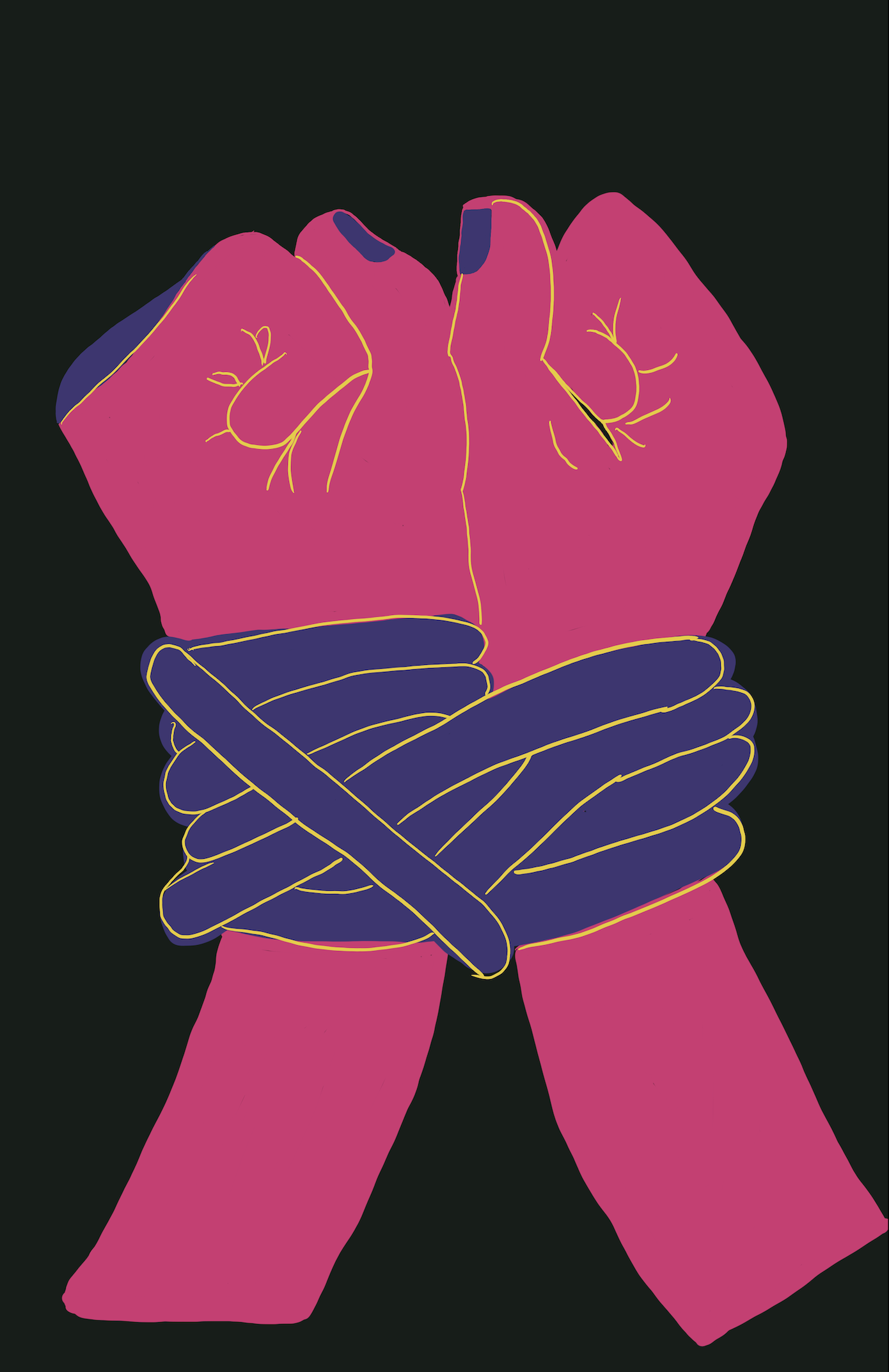
Although I’m not traditionally an illustrator, I used Procreate to bring my concepts to life digitally for the first time. This exploration led to a breakthrough: spelling words within the shape of an object (e.g., typography forming a uterus). This visual metaphor helped unify concept and form while creating immediate emotional impact.
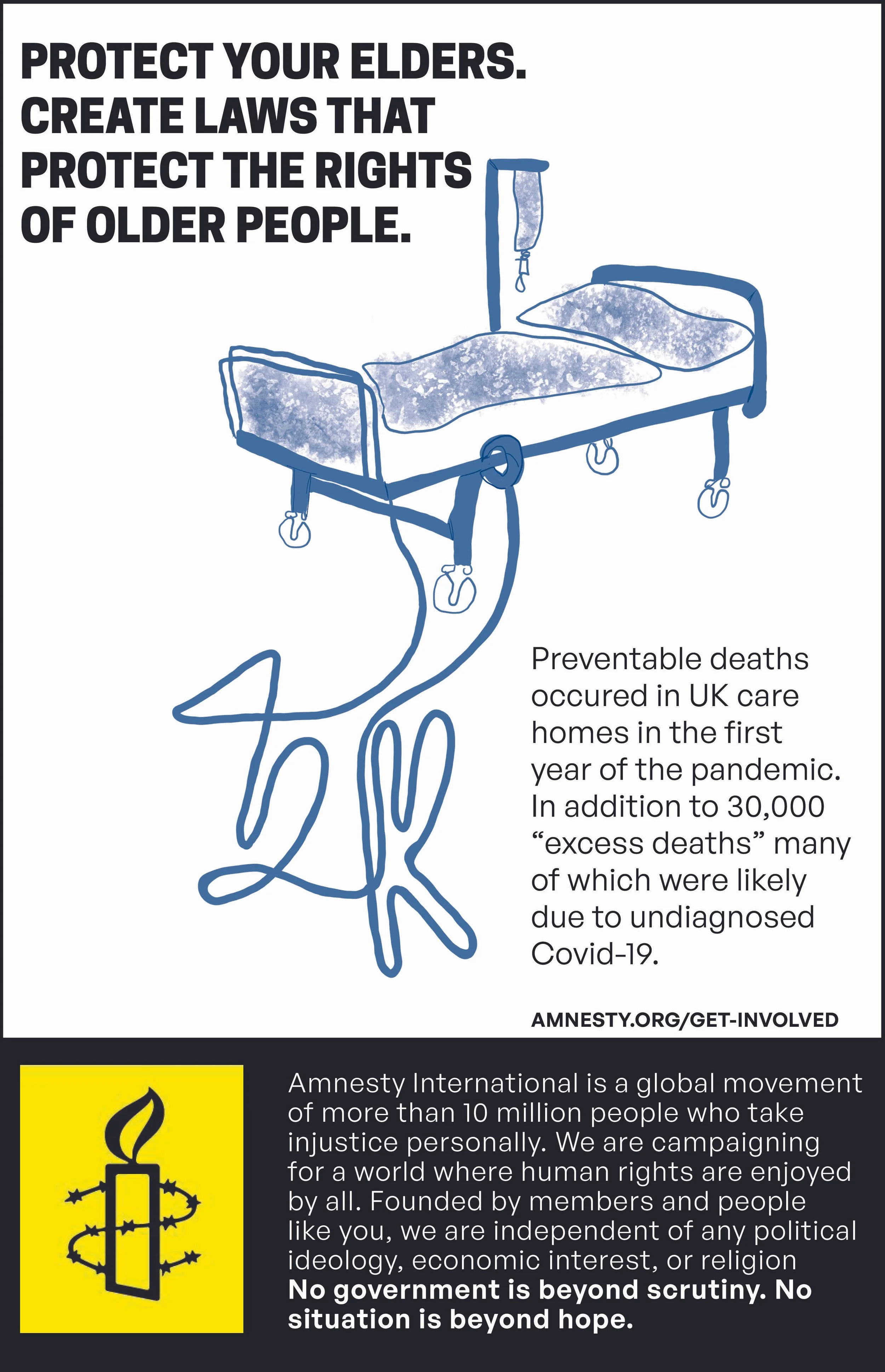
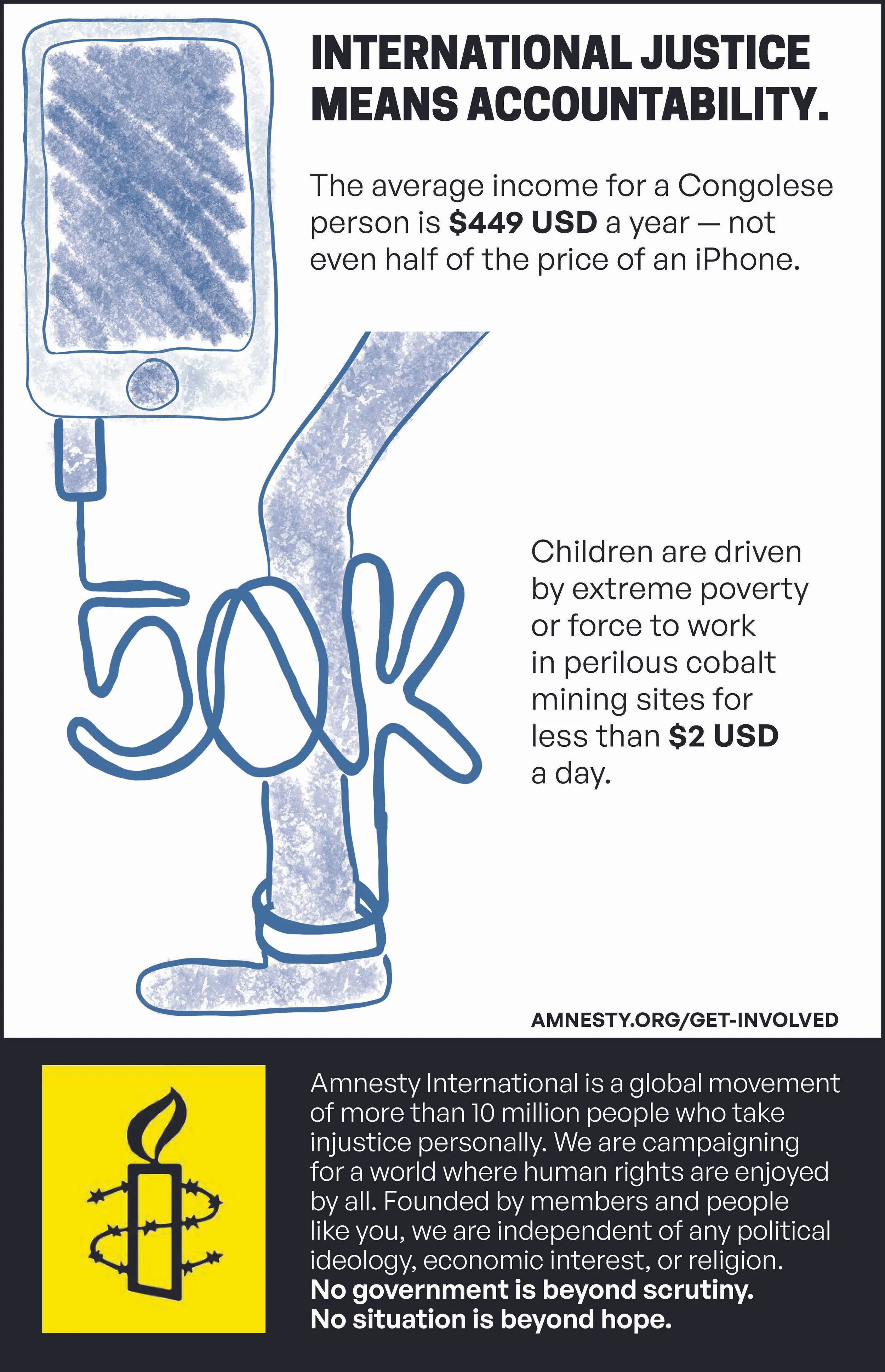
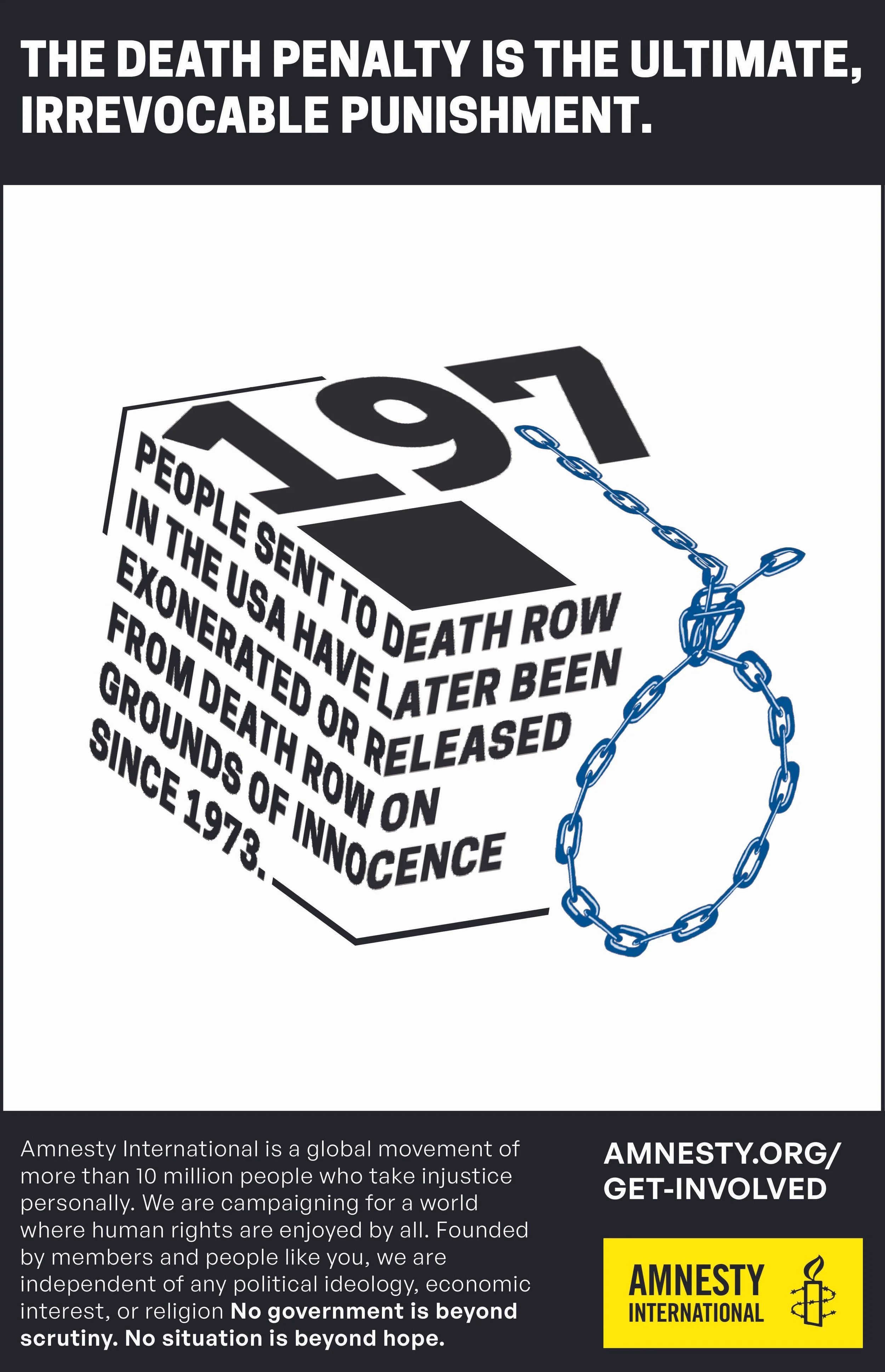
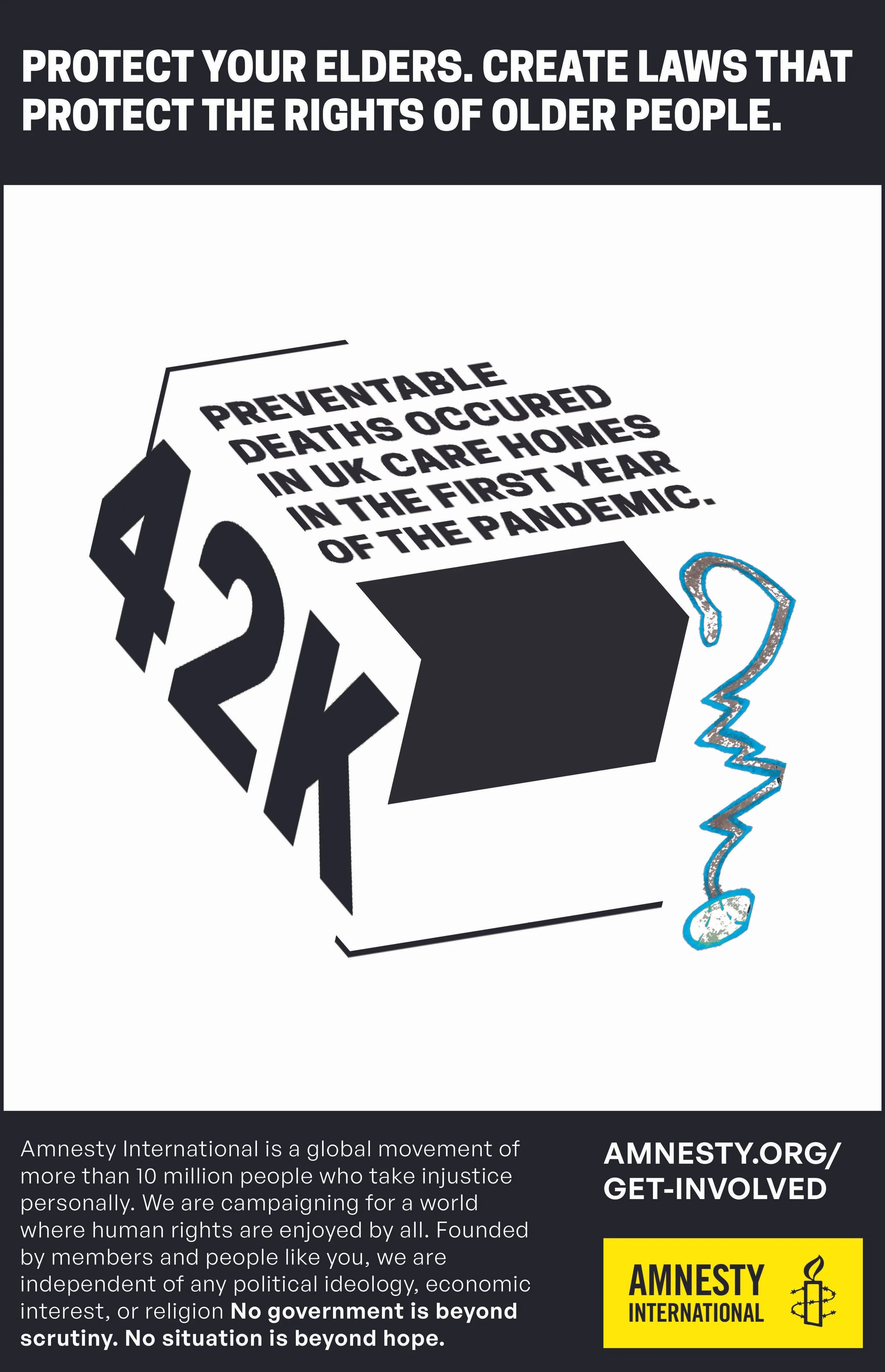

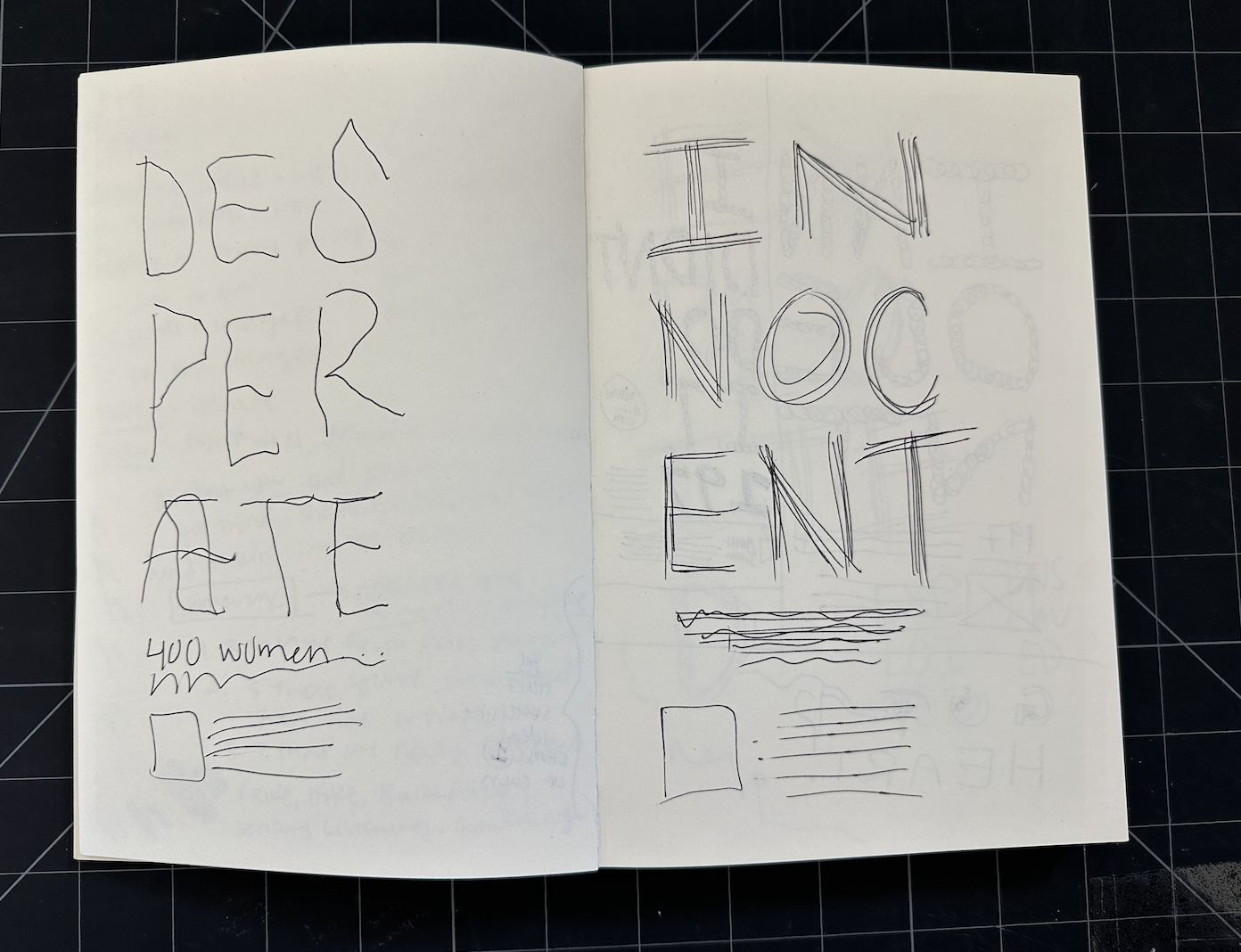
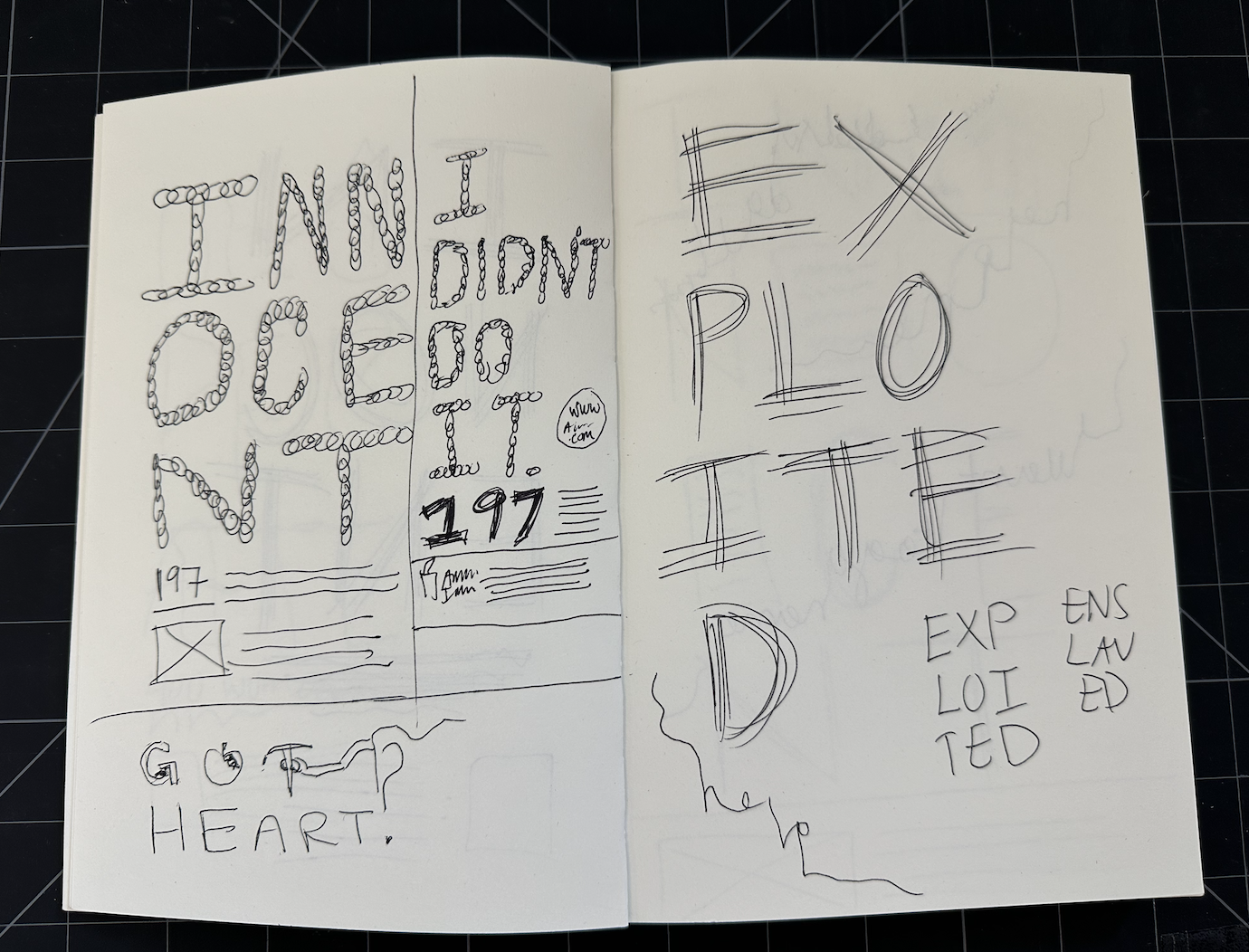
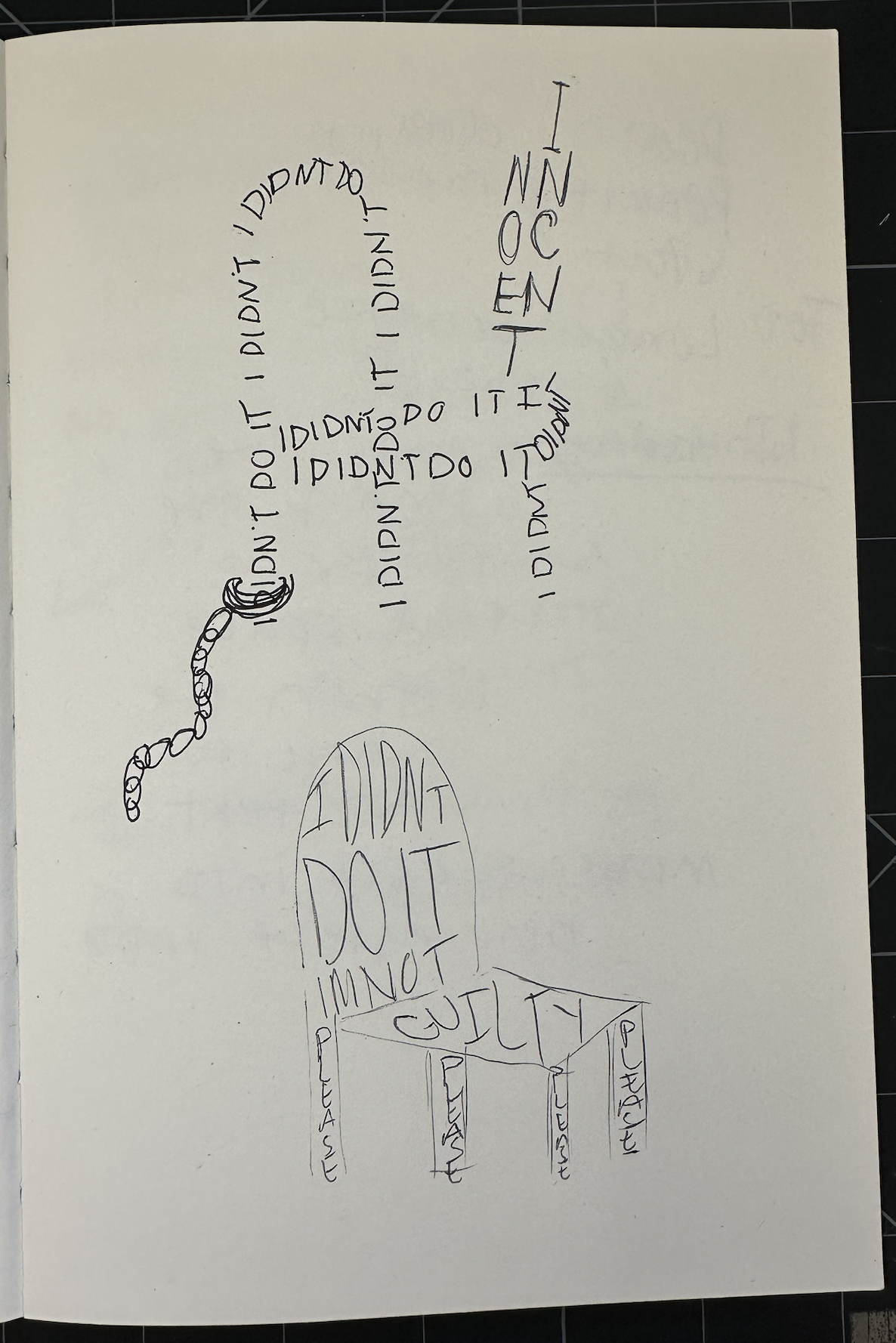
***A new idea emerged: I sketched a new concept that immediately felt satisfying, spelling out words in the shape of objects. It just so happened that the words I wanted to use to get the message across fit perfectly into the shapes that represented the issue. I brought back Women’s Rights for the uterus shape.
The final posters use bold visual metaphors, restrained color palettes, and emotionally charged typography to prompt viewers to stop, read, and act. The unified design system reinforces Amnesty’s broad mission across different human rights issues.